Running for Weight Loss: Maximizing Caloric Burn
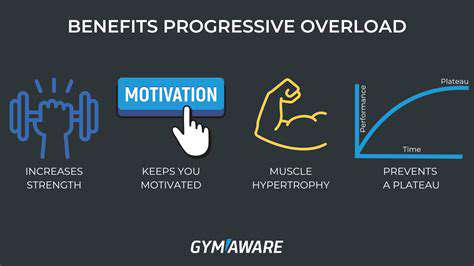
As you build endurance, gradually increase the intensity and duration of your work intervals. Keeping a training log can help you track progress and adjust your plan to keep challenges imminent. This dynamic approach will also help prevent plateaus by continuously stimulating your muscles in different ways.
Common Mistakes to Avoid
While interval training can be highly effective, several pitfalls can diminish its benefits. A frequent mistake many runners make is not allowing enough recovery time between intervals. Overdoing high-intensity efforts can lead to burnout or injuries, hampering weight loss efforts. Adequate rest is vital for muscle recovery and performance improvement.
Additionally, failing to adjust interval intensity to match fitness levels can lead to negative outcomes. Beginners may become discouraged if they attempt to match experienced runners’ paces. It's essential to listen to your body and modify the intensity and duration of intervals based on personal capabilities.
Monitoring Progress and Adjusting Workouts
To fully reap the benefits of interval training, regular monitoring of your progress is key. Using wearables or apps to track your heart rate and pace can provide valuable insight into how your body responds to different intervals. Aim for a target heart rate during high-intensity efforts to maximize efficiency.
Over time, analyze your performance metrics to see where improvements can be made. If you consistently find yourself completing intervals with ease, it may be time to increase intensity or diminish recovery time. This proactive approach ensures that you are continually challenging yourself and making strides toward your weight loss goals.
Incorporating Nutrition and Hydration
Integrating interval training into a weight loss regimen is most effective when paired with proper nutrition and hydration. Since high-intensity workouts burn significant calories, it’s crucial to fuel your body correctly before and after training sessions. Consuming a balanced meal with carbohydrates and protein within an hour post-workout supports muscle recovery and replenishes glycogen stores.
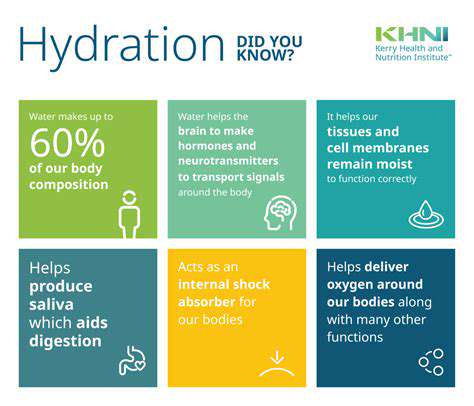
Moreover, hydration plays a pivotal role in performance. Dehydration can compromise both the intensity of your intervals and your recovery process. Be sure to hydrate before, during, and after your workouts, tailoring fluid intake based on the climate and your sweat rate for optimal results.
Understanding Your Heart Rate Zones
Heart rate zones represent different intensity levels of exercise based on your maximum heart rate (MHR). Typically, these zones are divided into five categories, each indicating how hard your heart is working during physical activity. Understanding these zones helps runners tailor their workouts to achieve specific goals, like improving endurance or maximizing calorie burn, which is essential for effective weight loss.
The most common method to estimate maximum heart rate is subtracting your age from 220, but this formula has limitations and can vary by individual. Research suggests that formulas like Tanaka’s (208 - 0.7 × age) provide a more accurate estimation for adults. Accurate MHR calculation is critical because heart rate zones are derived as percentages of this value, affecting the precision of your workout intensity.
For runners aiming at weight loss, knowing the right MHR is more than just numbers; it can mean the difference between burning fat effectively or wasting effort in the wrong heart rate zone. Testing your MHR under supervision or using wearable tech with validated accuracy can give you personalized insights.
Zone 1 (50-60% of MHR) is the light intensity zone, typically used for warm-up or recovery runs. Zone 2 (60-70%) improves basic endurance and fat metabolism. Zone 3 (70-80%) boosts aerobic capacity and is often called the “tempo” zone. Zone 4 (80-90%) focuses on anaerobic threshold training to increase speed and stamina. Zone 5 (90-100%) is maximum effort, mostly used in short bursts for performance gains.
For Weight loss runners, Zones 2 and 3 are where your body efficiently burns fat while improving cardiovascular fitness, making understanding these distinctions practical for structuring workouts.
Keep in mind, sessions dominated by Zones 4 and 5 should be limited due to their demanding nature, but they do add metabolic afterburn effects, increasing calorie expenditure after exercise.
Many assume the “fat-burning zone” (~60-70% MHR) is best for weight loss, but this can be misleading. In this zone, a greater percentage of calories comes from fat, but total calorie burn is lower compared to higher intensity zones. Running at 75-85% of MHR burns more total calories, including carbohydrates and fat, increasing overall energy expenditure and promoting greater weight loss.
Research supports combining moderate and high-intensity running to maximize fat loss since the afterburn effect (EPOC) is higher with more intense efforts. So, blending zones thoughtfully can optimize your weight loss strategy.
Start your workout with a warm-up in Zone 1 or 2 to prepare your cardiovascular system without causing fatigue. During the main session, alternate between Zones 2 and 3 for sustained fat burning and aerobic conditioning. If you're capable, include intervals in Zones 4 or 5 to push your metabolic rate and increase post-run calorie burn.
For example, a session could involve 10 minutes Zone 2, then 20 minutes Zone 3, followed by 5-minute intervals in Zone 4 with recovery periods in Zone 2. This structured approach ensures you're maximizing caloric burn efficiently while managing fatigue and injury risk.
Don't forget a cool-down phase at low intensity to help recovery and reduce heart strain.
While heart rate is a valuable metric, it doesn’t provide the full picture. Variations in hydration, stress, sleep quality, and medications can skew heart rate responses. Relying exclusively on heart rate zones without assessing perceived exertion or other physiological signals might lead to misjudging workout intensity.
Wearable devices have made tracking heart rate easier, but not all are equally reliable. For running, chest strap monitors generally provide more accurate readings than wrist-based devices, especially at higher intensities. Regularly calibrate your device and factor in any external conditions such as temperature or altitude that might influence heart rate readings.
Additionally, logging your heart rate data alongside how you feel during runs can help you fine-tune your training zones over time. Remember, the goal isn’t just hitting numbers but using heart rate zones to guide a training routine that feels manageable yet challenging enough to promote weight loss.
The Role of Nutrition in Weight Loss

Understanding Macronutrients and Their Impact
In the context of weight loss, macronutrients refer to carbohydrates, proteins, and fats. Each plays a distinct role in metabolic processes and overall caloric burn. Carbs are often mischaracterized; while they can contribute to weight gain when consumed excessively, they are also a vital energy source during aerobic exercise like running. Understanding the right balance of these nutrients can significantly enhance one's weight loss journey.
Proteins are crucial for muscle recovery and growth, especially after a run. Including adequate protein in your diet can help preserve lean muscle mass while you're cutting calories. This is important for maintaining a healthy metabolism, as muscle tissue burns more calories at rest compared to fat tissue.
Fats, once demonized in many diets, play essential roles too. Healthy fats, such as omega-3s, can reduce inflammation and support overall health. Incorporating moderate amounts of good fats can also improve satiety, making it easier to stick to a calorie deficit. Therefore, understanding how to balance these macronutrients is essential for effective weight loss.
The Importance of Caloric Deficit
- To lose weight, it’s essential to understand the concept of caloric deficit.
- A caloric deficit occurs when you consume fewer calories than your body expends.
- This principle is key to weight loss, guiding your diet and exercise choices.
- Tracking your daily caloric intake can enhance your awareness of your eating habits.
Creating a caloric deficit is fundamental to weight loss. Specifically, you'll need to burn more calories than you consume over a period of time to shed pounds effectively. Research shows that a sustainable caloric deficit of about 500 to 750 calories per day can lead to a healthy weight loss of approximately 1 to 2 pounds per week. This gradual approach is not only effective but also easier to maintain long-term.
In practice, combining dietary changes with increased physical activity, particularly running, can enhance your overall caloric burn. Running, for example, can burn anywhere from 300 to 600 calories per hour, depending on factors like speed, body weight, and terrain.
Hydration's Role in Weight Loss
Staying properly hydrated is often overlooked but plays a critical role in weight loss. Water is essential for metabolic processes, including the burning of fat for energy. It's surprising how much dehydration can hinder performance, especially when running or engaging in strenuous workouts. Research indicates that even slight dehydration can impair physical performance and lead to decreased caloric burn during exercise.
Moreover, drinking water before meals can aid in appetite control. Studies have suggested that individuals who consume water before meals tend to eat fewer calories overall, steadily contributing to a caloric deficit. This fact is particularly useful for those trying to lose weight without feeling deprived.
Additionally, substituting sugary drinks with water not only reduces calorie intake but also promotes better health. Proper hydration ensures that your body performs optimally while running, enhancing endurance and energy levels for more effective workouts.
Meal Timing and Its Influence on Weight Loss
Meal timing can potentially influence weight loss outcomes, particularly regarding how and when you fuel your body before and after exercise. Some studies support the idea that eating shortly before a workout can enhance performance, especially during moderate to high-intensity runs. This is important because it helps sustain energy levels, allowing you to burn more calories effectively.
On the flip side, post-workout nutrition is equally critical. Consuming a mixture of carbohydrates and protein within 30 to 60 minutes after running can facilitate muscle recovery and replenish glycogen stores. This is essential for maintaining performance in subsequent workouts. Generally, aiming for a ratio of 3:1 carbohydrates to protein post-exercise optimizes recovery.
Additionally, some individuals may find benefit in structured meal patterns, such as intermittent fasting, which can help glancing at caloric intake across a broader time frame. While the evidence is still developing, the concept promotes awareness of meal timing in relation to exercise, which can be a valuable part of a comprehensive weight loss strategy.
Staying Motivated and Consistent
Setting Realistic and Measurable Goals
One of the most effective ways to maintain motivation in a running program for weight loss is to establish clear, attainable goals. Instead of vague aims like lose weight, setting specific targets such as running three times a week for 30 minutes or burning 500 calories per session helps create a measurable framework. Research suggests that SMART goals (Specific, Measurable, Achievable, Relevant, Time-bound) improve adherence by providing structure and frequent checkpoints to evaluate progress. For example, aiming to increase running distance by 10% each week keeps improvement steady without inducing burnout or injury.
Tracking Progress Using Technology and Journals
Utilizing apps, wearables, or running journals enhances consistency by allowing runners to monitor calories burned, pace, and distance accurately. According to a study published in the Journal of Medical Internet Research, individuals who use fitness trackers experience higher adherence rates to exercise programs. Keeping a daily log also helps identify patterns, such as days when performance dips, enabling timely adjustments. In my experience, combining digital tracking with brief notes on mood or energy levels offers a holistic view, fostering greater self-awareness and accountability over time.
Additionally, data visualization through charts or weekly summaries reveals incremental achievements that might otherwise go unnoticed, which can be a strong motivator. For instance, seeing total calories burned accumulate over a month highlights the cumulative effect of consistent running, reinforcing commitment toward the ultimate weight loss goals.
Incorporating Social Support and Variety
Consistent running becomes easier when embedded in a supportive community or when incorporating variety to prevent monotony. Running groups, online forums, or accountability partners provide encouragement and advice, which are vital in moments of low motivation. A randomized controlled trial in the American Journal of Preventive Medicine found that social support significantly improved exercise adherence across diverse populations.
On the variety front, alternating between different running routes, intervals, or even treadmill sessions with outdoor runs breaks the monotony, keeps the mind engaged, and challenges the body differently, helping to maximize caloric burn. Personally, mixing up workouts with interval sprints and steady-state runs not only increases metabolic rate but also makes the training more enjoyable, reducing the risk of quitting due to boredom.
Integrating these strategies helps sustain the motivation and consistency critical for effective weight loss through running, ensuring both physical progress and mental resilience.
Read more about Running for Weight Loss: Maximizing Caloric Burn


![Best Nutrition for Teen Athletes [Fueling Growth & Performance]](/static/images/26/2025-06/BeyondtheBasics3AMicronutrientsandSupplements.jpg)