Preparing Healthy Meals with Limited Time
Outline
- Meal planning simplifies weeks and improves dietary choices and health outcomes.
- Efficient meal prepping reduces stress and improves portion control during busy weeks.
- One-pot cooking is quick, nutritious, and minimizes cleanup.
- Batch cooking saves time and ensures healthy meals are always available.
- Modern appliances reduce cooking time and promote healthier home-cooked meals.
- Quick cooking methods retain nutrients and suit busy lifestyles.
- Nutrient-dense foods improve health, weight management, and energy levels.
- Quick protein sources help maintain full energy during time-limited meal prep.
- Technology and meal planning apps streamline shopping and reduce food waste.
- Balanced nutrition supports physical and mental health, emphasizing diverse food groups.
- Batch cooking and meal calendars optimize healthy eating despite tight schedules.
- Smart shopping prioritizes whole, fresh foods and minimizes processed ingredients.
- Simple versatile ingredients and spices speed up meal prep and enhance flavor.
- Quick cooking methods preserve nutrients and make meal prep efficient.
- Preparing healthy snacks in advance improves nutrition and sustains energy on-the-go.
- Nutrition education empowers better food choices even with busy lifestyles.
Meal Planning and Prepping for Time-Saving Efficiency
Understanding the Basics of Meal Planning
Meal planning is a strategic way to simplify your week, catering to your nutritional needs while saving valuable time. The process involves determining the meals you want to prepare in advance, often focusing on a week's worth of meals. According to a study published in the Journal of Nutrition Education and Behavior, individuals who engage in meal planning enjoy better dietary choices and improved overall health outcomes.
Start by evaluating your dietary requirements and preferences. Jotting down a list of your favorite meals is a great starting point. You can utilize apps or simple spreadsheets to organize these meals into categories such as breakfast, lunch, dinner, and snacks. Having a clear structure makes it easier to spot gaps in nutrition and ensures a balanced intake throughout the week.
Strategies for Efficient Meal Prepping
Once you have your meal plan laid out, Efficient meal prepping becomes crucial. This can include bulk cooking ingredients, like grains and proteins, and portioning them out into containers. Research indicates that prepping meals ahead can lower stress during the week and help track caloric intake better than unplanned eating. Ideally, set aside a few hours during the weekend to prepare these meals, so you’re not scrambling during busy weekdays.
Don’t overlook the importance of proper storage. Invest in high-quality glass containers that can be easily heated in the microwave. Moreover, label your meals with dates to keep track of freshness. A well-structured meal prep not only enhances the efficiency of your week but also encourages portion control, helping you to avoid overeating, which contributes to healthier eating habits over time.
Utilizing Quick and Healthy Cooking Techniques

Understanding the Importance of Meal Prep
Meal prep is not just a trend; it’s a strategy that can save time and create healthier eating habits. By planning meals ahead of time, you’ll likely make choices that are nutritious rather than convenient but unhealthy. Studies show that individuals who engage in meal prepping eat more vegetables and whole foods compared to those who do not.
Creating a weekly meal plan can help streamline the cooking process by ensuring you have all necessary ingredients at hand. This way, grocery shopping becomes efficient, and the risk of impulse buying unhealthy snacks is minimized. Ultimately, meal prep can empower you to take control of your diet.
- Allows for better portion control and calorie management.
- Reduces food waste by using ingredients effectively.
- Can save significant amounts of money by buying in bulk.
Implementing One-Pot Cooking
One-Pot Cooking is an excellent way to prepare quick meals with minimal cleanup. This technique typically involves combining all ingredients in a single pot or pan, making it efficient for busy individuals or families. Recipes like stews, stir-fries, and casseroles exemplify this method, as they can be customized easily to fit personal dietary preferences.
Moreover, cooking everything together allows the flavors to meld nicely, enhancing the overall taste of the dish. Additionally, this approach promotes nutrient retention since food is cooked in the same pot, reducing the need for multiple cooking methods. In fact, one-pot meals can often be prepared in under thirty minutes, making them perfect for weeknight dinners.
Utilizing Batch Cooking Techniques
Batch cooking involves preparing larger quantities of food at once, which can be stored and used over the week. This technique not only saves time but also ensures that healthy meals are readily available during busy days. By preparing staples like grains, proteins, and vegetables in bulk, you can mix and match them throughout the week.
For example, cooking a big batch of quinoa could allow for a versatile base for salads, bowls, or side dishes. Additionally, research suggests that batch cooking can lead to healthier eating because it minimizes the chance of resorting to fast-food options when in a rush. Investing a few hours on the weekend can result in a week of quick, healthy meals.
Consider divvying up cooked foods in containers to keep portions controlled—this way, you’ll always have a nutritious option ready to go.
Making Use of Time-Saving Appliances
Incorporating modern kitchen appliances can revolutionize your cooking process. Devices like slow cookers, pressure cookers, and air fryers can significantly reduce cooking time while enhancing the ease of preparing nutritious meals. For instance, a pressure cooker can prepare beans in a fraction of the time it typically takes, providing a great base for many healthy recipes.
Moreover, slow cookers allow for set-it-and-forget-it meals, where you can toss in ingredients in the morning and return to a warm, delicious meal at night. Additionally, air fryers provide a healthier alternative to deep frying, allowing you to achieve a crispy texture with less oil. These tools can help facilitate more frequent cooking at home, which is key to maintaining a healthy diet.
Choosing Quick Cooking Methods
Quick cooking methods can be a game-changer for those with limited time. Techniques such as grilling, broiling, and sautéing allow meals to be prepared rapidly while retaining nutrients. For example, grilling vegetables or proteins can result in meals that are both healthy and flavorful with minimal effort. Similarly, sautéing a mix of ingredients in a hot pan can produce a balanced meal in under 15 minutes.
Quick cooking is not only about speed; it often encourages the use of fresh ingredients that lead to better nutritional outcomes. Making the switch to fast yet healthy cooking methods can transform the way you approach mealtime, allowing more flexibility for your schedule without sacrificing health. Think about preparing a protein-packed omelet with assorted vegetables—it's quick, nutritious, and satisfying!
Smart Ingredient Choices for Healthy and Quick Meals

Understanding Nutrient-Dense Foods
In today's fast-paced world, it’s imperative to prioritize Nutrient-Dense Foods that contribute to overall health. Nutrient-dense foods provide essential vitamins, minerals, and other nutrients relative to their calorie content. Options like leafy greens, berries, and legumes are fantastic examples that pack significant health benefits into a low-calorie package.
Research suggests that incorporating more nutrient-dense foods into your meals can lead to better weight management, reduced risk of chronic diseases, and improved energy levels. For instance, a study published in the Journal of Nutrition highlighted that participants who consumed higher amounts of vegetables and fruits reported better health outcomes compared to those who did not.
Quick Protein Sources for Busy Schedules
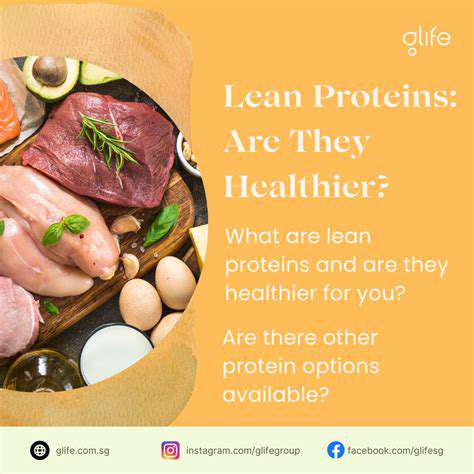
When preparing meals with limited time, Quick Sources of Protein such as canned beans, Greek yogurt, and frozen chicken can be lifesavers. These foods not only offer a convenient way to boost your protein intake but also help keep you feeling full longer, thus reducing the temptation to snack on unhealthy options. Consider preparing quinoa or brown rice ahead of time; they store well and can be quickly incorporated into a variety of dishes.
- Choose canned beans for quick protein.
- Use Greek yogurt as a versatile ingredient.
- Opt for frozen meats to save preparation time.
Moreover, integrating plant-based proteins like lentils and chickpeas can diversify your diet while being quick to prepare. A mere 20 minutes in a pressure cooker can transform lentils into a hearty base for salads or bowls.
Efficient Meal Planning Techniques
Effective Meal Planning is crucial for anyone looking to prepare healthy meals swiftly. Start by designing a weekly menu that incorporates versatile ingredients. Items like roasted vegetables can easily pair with grains, proteins, and spices, resulting in multiple meals. Aim to set aside just a couple of hours each week to prep ingredients like chopping vegetables or cooking bulk grains.
Don't forget to leverage technology to streamline your meal planning. Apps like Mealime or Yummly facilitate not just recipe discovery but also generate shopping lists tailored to your chosen meals. This allows you to save time shopping and reduces food waste by ensuring you purchase only what you need.
Incorporating Balanced Nutrition on a Tight Schedule
Understanding Balanced Nutrition
Balanced Nutrition Is Essential for maintaining optimal health and supporting bodily functions. It includes a variety of macronutrients—carbohydrates, proteins, and fats—along with vital micronutrients like vitamins and minerals. Each nutrient plays a distinct role; for instance, proteins are crucial for muscle repair, while carbohydrates provide the primary source of energy. Understanding these roles can help you prioritize which foods to include in your meals, even when you have limited time.
Research indicates that adults require a balanced intake of nutrients to support not just physical health but also mental well-being. The Dietary Guidelines for Americans recommend that half of your plate should consist of fruits and vegetables, emphasizing the importance of diversity in your diet. When planning meals quickly, think about how to cover these basic groups effectively, ensuring you're meeting your nutritional needs.
Planning Ahead for Success
Effective meal planning is one of the best strategies for incorporating balanced nutrition into a busy lifestyle. Spend a few minutes each week mapping out meals, which allows you to make smart grocery choices and avoid impulse buys. Consider creating a meal calendar, where you can outline what you’ll eat each day, taking into account time constraints and perishable items to minimize waste.
Additionally, batch cooking can save considerable time. Prepare larger portions of healthy recipes on weekends, divvying them into individual servings for easy access during the week. This method is not only efficient but also helps maintain portion control and reduce unhealthy snacking.
Smart Shopping Tips
When you're under time pressure, grocery shopping can easily become overwhelming. One way to streamline this process is to create a list organized by food categories. Focus on purchasing whole foods rather than processed items, as whole foods usually contain fewer additives and more nutrients. For instance, opting for whole grains, fresh meats, and seasonal vegetables ensures you're integrating nutritional value into your meals without lagging on time.
Consider shopping at local farmers' markets where seasonal produce is often available. Fresh fruits and vegetables not only enhance the taste of your meals, but they are typically more nutritious compared to commercially grown alternatives. Building relationships with local vendors can also lead to discovering new ingredients that help diversify your meals.
Simple Ingredients That Pack a Punch
When time is limited, having a selection of versatile ingredients can make meal prep easier and faster. Items such as canned beans, frozen vegetables, and rotisserie chicken can be lifesavers. These foods not only cut down preparation time but also allow you to whip up nutritious meals quickly. For example, tossing roasted vegetables with quinoa and beans creates a quick, balanced bowl full of nutrients.
Herbs and spices are essential additions that can transform basic dishes. Keeping a well-stocked spice rack allows for various flavor combinations without lengthy prep work. Simple seasoning can elevate a dish from bland to memorable in just seconds, helping keep your meals interesting.
Quick Cooking Methods
Utilizing quick cooking methods is a game changer for busy individuals looking to maintain a nutritious diet. Techniques such as steaming, grilling, and stir-frying help preserve the nutrient content of your ingredients while significantly reducing cooking time. For instance, steaming vegetables not only retains their vitamins but can be done in just a few minutes.
Using an instant pot or slow cooker can also simplify meal prep. You can throw in ingredients, set the cooking time, and return to find a complete meal awaiting you. This can be especially useful for more complex dishes that would normally take much longer. Set it before leaving for work to ensure a healthy meal is ready when you return home.
Incorporating Snacks Wisely
Healthy snacking can contribute significantly to your overall nutrition when you're on the go. Instead of reaching for chips or candy bars, stock up on nutritious options like nuts, yogurt, or fresh fruit. These portable snacks provide a balance of carbohydrates, proteins, and healthy fats, helping to keep your energy levels steady throughout the day.
Consider preparing snack packs in advance. Portioning out servings of nuts or cut-up vegetables saves time and serves as a reminder to opt for healthier choices. A small snack can significantly impact your hunger levels and overall nutrient intake, so planning for these moments is just as crucial as meals themselves.
Educating Yourself on Nutrition
Knowledge is power when it comes to nutrition. Familiarizing yourself with the nutritional content of different foods can aid in making healthier choices, even with a packed schedule. Resources like nutrition labels, mobile apps, and online platforms offer valuable information that can guide you in your decision-making. According to studies, those who actively track their food intake tend to make more informed dietary choices over time.
Moreover, consider seeking out educational workshops or community programs that focus on nutrition. Many local health departments or community centers offer free classes or seminars that can enhance your understanding and provide you with practical skills to implement balanced meals into your life effectively.
Read more about Preparing Healthy Meals with Limited Time







Hot Recommendations
-
*How Treadmill Running Compares to Outdoor Speed Work
-
*The Connection Between Gratitude and Better Sleep Quality
-
*How Core Strength Directly Impacts Running Speed
-
*High Fiber Recipes That Support Weight Loss Goals
-
*Yoga Poses for Lower Back Pain Relief and Flexibility
-
*Signs Your Lower Back Pain Requires Professional Help
-
*Stretches to Do at Your Desk for Back Pain Prevention
-
*How Gratitude Improves Athlete Mental Toughness
-
*How to Cook Healthy Without Sacrificing Flavor
-
*Strength Training for Runners: Exercises to Prevent Injury