Nutrition
Healthy Eating
Vegetable Snacks
Nutritional Benefits
Healthy Snacking

The Best Healthy Snacks for Satisfying Cravings

The Future of Healthy Snacking

As more people aim towards healthier lifestyles, the demand for tasty vegetable snacks will continue to grow. By experimenting with flavors, textures, and recipes, it’s possible to create satisfying snack options without compromising on health.

Incorporating vegetable snacks into your diet not only meets cravings but also contributes positively to overall well-being. Making informed choices about your snacking can transform the way you view healthy eating, leading to long-term benefits.

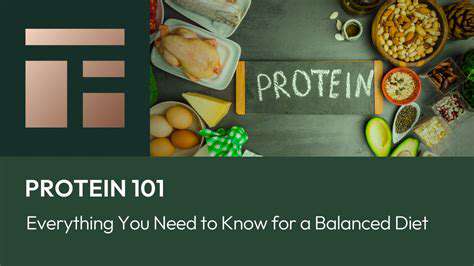
Protein-Packed Options

Protein-PackedOptions

Nut Butters: A Versatile Protein Source

Nut butters, whether almond, peanut, or cashew, are Fantastic protein sources packed with healthy fats and essential nutrients. A single tablespoon typically contains around 3-4 grams of protein, which contributes significantly to your daily intake. Additionally, they are rich in vitamins E and B, magnesium, and fiber, making them ideal for a quick energy boost.

Incorporating nut butters into your snacks is easy. You can spread them on whole-grain toast, use them as a dip for fruit, or blend them into smoothies for an added protein punch. However, it’s important to choose natural varieties without added sugars or oils to maximize their health benefits.

Greek Yogurt: A Creamy Delight

Greek yogurt stands out as one of the most protein-rich snack options, with around 10 grams of protein per 100-gram serving. This creamy treat is not just satisfying but also supports gut health due to its probiotics. Finding a good balance in your diet is crucial, and Greek yogurt serves as an excellent protein-rich complement to fruits and nuts.

Pair your Greek yogurt with fresh berries or a sprinkle of granola for a healthy snack. Its versatility allows you to create savory or sweet combinations, making it a go-to choice for any craving. Opting for plain varieties minimizes added sugars, ensuring you benefit from its full nutritional profile.

Edamame: A Nutritional Powerhouse

  • Edamame is packed with complete proteins.
  • It contains essential amino acids crucial for muscle repair.
  • This snack is high in fiber, promoting healthy digestion.

Edamame, young soybeans that are often served steamed, offer a unique combination of nutrition and flavor, with approximately 9 grams of protein per half-cup. They are also rich in fiber, making them a great choice for those looking to maintain a healthy weight. These little pods not only support muscle health but also contain antioxidants.

To enjoy edamame, simply sprinkle some sea salt and enjoy them warm as a snack. They align perfectly with a balanced diet and can add variety to your snack routine, particularly for those adopting a plant-based lifestyle.

Chickpeas: Crunchy and Satisfying

Chickpeas, whether roasted as a snack or included in salads, are another healthy, protein-rich option. A cup of cooked chickpeas offers about 15 grams of protein, along with substantial dietary fiber. This makes them a great choice for keeping you full and satisfied, reducing the likelihood of unhealthy snacking.

Roasting chickpeas adds a satisfying crunch that rivals traditional chips. Season them with various spices, such as paprika or garlic powder, to enhance flavor without adding unnecessary calories. They serve as an excellent alternative to conventional snacks, offering a unique texture and flavor while delivering essential nutrients.

String Cheese: A Convenient Snack Option

String cheese is not just a childhood favorite but also a practical snack choice that packs protein and calcium; on average, a single stick contains about 6-8 grams of protein. Its convenient packaging makes it easy to grab and enjoy without much prep time, fitting seamlessly into a busy lifestyle.

String cheese pairs well with whole-grain crackers or fresh fruits for a balanced snack. Incorporating string cheese into your diet can help meet daily protein needs while providing necessary calcium for bone health. Keep a few sticks in your fridge for those on-the-go moments where convenience is key.

Hard-Boiled Eggs: A Classic Snack

Hard-boiled eggs are a timeless snack loaded with about 6 grams of protein each, making them an ideal choice for muscle repair and overall nutrition. They are also an excellent source of vitamins and minerals, including vitamin D and choline, which are essential for brain health.

Prepare hard-boiled eggs in batches for easy access throughout the week, whether for a quick breakfast or a satisfying snack. Adding different seasonings or even making egg salad can transform these eggs into something more exciting and flavorful without sacrificing nutrition.

Whole Grain Snacks for Lasting Energy

Understanding the Nutritional Profile of Whole Grains

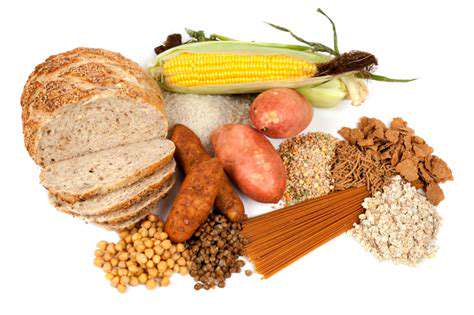
Whole grains contain all three parts of the kernel: the bran, germ, and endosperm, which together provide fiber, vitamins, minerals, and antioxidants essential for sustained energy release. Unlike refined grains, which lose much of their nutritional content during processing, Whole grains retain these components, making them a superior choice for healthy snacking.

Scientific studies indicate that the high fiber content in whole grains slows digestion and glucose absorption, which helps maintain stable blood sugar levels and prolonged energy. For example, research published in the American Journal of Clinical Nutrition shows that whole grain consumption is linked to better appetite regulation and reduced risk of chronic diseases related to poor metabolic health.

Popular Whole Grain Snack Options and Their Benefits

Common whole grain snacks include popcorn, whole grain crackers, oat bars, and brown rice cakes. Each option provides unique benefits; popcorn, for instance, is low in calories and high in fiber, making it a filling yet light snack. Meanwhile, oat bars often combine whole oats with nuts and seeds, offering additional protein and healthy fats that further support energy maintenance.

Choosing whole grain snacks fortified with added protein or natural fats can enhance satiety. For example, pairing whole grain crackers with hummus or nut butter introduces a balance of macronutrients, which slows digestion and prevents quick sugar crashes. I often recommend experimenting with combinations like these to find satisfying snacks that keep cravings in check.

It’s essential to check labels carefully since some products labeled as “whole grain” may contain high levels of sugar or unhealthy fats, which counters the health benefits. Opt for items with whole grain as a principal ingredient and limited additives.

The Role of Fiber in Lasting Energy and Appetite Control

Dietary fiber, primarily found in the bran component of whole grains, plays a crucial role in promoting sustained energy levels by moderating the speed of carbohydrate absorption. This helps prevent energy spikes and subsequent crashes, which are common with sugary or highly processed snacks.

Moreover, Fiber increases feelings of fullness by expanding in the stomach and triggering hormonal responses that reduce hunger. According to data from the Journal of Nutrition, consuming adequate fiber through whole grains can significantly lower overall daily calorie intake, which is beneficial for maintaining a healthy weight and reducing cravings.

Personally, I find that snacks rich in soluble fiber, such as oats and barley, offer a more substantial energy boost compared to other grains. They also contribute to improved gut health, which indirectly influences energy metabolism and mood.

Regularly incorporating fiber-rich whole grain snacks is a practical way to support steady energy throughout the day without resorting to quick fixes like sugary treats or caffeine.

Scientific Insights into Glycemic Index and Whole Grain Snacks

The glycemic index (GI) measures how quickly carbohydrate-containing foods raise blood glucose levels. Whole grain snacks typically have a lower GI compared to their refined counterparts, meaning they cause a slower, more gradual rise in blood sugar and insulin levels. This steady glucose delivery translates into longer-lasting energy and reduced hunger pangs.

For instance, whole grain bread has a GI ranging from 50 to 70, whereas white bread often exceeds 70, categorizing it as a high-GI food. By choosing snacks with a low to moderate GI, individuals can better manage energy fluctuations during busy days. The International Journal of Food Sciences and Nutrition supports this approach in creating diets that improve endurance and focus.

Tips for Incorporating Whole Grain Snacks into a Balanced Diet

To maximize the benefits of whole grain snacks, pairing them with protein or healthy fats is advisable. For example, spreading almond butter on whole grain crackers or adding a handful of nuts to a whole grain granola bar can significantly improve satiety and energy duration.

Also, portion control matters. Whole grains provide fiber and nutrients but can be calorie-dense, so appropriate serving sizes should be maintained to avoid unintended weight gain, especially when snacks contain added fats or sugars. I suggest starting with modest portions and adjusting based on energy needs and activity levels.

Finally, vary your snack choices across different whole grains to ensure a diverse intake of nutrients. Mixing oats, quinoa, barley, and brown rice snacks not only keeps things interesting but also provides different profiles of vitamins, minerals, and bioactive compounds, promoting overall health.

With these strategies, whole grain snacks can become an integral part of a healthy eating routine that effectively satisfies cravings and supports sustainable energy.

Read more about The Best Healthy Snacks for Satisfying Cravings
Healthy Snack Ideas for Weight Loss
May 11, 2025
Guide to a Healthy Pregnancy Diet
May 14, 2025
Best Vegan Recipes for Muscle Gain
May 15, 2025
How to Plan a Healthy Grocery List
May 15, 2025
Best Low Carb Snacks for Energy
Jun 09, 2025
Guide to Understanding Macronutrients (Protein, Carbs, Fat)
Jun 26, 2025
How to Build a Balanced Vegetarian Meal Plan
Jul 07, 2025
How to Eat Healthy on a Budget [Tips & Meal Ideas]
Jul 23, 2025
A Comprehensive GuideAre you looking to improve your running endurance? This guide provides structured training plans, effective cross-training activities, nutritional tips, and recovery strategies to help you reach your goals. Follow a Structured Training PlanA well-rounded training plan is vital for building endurance. Start by setting clear and achievable goals using the SMART criteria—make them Specific, Measurable, Achievable, Relevant, and Time-bound. Incorporate varying running sessions, such as long runs and interval training, along with necessary rest days to prevent injury and fatigue. Use running apps or GPS devices to track your progress and adjust your regimen as needed. Incorporate Cross-Training ActivitiesCross-training enhances overall fitness and helps prevent burnout. Engage in activities like cycling, swimming, or strength training. These alternatives work different muscle groups, contributing to improved performance. Aim for a balanced schedule that combines running with cross-training days. This will keep your workouts diverse and maintain your enthusiasm for training. Prioritize Proper Nutrition and HydrationNutrition is crucial for endurance training. Focus on balancing macronutrients—carbohydrates for energy, proteins for muscle repair, and healthy fats for overall health. Stay hydrated, as dehydration can impact your performance. Develop a meal strategy that includes pre- and post-run nutrition to boost endurance and recovery. Implement Recovery StrategiesRecovery shouldn't be overlooked. Schedule rest days and listen to your body to prevent injury. Incorporate active recovery strategies like yoga or low-impact activities to help your muscles recover effectively. Remember that a good night’s sleep significantly impacts your recovery and performance. Set Realistic Goals and Celebrate ProgressEstablishing realistic goals keeps motivation high. Break larger objectives into smaller milestones and celebrate each achievement. Recognizing progress, whether through personal bests or completing a scheduled run, reinforces your commitment and continues to drive you forward. Use a training log for tracking improvements and staying engaged.---By following these tips, you're well on your way to improving your running endurance effectively. Whether you're training for a marathon or simply want to enjoy longer runs, having a structured approach will help you achieve your goals while avoiding burnout and injury. Start your endurance journey today!
Feb 28, 2026
A Comprehensive Guide to Healthier ChoicesIn today's fast-paced world, awareness of our eating habits is more crucial than ever. This guide dives deep into understanding nutritional practices, identifying unhealthy triggers, and fostering accountability through methods like food diaries. Discover how these strategies can pave the way to a healthier lifestyle. Creating Awareness of Eating Patterns Understanding Nutritional HabitsTracking your daily food intake is vital for identifying patterns that lead to unhealthy choices. Keeping a food diary can enhance your awareness of caloric intake, ultimately leading to healthier decisions. Research shows that those who document their meals tend to lose more weight. Identifying Triggers for Unhealthy EatingUnhealthy eating often stems from stress, lack of time, and social environments. By recognizing these triggers, you can create personalized weight loss strategies that substitute comfort eating with healthier coping mechanisms. Building Mindful Eating PracticesMindful eating allows you to savor each bite, helping you recognize when you're full and reducing calorie intake. Simple practices like eliminating distractions and focusing on food can dramatically enhance your relationship with it. Creating a Sustainable Food PlanAfter acknowledging your habits, the next step is to implement a food plan that aligns with your health goals. A balanced, nutritious plan ensures you remain satisfied without feeling deprived, making healthy choices more manageable. Maintaining Accountability Through DocumentationA food diary is not just about logging what you eat; it also instills accountability. Engaging with apps and dietary records can foster commitment and make tracking progress easier while providing insight into patterns and emotional triggers associated with eating. Enhancing Accountability and Commitment Understanding the Role of a Food Diary in AccountabilityA food diary serves as a crucial tool in weight loss efforts. It encourages mindfulness and helps identify problematic eating patterns that may arise due to stress or social situations. Fostering Commitment Through Consistent TrackingMaintaining a food diary daily helps solidify your commitment to weight loss goals. Regular review and reflection on your entries can guide you in celebrating small wins and identifying areas for improvement. Identifying Nutritional Gaps Understanding Nutritional GapsRegularly reviewing your eating habits can highlight essential nutrients you may be missing, such as vitamins from fruits and vegetables. Understanding these gaps is essential for effective weight loss as it helps ensure a balanced diet. Strategies for Filling Nutritional GapsIncorporate varied protein sources and colorful fruits and vegetables to enhance your diet. This diversity not only improves nutrient intake but also supports long-term health goals. Setting Realistic Goals and Tracking Progress Understanding SMART Goals for Weight LossImplementing the SMART criteria—Specific, Measurable, Achievable, Relevant, and Time-bound—can clarify your weight loss objectives and enhance your commitment to achieving them. Utilizing a Food Diary for Tracking ProgressA well-maintained food diary can double your chances of successful weight loss by providing clear accountability and insights into your eating patterns. Regular Review and Adjustment of GoalsContinual evaluation of your goals and dietary strategies is vital for adapting to changes in your body and maintaining motivation throughout your weight loss journey. Encouraging Mindful Eating Practices Implementing Mindful Eating TechniquesMindful eating encourages you to be present during meals, enhancing your relationship with food. Techniques such as limiting distractions, savoring each bite, and listening to hunger cues can help improve your eating habits over time.In summary, incorporating mindful practices, tracking eating habits, and recognizing emotional triggers will guide you toward creating a sustainable and healthy lifestyle. Start your journey today by implementing these actionable strategies for healthier eating patterns!
Mar 02, 2026
Delicious and Nutritious Recipes for Healthy EatingDiscover a world of vibrant flavors and health benefits with our collection of wholesome recipes. From seafood stir-fries to fresh salads, each dish is crafted to promote well-being while tantalizing your taste buds. Shrimp and Vegetable Stir-FryStart your culinary journey with a Shrimp and Vegetable Stir-Fry that’s not just delicious but packed with health benefits. Shrimp offers high-quality protein and omega-3 fatty acids, supporting heart health and weight management. Pair it with seasonal vegetables like bell peppers and broccoli to create a colorful and nutrient-rich meal. Master the art of seasoning with low-sodium soy sauce and spices like ginger, ensuring your dish is both flavorful and diet-friendly. Learn efficient cooking techniques to maintain the freshness and integrity of your ingredients. Quinoa Salad with Black Beans and AvocadoNext on the menu is a delightful Quinoa Salad with Black Beans and Avocado. Quinoa is a complete protein and an excellent meat alternative, perfect for weight-conscious eaters. Black beans add fiber and antioxidants, while creamy avocados contribute healthy fats that promote satiety. Our preparation tips ensure your salad is bursting with flavor and freshness, making it an ideal meal prep option that lasts for days. Spaghetti Squash with Marinara SauceFor pasta lovers, try Spaghetti Squash dressed in marinara sauce as a low-calorie alternative that's high in vitamins. Roast the squash to achieve perfect strands that mimic classic pasta while offering vastly fewer calories and carbohydrates. This satisfying dish allows you to indulge without compromising your dietary goals. Sweet Potato and Chickpea Buddha BowlIf you're seeking a fulfilling vegetarian option, our Sweet Potato and Chickpea Buddha Bowl is the perfect choice. Packed with vitamins and protein, this bowl combines roasted sweet potatoes and chickpeas on a bed of fresh greens. Customize your bowl with colorful veggies and a drizzle of tahini dressing for a balanced meal that's as nutritious as it is delicious. Greek Yogurt ParfaitFinally, don't miss out on our Greek Yogurt Parfait, a versatile dish suitable for breakfast or a snack. With layers of high-protein Greek yogurt, fresh fruits, and granola or nuts, this parfait is a powerhouse of nutrients. Packed with probiotics, it’s great for gut health and can easily be customized with seasonal fruits or superfoods like chia seeds. Meal Preparation and TipsAll these recipes can be easily prepared ahead of time, making them perfect for busy lifestyles. Learn how to prep your ingredients and balance your meals for optimal nutrition. Each dish is designed to promote health and satisfy cravings without overeating, making healthy eating a delightful experience.Dive into these easy-to-follow recipes and transform your meals into nutritious, flavorful experiences that benefit both your health and palate. Perfect for weight management and overall wellness, let these dishes inspire your culinary adventures!
Mar 03, 2026
long runs, speed variations, and dedicated rest days. Aim for at least four to five training sessions a week. An ideal week might feature a long run on the weekends, complemented by tempo runs or interval sessions during the weekdays. This mixture sharpens different aspects of your running, making your race day strategy stronger. Incorporating Strength TrainingIntegrate strength workouts into your schedule to enhance running efficiency and reduce injury risk. Aim to include exercises such as squats and lunges two days a week. Research shows that strength training can significantly improve runners' performance metrics, particularly in late-stage race fatigue. Monitoring Progress with DataUtilize technology, like running apps and wearables, to track your progress. Gauging metrics such as pace and heart rate helps you make informed adjustments to your training plan based on how your body feels and performs. Nutrition and Hydration StrategiesA solid training plan goes hand-in-hand with a well-thought-out nutrition strategy. Your diet should focus on a balanced intake of carbohydrates, proteins, and healthy fats. Appropriate hydration is equally vital; athletes should aim for 7 to 10 ounces of fluids every 10 to 20 minutes during training runs. Focus on recovery meals rich in carbohydrates and proteins post-run to replenish energy and repair muscle. Embracing FlexibilityRecognizing that life can be unpredictable is crucial. If you miss a workout, instead of stressing, adapt your training plan. Listen to your body and modify your schedule as needed, ensuring it caters to your physical and emotional state. Seeking Support and FeedbackCommunity motivation cannot be underestimated. Join fellow runners or running clubs to gain unique insights and encouragement. Peer feedback also provides valuable perspectives on areas for improvement, further enhancing your running experience. Integrating Cross-Training and RecoveryIncorporate cross-training practices to enhance overall fitness while minimizing injury risk. Activities such as cycling or swimming can significantly boost your performance. Additionally, prioritize recovery to allow muscles to repair and adapt. Hydration and nutrition are critical after workouts, as they facilitate recovery processes. Developing Mental ResilienceBuilding mental toughness is essential in endurance sports. Techniques like visualization and positive self-talk can enhance your confidence and focus during challenging moments. Create a support network that encourages motivation, accountability, and camaraderie. Final Preparations for Race DayIn the days leading up to the race, evaluate your gear, fine-tune your nutrition, and develop a race day plan. Focus on realistic goals, consider your mindset, and employ visualization techniques to ensure you are mentally prepared for the challenges on race day. ConclusionBy following these comprehensive tips, you can build a solid training plan for your half marathon. Remember, a successful training cycle is not just about physical preparedness; it also encompasses nutrition, recovery, and mental strategies to help you push through and achieve your goals.
Mar 16, 2026
View Publications>>

Hot Recommendations