Health
Nutrition
Nutritional Benefits
Healthy Eating
Nutritional
Cooking
Protein
Weight Loss

Budget Friendly Healthy Meals for Weight Loss

Versatile and cost-effective grain.
  • Oats: Cheap and nutritious, excellent for breakfast.
  • Popcorn: A whole grain snack that is low in calories.
  • Whole grain pasta: A hearty substitute for regular pasta.
  • Each of these options can be used in various recipes, allowing for creativity and diversity in your meals without breaking the bank.

    Easy Ways to Incorporate Whole Grains into Your Meals

    Integrating whole grains into your diet can be both simple and enjoyable. Start your day with a bowl of warm oatmeal topped with fruits and nuts for a nutritious breakfast. For lunch or dinner, consider substituting white rice for brown rice or quinoa in your favorite stir-fry or salads.

    Snacks can also be transformed by choosing whole grain options, such as air-popped popcorn or whole grain crackers. These snacks provide sustained energy without the crash that often follows sugary treats. Ensure that your meals maintain balance by combining whole grains with lean proteins and plenty of vegetables.

    Recipes Featuring Whole Grains

    Whole grains can shine in numerous recipes that are both healthy and budget-friendly. A simple quinoa salad mixed with black beans, corn, and a splash of lime juice can be refreshing and filling. Additionally, whole wheat pasta tossed with roasted vegetables and a light olive oil dressing makes for an enriching dinner option.

    Another fun recipe is overnight oats. Just combine oats with your choice of milk, yogurt, and toppings like fruits, seeds, or honey. Not only are they ready in the morning, but they're also customizable, allowing for limitless flavor combinations.

    Long-Term Benefits of Choosing Whole Grains

    In the long run, consistently choosing whole grains can provide significant health advantages. Research shows that they reduce the risk of obesity and related chronic diseases, contributing to overall longevity. Moreover, their high fiber content helps maintain a healthier gut biome, which is essential for digestion and nutrient absorption.

    Establishing a habit of consuming whole grains can also lead to better satiety, helping to control cravings and decreasing overall calorie intake. This will not only support your weight loss ambitions but can also lead to a more balanced diet. For those aiming for a healthier lifestyle while being budget-conscious, whole grains are a prudent choice.

    Vegetable-Packed Dishes for Nutritional Value

    Understanding Nutritional Value in Vegetables

    Vegetables are essential for a balanced diet, offering a wide range of vitamins, minerals, and fiber. For instance, leafy greens such as spinach and kale are rich in iron, while carrots provide beta-carotene, crucial for eye health. Incorporating a variety of colors on your plate ensures that you receive diverse nutrients, enhancing your overall nutritional intake.

    Research indicates that diets rich in vegetables can lower the risk of chronic diseases, including heart disease and diabetes. The American Heart Association recommends aiming for at least five servings of fruits and vegetables each day. This not only supports weight loss but also boosts energy levels and improves digestion.

    Budget-Friendly Vegetable Choices

    When it comes to buying vegetables, seasonal produce is often more affordable and flavorful. For example, root vegetables like potatoes and carrots are typically less expensive in winter months, whereas zucchini and tomatoes are budget-friendly during the summer. Purchasing vegetables from local farmers’ markets can also yield fresher and more affordable options.

    Canned and frozen vegetables are excellent alternatives for maintaining a healthy diet without breaking the bank. They are often just as nutritious as fresh options and have a longer shelf life, which can help in meal planning and reducing food waste.

    Easy Vegetable-Heavy Recipes

    Incorporating vegetables into your meals can be quick and simple. Stir-fries and sautés allow you to mix various vegetables with your choice of protein for a balanced meal. For a healthy budget-friendly option, consider a vegetable stir-fry using bell peppers, broccoli, and snap peas, combined with tofu and a light soy sauce. This dish is not only colorful but also packed with nutrients.

    Another easy recipe is a hearty vegetable soup, which can be made with whatever you have on hand. Combine carrots, celery, onions, and any leftover vegetables in a broth, season with herbs, and let it simmer. This meal is filling, nutritious, and perfect for batch cooking.

    Incorporating Vegetables into Breakfast

    Breakfast is often an overlooked meal for vegetable inclusion. However, adding spinach or kale to smoothies can provide a nutrient boost without a change in flavor. Avocado on toast with a sprinkle of cherry tomatoes is another nutritious option that is both filling and delicious.

    Vegetable omelets or scrambled eggs can also be a great way to start the day. Incorporate bell peppers, mushrooms, and spinach for a savory and vitamin-rich breakfast that keeps you satiated and energized throughout the morning.

    The Role of Vegetables in Weight Loss

    Vegetables are low in calories yet high in fiber, making them a key component in weight loss diets. Foods high in fiber promote feelings of fullness, which can help prevent overeating. Research suggests that increasing vegetable intake is associated with achieving and maintaining a healthy weight.

    In meal prep, consider using a base of leafy greens for salads, adding various colorful vegetables atop your choice of protein and healthy fats. This method creates a filling and nutritious meal that supports weight management without compromising flavor.

    Vegetable Preservation Techniques

    Learning how to properly store vegetables can help maintain their nutritional value and freshness, prolonging their shelf life. For example, leafy greens should be kept moist in the fridge, while root vegetables do best in a cool, dark place. Understanding these techniques can reduce waste and keep vegetables ready for use.

    Additionally, blanching vegetables before freezing helps preserve color and nutrients effectively. This technique is especially useful when using bulk produce, ensuring that you have healthy options available during off-seasons.

    Exploring Global Vegetable Dishes

    Exploring international cuisines can be an exciting way to include a variety of vegetables in your diet. Asian cuisines, for instance, often feature steamed or stir-fried vegetables with bold flavors and spices, presenting a healthy yet tasty meal option. Dishes such as Thai green curry or Vietnamese vegetable pho allow for creative use of local vegetables.

    Similarly, Mediterranean dishes such as ratatouille and tabbouleh highlight fresh vegetables in flavorful ways. These recipes often emphasize herbs and oils that can enhance your overall dietary experience while supporting health and weight loss goals.

    Lean Proteins: Smart Choices for Lean Meals

    LeanProteins:SmartChoicesforLeanMeals

    Understanding Lean Proteins

    Lean proteins are primarily sources of protein that contain less fat compared to other protein-rich foods. These include cuts of meat, poultry, fish, legumes, and low-fat dairy products. One of the significant benefits of incorporating lean proteins into your diet is their ability to promote muscle growth and repair without the additional calories from fat. By prioritizing these protein sources, you not only support your body’s recovery but also manage your weight more effectively.

    Moreover, lean proteins can help keep you feeling fuller for longer periods. Foods such as chicken breast, turkey, and tofu can prevent unnecessary snacking and help maintain energy levels throughout the day. Thus, including these foods in your meals can reduce overall calorie intake while providing essential nutrients and energy for your daily activities.

    Budget-Friendly Lean Protein Options

    • Chicken thighs
    • Ground turkey
    • Canned tuna or salmon
    • Eggs
    • Beans and lentils

    For those on a budget, choosing affordable lean protein options is crucial. Chicken thighs and ground turkey are typically less expensive than premium cuts of beef or fish, making them great choices for weight-conscious consumers. Furthermore, canned tuna or salmon offers a convenient alternative that is both affordable and packed with omega-3 fatty acids. These options make healthy eating accessible for everyone, regardless of budget constraints.

    In addition, beans and lentils are excellent sources of plant-based protein and are often very cost-effective. They can be purchased dried or canned, and they serve as versatile ingredients in various dishes. Using these foods helps cut costs while still providing substantial nourishment.

    Cooking Techniques for Lean Proteins

    Utilizing healthy cooking methods is essential when preparing lean proteins. Grilling, baking, and steaming are preferable to frying, as they minimize added fats. For example, grilling chicken not only enhances its flavor but also allows excess fat to drip away from the meat. Opting for these techniques can maximize the health benefits while ensuring that meals remain delicious and satisfying.

    Another effective way to keep meals interesting is by experimenting with herbs and spices. Instead of relying on heavy sauces that add unnecessary calories, flavor your lean proteins with various seasonings. This approach not only augments the taste but also keeps your meals lively and appealing to the palate.

    Incorporating Lean Proteins into Your Diet

    Integrating lean proteins into your daily meals can be straightforward and enjoyable. Incorporate grilled chicken into salads or create sandwiches using turkey. Alternatively, make a hearty stew with lentils and vegetables for a nourishing dinner option. Planning your meals ahead can help ensure you consistently include these proteins in your diet.

    Consider preparing meals in advance to make it easier to maintain a healthy diet throughout the week. Cooked and stored chicken, beans, or tofu can be quickly added to salads or stir-fries, saving time on busy days. This method not only allows for flexibility but ensures you have healthy, budget-friendly meals ready when you need them.

    Easy-to-Make Snack Ideas for Weight Loss

    Protein-Packed Snack Options

    For those focusing on weight loss, snacks high in protein can help keep you satiated for longer periods. Options such as Greek yogurt, cottage cheese, or a handful of nuts serve as excellent choices. Not only do they contain essential nutrients, but they also prevent energy crashes that can lead to overeating later in the day.

    At around 20 grams of protein per 200 grams, Greek yogurt is a powerhouse of nutrition. Pair it with some berries or a drizzle of honey for a flavor boost while still staying low-calorie. Cottage cheese, a similar option, can be flavored with various toppings, making it versatile and enjoyable.

    Healthy Carbohydrate Snacks

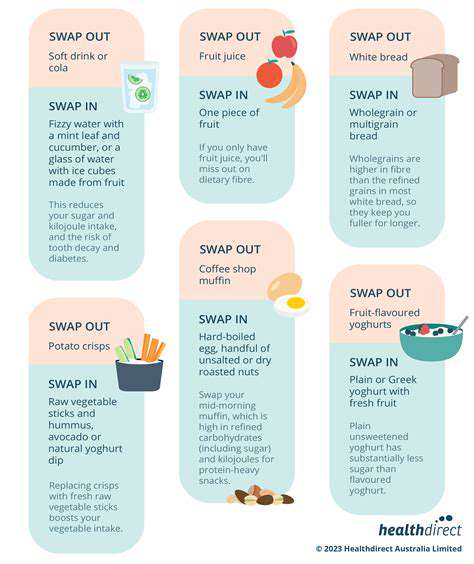
    Choosing high-fiber carbohydrate snacks can be beneficial during your weight loss journey. Foods like whole-grain rice cakes, oatmeal, or sliced veggies provide the energy needed while ensuring you feel full. They have a low glycemic index, meaning they release energy slowly, preventing sudden blood sugar spikes.

    For instance, snacking on a rice cake topped with almond butter and banana slices is both filling and nutritious. This snack not only marries healthy fats with complex carbs but also offers essential vitamins and minerals.

    Research shows consuming fiber can aid in weight control. The recommended daily intake is around 25 grams for women and 38 grams for men, making high-fiber snacks a strategic choice.

    Quick and Convenient Snacking Solutions

    In today's fast-paced world, the convenience of ready-to-eat snacks cannot be understated. Pre-packaged options like any low-calorie protein bars or packs of air-popped popcorn can serve as a quick, healthy choice. Always check labels to ensure they don't contain excessive added sugars or preservatives.

    Some individuals prefer to prepare their snacks ahead of time. For instance, portioning out hummus with sliced cucumbers or carrots can make it easier to stick to healthy eating throughout the week. This prep also eliminates the temptation to reach for less healthy options when hunger strikes.

    According to the USDA, preparation can directly lead to better dietary choices, which supports successful weight management.

    Combining Flavors for Nutritious Snacks

    Mixing flavors and textures can create exciting and satisfying snacks that support weight loss. For example, combining savory and sweet can lead to interesting combinations like apple slices with peanut butter or zucchini chips with guacamole. These pairings not only enhance taste but also add a variety of nutrients.

    Another great option is creating a trail mix using unsalted nuts, seeds, and a small portion of dried fruits or dark chocolate chips. This mix provides a great balance of healthy fats, proteins, and carbohydrates, making it both a satisfying and nutrient-dense choice.

    In fact, incorporating a diverse range of snacks can ensure you get a broader range of vitamins and minerals, making it easier to stick to a consistent and healthy eating pattern. Expert recommendations suggest including a mix of different food groups in your snacks to maximize nutrition.

    Read more about Budget Friendly Healthy Meals for Weight Loss
    Healthy Recipes for Busy Families
    May 03, 2025
    Managing Gestational Diabetes: A Guide for Expectant Mothers
    May 12, 2025
    Healthy Breakfast Ideas for Kids
    Jun 08, 2025
    How to Create a Healthy Environment for Sleep
    Jun 30, 2025
    Guide to Connecting Sleep Quality and Immune Health
    Aug 03, 2025
    Guide to Managing Irritable Bowel Syndrome (IBS) Through Diet
    Aug 06, 2025
    Understanding Stress Hormones and the Power of GratitudeStress hormones, primarily cortisol, play a critical role in how our body responds to stress. Elevated cortisol levels can lead to serious health issues, such as weight gain, hypertension, and weakened immunity, highlighting the importance of managing stress effectively. While cortisol assists in regulating metabolism and blood sugar levels, understanding its balance is vital for maintaining overall well-being. Recent research suggests a promising connection between gratitude practices and reduced cortisol levels. Engaging in gratitude can significantly mitigate the effects of stress, with studies showing that individuals who express appreciation regularly experience lower stress hormone concentrations. Simple acts, such as maintaining a gratitude journal or verbalizing thanks to others, not only boost mood but also provide a buffer against the adverse effects of stress. By shifting focus away from daily stressors, gratitude can profoundly influence both mental and physical health.In addition to cortisol, other stress hormones, such as adrenaline and norepinephrine, are activated during stressful situations to prepare the body for rapid responses. Understanding these hormones sheds light on our physical health and opens pathways for lifestyle changes that promote stress reduction. To effectively lower stress hormones, practices like regular physical activity, mindfulness meditation, and active gratitude expression have proven beneficial. Engaging in these activities can lead to lower cortisol levels, improve mood, and foster resilience against daily stress.Adopting a gratitude-focused lifestyle is an excellent strategy for managing stress. Research indicates that gratitude not only enhances emotional well-being but also leads to physiological improvements, including better sleep and a strengthened immune system. Maintaining a gratitude journal and participating in gratitude exercises can help individuals cultivate a positive environment and reinforce supportive social connections.The interplay between gratitude and stress hormones illustrates how mental and physical health are intertwined. Fostering a mindset of appreciation can serve as a practical approach to lower cortisol levels and enhance overall quality of life. By incorporating gratitude into daily routines, one can create a self-reinforcing cycle of positivity and resilience, ultimately contributing to a healthier and more fulfilling life.Explore the science behind stress hormones, their impact on health, and learn effective strategies for stress management through gratitude practices. Start transforming your life by embracing thankfulness today!
    Feb 27, 2026
    The Flavor Profiles of Vinegars and CitrusDiscover the versatile world of vinegars and citrus fruits, where flavor meets health benefits in every culinary creation. From light salad dressings to vibrant marinades, understanding the unique profiles and uses of these ingredients can take your low-calorie cooking to new heights. Understanding Different Vinegar TypesDive into the diverse landscape of vinegars—each brings its unique flavor to the table. Distilled vinegar, with its neutral profile, is a staple in countless recipes. Apple cider vinegar, known for its tang and health benefits, not only enhances flavors but also aids digestion. Meanwhile, balsamic vinegar offers a rich sweetness, perfect for drizzling over salads, while rice vinegar is favored in Asian cuisine for its mildness. Explore the depth that red and white wine vinegars can add to your dishes, enriching salads and marinades alike. Using Vinegars in Dressings and MarinadesVinegars are essential for crafting delicious dressings and marinades that enhance and tenderize your dishes without the extra calories. A classic vinaigrette made from vinegar, oil, and fresh herbs is not only refreshing but also low-calorie. Experiment with vinegar-to-oil ratios, typically 1:3, to find the perfect balance for your taste. Health Benefits of Different VinegarsAdding vinegar to your diet may offer surprising health benefits. Studies indicate that apple cider vinegar can assist in weight management and blood sugar regulation, making it a sought-after ingredient for health-conscious individuals. Balsamic vinegar, rich in antioxidants, can support heart health by reducing inflammation. Citrus: Brightening Up Your DishesCitrus fruits such as lemons, limes, and oranges can awaken flavors in your meals while providing essential vitamins. The acidity in citrus complements the tang of vinegar, creating a harmonious mix ideal for dressings and marinades. For example, a lemon vinaigrette can brighten up any salad, while an orange juice and balsamic vinegar combination amplifies sweetness without added calories. Creative Uses of Vinegar Beyond the KitchenVinegar is not only a culinary staple; its uses expand into home care and beauty. Its natural antibacterial properties make it an effective cleaning agent, perfect for eco-friendly households. Additionally, apple cider vinegar can be used as a natural hair rinse or skin toner, proving that this ingredient is truly multi-functional. Incorporating Vinegars and Citrus into a Low-Calorie DietUtilizing vinegars and citrus is a smart strategy for health-conscious cooking. These ingredients can enhance flavors without adding excessive calories, making them excellent substitutes for richer dressings. By swapping creamy dressings with vinegar-based ones, you can create fresh, satisfying flavors that align with your dietary goals. Final Thoughts on Flavorful, Low-Calorie CookingIncorporating both vinegars and citrus into your meals opens a world of culinary possibilities. From refreshing drinks to vibrant dressings, these ingredients can enhance flavors while maintaining a healthy profile. By exploring different combinations, you can craft unique dishes that don’t compromise on taste or nutritional value.Unlock the flavorful potential of vinegars and citrus in your kitchen today!
    Feb 27, 2026
    The Link Between Gratitude and Motivation in Fitness Explore How Gratitude Fuels Your Fitness Journey Understanding Gratitude's Role in FitnessGratitude is more than just a pleasant feeling; it serves as a powerful motivation enhancer in the realm of fitness. Individuals who practice gratitude report higher satisfaction levels and commitment to their fitness goals. By recognizing achievements—big or small—you create a positive feedback loop that alleviates frustration and stimulates further effort. Science Supports the Connection Between Gratitude and MotivationResearch has shown that individuals who express gratitude display increased happiness and resilience. This emotional strength equips them to tackle challenges, essential for long-term commitment to fitness goals. Embracing gratitude fosters a mindset that not only uplifts you emotionally but physically, promoting overall health. Setting Practical Fitness GoalsEstablishing clear, realistic objectives can significantly impact your motivation. Regular reflection on these goals, complemented by a gratitude practice, ensures you appreciate your progress along the journey. Acknowledging milestones, however minor, reinforces your commitment and propels you forward. Utilize Gratitude Journaling for Enhanced FocusKeeping a gratitude journal can transform how you engage with your fitness routine. Documenting daily achievements allows you to shift your focus towards the positives, serving as a motivational reminder in tougher times. It’s about creating a record of progress that celebrates persistence and resilience. Harness Community SupportEngagement with a supportive community amplifies the motivational effects of gratitude. Sharing your feelings with friends or mentors creates networks of accountability, solidifying your commitment to fitness goals. By expressing appreciation within these circles, you nurture a space that fosters collective motivation and perseverance. Transforming Setbacks into OpportunitiesSetbacks are an inherent part of any fitness journey. Embracing gratitude enables you to convert challenges into growth opportunities, reducing frustration and cultivating a resilient attitude. Recognizing the lessons learned from difficulties keeps motivation intact even as hurdles arise. Long-Term Benefits of GratitudePracticing gratitude offers long-lasting advantages that extend beyond mere motivation. It helps establish a sustainable fitness routine, enriching not just physical health but overall well-being. Integrating gratitude into your lifestyle creates a solid foundation that supports health commitment on all levels. Cultivating a Holistic Approach to WellnessUnderstanding holistic wellness fosters a multi-dimensional view of fitness. By integrating physical, mental, and social aspects, individuals can build a balanced lifestyle that supports sustained commitment. Emphasizing gratitude within this framework can lead to greater motivation and improved satisfaction in fitness endeavors. Mindfulness and ConsistencyIncorporating mindfulness allows for deeper engagement with fitness activities. This practice enhances self-awareness, leading to smarter choices during workouts. Tracking progress through journaling or apps provides visual motivation and signifies achievement, encouraging consistency. Building Sustainable Gratitude PracticesEstablishing simple gratitude routines, such as journaling or sharing appreciation before workouts, can create lasting impacts on discipline and commitment. When you express thankfulness for your body and capabilities, you naturally enhance your exercise experience, resulting in more consistent fitness habits.Explore how gratitude can revolutionize your approach to fitness, cultivating a mindset geared towards success and a healthier lifestyle. By adopting these principles, not only can you enhance your motivation but also enrich your overall fitness journey.
    Mar 06, 2026
    Symptoms, Causes, and TreatmentSacroiliac joint pain is a prevalent condition often resulting in discomfort localized in the lower back and buttocks. Recognizing the distinct symptoms, such as a deep aching sensation that may radiate to the legs, is essential for effective diagnosis and treatment. Individuals experiencing increased pain after prolonged sitting or standing should distinguish this condition from other lower back issues like sciatica. Common Causes of Sacroiliac Joint DysfunctionFactors contributing to sacroiliac joint dysfunction include injuries, degeneration, and inflammatory conditions. Traumatic incidents, such as falls, can misalign the joints, leading to pain and instability. Additionally, conditions like arthritis can deteriorate cartilage, intensifying discomfort. Pregnancy is another notable factor as hormonal changes can exert excessive stress on the pelvis, necessitating careful monitoring of symptoms during and after this period. Diagnostic TechniquesDiagnosing sacroiliac pain typically involves a thorough physical examination where healthcare providers assess joint mobility and tenderness. Specialized tests, like the FABER test, and imaging techniques such as X-rays or MRIs are often employed to rule out other underlying conditions. Lifestyle Factors Impacting Sacroiliac PainSedentary behaviors and poor posture significantly influence the severity of sacroiliac joint pain. Regular low-impact exercises like walking or swimming can improve flexibility and strengthen the muscles supporting the joint, thereby reducing discomfort. Maintaining a healthy weight is also crucial, as excess weight adds pressure to the pelvic region. Collaborating with healthcare providers on balanced diet and exercise plans can foster better recovery outcomes. Conservative TreatmentsConservative treatments commonly commence with physical therapy, including stretching and strengthening exercises to stabilize the pelvic area. Techniques like heat or ice therapy can provide immediate relief during flare-ups. Over-the-counter NSAIDs are effective for reducing inflammation, but discussing ongoing symptoms with a healthcare provider ensures tailored advice. Natural Relief OptionsMany individuals find relief through natural techniques. Acupuncture has gained traction for its ability to stimulate specific body points and release endorphins, which can mitigate pain. Incorporating anti-inflammatory foods, such as omega-3 rich fish and antioxidant-rich fruits, into your diet can enhance joint health. A combination of dietary and lifestyle changes often yields the best results. When to Seek HelpConsultation with a healthcare professional becomes necessary when experiencing acute pain that disrupts daily activities, persistent discomfort lasting weeks, or symptoms like numbness indicating potential serious issues. Signs of underlying conditions, such as fever or unexplained weight loss, should prompt immediate evaluation. Comprehensive AssessmentProfessional evaluation typically includes diagnostic imaging and an examination to determine the pain's root causes. Discussing the pain history in detail will allow healthcare providers to tailor treatment plans that effectively address both symptoms and underlying issues.By understanding the symptoms, causes, and treatment options for sacroiliac joint pain, individuals can take proactive steps towards management and recovery, ensuring improved quality of life.
    Mar 09, 2026
    This fiery spice contains capsaicin, known for its thermogenic properties, which help increase body temperature and calorie burn.2. Ginger: With its active compound, gingerol, ginger has been linked to heightened thermogenesis, making it a key ally in weight loss efforts.3. Turmeric: Rich in curcumin, turmeric not only adds vibrant color to your dishes but also assists in fat breakdown and formation reduction.4. Cinnamon: More than just a sweetener, cinnamon helps regulate blood sugar and improve insulin sensitivity, aiding your metabolism. Practical Ways to Include Spices in Your MealsAdding spices to your diet can be simple and delicious! Incorporate them into smoothies, oatmeal, or roasted vegetables to elevate flavor and metabolic benefits. Experiment with custom spice blends that resonate with your taste preferences, enriching both your meals and your weight loss strategy. Precautions When Using Spices for Weight LossWhile spices offer numerous benefits, it's essential to use them mindfully. Monitor your body’s reactions, start with small doses, and be aware of any potential interactions with medications. Consultation with healthcare professionals can provide personalized advice, especially if you have sensitivities or ongoing health concerns. Achieve Lasting ResultsRemember, spices are powerful allies but should accompany a balanced diet and active lifestyle. Sustainable weight loss is a gradual process, and while spices can aid your journey, they are not a replacement for healthy habits. By consistently integrating these spices into your diet and tracking your progress, you will enhance not only your metabolism but also your overall health.Embrace the flavorful journey of spices in your kitchen and kickstart your metabolism today!
    Mar 10, 2026
    The Science Behind Gratitude and Well-Being How Gratitude Enhances Mental HealthGratitude is a potent practice that significantly impacts our mental health. By acknowledging the positive aspects of life, individuals can experience increased happiness, better emotional resilience, and reduced symptoms of anxiety and depression. Research shows that regularly expressing gratitude, whether through journaling or verbally, can shift focus from negative experiences to positive ones, thus enhancing overall mental well-being. Scientific Evidence Numerous studies highlight the relationship between gratitude and lower stress levels. For instance, maintaining a gratitude journal has been linked to increased optimism and psychological wellness. This highlights the necessity of integrating gratitude into mental health practices for robust emotional resilience. Building Resilience Through Gratitude Gratitude serves as a critical buffer against life’s challenges. By fostering a sense of thankfulness, individuals cultivate stronger coping mechanisms, enabling them to navigate stress more effectively. As people engage in gratitude practices, they build relationships and community ties, further reinforcing their emotional strength. Practical Ways to Incorporate GratitudeIncorporating gratitude doesn't have to be complex. Simple actions like maintaining a gratitude journal—documenting daily positives—can have profound effects on mental health. Additionally, expressing gratitude to others can strengthen relationships and promote social bonds. Gratitude and Sleep QualityInterestingly, a connection exists between gratitude and improved sleep quality. Individuals who express gratitude experience better sleep, likely due to decreased negative thought patterns. Thus, integrating gratitude into your evening routine can contribute to restorative sleep, enhancing your overall well-being. Broader Societal Benefits When gratitude becomes a community practice, it fosters a positive societal environment. Communities and workplaces that embrace gratitude often exhibit stronger social ties, increased collaboration, and higher employee satisfaction. This collective gratitude culture positively impacts organizational dynamics and community engagement. Overcoming Challenges in Practicing GratitudeWhile gratitude practices are beneficial, challenges remain. Individuals may feel overwhelmed by negativity during tough times. Recognizing that it's okay to feel down while also identifying small moments of gratitude can help shift perspectives. The Link Between Gratitude and Physical Wellness Studies indicate that gratitude not only enhances mental health but also improves physical well-being. Grateful individuals often exhibit healthier lifestyles, engage in regular exercise, and report fewer health complaints. Adopting simple gratitude practices can catalyze a positive shift in health behavior. Creating a Gratitude-Oriented Community Surrounding yourself with a gratitude-valuing community can amplify its benefits. Engaging in group activities, discussions, or gratitude-sharing circles can reinforce positive habits, creating a supportive environment that fosters collective well-being. Conclusion Integrating gratitude into daily routines—through journaling, mindful practices, and community involvement—can significantly enhance both mental and physical health. By developing a consistent gratitude practice, individuals can enjoy lasting emotional resilience, improved relationships, and greater life satisfaction. Embrace gratitude as a powerful tool for well-being today.
    Mar 10, 2026
    View Publications>>

    Hot Recommendations