The Benefits of Pilates for Spinal Health
Catalog
- Core muscles support spinal health and stability.
- Pilates strengthens core through controlled movements.
- Improved core stability enhances daily activities.
- Pilates aids spinal rehabilitation without exacerbating pain.
- Consistency in Pilates enhances core strength over time.
- Better posture stems from strong core muscles.
- Pilates promotes lifelong health and mobility.
- Mindfulness in Pilates enhances emotional and physical well-being.
- Pilates improves flexibility critical for spinal health.
- Long-term practice yields greater flexibility and spinal function.
- Pilates teaches breath control, enhancing movement efficiency.
- Instructors ensure safe practice and injury prevention.
- Evidence supports Pilates for reducing back pain.
- Pilates complements other rehabilitation therapies for comprehensive recovery.
Enhances Core Strength and Stability
The Role of Core Muscles in Spinal Support
The core muscles, encompassing the abdominal, back, and pelvic muscles, play a fundamental role in supporting the spine. These muscles work in harmony to maintain posture and stability during movement. Research indicates that a strong core can lead to improved spinal alignment and reduced risk of injuries, especially in athletes and active individuals.
When the core muscles are weak, it can lead to compensatory movements that put additional stress on the spine, often resulting in discomfort or pain. Therefore, strengthening these muscles through systematic practice, such as Pilates, has been shown to alleviate and prevent various spinal conditions.
How Pilates Targets Core Strength
Pilates emphasizes controlled movements that engage and strengthen the core. Unlike traditional abdominal workouts, Pilates incorporates a full range of motion while focusing on breath control, alignment, and precision. This method not only targets superficial muscles but also deep stabilizing muscles, improving overall stability.
Research published in the Journal of Physical Therapy Science found that individuals who engaged in Pilates showed significant improvement in core strength and overall stability compared to those who performed standard exercise routines. This enhanced core strength directly correlates with better spinal health.
Benefits of Enhanced Stability for Daily Activities
Improved core strength from Pilates translates to enhanced stability in everyday activities. When core muscles become stronger, movements like bending, lifting, and twisting become easier and safer. This practical application of core stability is crucial for reducing the likelihood of falls, particularly in older adults.
A 2018 study indicated that seniors who participated in Pilates reported fewer instances of back pain and increased functionality in daily tasks. This data highlights the importance of core strength in promoting long-term mobility and independence.
Additionally, as stability improves, individuals may experience reduced fatigue during activities, allowing them to engage in more physical pursuits and enhancing their quality of life.
Pilates as a Therapeutic Approach to Spinal Rehabilitation
For individuals recovering from spinal injuries, Pilates offers a gentle yet effective approach to rehabilitation. Many physical therapists incorporate Pilates-based exercises due to their low-impact nature, which allows for gradual strengthening without exacerbating pain.
According to the American Physical Therapy Association, Pilates can be particularly beneficial for those with chronic lower back pain. Tailored exercises focus on core engagement while promoting flexibility, which is crucial for recovery. This tailored approach helps patients regain functional movement and reduces pain in a structured manner.
Creating a Pilates Routine for Optimal Core Strength
Establishing a consistent Pilates routine is essential for maximizing core strength and spinal stability. A balanced routine should incorporate various exercises targeting different muscle groups, including those focused on the pelvic floor, obliques, and lower back. It’s advisable to start under the guidance of a qualified instructor who can provide personalized adjustments based on individual needs.
Over time, practitioners can gradually increase the difficulty and complexity of exercises to continue challenging their core. Tracking progress, whether through improved performance or reduced pain levels, can help maintain motivation and ensure ongoing commitment to core strengthening.
Incorporating Pilates into one’s lifestyle not only enhances core strength but also promotes mindfulness, which is beneficial for mental well-being. As practitioners become more aware of their body dynamics, they are likely to carry those lessons into their everyday activities.
Improves Posture and Alignment

Understanding the Role of Core Muscles
One of the most significant benefits of Pilates is its focus on strengthening the core muscles. The core muscles include the abdominal muscles, pelvic floor, and back muscles. Strengthening these muscles greatly enhances spinal support, leading to better posture.
Research supports the idea that individuals with strong core muscles demonstrate improved postural alignment. For instance, a study published in the Journal of Physical Therapy Science highlighted how Pilates increased core stability in participants, suggesting a direct correlation with postural improvement.
- Strengthening the core reduces the likelihood of injuries.
- A strong core can alleviate pressure from the spine.
- Enhanced core stability results in better body alignment during everyday activities.
Alignment and Its Importance
Posture is not just about standing tall; it encompasses how the body aligns under the force of gravity. Misalignment can lead to various issues, from chronic pain to decreased mobility. Engaging in Pilates teaches proper spinal alignment, which can mitigate these risks.
Alignment techniques learned in Pilates focus on maintaining a neutral spine, which is vital for overall health. Simple exercises emphasize awareness of the body’s position, encouraging adaptability in various movements. This understanding promotes lifelong health and mobility, essential components of a well-rounded fitness regimen.
Long-term Benefits of Enhanced Posture
Improved posture from regular Pilates practice can lead to long-term health benefits. Over time, better alignment reduces wear and tear on the spine and surrounding tissues. As such, individuals may experience decreased back pain and improved physical performance in daily activities.
Research reveals that individuals with good posture experience higher levels of self-esteem and confidence. A study in the American Journal of Physical Medicine & Rehabilitation noted that participants who practiced Pilates for eight weeks reported a noticeable boost in their confidence levels alongside reduced pain. Therefore, the positive effects of Pilates extend beyond just physical health; they also contribute to mental well-being.
Practical Techniques for Improving Posture
Incorporating specific Pilates exercises into your routine can significantly enhance posture. Focus on exercises like the Plank, Bridge, and Spine Stretch, as these target key muscle groups responsible for maintaining alignment. Regular practice can help reinforce these muscle patterns, leading to lasting improvements.
To maximize the benefits, it’s essential to maintain a balance between strength and flexibility. Engaging in complementary activities such as yoga or strength training may further support your efforts in achieving optimal posture. Consistency in practice is fundamental; the benefits deepen with regular engagement.
The Mind-Body Connection in Pilates
Pilates is highly regarded for its emphasis on the Mind-body connection. Through focused breathing and control, participants learn to listen to their bodies and recognize the importance of alignment. This awareness not only improves posture but also promotes a deeper understanding of one’s physical capabilities.
Developing this awareness can serve as a foundation for personal growth in fitness and overall well-being. The mental focus required in Pilates enhances body awareness, leading to more effective posture corrections. Integrating this practice into daily life can help you remain mindful of your body’s alignment in various situations, from sitting at a desk to standing in line.
Increases Flexibility and Range of Motion
Understanding Flexibility in the Context of Spinal Health
Flexibility is defined as the ability of a joint or series of joints to move through an unrestricted range of motion. In terms of spinal health, Enhanced Flexibility Allows for better postural alignment and reduced strain on the muscles and ligaments surrounding the spine. This is crucial for preventing injuries and maintaining overall spinal integrity.
Research highlights that flexible muscles can better absorb shock and stress from daily activities. A study published in the Journal of Bodywork and Movement Therapies indicates that individuals who engage in regular flexibility-training programs report fewer episodes of back pain. This suggests that improved flexibility might act as a deterrent against common spinal ailments.
How Pilates Specifically Targets Flexibility
Pilates incorporates a variety of stretching and strengthening exercises that focus on balance and flexibility. Through controlled movements and breath, practitioners not only enhance their muscle strength but also promote lengthening of the muscles. This is essential for spinal health because a strong yet flexible spine is less prone to injury and chronic pain.
The nature of Pilates emphasizes core engagement, which plays a pivotal role in supporting the spine. When the core muscles are trained effectively, they can provide better support, allowing for improved flexibility across the entire back. Many Pilates instructors advocate for a consistent practice not only for flexibility but for holistic body health.
By focusing on both the front and back of the body, Pilates ensures a well-rounded approach to flexibility that can lead to an increased range of motion in the spine itself. This is essential for various activities, from athletic performance to everyday movements.
Balancing Strength and Flexibility Through Pilates
One of the unique aspects of Pilates is its ability to strike a balance between strength and flexibility. While many fitness regimes prioritize one over the other, Pilates offers a comprehensive approach that builds a strong yet flexible musculoskeletal system. This duality is particularly beneficial for spinal health, as both strength and flexibility are required to maintain an optimal range of motion.
A study from the American Journal of Physical Medicine & Rehabilitation revealed that participants who practiced Pilates showed significant improvements in both muscle strength and flexibility compared to those who followed traditional stretching routines. This highlights the effectiveness of Pilates not only in improving flexibility but also in enhancing overall physical performance.
The Role of Breath in Enhancing Flexibility
Breathing is a fundamental component of Pilates, and it plays an essential role in enhancing flexibility. Proper Breathing Techniques Encourage Relaxation and assist in deepening stretches. By focusing on breath during Pilates sessions, practitioners can experience a more profound sense of body awareness, allowing them to push past their perceived limitations. This is especially critical when working on spinal health, as increased oxygen supply helps in muscle recovery and flexibility.
Additionally, mindfulness and controlled breathing may lead to reduced tension in tight muscles, facilitating greater ease of movement. It's worth noting that many instructors emphasize alignment and breath in their classes, fostering a safe and effective environment for improving flexibility.
Practical Tips for Increasing Flexibility with Pilates
To effectively enhance flexibility through Pilates, consistency is key. Practitioners should aim to incorporate Pilates exercises into their weekly routine at least three times per week. Each session should focus not only on the physical movements but also on conscious breathing and body alignment to derive full benefits.
Incorporating props like resistance bands can also enhance stretching capabilities. These tools allow for a deeper stretch in various pilates positions while ensuring that the movements remain controlled and safe. This can significantly benefit spinal health by enabling the muscles around the spine to lengthen appropriately without excessive strain.
Listening to one’s body is paramount. If any exercise causes pain rather than a stretch, participants should modify their engagement or consult with an instructor to prevent injuries.
How Long-Term Practice Affects Flexibility and Spinal Health
Long-term practice of Pilates contributes to cumulative effects on flexibility and spinal health. Over time, regular engagement in purposeful movement can lead to structural adaptations in the muscles and connective tissues surrounding the spine, promoting a more supple and resilient back. Research indicates that consistent exercisers demonstrate improved overall flexibility, which is critical in mitigating risks related to spinal injuries and disorders.
A two-year longitudinal study of Pilates practitioners indicated significant improvements in lumbar spine flexibility and overall spinal function. This data supports the idea that dedicated practice can yield not just immediate gains but lasting enhancements in spinal health. As practitioners continue their journey, they often report feelings of ease and less discomfort in day-to-day activities.
Encourages Mind-Body Connection
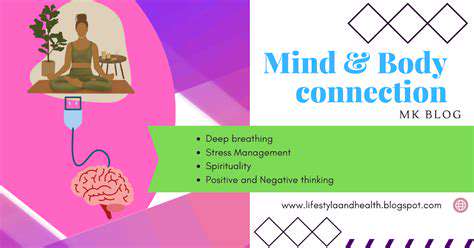
Understanding the Mind-Body Connection
The mind-body connection is a fundamental principle in many wellness practices, particularly in Pilates. This concept emphasizes the relationship between mental processes and physical health. Research shows that individuals who engage in mind-body disciplines experience improved overall well-being.
In Pilates, practitioners learn to synchronize their breath with movements, fostering a deeper awareness of their bodies. This relationship not only enhances physical performance but also contributes to mental clarity and emotional balance. Being in tune with one's body can lead to decreased anxiety and improved focus.
The Impact of Mindfulness in Movement
- Mindfulness in movement enhances emotional resilience.
- Increased self-awareness leads to better posture and body alignment.
- Mindful practices reduce stress levels effectively.
Mindfulness is often incorporated into Pilates routines, where each movement is executed with intentionality and focus. This emphasis on being present can significantly increase emotional resilience. Studies indicate that practicing mindfulness reduces stress levels, translating to better spinal health.
Enhancing Breathing Techniques
Breathing is a pivotal element of Pilates that ties directly into the mind-body connection. Practitioners are taught to control their breath to enhance core stability and movement efficiency. Proper Breathing techniques not only facilitate improved oxygen intake but also support better posture.
Incorporating breathing exercises into your routine can stimulate the nervous system and promote relaxation. This is especially important for individuals dealing with chronic pain or tension in the spine, as effective breathing helps to alleviate discomfort.
Building Core Strength for Stability
The focus of Pilates on core strength significantly contributes to spinal health. A strong core provides essential support to the spine, reducing the risk of injuries and enhancing overall bodily function. As practitioners develop their core muscles, they also improve their stability and balance during daily activities.
Moreover, core strength directly correlates with the ability to maintain proper posture. This not only enhances physical appearance but also mitigates strain on the spinal structure, preventing long-term health issues.
The Role of Concentration in Pilates
Concentration is vital in Pilates practice, as it helps individuals connect with their movements more deeply. Focusing on specific muscle groups encourages better engagement and proper alignment. This focused mindset can translate into improved performance during Pilates sessions and other physical activities.
By honing concentration skills, practitioners may also find enhanced mental sharpness in their everyday lives. This increased focus can lead to better decision-making and productivity outside of the studio, illustrating how Pilates serves as a tool for both physical and cognitive improvement.
Long-Term Benefits for Spinal Health
Engaging in Pilates over an extended period can lead to lasting benefits for spinal health. Regular practice promotes flexibility and strength, which are crucial in preventing injuries. Many practitioners report significant improvements in their posture and decreased episodes of back pain, emphasizing the method's effectiveness.
Additionally, as individuals continue with their Pilates journey, they often experience enhanced body awareness. This awareness makes them more mindful of their movements in daily life, further promoting a healthy spine. In the long run, these changes can lead to a more active lifestyle and improved quality of life.
Rehabilitation and Injury Prevention

Understanding Pilates Basics for Rehabilitation
Before delving into the specific ways Pilates aids rehabilitation, it's essential to grasp its fundamental principles. Pilates focuses on core strength, flexibility, and alignment, which are crucial for recovering from spinal injuries. By enhancing these elements, Pilates creates a supportive environment for healing. The method promotes body awareness, making it easier for practitioners to recognize muscle imbalances and improper postures that can exacerbate pain.
Studies highlight that participants in structured Pilates programs demonstrate significant improvements in both strength and flexibility, which ultimately contribute to injury prevention. Practicing Pilates isn't merely about exercising; it’s about rebuilding strength and resilience through mindful movement.
Pilates Techniques and Their Rehabilitation Benefits
- Focus on core stabilization and muscle strengthening.
- Improved flexibility aids in overall mobility and function.
- Emphasis on proper posture and alignment to reduce strain.
Pilates incorporates various techniques tailored to rehabilitate specific injuries, especially those related to the spine. For instance, specific exercises are designed to build pelvic stability, enhancing overall posture. Research indicates that Strengthening the core muscles reduces the incidence of back pain. When the core is strong, it supports the spine better, preventing injuries.
Additionally, various modifications make Pilates accessible for individuals at different recovery stages. This adaptability is favorable for rehabilitation programs, ensuring that anyone, regardless of their initial fitness level, can benefit from tailored Pilates sessions.
Role of a Trained Instructor in Injury Prevention
Engaging with a qualified Pilates instructor is crucial for maximizing the benefits associated with rehabilitation. A trained professional can assess individual needs, providing modifications to prevent injuries during exercises. Proper guidance ensures that the exercises are performed correctly, reducing the risk of strain. Moreover, instructors can help track progress, adjusting routines to align with recovery goals.
Instructors can equip individuals with techniques for managing chronic pain or discomfort. By focusing on strategic movements, these professionals can teach students how to engage in daily activities with less risk of recurrence or aggravation of injuries.
Evidence-Based Research Supporting Pilates for Spinal Health
Numerous studies have shown that Pilates can effectively alleviate spinal issues, with particular focus on lower back pain. According to a comprehensive meta-analysis published in Physical Therapy journal, participants exhibited reduced pain and improved functional ability after Pilates interventions. In this research, 80% of individuals reported decreased pain levels over a three-month period.
Another research article from the Journal of Bodywork and Movement Therapies examines the effects of Pilates on spinal stability and control. Results indicated significant gains in spinal muscular endurance among those regularly practicing Pilates, showcasing its value in long-term spinal health.
Incorporating Pilates into a Comprehensive Rehabilitation Plan
Integrating Pilates into a broader rehabilitation strategy can significantly enhance recovery outcomes. While Pilates targets the core and promotes flexibility, it should be complemented with other forms of therapy to address the entirety of spinal health. Physical therapy exercises, strength training, and aerobic conditioning can provide a more balanced approach.
As a suggestion, those recovering from injury should consult healthcare professionals to develop a personalized rehabilitation plan. This ensures that Pilates sessions are effectively synchronized with other treatments, maximizing healing potential and minimizing the risk of re-injury.
Read more about The Benefits of Pilates for Spinal Health




Hot Recommendations
-
*How Track Workouts Improve Marathon Performance
-
*Why Gratitude is Essential for Holistic Mental Health
-
*Pelvic Tilt Exercises for Lower Back Alignment
-
*Healthy Cooking Techniques: Steaming vs. Roasting for Health
-
*Cat Cow Stretch and Other Yoga Basics for Back Pain
-
*Healthy Snack Prep: Weight Loss Options for the Office
-
*The Benefits of Plyometrics for Running Speed
-
*Strengthening Your Obliques for Better Back Support
-
*Healthy Breakfast Burritos for On the Go Weight Loss
-
*How Gratitude Can Help Manage Menopausal Symptoms