Back Pain
Muscle Injury
Muscle Strain
Healing Process
Muscle Strain Relief
Rehabilitation Techniques
Rehabilitation
Back Health
Medical Intervention
Chronic Back Pain

Common Muscle Strains in the Back: Home Care Tips

Catalog

  • Back muscle strains are common injuries from overstretching or tearing muscle fibers.

  • Symptoms include localized pain, spasms, tenderness, and limited mobility.

  • Pain severity varies; distinguishing between sharp and dull pain aids assessment.

  • Functional impairments interfere with daily tasks and activities.

  • Seek medical attention for persistent or debilitating symptoms over two weeks.

  • Initial rest is crucial for healing; gentle movements prevent stiffness.

  • Recovery techniques include ice application, stretching, and proper hydration.

  • Non-pharmacological pain relief methods include cold therapy and posture adjustments.

  • Pharmacological options include OTC analgesics and prescription medications for severe pain.

  • Physical therapy promotes strength and flexibility for recovering back muscles.

  • Lifestyle modifications enhance long-term pain management and prevent future strains.

  • Gentle mobility exercises support healing without stress; core strengthening is essential.

  • Progressive strength training rebuilds endurance, preventing re-injury risk.

  • Stretching maintains elasticity, reduces chronic pain, and enhances overall posture.

  • Recognizing serious symptoms leads to prompt medical intervention for severe injuries.

  • Consult a healthcare provider for chronic pain or significant daily activity impacts.

Identifying Symptoms of Back Muscle Strains

Understanding the Nature of Back Muscle Strains

Back muscle strains are common injuries that occur when the muscle fibers are overstretched or torn, typically caused by lifting heavy objects incorrectly or sudden movements. While these strains can affect anyone, they are particularly prevalent among individuals engaging in physical labor or sports. According to the American Academy of Orthopaedic Surgeons, back strains account for a significant percentage of musculoskeletal injuries, highlighting their impact on daily activities.

Recognizing the nature of the injury is crucial for effective treatment. A muscle strain often presents with immediate pain and stiffness in the back, which can interfere with daily movements such as bending or twisting. Understanding the symptoms is the first step toward effective management and recovery, allowing individuals to seek appropriate care promptly.

Common Symptoms to Look For

Back muscle strains typically manifest as localized pain, which can vary in intensity. Symptoms often include muscle spasms, tenderness, and swelling in the affected area. Additionally, some individuals may experience limited mobility, making it difficult to perform routine tasks. It's essential to monitor these signs closely, as early intervention can significantly improve recovery outcomes.

Other potential indicators include pain that radiates to the legs or buttocks, which may signal nerve involvement. If symptoms expand beyond localized discomfort, seeking medical advice becomes imperative to rule out further complications. Awareness of these symptoms is key in preventing exacerbation of the strain and ensuring a swift recovery.

The Role of Pain and Discomfort

Pain is the most apparent symptom of a back muscle strain, often directly related to the severity of the injury. It can manifest as a sharp sensation during movement or a dull ache when at rest. Distinguishing between the two types of pain can aid in assessing the injury's extent. It's essential to note that the perception of pain may differ among individuals, influenced by factors such as overall health and pain tolerance.

Discomfort may also escalate when stress is placed on the back through common activities like sitting for extended periods or lifting heavy objects. This aggravation often serves as a warning sign to mitigate further strain. Acknowledging these discomfort thresholds can help prevent the development of chronic issues, emphasizing the importance of listening to one's body.

Functional Impairments Associated with Strains

Individuals suffering from back muscle strains frequently encounter functional impairments, which can severely hinder daily activities. Tasks such as lifting, standing up from a seated position, or even turning in bed may become challenging. A 2017 study published in the Journal of Orthopaedic Research showed that people experiencing back strains reported significant limitations in their ability to perform basic daily tasks.

When to Seek Medical Attention

While many back strains can be treated at home with rest and basic home care techniques, certain symptoms should prompt an immediate visit to a healthcare provider. If pain persists for more than two weeks, or if debilitating symptoms such as numbness or weakness in the legs develop, it is vital to Seek medical attention. Additionally, signs of severe swelling, bruising, or an inability to engage in regular movement may indicate a more serious injury.

Consultation with a professional ensures proper assessment and may include imaging tests if necessary. This proactive approach not only aids in effective treatment but also helps in avoiding long-term complications related to untreated back muscle strains.

Initial Rest and Recovery Techniques

Understanding the Importance of Initial Rest

When dealing with a back muscle strain, Initial Rest is crucial to prevent further injury and allow the body to begin its healing process. Studies have shown that resting the affected area can significantly reduce inflammation and pain, making recovery smoother. Generally, for muscle strains, a rest period of 24 to 72 hours is recommended, depending on the severity of the strain. During this period, avoiding activities that exacerbate pain is essential.

Resting doesn't mean you should become completely sedentary. Gentle movements, such as walking, can promote blood flow and help keep the muscles from becoming too stiff. It's a fine balance—know your limits and listen to your body. For instance, if you're finding it difficult to perform simple daily tasks, it may be a cue to take a bit more time to relax and allow your body to heal adequately.

Effective Recovery Techniques Following Initial Rest

After the initial rest period, implementing Recovery Techniques can further facilitate healing. One effective method is applying ice to the strained area for 20-minute sessions several times a day. According to the American Academy of Orthopaedic Surgeons, ice can reduce swelling and numb the pain, providing a much-needed relief during the early recovery phase. Another important technique is the application of heat after the first few days of rest, which can help promote blood flow to the area and loosen tight muscles.

Incorporating light stretching and strengthening exercises, recommended by physiotherapists, can also be beneficial as the healing progresses. As the strain begins to heal, gentle stretches may aid in restoring range of motion and functionality. However, it's vital to consult with a healthcare professional before starting any exercise regimen to ensure it’s appropriate for your specific condition. Each recovery trajectory is unique, and personalized guidance can make all the difference.

Additionally, proper hydration and nutrition play significant roles. Ensuring sufficient fluid intake and consuming foods rich in vitamins C and E can support the body’s healing processes. Adopting these recovery techniques leads to a more comprehensive approach toward back muscle strain rehabilitation and promotes long-term health.

Pain Management Strategies
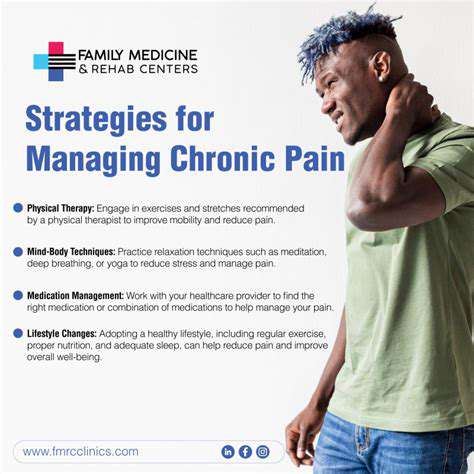
PainManagementStrategies

Non-Pharmacological Approaches for Muscle Strain Relief

When managing common muscle strains in the back, non-pharmacological methods are often the first step in home care. Techniques such as applying cold packs within the first 48 hours help reduce inflammation and numb the affected area. After the initial swelling subsides, switching to heat therapy can improve blood flow and accelerate healing. Regular gentle stretching and low-impact exercises like walking or swimming are recommended, as immobilization can actually prolong recovery time by causing muscle stiffness.

Research consistently supports Alternating cold and heat treatments to maximize pain relief and promote tissue repair. Additionally, maintaining proper posture during daily activities reduces unnecessary strain on injured muscles, which is crucial for preventing further aggravation.

Pharmacological Options for Managing Back Muscle Strain Pain

  • Over-the-counter (OTC) analgesics
  • Nonsteroidal anti-inflammatory drugs (NSAIDs)
  • Topical analgesics and creams
  • Prescription medications (in severe cases)

OTC options like acetaminophen and NSAIDs such as ibuprofen are widely recommended for controlling pain and inflammation related to back muscle strains. NSAIDs are particularly effective because they not only reduce pain but also target the inflammatory response, which is a primary cause of discomfort. Topical analgesics offer localized relief by directly affecting muscle tissue without systemic side effects. While stronger prescription drugs are rarely needed for typical strains, they may be prescribed if pain is severe or persistent.

Physical Therapy and Rehabilitation Techniques

Engaging in Physical therapy post-injury helps restore strength, flexibility, and function to strained back muscles. A tailored rehabilitation program often includes manual therapy, targeted strengthening exercises, and neuromuscular re-education. These interventions are designed to correct movement imbalances and prevent recurrent strains. Studies show that patients who adhere to prescribed physical therapy regimens experience faster recovery times and reduced rates of chronic back pain.

In addition, therapists may incorporate modalities such as ultrasound and electrical stimulation to enhance muscle healing and reduce pain. Working with a professional ensures safe progression, minimizing risks that come from premature or improper exercise.

Lifestyle Modifications to Support Long-Term Pain Management

  • Regular exercise to maintain muscle strength
  • Ergonomic adjustments at work and home
  • Weight management to reduce mechanical stress
  • Stress reduction techniques

Beyond immediate treatment, long-term back health relies on consistent lifestyle adjustments. Keeping active strengthens core muscles that support the spine, lessening the likelihood of future strains. Making ergonomic changes, like using lumbar support chairs or adjusting computer screen height, reduces strain during prolonged sitting. Maintaining a healthy weight decreases pressure on the lower back, which is critical to preventing ongoing discomfort or injury. Additionally, managing stress through mindfulness or breathing exercises can have a direct impact on muscle tension and pain perception. These combined strategies play a significant role in sustaining pain relief and enhancing quality of life.

Exercises for Strengthening and Rehabilitation

Initial Mobility Exercises to Promote Gentle Movement

In the early stages of back muscle strain recovery, it’s crucial to incorporate Gentle Mobility Exercises that encourage blood flow without stressing the injured tissues. Simple pelvic tilts and knee-to-chest stretches can safely increase flexibility and reduce stiffness. For example, research published in the Journal of Orthopaedic & Sports Physical Therapy highlights that controlled movements help prevent scar tissue adhesion, facilitating better healing. Starting with low-impact motions minimizes the risk of aggravating pain while laying the foundation for further strengthening.

Core Stabilization Workouts for Supporting the Spine

Strengthening the core muscles is essential for providing stability to the lumbar region and protecting against future strains. Focusing on exercises that activate the transverse abdominis and multifidus muscles, such as modified planks or abdominal bracing, can significantly enhance spinal support. A study from Physical Therapy in Sport indicated that patients who integrated core stabilization into rehabilitation saw improved functional outcomes and reduced recurrence rates. When performing these exercises, emphasize slow, controlled contractions over quantity to avoid unnecessary loading of injured tissue.

It's also beneficial to tailor these workouts to individual capabilities, gradually increasing intensity based on pain tolerance and progression. Avoid rushing through exercises, as overexertion can hinder the healing process. Consulting a physical therapist for personalized core routines adds value and effectiveness to recovery.

Progressive Strength Training to Rebuild Muscle Endurance

Once pain subsides and mobility is restored, progressive strength training targeting the paraspinal muscles is the logical next step. Using resistance bands or light weights, patients can perform back extensions and rows to rebuild muscular endurance critical for daily activities. Clinical guidelines from the American Academy of Orthopaedic Surgeons recommend starting with low resistance and high repetitions, gradually increasing weight as tolerance improves to minimize re-injury risk. This phase demands close monitoring of form and symptom response.

Integrating unilateral exercises can also help address muscle imbalances commonly associated with back strains. Additionally, incorporating rest breaks and cross-training with low-impact activities like swimming can facilitate balanced rehabilitation without overloading the lumbar region.

When in doubt, working with a certified trainer or physical therapist specializing in spinal health ensures exercises are effective and safe, accelerating the return to normal function.

Flexibility and Stretching Techniques for Long-Term Resilience

Stretching is a key component in preventing recurring back muscle strains by maintaining tissue elasticity and allowing full range of motion. Targeted stretches for hamstrings, hip flexors, and lower back muscles can relieve tension and improve overall posture. Evidence from a 2022 meta-analysis in the Journal of Rehabilitation Medicine suggests that consistent stretching protocols reduce the incidence of chronic back pain and contribute to better functional performance. Holding stretches for at least 30 seconds and avoiding bouncing movements maximizes benefits.

Incorporating mindful breathing with stretching can also help reduce muscle guarding, a common cause of persistent discomfort. For people with a history of back strains, making these flexibility exercises part of a regular routine—not just during recovery phases—is a smart preventive strategy.

Overall, balancing strength, mobility, and flexibility within a rehabilitation plan offers the best chance for lasting relief from back muscle strain symptoms while enhancing quality of life.

If you’re new to these exercises, start slowly and prioritize pain-free movement. A gradual, well-structured approach makes a noticeable difference in both recovery speed and long-term back health.

When to Seek Medical Attention

Recognizing Serious Symptoms

It is crucial to be vigilant for signs indicating a more severe condition requiring medical intervention. If you experience symptoms such as persistent pain that does not improve with rest or over-the-counter pain relief, it may signal a more complex injury, such as a herniated disc. Further, numbness, tingling, or weakness in your limbs is often indicative of nerve involvement and warrants immediate medical evaluation. The onset of these symptoms necessitates not simply a wait-and-see approach but a professional assessment to determine the underlying cause.

In addition, if back pain follows an injury or trauma—like a fall, car accident, or sports mishap—it is vital to consult a healthcare provider. Trauma can lead to fractures or ligament injuries, and disregarding acute pain after such incidents poses serious risks. The urgency in seeking medical attention can be the difference between a minor issue and a significant disabling condition, making early intervention essential.

When to Consider Professional Consultation

Individuals suffering from chronic back pain that persists for several weeks should prioritize consulting a healthcare provider. The American Academy of Family Physicians suggests that if discomfort lasts beyond six weeks, it may warrant examination to explore treatment options, which could range from physical therapy to medication management. Additionally, consider an appointment if you notice other troubling symptoms, such as weight loss, fever, or bladder control issues.

It's also advisable to seek care when your back pain significantly impacts your daily activities. If simple tasks like walking, sitting, or lifting become increasingly painful, it’s a clear indicator that professional guidance is needed. Remember, prioritizing your health and alleviating pain not only improves quality of life but also prevents the issue from worsening over time.

Read more about Common Muscle Strains in the Back: Home Care Tips
Causes, Solutions, and Recovery StrategiesLower back pain is a common issue that affects many athletes, impacting performance and overall health. Understanding the causes and implementing effective solutions is crucial for athletes looking to manage or prevent this type of pain. Common Causes of Lower Back Pain Biomechanical FactorsAthletes often experience lower back pain due to biomechanical issues related to their specific sports. Repetitive motions in activities like running, cycling, and weightlifting can lead to muscle imbalances and increased strain on the lumbar region. Poor technique can exacerbate these problems, making proper form essential. Additionally, core strength and flexibility are vital in supporting the lower back. Strengthening core muscles helps to stabilize the spine and reduce injury risk. Training Load and RecoveryTraining load plays a significant role in lower back pain. Overtraining without sufficient recovery leads to cumulative fatigue, heightening injury risk. A balanced approach to training, known as periodization, helps athletes optimize performance while reducing the likelihood of injury. Implementing structured recovery routines, including rest, hydration, and muscle-relaxing techniques, aids in effective recovery. Psychological FactorsMental health also influences pain perception. Anxiety and fear of re-injury can worsen the experience of pain. Addressing these psychological elements through cognitive-behavioral strategies, mindfulness, and relaxation techniques can help athletes manage discomfort more effectively. Targeted Exercises for Prevention and Relief StretchingIntegrating targeted stretching routines can improve flexibility and reduce lower back pain. Stretches that focus on the muscles surrounding the lower back, including hamstrings and hip flexors, enhance muscle elasticity and lower injury risk. StrengtheningCore strengthening exercises, such as planks and bridges, are vital in supporting the spine and alleviating lower back strain. Resistance training focusing on the lower back, like deadlifts while maintaining proper form, also promotes spine resilience. The Role of Physical TherapyPhysical therapy offers a variety of techniques to alleviate lower back pain. Approaches such as manual therapy, targeted exercises, and education on proper biomechanics are effective. A tailored exercise rehabilitation program, complemented by proprioceptive training, can further enhance recovery. Recovery ModalitiesIncorporating recovery modalities into an athletic regimen is essential. Techniques like cryotherapy and compression therapy can accelerate recovery and reduce inflammation. Posture and ErgonomicsImproving posture is vital for athletes to prevent lower back pain. Optimal alignment minimizes strain during physical activities and enhances overall performance. Using ergonomic equipment and conducting regular posture assessments can reinforce good habits and prevent injuries. ConclusionBy understanding the multifactorial nature of lower back pain in athletes and implementing targeted prevention strategies, strength training, recovery modalities, physical therapy, and maintaining proper posture, athletes can significantly enhance their performance and longevity in their sports. Continuous monitoring and adjustments to training and recovery plans will further support their journey to optimal health.
Mar 02, 2026
- Reduction in muscle tension and pain.- Enhanced mobility and range of motion.- Prevention of future injuries.Research has shown that MFR addresses both physical and emotional stress stored within the fascia, promoting a holistic approach to pain relief. Patients often report not only immediate relief but also lasting improvements in their overall well-being and functionality. Scientific Support for Myofascial ReleaseNumerous clinical studies support the efficacy of MFR in treating musculoskeletal pain. In particular, research published in the Journal of Bodywork and Movement Therapies demonstrated significant reductions in lower back pain among participants who received MFR compared to traditional therapies. Furthermore, ongoing research indicates that MFR can stimulate the vagus nerve, which may enhance relaxation and provide longer-lasting relief for chronic pain conditions. Self-Myofascial Release TechniquesIn addition to professional treatments, self-myofascial release can be an effective way to manage lower back pain at home. Common tools include foam rollers and massage balls. Techniques involve applying pressure to tight or tender areas, focusing on promoting relaxation and relieving tension. A consistent practice of 10-15 minutes daily can lead to noticeable improvements in mobility and pain management. When to Consult a ProfessionalWhile self-myofascial release can be beneficial, it’s essential to seek professional guidance if pain persists or escalates. Consult a healthcare provider or certified MFR therapist, especially if you experience unusual symptoms or have underlying health conditions such as osteoporosis or pregnancy. A professional can offer targeted treatment tailored to your needs. Integrating Myofascial Release into Your Wellness RoutineFor individuals with chronic lower back pain, incorporating MFR into a wellness routine can be a proactive health strategy. Working with a qualified therapist and complementing MFR with exercises like stretching or yoga can enhance overall well-being. This holistic approach ensures the comprehensive management of lower back health through diet, hydration, and mental wellness. Conclusion Myofascial Release offers a promising solution for those struggling with lower back pain. By understanding its techniques and integrating them into your routine, you can achieve significant pain relief and improve your quality of life. Always listen to your body, stay informed, and seek professional help when necessary to ensure safe and effective treatment.
Mar 05, 2026
A Comprehensive Guide to Relief and Healing What is Spinal Decompression?Spinal decompression refers to a non-surgical therapeutic approach aimed at relieving unwanted pressure on the spine, particularly targeting the intervertebral discs. By creating a negative pressure within these discs using specific traction techniques, spinal decompression allows bulging or herniated discs to retract into their proper positions. This process invites essential nutrients and fluids back into the discs, facilitating healing and reducing discomfort associated with conditions like chronic back pain.Research shows that spinal decompression can be remarkably effective, with studies revealing over 70% of patients report significant pain relief following treatment. With insights gathered from reputable journals, this therapy not only alleviates pain but also actively supports long-term spinal health. Effective Home Techniques for Spinal DecompressionMany individuals seek to incorporate spinal decompression methods into their home routine for convenience and cost-effectiveness. One of the primary techniques is inversion therapy, which involves using an inversion table to create space between vertebrae, reducing nerve compression and enhancing blood flow. Regular usage has been shown to provide substantial relief, making this technique popular among those dealing with back issues.In addition to inversion therapy, simple stretching exercises such as the cat-cow stretch and child’s pose can be effective in promoting spinal elongation and alignment. These exercises engage core muscles while reducing tension in the spine. It’s important to consult healthcare professionals when attempting new exercises, especially for those with pre-existing spinal conditions. Understanding the Science Behind Spinal DecompressionSpinal decompression operates on a fundamental principle of creating negative pressure within the disc space to improve nutrient flow to the intervertebral discs. By alleviating pressure on spinal nerves, the therapy can effectively reduce inflammation and pain caused by conditions like sciatica or radiculopathy. Scientific studies reinforce the efficacy of spinal decompression techniques, highlighting the importance of personalized treatment plans to optimize patient outcomes. Benefits of At-Home Spinal DecompressionOne of the primary advantages of performing spinal decompression at home is its accessibility. Individuals can seamlessly integrate decompression exercises into their daily activities, avoiding frequent clinic visits. Research indicates that those who actively engage in consistent home practices achieve better long-term results.However, safety should remain a top priority. Individuals are encouraged to consult healthcare professionals to tailor their approach according to their specific conditions. Potential risks, such as severe osteoporosis or spinal fractures, should always be assessed before starting any at-home therapy. Recommended Exercises and ToolsEffective at-home spinal decompression can involve various exercises, including hanging techniques using a pull-up bar, yoga poses like Downward Dog, and targeted stretching to relax back muscles. Incorporating professional-grade tools, such as spinal decompression machines, can augment your decompression efforts, while custom-fit braces can ensure proper posture during daily activities.Staying informed about emerging trends in spinal health management, including smart devices and virtual reality therapies, can enhance the effectiveness of self-care practices. In conclusion, spinal decompression offers a multifaceted approach to managing back pain and improving spinal health. By understanding the underlying mechanisms and various techniques, individuals can take proactive steps towards achieving and maintaining a pain-free life.
Mar 06, 2026
The Foundation of ComfortRiding a bike should be a pleasurable experience, yet many cyclists face discomfort due to improper bike fit. An essential aspect of achieving comfort while cycling is understanding how to properly adjust your saddle height and handlebar position. This guide explores these critical elements, along with the role of padded shorts and supportive footwear, to enhance your cycling experience. Importance of Proper Saddle HeightGetting your saddle height right is key to a pain-free ride. A saddle that's too high can strain your lower back, while one that’s too low hinders leg extension. The goal is to set your saddle so that when you sit on it, your heel just touches the pedal at its lowest point, allowing for a slight bend in your knee. Regularly checking your saddle height can help reduce knee injuries and back pain, enhancing your cycling efficiency. Handlebar Positioning and Its EffectsDon’t underestimate the significance of handlebar height and reach. The right handlebar position can alleviate lower back stress and provide a more natural grip. A higher handlebar promotes an upright posture, while a lower handlebar can strain your arms and back. Small adjustments can lead to significant improvements in comfort—don't hesitate to consult a professional if needed. Finding the Perfect Handlebar HeightHandlebar height critically affects spinal alignment and comfort. Cyclists who adjust their handlebars to the appropriate height reduce back strain, allowing for longer rides. A general guideline is to adjust handlebars at or just below saddle height for road cycling. Using simple tools, like a tape measure, you can experiment with different heights to find the best fit for your riding style. Choosing Padded Shorts and Supportive FootwearInvesting in padded shorts significantly enhances riding comfort by minimizing pressure on sensitive areas. Research shows that those wearing padded shorts experience less discomfort. Similarly, supportive footwear plays a vital role in maintaining proper alignment. Look for cycling shoes that offer good arch support and adjustable features for custom fit. Strengthening Exercises for a Stronger BackCore strength is fundamental for preventing back pain while cycling. Incorporating exercises like planks, deadlifts, and stretch routines can significantly improve your cycling experience. Additionally, maintaining flexibility through stretching can alleviate lower back tension and enhance overall mobility, contributing to a more enjoyable ride. Creating a Balanced Exercise RoutineAn effective exercise program should combine strength training, flexibility work, and aerobic activities like cycling. Regularly performing exercises tailored to your needs helps build a strong back and reduces the risk of injury. Consistency is crucial, so aim to exercise three to four times weekly for optimal results. ConclusionFinding the right bike fit and adopting proper cycling gear can dramatically improve your comfort and performance on the road. By paying attention to saddle height, handlebar adjustments, and investing in supportive clothing and exercise routines, cyclists can enjoy pain-free rides that enhance their overall cycling experience.
Mar 09, 2026
Enhance Your Core Stability and Functional Strength with Deadlifts Understanding the Power of DeadliftsDeadlifts are often heralded as a fundamental exercise for building core stability and overall strength. Engaging a multitude of muscle groups, including the glutes, hamstrings, and lower back, deadlifts promote essential coordination and balance. Research highlights that maintaining core activation during deadlifts not only improves performance but also significantly reduces injury risk. By ensuring that the core remains engaged throughout the lift, individuals can achieve substantial improvements in postural stabilization and functional strength. Integrating Deadlifts into Your Fitness RoutineTo maximize the benefits of deadlifts, it is essential to incorporate them into a well-rounded workout schedule. Whether you are a beginner or a seasoned athlete, starting with lighter weights will help you focus on proper form. As you build confidence and strength, gradually increasing the weight will foster continued improvement. Experts suggest performing deadlifts at least twice a week to observe noticeable gains in core stability over time.Consider exploring variations like sumo and Romanian deadlifts, which target different muscle groups while reinforcing core stability. Seeking guidance from a certified trainer can ensure you develop a personalized workout plan that aligns with your goals and safety. Improving Posture Through DeadliftsGood posture is foundational for spinal health, with poor alignment often leading to chronic discomfort and reduced mobility. Deadlifts play a crucial role in enhancing posture by engaging the posterior chain and core stabilizers. Correctly executed, deadlifts reinforce proper spinal alignment, contributing to long-term spinal health and functional strength.Incorporating flexibility exercises focusing on the hip flexors and hamstrings alongside deadlifts can further improve your posture by alleviating tightness. Daily habits, such as maintaining an ergonomic workstation and practicing mindfulness about posture in daily activities, are also critical in ensuring a healthy spine. Functional Strength for Everyday ActivitiesFunctional strength is vital for performing daily tasks efficiently and safely. By targeting multiple muscle groups, deadlifts are an excellent exercise for enhancing this strength, making it easier to engage in everyday activities like climbing stairs or lifting heavy objects. Incorporating deadlifts into your fitness regimen not only boosts core stability but also improves grip strength and reduces the risk of lower back injuries. Supporting Rehabilitation and Injury PreventionDeadlifts are not only beneficial in strength building; they can also play a vital role in rehabilitation and injury prevention. When executed with proper form, deadlifts aid in stabilizing the spine and support overall muscle strength. Individuals recovering from lower back injuries can safely integrate modified deadlifts into their programs, promoting strength and mobility with controlled exposure to weight-bearing activities.Consulting with healthcare professionals before starting a deadlift routine for rehabilitation is crucial in tailoring the program to individual needs, ensuring safety and effectiveness. ConclusionDeadlifts stand out as a comprehensive exercise for enhancing core stability, improving posture, and increasing functional strength. By mastering this fundamental movement and integrating it into your routine, you can achieve significant improvements in your physical capabilities while reducing the risk of injury. Whether for functional performance in daily life, rehabilitation, or athletic training, deadlifts are a valuable addition to any fitness regimen.
Mar 10, 2026
The Benefits of Deep Squats for Your BackDeep squats are a cornerstone of effective fitness training, offering numerous benefits for back health. This comprehensive guide explores how deep squats strengthen your core, support spinal alignment, and prevent injuries—all paramount for both athletes and fitness enthusiasts. Engage Your CoreOne of the key advantages of deep squats is their ability to engage and strengthen the core muscles. This engagement ensures stability during the squat, reducing the risk of injury. Proper form, such as maintaining a straight back and an elevated chest, maximizes core activation. As you progress in your depth, you may notice enhanced overall strength and stability. Enhance Spinal HealthDeep squats also contribute positively to spinal health. By properly executing this exercise, individuals can improve spinal alignment and stabilize surrounding muscles, which helps prevent injuries. However, it’s crucial to master proper techniques to avoid placing undue stress on the lower back. Compare Deep vs. Shallow SquatsShallow squats provide less muscular activation compared to deep squats. Research shows that deeper movements more effectively engage the glutes, hamstrings, and quadriceps, leading to better muscle hypertrophy and functional strength. If you’re aiming to boost flexibility and mobility, deep squats are the superior choice over shallow variations. Safe Integration into Your RoutineIncorporating deep squats into your fitness regimen should focus on safety and proper technique. Gradually begin with bodyweight squats to hone your form before adding weights. Warming up with dynamic stretches and incorporating mobility drills can also significantly improve your squat depth and safety. Long-Term AdvantagesFor both athletes and casual gym-goers, deep squats offer long-term benefits like improved functional movement patterns and lower body strength crucial for sports performance. Studies have shown that athletes who include deep squats in their training can achieve greater gains in explosive powers, such as vertical leaps and sprint times. Injury PreventionWhile deep squats are beneficial, they can also lead to injuries if not performed correctly. Common issues stem from improper form and muscle imbalances which can strain the lower back. Prioritize warm-ups and resistance training to fortify essential stabilizing muscles to minimize these risks. Performing Deep Squats ProperlyTo execute deep squats effectively, start by standing with your feet shoulder-width apart, ensuring a neutral spine. As you squat, keep your chest elevated and engage your core to provide stability. Incorporate a dynamic warm-up routine to prepare your muscles and joints before commencing deeper movements. Accessory Work for Back HealthIn addition to deep squats, including accessory exercises like rows, pull-ups, and hyperextensions in your workout routine can further enhance back health. These movements target smaller muscles and help in promoting balance and stability, critical for injury prevention during heavy lifts. ConclusionDeep squats are not just an essential strength-training exercise; they are a pathway to building a robust and injury-resistant back. By understanding the techniques and implications of deep squats and their role in overall fitness, you can significantly improve both your athletic performance and daily functional movements. Remember to consult with a professional to optimize your form and ensure safety as you incorporate deep squats into your training.
Mar 13, 2026
An OverviewObesity significantly impacts spinal health by altering alignment and biomechanics. Extra weight, especially around the abdomen, shifts the center of gravity forward, leading to conditions like anterior pelvic tilt and abnormal lumbar curvature. Over time, these issues may lead to structural misalignments and chronic back pain. Research from the *Spine Journal* establishes a strong correlation between higher body mass index (BMI) and the likelihood of spinal deformities. Consequences of Excess Weight on Spinal MechanicsCarrying excess weight not only affects spinal alignment but also places pressure on intervertebral discs. Increased body mass raises intradiscal pressure, accelerating degeneration and increasing the risk of herniated discs and radiculopathy — conditions that can cause radiating pain. A study from the *Journal of Orthopaedic Research* emphasizes the importance of weight management in preserving spinal health and nerve function. The progression of obesity alters spinal mechanics, leading to complications such as lordosis or kyphosis. Research indicates that even minor weight increases can significantly shift spinal curvature, highlighting the importance of maintaining a healthy weight. Strategies for Spinal Health MaintenanceTo combat the adverse effects of obesity on spinal health, individuals are encouraged to adopt a holistic approach that includes:1. Regular Exercise: Incorporating low-impact activities like swimming and cycling can strengthen spinal-supporting muscles without causing strain. Core-strengthening exercises like planks and bridges are also essential for stabilizing the spine.2. Balanced Nutrition: A nutrient-rich diet that includes calcium and vitamin D supports bone health. Staying hydrated is crucial for maintaining optimal disc function and spinal mobility.3. Posture Awareness: Being mindful of posture while sitting, standing, or lifting can prevent further spinal damage; ergonomic adjustments in the workplace can also support proper alignment.4. Professional Guidance: Consulting healthcare professionals, including physical therapists and dietitians, can tailor treatment plans, monitor progress, and motivate individuals on their journey towards better health. Addressing Chronic Pain and Reduced MobilityChronic pain is often exacerbated by obesity. The interplay between weight, pain, and mobility creates a cycle that can hinder physical activity and lead to further discomfort. Engaging in regular physical activity can improve both mobility and pain perception, gradually breaking this cycle. Moreover, considering the psychological aspects of chronic pain and obesity, integrating mental health support into treatment plans may improve overall outcomes. ConclusionUnderstanding the relationship between obesity and spinal health is crucial to promoting long-term well-being. By addressing weight management, maintaining spinal alignment, and seeking professional support, individuals can significantly reduce their risk for chronic conditions associated with obesity. Embracing proactive strategies today can lead to a healthier spine and improved quality of life in the future.
Mar 13, 2026
- Leg Swings: Improve hip flexibility and mobility.- Torso Twists: Enhance spinal mobility and prepare the core.- Knee Hugs: Stretch the lower back while improving balance.Integrating these movements into your routine not only increases core temperature but also prepares necessary muscle stabilizers against injury. Timing and Frequency for Maximum BenefitPerform your dynamic warm-up 15 to 30 minutes before your primary workout. This timing allows your heart rate to elevate adequately, activating muscle groups without inducing fatigue. Incorporating these warm-ups into every workout session is especially critical for activities involving significant physical exertion. Conclusion and RecommendationsIn conclusion, dynamic warm-ups are indispensable for anyone looking to enhance their performance while minimizing the risk of injuries, particularly back pain. Tailoring your warm-up routine to match the specific demands of your workout leads to better results and a safer exercise experience. Make dynamic warm-ups a non-negotiable part of your workout regimen. Not only will you improve your athletic performance, but you will also invest in your long-term health and well-being. Commit to this crucial aspect of your fitness journey today, and experience the benefits of a thorough warm-up routine.
Mar 18, 2026
Enhance Your Back HealthThe Cat-Cow stretch is a dynamic yoga pose that offers a multitude of benefits for your spinal health, core strength, and emotional well-being. This stretch is particularly revered for its ability to improve spinal flexibility, which is vital for maintaining mobility and preventing injuries in everyday activities. Engaging in this gentle yet effective movement can notably alleviate discomfort and enhance your overall comfort during daily tasks. Improved Spinal FlexibilityThe Cat-Cow stretch actively encourages the full range of motion in your spine, thereby enhancing spinal flexibility. Regular practice of this stretch has been shown to increase mobility, reduce chronic back pain, and promote better posture. Maintaining a flexible spine not only eases physical strain but fosters a greater sense of comfort in daily activities. Enhanced Core StrengthIn addition to benefiting your spine, the Cat-Cow stretch significantly engages core muscles, contributing to improved core strength. A strong core supports your spine and enhances your overall balance and physical mechanics. Studies indicate that exercises targeting core muscles are effective in combating back pain, making this stretch an essential part of a back health routine. Stress Reduction and MindfulnessBeyond physical benefits, the Cat-Cow stretch is a fantastic way to practice mindfulness and reduce stress. By synchronizing your movements with your breath, you promote relaxation and deepen your connection to the present moment. This mindful practice can be especially beneficial in our fast-paced world, positively impacting both mental and physical health. How to Perform the Cat-Cow Stretch CorrectlyTo execute the Cat-Cow stretch accurately:1. Position yourself on all fours with wrists under shoulders and knees under hips.2. Inhale as you arch your back (the Cow phase), lifting your head and tailbone toward the ceiling.3. Exhale as you round your spine (the Cat phase), tucking your chin and drawing your belly button to your spine.4. Synchronize your breath with these movements for optimal benefits.It's recommended to practice this stretch regularly—aim for 5 to 10 repetitions daily—to gradually improve spinal flexibility and alleviation of stiffness. Exploring Other Yoga Poses for Back PainIn addition to the Cat-Cow stretch, several other yoga poses can aid in relieving back pain. Consider including:- Child's Pose: Provides gentle stretching to ease tension.- Downward Facing Dog: Strengthens and elongates back muscles.- Bridge Pose: Activates glutes and relieves lower back pressure. Integrating Mindfulness into Your PracticeMindfulness is essential in yoga, allowing practitioners to connect mind and body, making it easier to respond to bodily signals. Enhancing your practice with deep breathing cultivated during stretches can facilitate stress reduction and overall well-being. ConclusionWhether you are familiar with yoga or new to it, integrating the Cat-Cow stretch into your routine can serve as a foundational element for achieving lasting relief from back pain, while also promoting greater flexibility, strength, and mental clarity. By dedicating just a few minutes each day to this beneficial stretch, you can significantly enhance your overall quality of life.
Mar 18, 2026
Comprehensive Insights for Effective ManagementScoliosis is a spinal condition characterized by an abnormal curvature, typically resembling an S or C shape. While most noticeable during childhood or early adolescence, it can develop at any age. This deformity can significantly impact daily life, with severity ranging from mild curvatures to more pronounced alterations that require intervention. Recognizing symptoms early is vital for effective management and improving quality of life. Symptoms & Effects of ScoliosisCommon symptoms of scoliosis include visible spinal curvature along with uneven shoulders and hips. Many patients report discomfort or pain associated with prolonged periods of standing or sitting. The condition can also have psychological effects due to its visibility, often impacting self-esteem. In more severe cases, scoliosis may affect respiratory function, emphasizing the importance of monitoring the condition over time.Individuals frequently experience accompanying musculoskeletal pain and fatigue, making regular check-ups essential for identifying potential complications. Management Strategies for ScoliosisThe comprehensive management of scoliosis hinges on the degree of curvature and the severity of symptoms. Treatment options typically vary from observational approaches and physical therapy to bracing and, for severe cases, surgical interventions. Tailored exercise regimens focusing on strengthening and flexibility can significantly reduce discomfort associated with scoliosis. Physical therapy is a cornerstone of management and can enhance spinal functionality. Research underscores the benefits of corrective exercises in developing muscle support around the spine to improve posture and alleviate pain. The Role of Corrective Exercises in Pain ManagementCorrective exercises are tailored to address muscle imbalances caused by the spinal curvature, promoting better posture and alignment. Evidence suggests that integrating these exercises into rehabilitation programs yields significant pain and disability reduction. Engaging in these exercises under professional supervision ensures safety and efficacy.Recent clinical guidelines advocate for personalized exercise regimens designed by healthcare professionals familiar with scoliosis management, focusing on targeted approaches based on individual conditions. Key Exercises for Scoliosis-Related Back PainA comprehensive exercise routine should strengthen essential muscle groups and improve flexibility. Core-strengthening exercises like planks, bridges, and pelvic tilts are fundamental in supporting the spine and enhancing posture. Stretching exercises are equally vital, focusing on areas that may experience tension due to muscle imbalances. Postural awareness plays a crucial role in managing disease-related discomfort. Simple habits such as sitting upright and engaging the core while standing can greatly influence pain management. Consulting Professionals for an Effective PlanFor optimal outcomes, it is essential to consult healthcare professionals before commencing corrective exercise programs. A thorough assessment aids in crafting tailored approaches that consider individual curvature and symptoms. Regular progress monitoring allows for adjustments in treatment plans, ensuring that patients remain on track towards improved spinal health. Implementing an interdisciplinary approach — including consultations with physical therapists, orthopedic specialists, and psychologists — can further enhance treatment efficacy. Building a Support NetworkConnecting with support groups, qualified professionals, and community resources is invaluable for emotional well-being and motivation throughout the treatment journey. Sharing experiences and insights with others navigating similar challenges can provide both practical guidance and encouragement.Embrace proactive measures in managing scoliosis and enhancing your quality of life. Understanding your condition and committing to a personalized treatment plan can significantly alleviate pain and improve spinal health.
Mar 19, 2026
Essential Insights for ReliefUnderstanding the connection between sleep quality and lower back pain is crucial for those who suffer from chronic discomfort. Studies indicate that poor sleep hygiene can exacerbate pain levels, creating a cycle of unrest and discomfort. Prioritizing good sleep quality can facilitate healing, making the choice of sleeping position essential in managing lower back pain. Optimal Sleeping Positions for Lower Back Pain ReliefExperts recommend sleeping on your side with a pillow between your knees to promote spinal alignment and reduce pressure on the back. This position helps to maintain the spine's natural curve, aids circulation, and supports muscle recovery. Additionally, for back sleepers, placing a pillow under the knees can further alleviate tension and maintain the natural spine curvature. Key Recommendations for Sleeping Positions:- Use a firm mattress to ensure adequate support.- Consider a small pillow under the lower abdomen for additional support.- Be mindful of your body: if back sleeping aggravates pain, adjust your position accordingly. The Impact of Poor Sleeping PostureImproper sleeping positions may lead to muscle tension and aggravate existing pain. Research shows that maintaining a neutral spine alignment is vital to preventing discomfort. An overly soft or hard mattress can disrupt spinal alignment, leading to discomfort and waking stiffness. Therefore, selecting the right mattress and bedding is key to promoting restful sleep and overall back health. Choosing The Right Bedding for SupportThe correct mattress can dramatically improve sleep quality and spinal health. A medium-firm mattress is often recommended to support the spine while allowing for contours. Memory foam mattresses are also effective, as they adjust to the body's shape, offering essential support. Pillows play a critical role as well, with side sleepers requiring thicker pillows for neck support and back sleepers benefiting from thinner options. Staying Informed and Consulting ExpertsIf you struggle with ongoing lower back pain, consulting healthcare professionals such as physical therapists or chiropractors can provide personalized strategies for relief. These specialists can offer tailored advice on optimal bedding selection, sleeping positions, and overall sleep hygiene. Keeping an open dialogue about pain levels and sleeping patterns will allow for effective interventions and long-term wellness strategies. Additional Tips for a Spine-Friendly Sleep EnvironmentMake your sleeping space conducive to restful sleep by maintaining a dark, cool, and quiet environment. Establishing a consistent sleep schedule can regulate your internal clock, enhancing overall sleep quality. Incorporating gentle stretching or yoga before bedtime can also help alleviate tension and promote better back health. When to Seek Professional AdviceIf lower back pain persists or intensifies, particularly if accompanied by other concerning symptoms such as numbness or changes in daily activity, it is crucial to seek medical advice. An early consultation can lead to simpler resolutions, such as tailored exercise programs and pain management strategies.By understanding the impact of sleeping positions on lower back pain and taking proactive steps to improve sleep quality, individuals can significantly enhance their overall well-being and manage discomfort effectively.
Mar 23, 2026
A Comprehensive Guide Discover the Benefits of a Strong CoreStrengthening your core muscles plays a crucial role in supporting your spinal health. The abdominal, back, and pelvic muscles work together to enhance posture and stability during movement. Research shows that a strong core can lead to improved spinal alignment and a decreased risk of injury. Engaging in practices like Pilates effectively targets core strength, promoting overall spinal stability and health. Pilates: The Path to Better Core StrengthPilates stands out by emphasizing controlled movements that not only engage superficial muscles but also develop deep stabilizing muscles. Studies indicate that those who practice Pilates experience significant improvements in core strength, which correlates directly to better spinal health. This is especially vital for athletes and those leading an active lifestyle. Everyday Life BenefitsA strong core translates into enhanced daily functionality. Safely performing activities such as lifting, twisting, and bending becomes effortless, significantly reducing the risk of falls—especially in older adults. Research demonstrates that seniors practicing Pilates report less back pain and improved day-to-day mobility. Supporting Recovery with PilatesPilates is recognized as an effective rehabilitation tool, particularly for those recovering from spinal injuries. Its low-impact nature allows for gradual strengthening without aggravating pain. Tailored exercises focus on core engagement and flexibility, enabling patients to regain function and alleviate discomfort. Creating Your Pilates RoutineTo maximize benefits from Pilates, establishing a consistent routine is key. Include a variety of exercises targeting different muscle groups, and consider seeking guidance from a qualified instructor. Tracking your progress can motivate ongoing commitment, while the mindful nature of Pilates fosters mental well-being alongside physical improvements. Improve Your Posture and AlignmentBy focusing on core strength, Pilates leads to better posture and alignment. Strong core muscles alleviate pressure on the spine, significantly reducing the likelihood of injuries. Regular practice assists in maintaining a neutral spine, essential for overall health and longevity. Enhance Flexibility and Range of MotionFlexibility is critical for spinal health. Pilates enhances this through various stretching and strengthening exercises that promote muscle lengthening and joint mobility. A well-rounded approach ensures a strong yet flexible musculoskeletal system, reducing the risk of spinal injuries. Connect Your Mind and BodyThe mind-body connection is a centerpiece of Pilates. Synchronizing breath with movement fosters body awareness and mindfulness, enhancing emotional resilience and reducing stress levels. This connection not only improves posture but also promotes overall mental clarity and well-being. Evidence-Based Benefits of PilatesNumerous studies support Pilates as an effective method for spinal health. Research shows that consistent practice can lead to reduced pain and improved spinal stability. Integrating Pilates into a broader rehabilitation plan enhances recovery outcomes and supports overall spinal health. ConclusionIncorporating Pilates into your exercise routine can profoundly impact your spinal health. Not only does it enhance core strength, flexibility, and posture, but it also promotes a deep mind-body connection that fosters overall well-being. Whether you're looking to prevent injuries or support recovery, Pilates offers a holistic approach to maintaining a healthy spine. Start your journey toward better spinal health today with Pilates!
Mar 24, 2026
View Publications>>