Training for a Race While Working Full Time
Regularly reviewing and adjusting your goals can help you stay motivated. If you find yourself struggling during your training, it may be time to reassess your objectives. Goals that reflect your current fitness level and work schedule allow for sustainable progress and mental health.
Creating a Structured Schedule
Your time is limited, so a detailed schedule is essential. Allocate specific days for running, rest, and strength-training sessions. Make sure to include short, high-intensity workouts that can be easily fitted into a busy week. Apps like TrainingPeaks can assist in scheduling and tracking your progress effectively.
Incorporating flexibility into your plan is equally important. Some weeks may demand more from your job, which could necessitate shifting your training sessions to accommodate your work life. Planning for adjustments allows you to manage stress better while staying committed to your training.
Remember to schedule rest days; overtraining can lead to burnout and injury. A well-structured plan should incorporate not only physical exertion but recovery periods as well, ensuring that you maintain a balanced routine.
Utilizing Technology
Incorporating wearable technology can enhance your race preparation. Devices like fitness trackers provide invaluable data on your heart rate, pacing, and distance. Research shows that utilizing such devices can lead to improved athletic performance by allowing you to monitor your progress closely and adjust your training accordingly.
Mobile applications are also useful in managing stress levels. Some apps focus specifically on mindfulness and meditation, offering guided sessions that can fit into your lunch break or post-work hours. These short sessions can significantly improve mental resilience, helping you to better cope with the pressures of juggling work and training.
Building a Support System
Finding a community of like-minded individuals can greatly enhance your motivation. Whether through running clubs or social media groups, connecting with fellow runners can provide a sense of accountability. Sharing your training milestones and challenges with others can create a supportive environment that reinforces your commitment.
Consider professional support, such as hiring a running coach. Coaches can provide personalized training plans that respect your time constraints and help you effectively balance work and athletic pursuits. It's an investment that can yield significant dividends in both performance and mental well-being.
Prioritizing Nutrition
A balanced diet is pivotal for maintaining energy levels. Research indicates that nutrition directly impacts both physical performance and mental clarity. Preparing meals in advance can save time and ensure you consume nutrient-dense foods that fuel your training and recovery effectively.
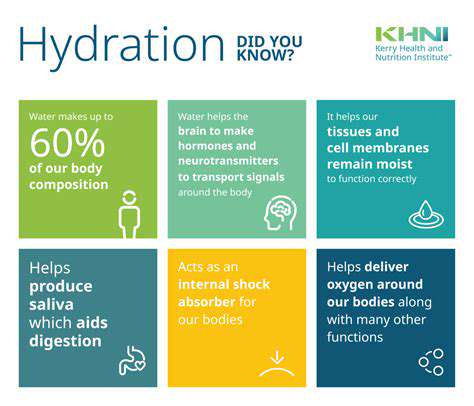
Focus on incorporating a variety of proteins, carbohydrates, and healthy fats into your meals. Consuming carbohydrates before a run and proteins post-workout can help maximize your training benefits. Hydration is equally essential; staying properly hydrated can aid in stress management and overall performance.
Practicing Stress-Reduction Techniques
Incorporating stress-reduction strategies can help improve focus and performance. Techniques such as deep breathing, yoga, or even short walks during the workday can help alleviate tension. Research indicates that these methods can lower cortisol levels, promoting a calmer state that positively impacts your training.
Experiment with different relaxation techniques to discover what works best for you. For example, some find that journaling their thoughts helps clear mental clutter, making it easier to concentrate on training goals. Integrating these practices into your daily routine can create a harmonious balance between work stress and athletic endeavors.
Utilizing Technology and Support Systems

When juggling a full-time job with race training, Time efficiency is key. Various training apps provide tailored programs that adjust to your progress and schedule, allowing you to optimize workouts without wasting time. Apps like Strava, Nike Run Club, and TrainingPeaks offer personalized plans and tracking tools, making it easier to stay motivated and organized. According to a study published in the Journal of Sports Sciences, runners using structured app-based training showed a 20% improvement in consistency compared to those training without digital support.
Using these apps means you can plan your sessions around your work hours and track your recovery consistently, which is crucial for busy professionals. Having precise data on pace, heart rate, and progress helps avoid overtraining and injury, issues common among runners who manage tight schedules.
Wearable devices such as GPS watches and heart rate monitors provide instant feedback on performance metrics, enabling runners to adjust intensity and avoid burnout. For full-time workers, this real-time data helps make each workout count by ensuring training sessions remain effective yet manageable. Devices like Garmin Forerunner or Apple Watch can sync with mobile apps, compiling comprehensive data reports that highlight strengths and weaknesses over weeks or months.
Research from the American College of Sports Medicine indicates that athletes who monitor their heart rate during training experience higher efficiency in endurance improvements. This suggests that wearables support smarter training decisions rather than relying on subjective feelings alone.
Implementing such tech allows runners to optimize recovery, pacing, and interval training without needing extensive coaching or excessive guesswork, critical when balancing work deadlines and family commitments.
Online coaching platforms offer customized plans and expert advice without requiring in-person appointments, fitting well into hectic schedules. These services often provide flexible communication, allowing athletes to receive feedback through emails or app messages. Virtual running groups and forums also present social support from peers who understand the challenges of training alongside a full-time job.
Participation in online communities has been linked to increased adherence to training programs, offering motivation through collective goal-setting and shared progress tracking. Strava clubs and Facebook running groups are commonly used to exchange tips, celebrate milestones, and find local running partners.
For many, this blend of professional guidance and peer encouragement creates a practical, community-based support system that mitigates the isolation of independent training. It allows working athletes to access resources they might not otherwise find time to attend in person.
Effective time management can be supported by digital calendars, reminder apps, and task management software like Google Calendar, Todoist, or Trello. Organizing training sessions around fixed work hours and other obligations using these tools prevents schedule conflicts and missed workouts. Setting specific time blocks for running can psychologically reinforce commitment to training, reducing the tendency to skip sessions.
Studies from the Harvard Business Review emphasize how structuring one's day with clear priorities improves productivity and stress management. Applying these principles to race preparation ensures physical activity remains a consistent part of daily routines despite work pressures.
Using reminder notifications and blocking out training time beforehand creates a sense of accountability and helps avoid last-minute cancellations due to fatigue or workload spikes.
Recovery is critical for busy runners, and technology offers several tools to enhance this phase. Devices such as foam rollers with vibration, electric muscle stimulators, and sleep trackers provide data and support targeted recovery strategies. For example, sleep-tracking apps like WHOOP or Oura Ring provide detailed insights into sleep quality, a vital factor in recovery and endurance gains.
Peer-reviewed research highlights the role of adequate sleep in injury prevention and performance enhancement. Busy professionals often sacrifice rest due to tight schedules, but incorporating recovery tech helps identify when extra rest is needed, prompting adjustments to training loads accordingly.
Utilizing cold compression devices or guided stretching apps complements physical recovery, ensuring the body is prepared for the next session, which is essential when time for passive recovery is limited.
Balancing nutrition with training and work demands requires precise monitoring, and several apps make this less complicated. Tools like MyFitnessPal allow tracking calorie intake, macronutrients, and hydration status, tailoring dietary plans to fuel training while respecting energy needs for work performance. This is especially important since inadequate nutrition often leads to fatigue, hampering both job productivity and race preparation.
Research from the International Journal of Sport Nutrition and Exercise Metabolism confirms that consistent nutrition logging improves metabolic outcomes and supports endurance athletes’ energy demands. Using tech to manage meal planning and hydration reminders ensures a balanced approach to fueling without resorting to guesswork or last-minute unhealthy choices.
Support from family, friends, and colleagues plays a critical role in sustained training efforts, particularly for those managing a full-time career. Communicating your race goals and training schedule openly helps set expectations and cultivate understanding, reducing stress and logistical conflicts. Shared responsibility in household or social duties frees up more time and mental space for training.
Additionally, employers may offer wellness programs or flexible working arrangements that can be leveraged to accommodate training needs. Research from the Journal of Occupational and Environmental Medicine shows that workplace support correlates with improved physical activity adherence among employees.
In conclusion, building a reliable support network and being transparent about commitments fosters accountability and emotional encouragement. Combining this with technology creates a holistic approach that makes training for a race while working full time not only possible but sustainable.
Read more about Training for a Race While Working Full Time