Resistance Training
Muscle Adaptation
Core Strength
Plyometrics
Strength Training
Athletic Performance
Functional Exercises
Training
Performance

Using Resistance Training to Improve Running Speed

Exercises like squats and deadlifts work multiple muscle groups.
  • Incorporate explosive lifts: Olympic lifts enhance power and speed, essential for runners.
  • Prioritize variation: Change up the set and rep schemes to challenge the body.
  • Use proper recovery: Adequate rest periods are crucial for muscle growth and strength gains.
  • To create an effective Resistance Training program, it's essential to focus on multi-joint compound movements that closely mimic the gait of running. Exercises such as squats, lunges, and deadlifts are ideal for developing the necessary leg strength. Incorporating explosive lifts, like cleans or snatches, can improve power output and translate into faster running times.

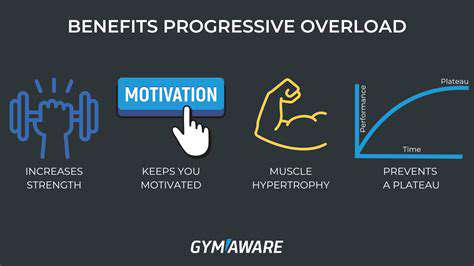
    Additionally, varying set and rep schemes every few weeks not only prevents plateaus but also keeps motivation high. An effective routine will blend strength and conditioning to optimize the runner's performance as a whole.

    Frequency and Timing of Training

    The frequency of resistance training sessions is just as crucial as the content of the workouts themselves. For runners, 2-3 sessions per week can yield significant improvements without compromising running performance. Timing these workouts is also important; ideally, they should not be placed immediately before long runs or intensive track sessions. This strategy ensures that the body is fresh for key running workouts.

    There is considerable evidence to suggest that combining resistance training with running can lead to substantial performance gains. However, runners must be careful to balance this regimen to avoid symptoms of overtraining. Tailoring a personalized schedule based on individual goals and current fitness levels is recommended.

    Injury Prevention through Strength Training

    One of the often-overlooked benefits of resistance training for runners is its role in preventing injuries. Stronger muscles and connective tissues can tolerate the high impact of running better, drastically lowering the risk of common issues like shin splints and runner's knee. Resistance training focuses on building not only muscle strength but also joint stability and flexibility, which are critical for runners.

    Research has shown that runners who regularly engage in strength training sessions see significantly reduced injury rates over time. This makes it an invaluable component of any training plan. Fostering a habit of strength training can make a profound impact on a runner's longevity in the sport.

    Long-term Benefits and Performance Gains

    In the long run, incorporating resistance training into a runner's regimen is likely to yield substantial performance gains and enhance overall fitness. Strength development not only improves speed but also leads to greater aerobic capacity and endurance. Runners often experience improved race times and achieve athletic milestones more easily after a dedicated strength training phase.

    Over time, the physiological adaptations from consistent strength training allow runners to tackle longer distances at faster paces. Therefore, the benefits extend well beyond just immediate performance improvements. Committing to this practice will create a foundation that supports long-term running ambitions, keeping injuries at bay while enhancing athletic prowess.

    Key Resistance Training Exercises for Runners

    KeyResistanceTrainingExercisesforRunners

    Understanding the Importance of Core Strength

    Core strength is a fundamental aspect of running efficiency. When runners have a strong core, they maintain better posture, which is crucial during long distances. A Strong Core Stabilizes the pelvis, spine, and hips, allowing for more efficient energy transfer. This improved alignment can significantly enhance speed and endurance.

    The research supports this as well, suggesting that runners with strong core muscles have better overall running economy. Studies show that enhancing core strength through targeted exercises can lead to improved performance metrics, such as faster times and reduced fatigue levels. Interestingly, incorporating planks and rotational movements can specifically bolster these muscles.

    • Core strength enhances posture and stability.
    • Strong cores lead to improved energy transfer during running.
    • Training can improve running economy and performance metrics.

    Essential Lower Body Exercises for Runners

    Building strength in the lower body is non-negotiable for any runner looking to enhance their performance. Key exercises include squats, lunges, and deadlifts, as these target major muscle groups like the quadriceps, hamstrings, and glutes. Integrating these workouts with proper form not only increases strength but also reduces the risk of injury through improved muscle balance. Therefore, it’s vital to incorporate them into a regular training routine.

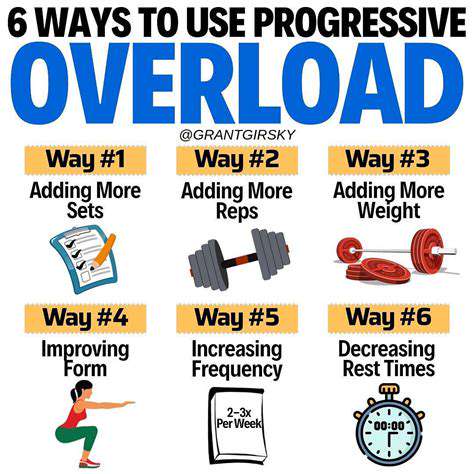
    Moreover, resistance bands and weights can further amplify the effectiveness of these exercises. For instance, adding weights to squats challenges the muscles, facilitating increased recruitment of fast-twitch fibers, which are essential for sprinting. If you want to elevate your game, consider a progressive overload approach to resistance training.

    Finally, once you establish a solid foundation in these exercises, experimenting with single-leg variations can help improve balance and stability, translating to more efficient running mechanics.

    Incorporating Plyometrics for Explosiveness

    Plyometric training is a powerful tool for runners aiming to increase their explosive strength and speed. This type of training includes exercises such as box jumps, jump squats, and bounding drills. Plyometrics help improve fast-twitch muscle fiber recruitment, essential for sprinting and acceleration. Studies indicate that athletes who incorporate these drills into their routine commonly experience improved 5k and 10k performance times.

    While the benefits are clear, it’s critical to execute these exercises with caution to avoid injury. A gradual introduction to plyometric drills, starting with lower intensity and volume, will allow your body to adapt effectively. Additionally, ensuring proper recovery is essential since plyometrics can place significant stress on the muscles and joints.

    In conclusion, integrating plyometrics into your training can lead to substantial improvements in your running speed, making it an invaluable component of a well-rounded resistance training program for runners.

    The Role of Core Strength in Running Speed

    Understanding Core Stability

    The core encompasses a complex arrangement of muscles, including the rectus abdominis, obliques, transverse abdominis, and the muscles of the lower back. These muscles work in concert to create a stable platform from which the limbs can generate power. Research indicates that runners with a strong core possess better stabilization, which directly translates to improved performance and less energy expenditure during running. In essence, a stable core allows athletes to maintain an efficient posture, reducing fatigue over long distances.

    A study published in the Journal of Strength and Conditioning Research highlighted that runners who participated in core strengthening exercises saw a marked improvement in their running economy. This means they could run faster with less effort. Such findings underscore the critical link between core strength and overall athletic performance, illustrating that strength training isn’t just about building bigger muscles; it’s about enhancing functional capability.

    Resistance Training Benefits for Core Strength

    Incorporating resistance training into a running regimen can lead to significant gains in core strength, directly contributing to speed. Exercises like planks, deadlifts, and medicine ball twists not only target the core but also engage other muscle groups, leading to a more holistic improvement in physical fitness. For example, the deadlift is particularly useful as it mimics the explosive movement patterns required in running, effectively bridging the gap between strength training and running mechanics.

    Additionally, employing resistance bands during core workouts has become increasingly popular among athletes. They provide variable resistance, enhancing muscle engagement throughout different movement planes. Research from the American College of Sports Medicine suggests that incorporating such dynamic resistance methods can amplify strength gains and improve muscle coordination, which is essential for runners aiming to boost their pace.

    Practical Tips for Core Training

    To optimize core strength for running speed, focus on consistency and progressive overload. Aim to incorporate specific core exercises into your weekly training routine at least two to three times. It’s crucial to incorporate variations that challenge different muscle groups—perhaps mixing stability exercises with resistance training to keep the body adapting and improving.

    Additionally, it may be beneficial to engage in functional training that mirrors running motions. Exercises such as single-leg deadlifts or stability ball passes not only target the core but also enhance balance and coordination, which are vital for efficient running. Remember, the ultimate goal of core strengthening is not just to build strength, but to enhance overall running economy and speed, turning your hard work into measurable performance improvement.

    Creating an Effective Resistance Training Program

    Understanding the Basics of Resistance Training

    Resistance training involves physical exercises designed to improve strength and endurance by exercising a muscle or muscle group against external resistance. This can include weights, resistance bands, or body weight. Research shows that engaging in regular resistance training not only increases muscle mass but also enhances metabolic rate and bone density. One of the pivotal studies published in the Journal of Strength and Conditioning Research indicates that a resistance program can yield significant improvements in running economy when correctly integrated into a running routine.

    For runners, resistance training should focus on the major muscle groups used during running, particularly the core, glutes, hamstrings, and quadriceps. Balanced strength in these areas can translate directly into improved speed and lower injury risk. The National Strength and Conditioning Association recommends incorporating exercises like squats, lunges, and deadlifts, as they mimic the demands of running.

    Assessing Individual Needs and Goals

    Before developing a resistance training program, it’s crucial to assess individual goals and current fitness levels. Each runner has unique requirements based on their experience, distance preference, and performance objectives. For instance, a sprinter may focus more on explosive strength, whereas a long-distance runner could prioritize endurance and muscular endurance. Understanding these variables can inform the design of a tailored program that effectively supports their specific running ambitions.

    Consider conducting fitness assessments such as strength tests or running gait analysis to gather data. This information is essential in customizing a program that effectively targets weak points or imbalances that may hinder performance.

    Creating a Structured Program

    A well-structured resistance training program typically includes a variety of exercises covering several key components. These components consist of strength training, endurance workouts, and flexibility exercises, each playing a role in enhancing running performance. A common approach could involve two to three resistance training sessions per week, with a focus on compound movements to maximize efficiency and effectiveness within limited training time.

    Additionally, seasoned trainers suggest a systematic progression, ensuring gradually increased intensity and volume without the risk of overtraining. This approach is not only more sustainable but also fosters continuous improvement.

    Incorporating Functional Exercises

    Functional exercises simulate the actions performed during running, enhancing efficiency and reducing injury risk. Exercises such as single-leg deadlifts or stability ball leg curls target balance and coordination, critical elements for runners. Integrating these functional movements into a resistance training protocol can improve neuromuscular coordination, crucial for maintaining stability and agility during a run.

    Research published in the Journal of Sport Rehabilitation emphasizes the importance of functional training, suggesting that those who include it in their regimen benefit from enhanced motor control and reduced ground contact time, paving the way for improved speed.

    Monitoring Progress and Making Adjustments

    Periodic evaluation of the resistance training program is essential for ensuring continued improvements. This could involve tracking various metrics, such as strength gains, muscle growth, or running times, which provide valuable insights. Adjustments should be made based on performance results and personal feedback. If a certain exercise or routine is not yielding results or feels overwhelming, it’s important to adapt it accordingly.

    One effective method of monitoring progress is keeping a training log to note changes in performance and how the body responds to specific workouts. This data can be crucial when determining when to intensify the workout or alter training protocols.

    Combining Resistance Training with Cardiovascular Workouts

    To maximize the benefits of resistance training, it should be integrated with cardiovascular workouts. Strength training isn’t a standalone solution; it should complement your running routine. Research has shown that combining both can create a synergistic effect, leading to improvements in both strength and speed. Strategies could range from alternating training days to incorporating shorter resistance sessions right after a running workout.

    Balancing these workouts helps in building muscle while also enhancing aerobic capacities, essential for optimal performance in running races of varying distances.

    Rest and Recovery: Key to Success

    In the rush to improve performance, many runners overlook the importance of rest and recovery. Adequate recovery is integral to a successful resistance training program, allowing muscles to heal and adapt to the stress imposed during workouts. Research by the American College of Sports Medicine emphasizes that recovery days can lead to better strength gains and performance over the long term.

    This means incorporating rest days into your training schedule and listening to your body. If fatigue sets in or performance plateaus, it may denote that additional recovery is necessary.

    Monitoring Progress and Adjusting Your Training

    Setting Clear Objectives for Your Training

    Before embarking on a resistance training regimen for running speed improvements, it's crucial to establish clear objectives. This can include specific goals such as increasing your sprint speed by a certain percentage or enhancing your endurance over extended distances. By creating quantifiable targets, you not only gain clarity on your desired outcomes but also a focused path to achieving them. Research indicates that goal-setting can enhance motivation and improve overall performance by as much as 25% when athletes are aware of what they are striving for.

    Moreover, consider breaking down broader objectives into smaller, manageable milestones. For instance, if your ultimate goal is to shave seconds off your 5K time, you might set intermediate goals, such as improving leg strength or increasing your training frequency. This ongoing assessment promotes a sense of accomplishment and keeps you engaged throughout the training process. Regularly revisiting and adjusting these goals can help you stay on track toward achieving your primary objective.

    Evaluating Training Effectiveness and Making Adjustments

    Monitoring the effectiveness of your training routine involves a variety of assessment methods. Tools like heart rate monitors and performance tracking apps can provide valuable feedback on your workouts. For example, analyzing your pace, distance, and recovery times can identify patterns, strengths, and areas needing attention. A study published in the Journal of Strength and Conditioning Research suggests that athletes tracking their performance metrics are more likely to recognize trends and make effective adjustments to their training plan.

    In addition to quantitative data, it's important to pay attention to how your body feels during and after workouts. Signs of fatigue, decreased performance, or persistent soreness can indicate the need for recovery or modification of your resistance training routine. Listen to your body – if you’re consistently fatigued, it may be beneficial to incorporate rest days or lighter training sessions. Ultimately, balancing intensity and recovery is essential for sustained progress and injury prevention in any resistance training program.

    Read more about Using Resistance Training to Improve Running Speed

    Implementing a Structured Training Plan for RunnersEmbarking on a journey to enhance your running performance requires a well-structured training plan. From setting precise goals to optimizing nutrition, this guide elucidates key strategies for runners aiming to boost speed, endurance, and overall effectiveness. Define Clear Goals and ObjectivesEstablishing clear and measurable objectives is paramount. Use the SMART criteria—Specific, Measurable, Achievable, Relevant, and Time-bound—to set goals that can drive your training. Consider keeping a running journal or utilizing apps like Strava or Runkeeper for motivation and progress tracking. Incorporate Varied Training SessionsAvoid monotony by mixing different types of runs in your training. Blend endurance runs with speed workouts, interval training, and hill sprints, ensuring adequate recovery days. This variety not only prevents plateaus but also enhances muscle performance, essential for achieving that next personal best. Optimize Your Running FormUnderstanding running biomechanics is vital. Focus on your posture, stride, and foot strike pattern, as these directly impact efficiency. Striving for a midfoot strike can minimize injury risks while fostering a successful running style. Enhancing your cadence and incorporating strength training, particularly for core and hip muscles, will further refine your performance. Incorporate Strength TrainingStrength training plays a crucial role in improving muscle power and endurance. Studies indicate that it can reduce injury risks by up to 50%, making it essential for any serious runner. Include fundamental exercises like squats and deadlifts while integrating core routines for stability. Designing a balanced schedule that includes strength workouts alongside your running plan ensures your progress stays on track. Focus on Nutrition and RecoveryProper nutrition fuels your runs. Carbohydrates are your primary energy source; aim for 6-10 grams per kilogram of body weight. Proteins assist with recovery, the importance of hydration cannot be overlooked. Maintaining a hydration strategy before, during, and after runs helps in sustaining energy levels and promotes recovery. Monitor Your ProgressEstablish specific and incremental goals to effectively track your improvements. Utilize technology with GPS devices or running apps to capture performance metrics like pace and heart rate. Regularly evaluate these statistics to tailor your training plan to align with your evolving fitness. ConclusionBy implementing a well-rounded training plan that includes goal setting, varied sessions, strength training, optimal nutrition, and consistent progress monitoring, you position yourself for significant improvements in speed and endurance. Adjust your strategies as needed, and enlist assistance from coaches or running groups to stay motivated. With dedication and the right approach, optimal running performance is within your grasp.
    Apr 21, 2025
    Guide to Training for a Triathlon [Beginner Plan]
    May 11, 2025
    Best Exercises for Core Strength and Stability
    May 12, 2025
    How to Use a Medicine Ball in Your Workout Routine
    May 26, 2025
    Guide to Progressive Overload in Your Training
    May 28, 2025
    Best Exercises for Cyclists to Build Strength
    Jul 28, 2025
    The Importance of Hydration for RunnersStaying adequately hydrated is essential for runners seeking optimal performance and endurance. Understanding your unique hydration needs involves recognizing various factors, including your individual physiology, environmental conditions, and workout intensity. Research shows athletes can lose 1 to 3 liters of fluid per hour when engaged in rigorous activity. Therefore, it's essential to drink water and electrolyte-rich beverages proactively, not just when thirsty. Understanding Hydration NeedsHydration varies per person, influenced by body weight, sweat rate, and the temperature during runs. It's vital to drink between 16 to 24 ounces of fluid for every hour of running, tailored to your unique needs. Begin hydrating 1 to 2 hours before your workout to ensure proper absorption. Electrolyte BalanceIn addition to water, replenishing electrolytes like sodium, potassium, and magnesium is critical to preventing muscle cramps and maintaining performance. Consuming drinks with electrolytes can significantly enhance endurance during prolonged workouts. Choosing sports drinks with a balanced electrolyte composition is advisable, especially for runs longer than an hour. Timing and Quantity of Fluid IntakeProper hydration involves strategic timing. Aim to consume fluids before, during, and after running. During long runs, drink 7 to 10 ounces every 10 to 20 minutes. Hydrating post-run is crucial to recover and replenish lost fluids. Signs of DehydrationRecognizing dehydration symptoms early is vital to maintaining performance. Early signs include dry mouth, fatigue, dark urine, and more severe symptoms such as dizziness. Runners should regularly monitor their hydration levels, using the color of urine as a reliable indicator. Personalized Hydration PlansTo improve running performance, consider creating a personalized hydration strategy. Keep a hydration journal noting your fluid intake and how your performance is affected by various factors like temperature and distance. Consulting with a sports nutritionist can further tailor your hydration needs, ensuring you stay in peak condition. Choosing the Right Hydration ProductsEvaluate various hydration products, including traditional sports drinks, electrolyte tablets, or natural options like coconut water. Reading nutrition labels helps in selecting products lower in sugars and higher in essential electrolytes for optimal hydration. ConclusionEffective hydration is a crucial aspect of any runner's training plan. By understanding your body's hydration requirements and establishing a tailored strategy, you can improve performance, prevent dehydration, and enhance recovery post-workout. Remember, staying hydrated is not just about drinking water; it's about knowing when and how much to consume based on your activity levels and environmental conditions.
    Mar 07, 2026
    Gear, Warm-Up, Hydration, and SafetyAs many runners lace up their shoes to brave the winter chill, it's crucial to understand how to tackle the unique challenges posed by cold weather. Our comprehensive guide covers everything you need to know to stay safe, comfortable, and motivated throughout your winter running journey. Dressing for SuccessThe first step in preparing for cold weather runs is dressing appropriately. Layering is key, consisting of a moisture-wicking base layer, an insulating middle layer, and a protective outer shell. Choose clothes made from wool or synthetic fibers to manage moisture and retain heat. Specialized running shoes with insulation and good grip are also essential to navigate icy surfaces safely. Don’t forget to accessorize—hats, gloves, and reflective gear can significantly improve your comfort and visibility. Effective Warm-Up TechniquesWarming up before your run is vital, especially in cold conditions. A proper warm-up increases blood flow to your muscles, helping to prevent injuries. Incorporate dynamic stretching techniques like leg swings and high knees to elevate body temperature and prepare your muscles. Aiming for a warm-up duration of 10 to 15 minutes will enhance both your performance and safety. Hydration EssentialsIt can be easy to overlook hydration during colder months, but staying adequately hydrated is just as important in winter. Dehydration can lead to decreased performance and increased injury risks. Drink enough fluids before, during, and after your run to maintain hydration levels, and consider electrolyte-rich drinks to replenish lost minerals. Adjusting Goals and PaceCold weather demands adjustments to your pace and running goals. Expect slower performance due to increased energy expenditure in keeping warm. Setting realistic, achievable goals will help maintain your motivation through winter months. Consider shorter or high-intensity workouts to build endurance and strength without overexerting yourself. Staying Mindful of SafetyCold weather can affect muscle performance and increase the risk of injury. Always assess your running terrain for icy patches or snow hazards, and select footwear accordingly to enhance traction. Visibility is paramount in winter, so wear bright or reflective clothing to stay safe during shorter daylight hours. Building a Support NetworkDon't let the cold weather dampen your running spirit! Join a local running club or seek out running partners to share motivation and tips for dealing with the winter elements. Online communities are also a great resource for sharing insights on cold-weather strategies.By preparing adequately and being mindful of your body's needs, you can successfully adapt your running routine to embrace the winter months. Follow these essential tips to ensure a safe and enjoyable cold-weather running experience, and keep moving toward your fitness goals.
    Mar 19, 2026
    eat balanced meals 2-3 hours before exercise and replenish with protein-carb combinations within 30 minutes post-workout. Consider supplements like Beta-Alanine and Omega-3s to further enhance performance but consult healthcare professionals before starting. 5. Monitor Progress and Prioritize RecoveryLeverage technology such as wearables and apps to track heart rate, pace, and VO2 max estimates. Set clear, achievable goals broken into milestones, adjusting plans based on progress. Emphasize recovery by incorporating rest days, active recovery activities like yoga, and ensuring sufficient sleep for muscle repair. Engaging with coaches or sports scientists can provide personalized insights and VO2 max testing to refine training strategies. Consistent monitoring and regular program reviews help maintain an optimal balance between training intensity and recovery, preventing injury and sustaining improvements.---By combining HIIT, aerobic conditioning, strength training, strategic nutrition, and diligent recovery, you can significantly enhance your VO2 max and running endurance. Implement these integrated approaches for a well-rounded, scientifically backed training plan that supports long-term athletic development and peak performance.
    Mar 20, 2026
    The Essential Guide to Tapering for AthletesTapering is a crucial phase for athletes, designed to optimize physical and psychological readiness before race day. By strategically reducing training volume while maintaining intensity, athletes can enhance performance, minimize injury risk, and arrive at the start line in peak condition. The Physiological and Psychological Benefits of TaperingResearch shows that tapering improves endurance through better muscle glycogen utilization and energy metabolism. This phase not only helps repair micro-tears in muscle tissue but also reduces accumulated fatigue, allowing athletes to perform at their best. Moreover, tapering plays a significant role in alleviating pre-race anxiety. A clear tapering plan fosters focus and confidence, reinforcing a positive mindset as athletes approach competition. Effective Tapering StrategiesTo implement a successful taper, athletes should cut training volume by 20-30% without sacrificing quality. This includes high-intensity workouts that keep speed and neuromuscular efficiency intact. In addition, incorporating more rest days and focusing on nutrition is vital during this phase. A well-balanced diet rich in carbohydrates supports energy levels and boosts performance readiness. Determining the Right Taper DurationThe ideal taper duration varies significantly based on factors such as training age and race distance. While elite marathon runners might taper for 2-3 weeks, sprinters may only require 5-7 days. Ongoing monitoring of fatigue and fitness levels can help customize taper length and ensure optimal race preparation. Maintaining Speed and EnduranceDuring tapering, maintaining speed depends on the careful incorporation of high-intensity intervals while managing overall training volume. A reduction of 20-30% in mileage, combined with specific speed stimuli, keeps physiological adaptations alive. Additionally, maintaining endurance through selective high-intensity workouts ensures athletes are primed for race performance. Nutritional Considerations During TaperingAdjusting macronutrient intake is essential during tapering. A focus on carbohydrates helps replenish muscle glycogen, while lean proteins promote muscle recovery. Adequate hydration and micronutrient intake play important roles, supporting overall health and performance. Anticipating nutrient timing, such as post-workout meals rich in carbs and proteins, can further optimize recovery. Listening to Your BodyLastly, athletes should pay close attention to their bodies throughout the tapering process. Changes in energy levels, mood, and hunger cues must be monitored closely to maintain the optimal balance of calorie intake and performance needs. Keeping a food diary can provide insights into dietary adjustments that enhance training outcomes.---In summary, tapering is a vital aspect of athletic preparation, integrating physiological recovery with psychological readiness. By utilizing tailored tapering strategies and paying attention to nutrition and body signals, athletes can set themselves up for an exceptional race day performance.
    Mar 22, 2026
    A Comprehensive Guide for RunnersAs you grow older, maintaining your running speed requires a strategic approach that combines consistent training, effective recovery, and sound nutrition. This guide provides essential strategies designed to help aging runners excel while minimizing injury risks. Emphasize Consistency in Training Establish a Regular Running ScheduleCreating a consistent running routine is vital. Aim for three to four sessions weekly, ideally scheduled in the morning to jumpstart your day. Use running apps or journals to track progress and celebrate milestones for motivation. Prioritize Recovery Time Between SessionsRecognizing the importance of recovery is crucial. Incorporate rest days and low-impact activities like walking to prevent injuries and promote longevity in your running journey. Incorporate Strength TrainingAdding strength training can significantly improve running efficiency. Focus on core stability and leg strength with exercises like squats and lunges. This approach not only enhances performance but also prevents age-related muscle loss. Focus on NutritionNutrition plays a critical role in your running ability. Fuel your body with balanced meals including complex carbohydrates, lean proteins, and healthy fats. Stay hydrated to support performance and recovery. Set Realistic GoalsEstablish achievable running goals tailored to your current fitness level. Whether it's completing a 5k or improving your pace, clear objectives can keep you focused and motivated. Engage with a Running CommunityJoining a running group can bolster commitment and motivation. The camaraderie and support from fellow runners provide a motivational boost and can introduce new training methods. Listen to Your BodyBeing attuned to your body’s signals is key. Recognize signs of fatigue and adapt your training intensity accordingly. Adjusting your regimen based on how you feel can prevent injuries and enhance performance. Prioritize Recovery StrategiesUnderstanding that older athletes need more recovery time can shape your training approach. Implement active recovery techniques and ensure you're getting sufficient sleep for maximum repair and performance. Meal and Hydration StrategiesPost-workout nutrition, particularly protein intake, aids muscle repair. Maintain hydration before, during, and after runs to improve performance. ConclusionApplying these principles can help you not only maintain but also improve your running speed as you age. By focusing on consistent training, recovery, nutrition, and community support, you'll enhance your overall performance while enjoying the journey of running at any age.
    Mar 27, 2026
    Understanding the Importance of Speed Training for Older RunnersAs runners age, particularly those over 40, the importance of speed training becomes increasingly evident. Not only does it enhance overall running efficiency and cardiovascular health, but it also significantly lowers the risk of injuries that are often associated with aging. Benefits of Speed TrainingOlder runners can greatly benefit from incorporating speed training into their routine. Enhanced heart and lung function leads to better stamina and improved performance in longer distances. Additionally, implementing speed drills is crucial for maintaining injury-free workouts as muscle elasticity decreases with age, making joints more vulnerable. Types of Speed Training TechniquesVarious techniques like intervals and hill sprints cater to different fitness levels and goals. Intervals involve alternating high and low intensity, effectively boosting both speed and anaerobic capacity. Hill sprints engage multiple muscle groups, optimizing stride mechanics and overall running versatility. Effects of Aging on SpeedWith age, muscle mass and strength decline, affecting running speed and performance. Acknowledging these biological changes allows older runners to tailor training strategies that focus on maintaining speed and strength. With the right training and nutrition, many age-related declines can be mitigated, making a personalized fitness regimen essential. Setting Realistic Speed GoalsEstablishing achievable goals is vital. Instead of mirroring younger athletes, older runners should focus on gradual improvements, such as a 5% speed increase over several months. Documenting progress can keep motivation high and foster a commitment to ongoing training. Nutrition's Role in Speed DevelopmentNutrition plays a crucial role in supporting speed enhancement. A balanced diet rich in protein and carbohydrates is essential in preserving muscle mass and fueling workouts. Proper hydration must not be overlooked, as it significantly impacts performance and recovery. Incorporating Recovery DaysRecovery days are critical for effective training, especially for older runners. They help prevent burnout and injuries by allowing the body to repair and recuperate. Including active recovery techniques like yoga or cycling can enhance flexibility and promote better blood flow. The Psychological Aspect of Speed TrainingMental resilience and a positive mindset are just as important as physical preparation. Techniques such as visualizing successful runs and engaging with training groups can foster a supportive environment and heightened motivation. Interval Training for Enhanced SpeedUnderstanding the principles of interval training can significantly boost running performance. This method alternates between high-intensity sprints and recovery, improving speed, stamina, and cardiovascular fitness, especially for older athletes. Strength Training and RecoveryIntegrating strength training, particularly exercises like squats and lunges, can boost speed by enhancing muscle dynamics. Regular recovery protocols, including proper nutrition and hydration, ensure optimal performance gains. ConclusionSpeed training is not just for younger runners; it is essential for older athletes looking to enhance their performance and reduce injury risks. With the right techniques, goals, nutrition, and recovery strategies, older runners can defy age-related decline and achieve their personal bests.Explore these strategies further and take your running to new heights with our comprehensive guides!
    Mar 30, 2026
    View Publications>>

    Hot Recommendations