Smoothie
Nutrition
Fitness
Smoothie Recipe
Muscle Recovery

Healthy Smoothie Recipes for Muscle Recovery

ripe bananas, fresh spinach, protein powder, and your choice of milk or dairy alternative. Bananas are rich in potassium, which can help in muscle function and recovery after intense workouts.

Incorporating spinach not only adds a vibrant color but also boosts the nutrient profile. Spinach is an excellent source of iron, calcium, and vitamins A and C. This combination not only enhances recovery but also supports overall health, making this smoothie an ideal post-workout option.

Recipe Preparation Steps

Start by gathering all the ingredients: 1 ripe banana, 1 cup of fresh spinach, 1 scoop of protein powder, and 1 cup of your preferred milk. For added flavor, you can opt for unsweetened almond milk or coconut milk. The process begins by adding the spinach to your blender first; this minimizes leaf clumping and allows for a smoother blend.

Next, peel the banana and break it into smaller pieces to facilitate blending. Add the protein powder, and pour in the milk. Blend on high until the mixture is smooth and creamy. A tip here is to blend for about 30 seconds to ensure all ingredients are well combined, creating a delicious and easy-to-drink smoothie.

Customizing Your Smoothie

One of the best aspects of smoothies is their versatility. You can enhance the basic banana and spinach recipe by adding extras that suit your taste or nutritional needs. For example, consider tossing in a tablespoon of peanut butter or almond butter for a dose of healthy fats and added flavor.

Other great additions include chia seeds for added omega-3 fatty acids or flaxseeds for extra fiber. This flexibility not only allows for a personalized nutritional profile but also keeps your smoothie routine exciting. Experimentation is encouraged, so find what combinations you enjoy the most!

Optimal Times to Enjoy the Smoothie

To maximize muscle recovery benefits, it's best to consume this smoothie within 30 minutes post-exercise. This time frame is often referred to as the anabolic window, when your muscles are particularly receptive to protein and nutrients.

Drinking the smoothie during this period helps replenish glycogen stores in the muscles and aids in muscle repair. However, this smoothie can also serve as a nutritious breakfast or snack throughout the day, loaded with energy-boosting ingredients that sustain you between meals.

Potential Variations for Different Dietary Needs

If you're following a vegan diet, you can easily customize this smoothie by using plant-based protein powder and non-dairy milk. There are numerous protein powders derived from sources such as pea, brown rice, and hemp that mix well and provide adequate protein content for recovery.

For those who are lactose intolerant, non-dairy options like soy or oat milk ensure that you can enjoy this smoothie without digestive discomfort. By selecting ingredients that align with your dietary restrictions, you ensure that your post-workout recovery drink remains effective and enjoyable.

Storage and Shelf Life

This Banana and Spinach Protein Smoothie is best enjoyed fresh, but you can store any leftovers in an airtight container in the refrigerator for up to 24 hours. To prevent browning and nutrient loss, it's advisable to consume it as soon as possible. However, if you're planning to make larger batches, consider freezing it in individual portions.

When freezing, pour the smoothie into ice cube trays or freezer-safe bags, and blend the frozen cubes with a bit of liquid when you're ready to enjoy. This method not only preserves the nutrients but also provides convenience for those busy post-workout moments.

Conclusion: Embracing the Smoothie Lifestyle

The Banana and Spinach Protein Smoothie is a simple yet powerful tool for muscle recovery and overall health. By incorporating this smoothie into your post-workout routine, you can effectively aid your body in recovery while enjoying a delicious treat.

Embracing the smoothie lifestyle means experimenting with various ingredients, flavors, and nutritional boosts to find what works best for you. With the right balance of protein, carbohydrates, and healthy fats, your smoothie can support your fitness goals and taste great at the same time.

Berry Blast Smoothie
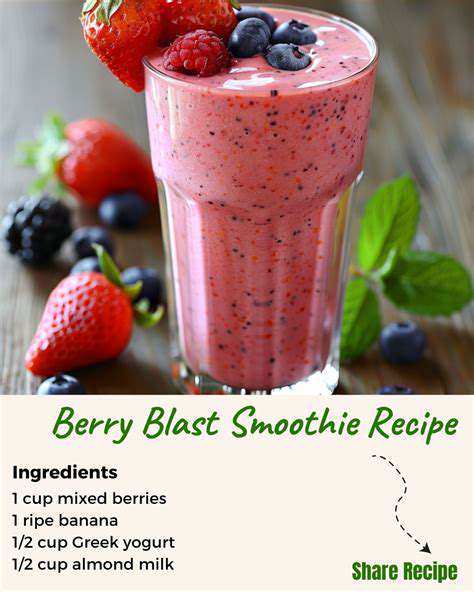
BerryBlastSmoothie

Ingredients for the Perfect Berry Blast Smoothie

To create a nutrient-rich Berry Blast Smoothie, you need a balance of fruits, greens, and protein. Essential ingredients include berries like blueberries, strawberries, and raspberries, which are packed with antioxidants. These nutrients help combat oxidative stress after intense workouts.

It's also beneficial to add a banana for creaminess and potassium, essential for muscle function. A handful of spinach can enhance the nutrient density without affecting the taste. Finally, choose a protein source like Greek yogurt or a protein powder; this addition aids in muscle repair and recovery.

  • Berries (blueberries, strawberries, raspberries)
  • Banana (for creaminess and potassium)
  • Spinach (for extra nutrients)
  • Protein source (Greek yogurt or protein powder)

Preparation Techniques to Maximize Nutrients

When preparing your Berry Blast Smoothie, blend in the right order for optimal texture and nutrient retention. Start with the liquid base—water, almond milk, or coconut water—then add the greens and mix until smooth. This approach ensures the greens are broken down well before adding fruits and protein.

Another tip is to use frozen fruits instead of ice, enhancing consistency while maintaining the cold temperature. Surprisingly, frozen fruits retain most of their nutrients, which can sometimes be lost if fresh fruits sit for too long. After blending, it's best to drink the smoothie immediately to enjoy its fresh taste and maximum benefits.

Health Benefits of the Berry Blast Smoothie

The Berry Blast Smoothie offers numerous Health Benefits, particularly for those engaged in regular physical activity. The combination of berries provides a rich source of vitamins C and K, both vital for immune health and cellular repair. Studies show that the antioxidants in berries can significantly reduce post-exercise muscle soreness, facilitating quicker recovery times.

Additionally, the protein content from yogurt or protein powder supports muscle growth and repair processes, especially when consumed shortly after workouts. By incorporating this smoothie into your routine, you can enhance your overall nutritional intake, improve your recovery times, and ensure that your muscles receive the necessary nutrients for optimum performance.

In summary, a Berry Blast Smoothie is not only delicious but a powerful ally in your muscle recovery strategy. It's easy to make, packed with essential nutrients, and adapts well to various dietary preferences.

Chocolate Peanut Butter Recovery Smoothie

Ingredients Breakdown

To craft an exceptional Chocolate Peanut Butter Recovery Smoothie, one must start with high-quality ingredients. The primary components include unsweetened cocoa powder, which not only adds a rich chocolate flavor but is also packed with antioxidants that can aid in reducing muscle inflammation. Peanut butter, especially the natural type, provides healthy fats and protein, promoting muscle recovery and tissue repair.

Next, consider using a ripe banana as it contributes natural sweetness and a creamy texture. Bananas are rich in potassium, which helps in electrolyte balance after intense workouts, reducing the risk of cramping. You might also want to mix in some spinach or kale, as these leafy greens are high in nutrients and can enhance the overall nutritional profile of your smoothie.

Preparation Steps

Preparing the smoothie is both quick and straightforward, making it an excellent option for athletes on the go. Start by adding one cup of almond milk or your preferred milk alternative to the blender. This will serve as the smoothie base and create a smooth consistency. Next, incorporate two tablespoons of Natural Peanut Butter and two tablespoons of unsweetened cocoa powder. These will be the key flavor components.

Peel and slice a ripe banana, then add it to the mixture. If you're incorporating greens, now is the time to throw in a handful of spinach or kale. Blend the mixture until smooth, ensuring that there are no chunks left, resulting in a creamy and satisfying drink.

For an extra nutrient boost, consider throwing in a scoop of your favorite protein powder or a tablespoon of chia seeds. Both of these additions can provide more protein and omega-3 fatty acids, which are beneficial for muscle recovery. Blend again to mix everything thoroughly.

Serving Suggestions and Variations

This Chocolate Peanut Butter Recovery Smoothie can be enjoyed in various ways to suit personal tastes. For those who prefer a colder drink, consider freezing the banana beforehand or adding a cup of ice to the blender for a frosty texture. Additionally, a sprinkle of cinnamon can introduce a warm flavor profile that complements the chocolate without overpowering it.

If you'd like an extra crunch, topping the smoothie with a small handful of granola or crushed nuts can provide a satisfying contrast to the creamy base. You might also explore using different nut butters, such as almond or cashew, for a unique twist while still retaining that protein density.

Another interesting option is to use flavored protein powder, such as vanilla or salted caramel, to add different layers of taste to your smoothie. Feel free to experiment with the ratios and ingredients based on your workout intensity and personal nutritional needs.

Mango Coconut Recovery Smoothie

Ingredients and Their Benefits

The Mango Coconut Recovery Smoothie is packed with nutrient-dense ingredients that aid in muscle recovery post-exercise. The primary ingredients include ripe mangoes, coconut water, Greek yogurt, and a handful of spinach. Mangoes are rich in vitamin C and antioxidants that help reduce inflammation and promote healing.

Coconut water is an excellent source of electrolytes, which are crucial for replenishing what is lost during vigorous physical activity. It contains potassium, magnesium, and sodium, making it an effective natural rehydration option. Greek yogurt not only provides a good source of protein but also contains probiotics that support gut health, essential for nutrient absorption.

Adding spinach boosts the smoothie’s nutrient profile with iron and calcium, important minerals for muscle function and recovery. In fact, the incorporation of these ingredients makes this smoothie ideal for athletes or anyone engaged in regular exercise, combining both taste and recovery in one delicious blend.

Preparation Tips for the Perfect Smoothie

To achieve the best flavor and texture when making your Mango Coconut Recovery Smoothie, start with ripe mangoes. This fruit should feel slightly soft to the touch when it's ready to use; overripe or underripe mangoes can significantly affect the smoothie's sweetness and smoothness.

For a creamier texture, consider freezing mango chunks ahead of time. You can blend the frozen mango with coconut water and Greek yogurt until smooth, ensuring a refreshing treat that is not too thin or too chunky. Additionally, blending your ingredients in a high-powered blender will help emulsify the smoothie better, resulting in a silky consistency.

Don’t hesitate to adjust ingredient portions based on your preferences or dietary needs. If you're looking for an extra protein boost, adding a scoop of protein powder or some chia seeds can be beneficial. Always taste the smoothie before serving so you can make any necessary adjustments to sweetness or thickness to suit your personal palate.

Timing and Frequency of Consumption

For optimal results, it is vital to consider when to consume your Mango Coconut Recovery Smoothie. The window for post-workout nutrition is generally acknowledged to fall within 30 minutes to two hours after exercise. Consuming this smoothie during that period can help accelerate muscle recovery and replenish energy stores effectively.

Incorporating this smoothie into your routine regularly can also be beneficial. For those who engage in intense workout sessions multiple times a week, including the smoothie as a recovery drink on workout days will help maintain consistent performance levels. This way, your body gets the hydration and nutrition it demands after each session.

Furthermore, the Mango Coconut Recovery Smoothie can serve as a great additional snack on non-training days too, supporting everyday nutrition and overall health. By making this smoothie a staple in your diet, you're not just fueling your workouts but setting up your body for continuous recovery and strength building.

Read more about Healthy Smoothie Recipes for Muscle Recovery

Pilates vs Yoga: Which Exercise is Right for You?
May 14, 2025
Healthy Lunch Ideas You Can Take to Work
May 25, 2025
How to Train for Rock Climbing Fitness
May 28, 2025
How to Make Healthy Eating a Habit [Tips & Tricks]
Jul 12, 2025
Debunking 10 Common Nutrition Myths
Jul 19, 2025
Guide to the Benefits of Fermented Foods (Kefir, Sauerkraut, etc.)
Jul 19, 2025
A Comprehensive GuideDiscover the nutritional wonders of plant-based proteins, perfect for anyone looking to enhance their diet with healthy, sustainable sources of nutrition. This guide delves into five powerhouse categories of plant-based proteins: legumes, quinoa, soy products, nuts and seeds, and plant-based protein powders. 1. Legumes: Nature's Protein PowerhouseLegumes, including beans, lentils, and peas, are rich in protein and fiber, making them a staple for vegans. With about 18 grams of protein per serving, they not only enhance muscle growth but also promote heart health through lower cholesterol levels. Learn to incorporate legumes into your meals with versatile recipes and cooking tips, supporting effective weight loss without sacrificing taste. 2. Quinoa: The Complete Protein GrainDubbed a superfood, quinoa is a complete protein containing all nine essential amino acids. Not only is it a nutrient-dense option rich in minerals like magnesium and iron, but its high fiber content aids in digestion and weight loss. Explore how to prepare quinoa and discover delicious ways to incorporate it into salads, bowls, and more! 3. Tofu and Tempeh: Essential Soy ProductsTofu and tempeh are excellent sources of protein and offer various health benefits. Tofu provides about 8 grams of protein per 100-gram serving and is rich in calcium, while tempeh takes the lead with 19 grams and probiotic benefits. Dive into creative cooking methods and meal-planning ideas to make the most of these versatile soy products. 4. Nuts and Seeds: Nutrient-Dense AdditionsPacked with healthy fats, protein, and essential nutrients, nuts and seeds play a crucial role in a balanced diet. Incorporate varieties like almonds and chia seeds for their health benefits and delicious flavors. This section highlights how to effortlessly add nuts and seeds to your meals for improved satiety and heart health. 5. Plant-Based Protein Powders: Convenient and VersatileFor an easy protein boost, explore the range of plant-based protein powders including pea, brown rice, and hemp proteins. These powders are not just convenient for post-workout recovery; they can also enhance smoothies and baked goods. Understand how to choose the right protein powder that enhances your diet without unnecessary additives. ConclusionWhether you’re vegan, vegetarian, or simply looking to incorporate more plant-based options into your meals, this guide provides essential insights and practical tips. Embrace the benefits of legumes, quinoa, soy, nuts, seeds, and plant-based protein powders to create a delicious and fulfilling diet that supports your health and wellness goals. Start your journey to mindful eating today for a healthier tomorrow!
Mar 04, 2026
Wholesome Recipes for a Vibrant and Healthy DietDiscover a world of flavor with our selection of easy, healthy recipes that fit perfectly into busy lifestyles. Whether you're looking for a colorful Veggie Stir-Fry, a Quick Chickpea Salad, Zucchini Noodles with Pesto, an Egg and Spinach Breakfast Wrap, or Shrimp Tacos with Mango Salsa, this page has the delicious options you need to nourish your body without consuming precious time. 1. Colorful Veggie Stir-FryBrighten up your dinner plate with a vibrant mix of bell peppers, broccoli, carrots, and snap peas. This dish is not only a feast for the eyes but also packed with essential nutrients. Learn how to create a flavorful base using quality oils and seasonings while mastering cooking techniques to preserve the crunch of your vegetables. Adding plant-based protein sources like tofu or tempeh makes it a complete meal. 2. Quick Chickpea SaladPerfect for a quick lunch or light dinner, this salad mixes canned chickpeas, fresh tomatoes, cucumbers, and herbs for a nutritious powerhouse. Made in just 10 minutes, it's rich in protein and fiber, helping you feel full and satisfied. The zing of olive oil and lemon dressing ties all the flavors together, creating a harmonious experience. 3. Zucchini Noodles with PestoSatisfy your pasta cravings with zucchini noodles, a low-calorie alternative that doesn't skimp on taste. This recipe for homemade pesto combines fresh basil, garlic, nuts, and parmesan cheese for a nutty and fragrant complement. With easy preparation and cooking tips, you can create a delightful dish that supports healthy living. 4. Egg and Spinach Breakfast WrapStart your day right with a nutritious Egg and Spinach Breakfast Wrap that's ready in just 10 minutes! Use whole wheat wraps for added fiber and load them with sautéed spinach and scrambled eggs. Customize with add-ins like feta or diced tomatoes for an explosion of flavor that fuels your morning. 5. Shrimp Tacos with Mango SalsaBring the fiesta to your table with our Shrimp Tacos topped with a refreshing mango salsa. Both low in calories and high in protein, this dish is quick to make and customizable to suit your taste. Pair with black beans for a complete meal and enjoy the vibrant mix of flavors and textures. Health BenefitsEach recipe emphasizes fresh, whole ingredients that help maintain a balanced diet. Incorporating a variety of vegetables, legumes, and proteins supports overall health and well-being. Moreover, meal prepping tips included for each recipe help you save time during busy weeknights without compromising your nutrition. ConclusionEating healthy doesn’t need to be complicated. With these simple yet delicious recipes, you can whip up meals that are as nourishing as they are satisfying. Embrace the flavors of fresh produce and wholesome ingredients, and elevate your culinary creations today!
Mar 05, 2026
Treadmill vs. Outdoor RunningIn the quest for fitness, runners often face the dilemma of choosing between treadmill workouts and outdoor runs. This comprehensive analysis compares these two popular running methods, focusing on performance metrics, injury risks, mental engagement, convenience, and more. Performance Metrics Consistency and PaceTreadmill running allows for a more controlled environment, leading to consistent pacing. On average, runners achieve a steadier speed on treadmills, while outdoor runners contend with terrain variations, weather conditions, and wind resistance. Heart Rate and Energy ExpenditureHeart Rate Variability (HRV) acts as a crucial indicator of cardiovascular performance. Treadmill workouts typically show lower HRV due to their steady nature, while outdoor running increases heart rate significantly due to environmental stimulations. Notably, research indicates that runners burn more calories outdoors due to these added challenges, making outdoor running a better choice for maximizing calorie expenditure. Injury RatesThe risk of injury is significantly affected by the running environment. Treadmills, with softer surfaces and fewer hazards, generally result in fewer injuries compared to outdoor running, where uneven surfaces pose a greater risk. Mental Focus and Motivation Concentration on WorkoutsWhile treadmill running can eliminate environmental distractions, enhancing mental focus, outdoor running challenges individuals to adapt to varying conditions, which can either detract from focus or serve as a motivator. Encouraging ResilienceThe unpredictability of outdoor environments fosters mental toughness, encouraging runners to push through discomfort. Techniques such as visualization and mindfulness can enhance overall performance and mental engagement in both scenarios. Recovery and Injury Risks Mitigating RisksWhile treadmills provide a safer running alternative, improper form can still lead to injuries. It's important to incorporate proper warm-up routines and strength training to prevent issues. Alternating between treadmill and outdoor running can help maintain joint health and adapt muscles to different terrains. Emotional and Mental RecoveryThe psychological aspects of recovery from running injuries are vital. Engaging with supportive networks and practicing goal-setting and visualization can significantly enhance resilience during recovery. Convenience and Accessibility Indoor BenefitsTreadmill running offers a climate-controlled environment free from external setbacks like weather, making it a reliable choice year-round. Additionally, modern treadmills often come equipped with performance tracking features, allowing users to monitor their metrics closely. PersonalizationWith adjustable settings for speed and incline, treadmills provide customizable workouts suitable for all fitness levels. This adaptability is valuable for tailored training and achieving individual fitness objectives. Cost ConsiderationsInvesting in a treadmill can be a substantial financial commitment. However, for those prioritizing convenience and safety, it may prove worthwhile, particularly in areas without suitable outdoor running routes. ConclusionUltimately, the decision between treadmill and outdoor running depends on individual preferences, goals, and circumstances. By understanding the unique benefits and challenges of each, runners can optimize their training regimens to achieve personal fitness success. Whether one seeks consistency or the thrill of nature, both treadmill and outdoor running have valuable contributions to overall health and well-being.
Mar 16, 2026
eat balanced meals 2-3 hours before exercise and replenish with protein-carb combinations within 30 minutes post-workout. Consider supplements like Beta-Alanine and Omega-3s to further enhance performance but consult healthcare professionals before starting. 5. Monitor Progress and Prioritize RecoveryLeverage technology such as wearables and apps to track heart rate, pace, and VO2 max estimates. Set clear, achievable goals broken into milestones, adjusting plans based on progress. Emphasize recovery by incorporating rest days, active recovery activities like yoga, and ensuring sufficient sleep for muscle repair. Engaging with coaches or sports scientists can provide personalized insights and VO2 max testing to refine training strategies. Consistent monitoring and regular program reviews help maintain an optimal balance between training intensity and recovery, preventing injury and sustaining improvements.---By combining HIIT, aerobic conditioning, strength training, strategic nutrition, and diligent recovery, you can significantly enhance your VO2 max and running endurance. Implement these integrated approaches for a well-rounded, scientifically backed training plan that supports long-term athletic development and peak performance.
Mar 20, 2026
- Cauliflower Crust: Renowned for its pleasant texture and flavor.- Zucchini Crust: A moisture-rich option that pairs well with various toppings.- Broccoli Crust: Nutritious and uniquely flavored.- Eggplant Crust: A hearty twist for pizza lovers.Creating a cauliflower crust is particularly simple—just rice, steam, and combine it with cheese and egg for a satisfying result. Lean and Plant-Based Protein ToppingsElevate your pizza with lean proteins like chicken, turkey, or plant-based options such as lentils and chickpeas. These toppings are rich in essential amino acids and help manage hunger while supporting muscle health. For plant-based enthusiasts, options like tofu can be easily flavored to enhance your pizza experience while maintaining a lower calorie count. Nutritious Cheese AlternativesWhen it comes to cheese, opt for low-fat varieties to support your weight loss goals. Low-fat cheeses provide essential nutrients with fewer calories and fats. Additionally, explore nut-based cheese alternatives for a dairy-free option that is lower in saturated fats but still full of flavor. Healthy Sauces and Flavor BoostersEnhance your pizza with low-calorie sauces like salsa or a homemade balsamic dressing. These options add flavor without the extra calories. Spicing up your meals is also achievable with the use of fresh herbs and spices, promoting better digestion and metabolism. Portion Control and Balanced PairingsMaintaining portion control is crucial for managing your diet. Use smaller plates and be mindful of serving sizes to avoid overeating. When building your pizza, focus on a fiber-rich base, lean proteins, and a colorful array of vegetables to create a satisfying meal that aligns with your health goals. Final ThoughtsSwitching to low-carb and veggie-based crusts opens the door to a healthier pizza experience without sacrificing flavor. By experimenting with nutritious toppings and sauces, you can enjoy delicious pizzas that cater to various dietary preferences while promoting overall wellness. Get ready to transform pizza night into a celebration of health and flavor!
Mar 23, 2026
Creating a Realistic Training Schedule Around Your Work HoursBalancing race training with a full-time job can be challenging, but it is entirely feasible with the right strategies. This guide will walk you through how to devise a realistic training plan that accommodates your work commitments, maximizing efficiency and maintaining effective progress towards your race goals. Assess Your Time AvailabilityStart by honestly evaluating your work hours and daily commitments. Identify free time blocks during early mornings, lunch breaks, or evenings to incorporate quick yet focused workouts. A flexible work schedule can enhance adherence to physical activity, allowing for shorter, effective sessions that don’t require a significant time investment. Set Manageable GoalsDraft weekly training objectives based on your available time and the race distance you are targeting. Research suggests that busy individuals should aim for 4-5 training sessions per week which includes a mix of easy runs, long runs, and speed work. A structured approach, avoiding sudden spikes in training volume, is critical for preventing injuries. Efficient Workouts are KeyFor those with limited training minutes, adopting High-Intensity Interval Training (HIIT) or tempo runs can yield significant benefits in a short time. Just 20 minutes of interval training three times a week can dramatically improve cardiovascular fitness. Prioritizing quality over quantity ensures that your limited time is used effectively. Incorporate Recovery and NutritionRest days are crucial for muscle recovery, especially for busy professionals. Active recovery activities, such as yoga or swimming, can help in muscle repair without additional strain. Furthermore, maintaining a well-balanced diet rich in carbohydrates, proteins, and fats supports energy levels, enhancing performance. Maintain Flexibility in Your PlanRecognize that work commitments can fluctuate, and your training plan should be adaptable accordingly. Adjust your workouts’ intensity and duration rather than skipping them completely. This continuous engagement helps in sustaining progress even during busy periods. Leverage Technology for SupportUtilizing apps and wearable technology can significantly enhance your training experience. Platforms like Strava or TrainingPeaks can help structure your workouts around your work commitments, while GPS watches provide essential performance data, allowing you to tailor your training efficiently. Stay Motivated and AccountableBuilding a support system is vital. Engage with a community of runners or seek out a training partner to enhance motivation. Journaling your progress can reinforce a positive mindset and celebrate small victories, keeping you focused on your goals. ConclusionIn conclusion, combining a full-time job with race training requires a thoughtful approach to scheduling, efficiency in workouts, and a robust support system. By prioritizing time management and utilizing the advantages of technology, you can successfully achieve your race goals while juggling professional commitments. Embrace flexibility, listen to your body, and remember that a well-planned training schedule not only fosters physical readiness but also contributes positively to your overall well-being.
Mar 24, 2026
View Publications>>

Hot Recommendations