30 Day Healthy Eating Challenge for Weight Loss
Your objectives should be specific, measurable, achievable, relevant, and time-bound (SMART). For instance, rather than saying I want to eat healthier, specify I will include five servings of fruits and vegetables in my daily meals. This clarity not only enhances your commitment but also allows you to track progress effectively.
Creating a Structured Plan to Achieve Your Goals
- Design a meal plan that incorporates balanced nutrition.
- Set weekly check-ins to assess your progress and adjust as needed.
- Keep a food diary to record what you eat and how it aligns with your goals.
Once your long-term objectives are clear, the next step is to create a Structured Plan for execution. A well-organized meal plan that includes a balance of macronutrients is essential. You should think about including proteins, healthy fats, and complex carbohydrates in each meal to ensure you feel satisfied while staying within your calorie limits. This strategic approach helps in maintaining energy levels throughout the day.
Additionally, implementing weekly check-ins allows you to modify your plan as necessary. These evaluations let you determine if you are on track toward your goals or if adjustments are needed—whether that's tweaking recipes or trying new foods. Remember to keep a food diary to document your meals and reflect on your experiences. This practice not only aids accountability but can also highlight patterns that may require attention.
Planning Your Meals Ahead of Time
Benefits of Meal Planning
Meal planning can significantly contribute to healthier eating habits. By taking the time to outline what you'll eat for the week, you can ensure a balanced approach to nutrition. Research from the American Journal of Preventive Medicine indicates that individuals who engage in meal planning typically consume more fruits and vegetables and demonstrate improved dietary quality.
Moreover, meal planning can lead to a notable reduction in food waste. According to the USDA, approximately 30-40% of food in the United States is wasted, which not only impacts your wallet but also the environment. When meals are planned thoughtfully, the likelihood of ingredient spoilage decreases, ensuring that what you purchase is utilized effectively.
Time management is another key benefit. With meals prepped and ready to go, you'll likely spend less time in the kitchen on busy weeknights. This can be particularly crucial for those balancing work, family, and other commitments. A study published in the journal Public Health Nutrition indicated that individuals who meal prep report feeling less stressed about their food choices and cooking decisions.
Creating a Weekly Meal Plan
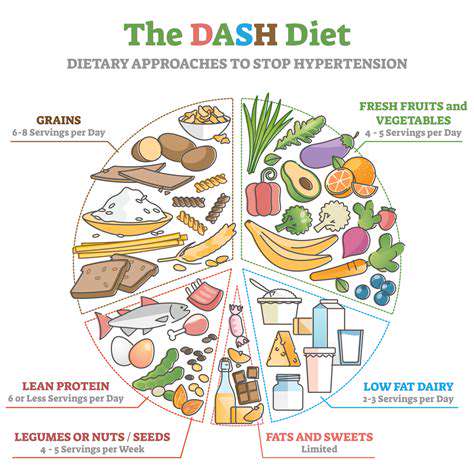
Creating a weekly meal plan starts with assessing your dietary needs and preferences. This includes considering any specific health goals, food allergies, and nutritional balance. Allocate time each week, perhaps on a Sunday, to sit down and draft your meals. Many nutritionists suggest incorporating a diverse range of protein sources, whole grains, and plenty of vegetables into your plan to cover all necessary nutrients.
Utilizing resources such as food blogs or meal planning apps can simplify the process. These tools often provide innovative recipe ideas tailored to various dietary restrictions, which can keep your meals exciting. The CDC notes that incorporating variety into your meals can prevent boredom and encourage adherence to healthy eating patterns.
Don't forget the importance of snack planning as well. Healthy snacks can help to regulate your blood sugar levels, which is essential for managing energy and minimizing cravings. Including options like fruits, nuts, or yogurt can provide needed energy between meals without derailing your dietary goals.
Sticking to Your Plan
Sticking to a meal plan requires a commitment to your health goals. It helps to schedule specific times for meal prep throughout the week. Consider designating a few hours on the weekend to thoroughly prepare your meals. This can include cooking in bulk, portioning out snacks, and even pre-chopping vegetables to expedite cooking during the week.
Accountability can also play a significant role in your success. Whether it's sharing your goals with a friend or participating in a meal preparation group, having support can motivate you to stick with your plan. Networking with individuals who share similar dietary goals can provide encouragement and new ideas to keep your meals interesting.
Lastly, be flexible. It's crucial to adapt your meal plan according to changing schedules or cravings. Having a list of backup meals can be particularly helpful for nights when preparation isn’t feasible, ensuring that you maintain the benefits of your plan without feeling deprived. Remember, consistency over perfection is key in maintaining a sustainable meal planning routine.
Incorporating Physical Activity Into Your Challenge
Benefits of Combining Physical Activity with Healthy Eating
Integrating physical activity into your 30-day healthy eating challenge significantly enhances your weight loss results by increasing caloric expenditure. Research shows that pairing regular exercise with dietary changes can boost metabolic rate more effectively than dieting alone. This dual approach helps preserve lean muscle mass while reducing fat, which is crucial for long-term weight management.
Choosing the Right Types of Exercise for Weight Loss
Not all physical activities yield the same weight loss benefits, so selecting exercises that burn calories efficiently and support muscle retention is important. High-intensity interval training (HIIT) is an excellent option because it alternates between intense bursts and recovery periods, promoting fat burning and cardiovascular health. Additionally, strength training exercises contribute to muscle growth, which boosts resting metabolic rate and improves body composition over time.
For beginners, walking or light jogging combined with bodyweight exercises can gradually build stamina and strength without overwhelming the body. Adjusting exercise intensity throughout the 30-day challenge ensures consistent progress while avoiding injury or burnout.
Integrating Physical Activity into a Busy Schedule
One common barrier to incorporating exercise during a diet challenge is time constraints. However, short, purposeful sessions integrated into daily routines can make a real difference. For example, 10- to 15-minute activity bursts—such as brisk walking, stair climbing, or quick circuit workouts—accumulate to improve fitness levels without requiring extensive time commitments.
Utilizing structured workout videos or mobile fitness apps can add flexibility and motivation, ensuring exercise fits into varied schedules. The key is consistency rather than duration, so staying active every day—even briefly—supports sustained weight loss throughout the month.
Planning exercise alongside meal prep or other healthy habits also creates synergy, increasing overall discipline and enhancing the challenge’s effectiveness.
Monitoring Progress and Adjusting Workouts
Tracking physical activity alongside dietary changes allows for data-driven adjustments. Using wearable fitness trackers or simple logs to record steps, workout duration, and intensity can reveal patterns useful for optimizing your routine. For instance, if weight loss plateaus, increasing cardio duration or integrating new strength exercises might break the stall.
Regular reassessment every week or two helps maintain motivation and ensures that the physical activity component stays aligned with your evolving fitness level and weight loss goals. Personalized modifications based on progress improve outcomes and reduce injury risk.
The Role of Recovery and Rest Days
Including rest and recovery in your exercise plan during the 30-day challenge is vital for sustainable progress. Adequate recovery allows muscles to repair and grow stronger, decreasing the likelihood of overtraining injuries. Especially when combined with a calorie deficit from healthy eating, the body needs downtime to maintain energy balance and hormonal health.
Active recovery activities, such as gentle yoga or stretching, support mobility and reduce soreness without adding physical stress. Scheduling at least one or two rest days per week during your challenge helps maintain consistency and improves long-term adherence to both exercise and nutrition goals.
Personalizing Activity Levels to Fit Individual Needs
Everyone’s starting point and preferences differ, so tailoring the type and intensity of physical activity to your current fitness level is critical. Beginners might opt for low-impact activities like swimming or walking, while intermediate exercisers could incorporate more resistance training or moderate cardio sessions. This customization reduces the risk of injury and improves enjoyment, increasing the likelihood of sticking with the challenge.
Listening to your body’s signals—such as fatigue or pain—and adjusting intensity accordingly prevents setbacks. Also, incorporating activities you enjoy boosts mental well-being and motivation, which are often overlooked yet crucial for sustained behavior change during a 30-day healthy eating and weight loss challenge.
Ultimately, the goal is to develop a balanced, enjoyable fitness habit that complements your eating plan and supports your weight loss journey not just during the challenge, but beyond.
Tracking Your Progress and Adjustments
Utilizing Quantitative Metrics for Effective Progress Tracking
When embarking on a 30-day healthy eating challenge, it is essential to rely on measurable data to monitor your progress. Tracking parameters such as body weight, body fat percentage, and waist circumference provides objective indicators of changes in your physique. According to a 2018 study published in the Journal of Nutrition, consistent monitoring of these metrics enhances adherence and motivation by offering tangible proof of advancement. For example, weekly weigh-ins combined with monthly circumference measurements can give a clear picture of fat loss rather than just weight fluctuations due to water retention or muscle gain. Integrating tools like smart scales and measuring tapes ensures precision and helps differentiate between fat loss and changes in muscle mass, which is especially important for maintaining metabolic health during weight loss efforts.
Incorporating Food Journals and Nutrient Analysis for Dietary Insights
Maintaining a detailed food journal allows you to track not only calorie intake but also nutrient distribution, which is crucial for a balanced diet during a weight loss challenge. Recording daily meals and snacks can reveal patterns or recurring pitfalls like excessive sugar consumption or insufficient protein intake. Research published in the American Journal of Preventive Medicine shows that individuals who keep food diaries are almost twice as likely to lose weight successfully compared to those who do not. Additionally, digital apps with nutrient analysis features can provide real-time feedback on macronutrient ratios, helping you adjust your meals to stay within recommended targets such as 30% protein, 40% carbohydrates, and 30% healthy fats. This approach promotes mindful eating and helps prevent nutrient deficiencies during calorie restriction.
Moreover, food journals can serve as reflective tools to identify emotional or situational triggers for unhealthy eating, facilitating long-term behavioral change beyond the 30-day period.
Adjusting Your Plan Based on Physical and Psychological Feedback
Effective tracking transcends numbers; it also involves paying attention to how your body and mind respond to dietary changes. Common physical signals such as energy levels, digestive comfort, and sleep quality can indicate whether your current eating plan suits you. For instance, low energy or frequent hunger pangs may suggest insufficient caloric intake or unbalanced macronutrients, warranting adjustments. Psychologically, feelings of deprivation or cravings can be addressed by incorporating more variety or occasional treats within caloric limits to maintain motivation. According to the Mayo Clinic, adapting a challenge to fit personal preferences increases the likelihood of sustained success, so flexible modifications should be viewed as part of progress rather than failure. Keeping a subjective log alongside objective measures fosters a holistic understanding of your journey.
Personal anecdotes often highlight the importance of recognizing subtle signs, like mood swings or concentration lapses, that numerical data alone might miss in guiding adjustments.
Setting Realistic Goals and Milestones to Avoid Plateaus
One common challenge in a 30-day healthy eating challenge is hitting a weight loss plateau, where progress stalls despite adherence to the plan. To prevent this, it’s important to set realistic and incremental goals that focus not just on the scale but on other health markers like improved endurance, reduced sugar intake, or increased vegetable servings. According to findings in the International Journal of Behavioral Nutrition and Physical Activity, breaking goals into smaller, achievable milestones boosts motivation and reinforces positive habits. For example, instead of aiming to lose 10 pounds in a month, try targeting 2 to 3 pounds weekly alongside enhancing meal variety and physical activity. Celebrating these smaller victories helps maintain momentum and provides psychological rewards that outshine the frustrating pause in weight changes. Adjustments might include modifying portion sizes or meal timing based on these interim results, fostering continuous, manageable progress.
Additionally, consulting with a nutritionist can help tailor these targets to your personal metabolism and lifestyle, optimizing outcomes without risking burnout or nutritional imbalances.
Read more about 30 Day Healthy Eating Challenge for Weight Loss