Performance
Tapering
Training
Performance Optimization
Taper Phase
Speed Endurance
Endurance
Nutrition
Athlete Recovery

Tapering for a Race: How to Maintain Speed and Endurance

Monitoring and Feedback

The most effective taper strategies incorporate ongoing monitoring of subjective and objective markers such as perceived fatigue, heart rate variability (HRV), and sleep quality. These indicators provide real-time feedback on how the taper is progressing and whether adjustments are necessary.

For instance, if an athlete feels excessively sluggish or reports decreased motivation, taper duration or training load might need modification. Conversely, if performance indicators remain high without signs of fatigue, shortening the taper might preserve race readiness more effectively.

Incorporating tools like power meters, GPS analysis, and lactate threshold testing during taper weeks can also inform the decision-making process, creating a dynamic taper plan that responds to the athlete’s evolving condition rather than relying solely on pre-set schedules.

Drawing from decades of experience working with competitive athletes, my advice is to remain flexible and responsive. The right taper duration can fluctuate based on subtle physiological cues; listening to your body combined with data insights will yield the best race outcomes.

3. Maintaining Speed During the Taper

3.MaintainingSpeedDuringtheTaper

During the taper phase, Maintaining speed hinges on preserving neuromuscular efficiency without exhausting energy reserves. This can be achieved by incorporating short, high-intensity interval sessions, such as 4-6 repeats of 200 meters at race pace with full recovery. Research from the Journal of Sports Sciences indicates that these targeted sprints help sustain muscle firing patterns critical for speed while allowing for proper recovery between efforts.

It's essential not to increase volume during taper but to focus on specific speed stimuli that remind your body of race conditions. Overdoing these sessions may provoke fatigue and compromise race readiness, so carefully monitor your response to these efforts in the days leading up to the event.

  • Reduced mileage prevents cumulative fatigue.
  • Allows muscles to repair and replenish glycogen.
  • Supports maintaining running economy at higher speeds.

Cutting back on overall running volume during the taper enables your body to heal and refuel essential muscle glycogen stores. This reduction correlates with improved leg turnover and running economy at race pace, which are critical for speed. A 20-30% decrease in mileage during the final 7-10 days has been shown to preserve endurance without substantial detriment to speed.

However, a complete drop in training volume can lead to a temporary reduction in fitness markers, so it’s vital to balance mileage cutbacks with preservation of intensity. Maintaining short bouts of running at race pace prevents the decline of physiological adaptations that underpin speed endurance.

Strategic recovery methods such as contrast baths, massage, and compression garments can accelerate muscle repair and reduce inflammation during tapering. Studies suggest that these techniques improve blood flow, aiding metabolite clearance, which supports better performance retention. Additionally, prioritizing high-quality sleep—aiming for 7-9 hours per night—plays a crucial role in central nervous system recovery, which directly impacts neuromuscular function critical to maintaining speed.

Personally, I advise runners to integrate active recovery days involving low-impact cross-training that keeps muscles engaged without causing additional stress. This gentle approach helps maintain muscle elasticity and readiness without undermining the reduced workload necessary during taper weeks.

While physical preparation is critical, psychological readiness also influences speed retention. Mental rehearsal techniques and visualization of race pace can help sharpen focus and reaction time, minimizing performance anxiety that might otherwise degrade speed. Furthermore, athletes benefit from maintaining a consistent but reduced training rhythm, which supports confidence and muscle memory.

In practice, I encourage athletes to schedule controlled tempo runs that simulate race intensity during taper. These runs not only preserve physiological adaptations but also reinforce pacing strategies, helping competitors execute optimal speed on race day. Maintaining this mental and physiological balance ensures you're primed to race fast without feeling drained.

4. Keeping Endurance in Check

4.KeepingEnduranceinCheck

Understanding the Role of Endurance in Training

Endurance training is crucial for runners looking to maximize their performance on race day. It builds the aerobic capacity of the body, allowing a runner to sustain higher speeds for longer periods. Without a solid base of endurance, speed becomes meaningless. Ideally, endurance should be developed through consistent long runs, recovery sessions, and tempo runs to teach the body how to utilize energy efficiently.

Research indicates that running longer distances at a comfortable pace can increase mitochondrial density in muscle cells, leading to improved performance. Studies have shown that a well-structured endurance program can enhance VO2 max, the maximum amount of oxygen that can be utilized by the body during intense activity. This is why integrating endurance training into your tapering plan is non-negotiable for serious athletes aiming for peak performance.

Methods for Monitoring Endurance Levels

Monitoring your endurance levels can be achieved through various methods, from heart rate tracking to perceived exertion scales. One common approach is the use of heart rate zones, where training occurs predominantly in the aerobic zone, helping you gauge your body's response. Regularly checking your heart rate can give you valuable insight into your fitness improvements. For example, if your resting heart rate decreases over time, this is a strong indicator of enhanced cardiovascular fitness.

Strategies to Maintain Endurance During Tapering

  • Gradually reduce mileage while maintaining intensity.
  • Incorporate short, high-intensity intervals to stimulate your fast-twitch muscle fibers.
  • Focus on nutrition to ensure adequate glycogen stores.

As you approach race day, it's essential to taper your training effectively while keeping endurance intact. Balancing the decrease in mileage—cutting back on your weekly distance by 20-30%—with high-intensity workouts ensures that your body remains accustomed to speed. This strategy can enhance your lactate threshold, allowing you to maintain your pace even as you reduce overall volume.

Moreover, maintaining a proper diet during this period is vital. Ensuring sufficient carbohydrate intake helps stave off fatigue and keeps energy levels high. Remember, a well-structured tapering phase can prevent burnout while reinforcing endurance capabilities, making for an optimal race day experience.

5. Nutritional Considerations During Tapering

Understanding Macronutrients

When tapering, it's crucial to adjust your macronutrient intake to ensure your body receives the right balance for recovery and performance. Typically, athletes have a higher focus on carbohydrates, proteins, and fats during this period. Carbohydrates should be prioritized as they serve as the primary fuel source for endurance activities. A study from the *Journal of Sports Sciences* suggests that increasing carbohydrate intake can boost muscle glycogen stores, optimal for race day.

Proteins are essential for muscle repair and recovery, especially after long training sessions. During tapering, consuming high-quality protein sources such as lean meats, fish, and legumes can support muscle synthesis without excessive caloric surplus. A daily intake of approximately 1.2 to 1.7 grams of protein per kilogram of body weight is recommended for endurance athletes, especially in the taper period.

Hydration Strategies

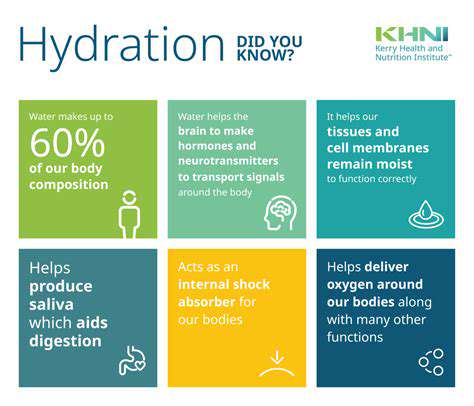
Maintaining proper hydration is a key consideration during the tapering phase. During intense training, athletes often push their hydration needs, but as intensity reduces, the requirements can shift. It's wise to closely monitor fluid intake, aiming for at least 2 to 3 liters of water daily to maintain optimal hydration levels. Don't forget about electrolytes; they play a vital role in maintaining bodily functions and can be replenished through sports drinks and electrolyte-rich foods.

The Role of Micronutrients

Micronutrients, while often overshadowed by macronutrients, play a significant role in an athlete’s recovery and performance during tapering. Vitamins, particularly Vitamin D and B vitamins, are crucial for energy metabolism and the immune system. Minerals such as iron and calcium support oxygen transport and bone health, respectively. A balanced diet rich in fruits, vegetables, and whole grains can help cover these micronutrient bases.

Additionally, a simple blood test can check for deficiencies in critical vitamins or minerals, allowing for targeted supplementation if necessary. Research has shown that addressing micronutrient deficiencies can enhance athletic performance, making it an important consideration during tapering.

Incorporating Supplements Wisely

Supplementation can be beneficial during tapering, but it should be approached with caution. Popular supplements such as branched-chain amino acids (BCAAs) may aid in muscle recovery when taken in appropriate doses, particularly during the tapering phase. It's essential to consult a nutritionist or sports dietitian to determine what works best for your needs, ensuring that any supplements do not interfere with your overall nutrition strategy.

Timing of Nutrient Intake

Strategically timing your nutrient intake can optimize recovery during tapering. Consuming a meal rich in carbohydrates and proteins about 30 minutes post-workout can enhance muscle recovery. This is known as the ‘anabolic window,’ a period where your muscles are primed to absorb nutrients efficiently. It's a great opportunity to integrate recovery shakes or whole foods to maximize benefits.

Furthermore, adjusting meal frequency is also vital. Eating smaller, more frequent meals can help maintain energy levels and support metabolic functions, which is particularly important when reducing training volume.

Listening to Your Body

One of the most critical aspects of tapering is listening to your body. As intensity decreases, it's normal to feel less fatigued, and hunger cues may change. Athletes should pay close attention to their energy levels, mood, and hunger signals. By being in tune with these changes, you can adjust your calorie intake accordingly to maintain the right balance for your training needs during tapering.

Lastly, keeping a food diary can help track your intake and responses. This method creates an opportunity for self-reflection, allowing for small adjustments based on how you're feeling. Engaging in this practice can provide insights that enhance your overall nutritional strategy leading up to the race.

Read more about Tapering for a Race: How to Maintain Speed and Endurance

Best Foods for Bone Health
May 03, 2025
How to Build a Balanced Vegetarian Meal Plan
Jul 07, 2025
Best Tips for Staying Hydrated Daily
Jul 08, 2025
Whole Foods, Substitutes, and Meal PrepWelcome to your ultimate resource for embracing a low-carb lifestyle! This comprehensive guide walks you through essential strategies, focusing on whole foods, innovative substitutes, effective meal planning, cooking techniques, and the importance of hydration and portion control. Focus on Whole FoodsUnderstanding whole foods is crucial. These are minimally processed foods free from artificial ingredients, including fresh fruits, vegetables, lean proteins, nuts, and seeds. Incorporating these into your diet helps regulate blood sugar, reduce cravings, and ensure you receive essential nutrients—key components in your weight loss journey. Opt for fresh apples over processed apple juice to make informed dietary choices. Shopping Tips for Whole FoodsWhen shopping, navigate the grocery store's perimeter, where fresh produce and proteins reside. Create a meal plan and shopping list weekly to ensure you have healthy options on hand. Local farmers' markets can offer seasonal and organic produce, enriching both your meals and your low-carb diet. Master Low-Carb SubstitutesSwitching from high-carb ingredients to healthier alternatives makes a significant impact. Think of ease in swaps: zucchini noodles can take the place of traditional pasta, or cauliflower rice can substitute for regular rice, slashing your carb intake without sacrificing flavor. Top Low-Carb Substitutes Include:- Zucchini noodles instead of traditional pasta- Cauliflower rice for regular rice- Almond or coconut flour replacing wheat flourThese choices are nutritious and keep your meals exciting while maintaining low-carb credentials. Plan and Prepare Meals Ahead of TimeMeal prepping saves time and promotes healthier eating habits. By dedicating one day a week to prepare your meals, you can avoid unhealthy last-minute options. Creating a weekly menu and shopping list enhances efficiency and helps you stay aligned with your weight-loss goals. Essential Steps for Effective Meal PlanningSelect nutritious recipes and organize your cooking schedule to include a variety of low-carb options. Store meals in airtight containers to maintain freshness. Easy reheating methods, such as steaming or using the oven, help retain flavors while preserving nutrients. Explore Flavorful Cooking TechniquesEmbrace cooking methods that enhance flavor without the added carbs. Techniques like sous vide, grilling, steaming, roasting, and stir-frying not only preserve the nutrients in your meals but also elevate their deliciousness. These methods use minimal fats, making them perfect for a low-carb diet. Stay Hydrated and Monitor PortionsHydration is vital in your weight loss journey. Aim to drink at least eight glasses of water daily, as staying hydrated can help control appetites. Combine hydration efforts with portion control by using smaller plates and always drinking water before meals to help reduce calorie intake.By following these guidelines, you can transform your approach to food, enjoying a balanced low-carb lifestyle that supports your health goals. Explore new flavors, incorporate whole foods, utilize low-carb substitutes, and stay hydrated for a successful dietary journey. Embrace this opportunity to savor delicious meals while achieving sustainable weight loss.
Feb 27, 2026
The Keys to SuccessIncorporate both active and passive recovery strategies into your plan. Adequate rest is crucial for muscle repair and preventing injuries. Schedule your recovery days wisely to enhance your performance in future workouts.By following these guidelines to develop a structured training plan, you can maximize your potential as a runner, ensuring you achieve your goals while maintaining a balanced and effective training regimen.
Feb 27, 2026
Key Strategies for SuccessAre you feeling stuck in your running routine? Whether you aim to improve your speed, build strength, or recover better, our guide offers essential strategies to help elevate your performance and break through training plateaus. 1. Reassess Your Training PlanStart by evaluating your current training regimen. Are you balancing speed work with long runs? Implement varied techniques like tempo runs and intervals weekly to stimulate improvements. Don’t forget to keep a training log to track your progress and recognize patterns. Recovery ProtocolsRecovery is key to enhancing your performance. Implement active recovery practices such as light jogging or yoga, ensure you have rest days, and focus on proper hydration and nutrition. Adequate recovery allows your body to repair and strengthens your resilience. 2. Focus on Strength TrainingIntegrating strength training into your running regimen can lead to significant improvements. Focus on major muscle groups that aid running, such as legs and core. Plan workouts 2-3 times a week to build power and durability, helping you run faster while minimizing injury risks. 3. Prioritize Recovery and NutritionRecovery cannot be overlooked. It's essential for muscle rebuilding and performance enhancement. Make sure to consume the right balance of protein, carbohydrates, and hydration post-workout. Active recovery techniques can further accelerate your recuperation. 4. Set Specific Goals and Track ProgressSetting SMART (Specific, Measurable, Achievable, Relevant, Time-bound) goals is crucial. Instead of vague aspirations, define clear targets that keep you accountable. Regularly reassess your goals, and use training logs to track your performance and make informed adjustments. 5. Engage with the Running CommunityJoining a running community, whether local or online, can boost your motivation and offer invaluable insights. Participate in group runs, workshops, and volunteer at races to deepen your connection to the sport while surrounding yourself with like-minded individuals. ConclusionImplementing these strategies can propel your running journey forward, helping you achieve both personal and performance goals. Remember, progress is a continuous journey, and engaging in community support can enhance your experience along the way. Ready to take your running to the next level? Explore our comprehensive guide for detailed insights and start breaking through those performance barriers today!
Mar 04, 2026
- Warm-up: 10-15 minutes of easy jogging- Intervals: 5-10 bursts of speed lasting 30-90 seconds, interspersed with recovery jogging- Cool down: Finish with 10 minutes of slow joggingChoose landmarks like trees or benches as pacing markers to help guide your intervals. This variability not only keeps your workouts interesting but also engages different muscle fibers, enhancing speed and endurance. Monitoring Progress SafelyTracking your progress is crucial in Fartlek training. Utilize a running app or fitness tracker to monitor your pace, distance, and heart rate. Regular evaluations can give you insights into your fitness improvements. Ensure safety by adequately warming up and paying attention to your body’s signals throughout the workout. If fatigue sets in, scale back on intensity to avoid injuries. Practical Tips for Fartlek Success1. Set Clear Goals: Determine if your focus is on speed, endurance, or simply a more enjoyable running experience.2. Choose the Right Environment: Select areas that allow for varied pacing, such as parks or trails.3. Listen to Your Body: Adapt the workout based on how you feel. Remember, flexibility is key. Addressing Common MistakesAvoid the pitfalls of overexertion during sprints, as maintaining sustainable speeds enhances training quality. Additionally, be mindful of planning your routes to include clear pacing markers to keep your intervals structured and purposeful. Embrace the BenefitsFartlek training not only enhances cardiovascular fitness but also promotes mental toughness and long-term adherence to your running routine. Its adaptability makes it a popular choice for runners of all experience levels. Whether you're aiming for a PR or simply want to enjoy your runs more, incorporating Fartlek can help you achieve your goals while adding variety to your training schedule.Unlock your potential and start enjoying the playful nature of Fartlek training in your routine today!
Mar 04, 2026
The Importance of Lactate Threshold and Tempo Runs Understanding Lactate ThresholdLactate Threshold (LT) is a critical marker for athletes, representing the exercise intensity where lactate begins to accumulate in the bloodstream, often correlating with endurance performance. By improving your LT, you can enhance your ability to maintain sustained efforts over longer durations. Why Tempo Runs MatterTempo runs are specially designed workouts that significantly improve lactate threshold. Research indicates that consistent tempo training can lead to adaptations in muscle metabolism, increasing your efficiency in oxygen usage and delaying fatigue during races. Incorporating these runs into your training plan can greatly enhance your performance. Benefits of Tempo Runs for Performance Enhanced Lactate ClearanceStudies show that tempo runs boost the body's ability to clear lactate, a key factor in preventing muscle fatigue during prolonged activities. Improved lactate clearance allows you to sustain speed and power, especially as your competition heats up. Frequency is KeyFor optimal results, incorporate tempo runs into your training schedule about once a week, gradually increasing intensity and duration while balancing recovery to avoid injury. Cross-Training for Better ResultsIn addition to running, cross-training activities like cycling or swimming can enhance your cardiovascular fitness, contributing to a greater lactate threshold without the impact stress of running. Mental Toughness DevelopmentTempo runs also play an essential role in building mental toughness. These sessions force you to confront physical discomfort, helping you develop resilience that translates into competitive advantage. Visualization techniques and setting realistic goals can further enhance your focus and commitment during races. Comprehensive Race PreparationA successful race day strategy involves more than just running tempo workouts. Include strength training, flexibility exercises, and proper nutrition into your preparation. Scheduling regular recovery days and utilizing monitoring tools can help you track progress and make timely adjustments. Maximizing Training EfficiencyTempo runs deliver significant performance benefits in minimal time. Commit just 20-30 minutes to these sessions, and you'll experience crucial adaptations that contribute to faster race times. Adjusting Your Training PlansIntegrate tempo runs smoothly into your training schedule with one or two sessions weekly, complemented by easy runs and intervals. Monitoring your progress with heart rate monitors can help ensure you're operating within desired intensity levels. Seek Expert GuidanceConsider working with a coach for tailored advice and feedback to optimize your training and help you achieve your race-day goals. Community support from fellow runners can also enhance motivation and accountability.Explore the transformative effects of tempo runs and learn how to improve your overall performance. Incorporate structured training focused on lactate threshold and watch your athleticism skyrocket!
Mar 07, 2026
Enhance Performance and Prevent InjuriesCross-training has become a vital practice for runners looking to elevate their performance while minimizing injury risk. This training technique involves diversifying workouts by integrating different forms of exercise into your routine, such as cycling, swimming, and strength training. By incorporating these varied activities, runners can improve their cardiovascular fitness and build strength in underutilized muscle groups. The Importance of Cross-TrainingResearch indicates that cross-training significantly reduces injury rates among runners. A study from the *Journal of Sports Medicine* found that diversifying workouts can lead to a 20% reduction in common running injuries. This approach allows specific muscle groups to recover while you maintain an active lifestyle, helping to prevent overuse injuries often associated with repetitive running. Benefits of Cross-Training for Runners1. Injury Prevention: By providing a break from the repetitive strain of running, cross-training allows muscles and joints time to recover.2. Improved Performance: Incorporating activities such as swimming can enhance lung capacity and stamina, resulting in faster times and improved endurance.3. Muscle Balance: Strength training complements running by improving core stability and lower body strength, which are vital for maintaining proper form during runs. Creating an Effective Cross-Training RoutineTo build a successful cross-training schedule, consider the following tips:- Select Enjoyable Activities: Choose exercises that complement your running goals, such as biking or yoga for flexibility.- Monitor Intensity: Start slowly and gradually increase the intensity and duration of cross-training sessions to avoid burnout.- Balance Your Schedule: Incorporate cross-training sessions around your running days—aim for 20-30% of your training volume to be dedicated to alternative workouts. Monitoring Your ProgressTracking your fitness can provide crucial insights into how cross-training impacts your running performance. Consider using fitness apps or wearables to assess your progress and make adjustments as needed. Recording times, recovery periods, and how your body feels after workouts can help fine-tune your training routine. The Mental Edge of Cross-TrainingDiverse training isn’t just beneficial physically; it also fosters mental resilience. By continually adapting to new challenges, runners can enhance problem-solving skills and enjoy a fresh perspective on training, making workouts more engaging. Numerous studies suggest that varied training helps prevent mental fatigue and burnout, keeping athletes motivated and focused on their goals.In summary, integrating cross-training into your running routine can significantly enhance performance, prevent injuries, and improve mental resilience. Embrace variety in your workout to not only elevate your running experience but also maintain enthusiasm during your training journey. Discover how to integrate effective cross-training practices into your regimen today and unlock your full running potential.
Mar 09, 2026
The Science Behind Gratitude and Athletic Performance OverviewGratitude is proving to be more than just a positive emotion; it plays a critical role in sports psychology and athletic performance. Research highlights that athletes who incorporate gratitude into their routines experience lower anxiety levels, increased focus, and an overall improvement in performance. This compelling connection between gratitude and sports is worth exploring for coaches, athletes, and sports organizations aiming to maximize their training effectiveness and mental resilience. Understanding Gratitude in Sports PsychologyGratitude significantly impacts athletes by fostering a positive environment centered around appreciation. Athletes who express gratitude toward coaches and teammates create a culture of collaboration and support, vital for high performance. This positive mindset not only boosts morale but enhances engagement in training and competitive settings. The Biochemistry of GratitudePracticing gratitude releases neurochemicals such as dopamine and serotonin, which are essential for mood regulation and motivation. This biochemical reaction can lead to increased emotional resilience and faster recovery rates from intense workouts, according to neuroscientific studies. Resilience and Gratitude in AthletesHigh-performance athletes face numerous challenges, including injuries and performance slumps. Regularly cultivating gratitude helps build mental resilience, allowing for effective bounce-backs during adverse situations. Athletes who maintain gratitude practices report lower levels of distress, enabling them to navigate challenges more successfully. Implementing Gratitude PracticesIncorporating simple gratitude practices into daily routines can yield significant mental benefits. Keeping a gratitude journal, sharing appreciations with teammates, or integrating team huddles can solidify positive experiences. Such practices boost camaraderie and create a collective positive mindset within the team. The Role of CoachesCoaches greatly influence athletes' gratitude practices by fostering an environment of appreciation. When coaches express gratitude to their athletes, it can enhance motivation and team cohesion. This acknowledgment cultivates trust and boosts performance, demonstrating the critical role of gratitude in building strong team dynamics. Mindfulness and GratitudeMindfulness, when combined with gratitude, offers extraordinary benefits for athletes. Mindfulness promotes being fully present, which helps reduce anxiety and enhance focus. Gratitude meditation can elevate emotional health and resilience, leading to improved performance and lower performance anxiety. Gratitude Journaling TechniquesEstablishing a gratitude journaling routine is essential for athletes. Whether opting for traditional handwritten journals or digital applications, athletes can track their mental health and performance metrics over time. Regularly reflecting on specific moments of gratitude helps reinforce a positive mindset and emotional regulation. Long-Term EffectsThe long-term integration of gratitude and mindfulness practices can fundamentally reshape an athlete's mental framework. Sustained practice can lead to lasting improvements in emotional regulation, resilience, and overall satisfaction in their athletic journey. ConclusionRecognizing gratitude's vital role in sports can transform an athlete's experience and performance. By integrating gratitude practices into their daily routines, athletes stand to enhance their resilience, emotional health, and overall athletic performance.
Mar 10, 2026
carbohydrates, proteins, and fats. Carbohydrates should dominate your intake, providing the quick energy needed for endurance activities. Aim for 7-10 grams per kilogram of body weight in the days leading up to your run. Proteins play a crucial role in muscle repair, with a recommended intake of 1.2 to 1.4 grams per kilogram for those engaging in high-volume running. Healthy fats contribute to long-term energy and should make up 20-35% of your daily calories. Hydration GuidelinesHydration is vital for performance and recovery. Drink 17-20 ounces of water a few hours before running and stay consistently hydrated throughout your run—aim for 7-10 ounces every 10-20 minutes, using electrolyte drinks for runs longer than an hour. This helps combat fatigue and sustains stamina. Foods to Fuel Your RunsPre- and post-run nutrition can't be overlooked. Focus on complex carbohydrates such as whole grains, fruits, and vegetables for consistent energy. A meal rich in carbohydrates 3-4 hours before your run can make all the difference. After exercising, consume a recovery meal with a 3:1 ratio of carbohydrates to protein to promote muscle recovery effectively. The Role of ElectrolytesElectrolytes like sodium, potassium, calcium, and magnesium are crucial for maintaining fluid balance and preventing cramps during intense running. Incorporate foods or sports drinks that replenish these essential nutrients to maintain performance levels. Pacing Yourself WiselyUnderstanding energy zones can significantly enhance your pacing strategy. Most runners should start in Zone 1 to warm up gradually. Creating a strategic pace plan that incorporates negative splits helps manage energy efficiently. Mental Strategies for SuccessVisualization techniques and positive self-talk can enhance focus and resilience when the going gets tough. Practicing mindfulness and breathing techniques during your runs helps maintain clarity and a relaxed posture. Incorporating Interval TrainingImplementing interval training can improve both speed and endurance by alternating high-intensity bursts with resting periods. Craft a personalized plan based on your goals for speed or stamina, and track your progress to make necessary adjustments. Recovery StrategiesPost-run recovery is essential in preventing injuries and ensuring long-term performance. Embrace active recovery techniques like low-intensity activities and foam rolling, and maintain a balanced diet rich in carbohydrates and protein for optimal muscle repair. ConclusionEvery runner's nutritional and recovery needs vary. Pay close attention to what works best for you—consider consulting with a registered dietitian specializing in sports nutrition to tailor a personalized dietary plan. Follow these guidelines to maximize your running performance, ensuring you're prepared for every challenge on the road ahead.
Mar 17, 2026
A Time-SaverUtilizing one-pot cooking techniques like stews or casseroles minimizes cleanup while allowing flavors to meld deliciously. This method is not only time-efficient but also maximizes nutrient retention—ensuring your meals are wholesome and tasty. Batch Cooking BenefitsBatch cooking is another effective strategy where larger quantities of food are prepared in advance. This method provides healthy meals throughout the week, reducing the temptation to reach for unhealthy fast-food options. Quick Cooking TechniquesQuick cooking methods such as grilling, broiling, and sautéing can rapidly create flavorful meals while preserving nutrients. These techniques make it easy to incorporate fresh ingredients, leading to better health outcomes. Smart Ingredient ChoicesFocus on nutrient-dense foods, such as leafy greens, fruits, and legumes, to support your health. Additionally, quick protein sources like canned beans and frozen chicken can make meal assembly a breeze. Efficient Meal Planning TechniquesLeverage technology for meal planning, using apps to create tailor-made grocery lists that reduce waste. By efficiently mapping out your meals, you can optimize your shopping experience and ensure you have the necessary ingredients on hand. Balanced Nutrition on a Tight ScheduleUnderstanding the components of balanced nutrition is vital for maintaining optimal health. Emphasize a mix of carbohydrates, proteins, and fats while keeping track of your nutrient intake. Smart Shopping HabitsWhen shopping on a tight schedule, organizing your list by food categories can help keep you focused. Choose whole foods over processed items to ensure you're integrating nutritional value without sacrificing time. Healthy Snacking OptionsHealthy snacking is essential for maintaining energy levels throughout the day. Stock up on nutritious options like nuts and yogurt and consider preparing snack packs in advance as part of your meal prep routine. Educate Yourself on NutritionKnowledge about nutrition empowers you to make wise dietary choices. Utilize resources like nutrition labels, mobile apps, and community workshops to enhance your understanding and competence in meal planning.With these tips for meal planning and prepping, you can effectively manage your time in the kitchen without compromising on health. Start implementing these strategies today to transform your mealtime routine!
Mar 22, 2026
View Publications>>

Hot Recommendations