Nutrition
Weight Management
Meal Planning
Healthy Eating

Plant Based Meal Plans for Effective Weight Management

carbohydrates, proteins, and fats. A well-balanced meal integrates each of these nutrients in appropriate portions. Research shows that a balanced intake can support sustained energy levels and promote overall health. For instance, including whole grains as a carbohydrate source not only provides energy but also dietary fiber, which is crucial for digestive health.

Proteins are often a concern for those transitioning to plant-based diets. Sources such as legumes, tofu, and tempeh can offer the necessary amino acids needed for muscle maintenance and repair. In fact, studies indicate that diversifying protein sources in vegetarian diets can significantly impact muscle health, especially in older adults.

Practical Tips for Creating Your Plant-Based Meal Plan

To effectively design a Plant-Based Meal Plan, start by incorporating a variety of colorful fruits and vegetables. This not only enhances the aesthetic appeal of your meals but also ensures a broad spectrum of vitamins and minerals. A guideline often recommended by nutritionists is to fill half your plate with vegetables, which can help reduce caloric intake while maximizing nutrients.

Additionally, consider meal prepping to simplify your weekly planning. Dedicate a few hours a week to prepare grains, chop vegetables, and cook legumes. This strategy saves time during busy weekdays and promotes adherence to your healthy eating goals. Furthermore, tools like food journals can be instrumental in tracking intake and ensuring nutritional needs are being met.

Sample Plant-Based Meal Plan for Weight Management

Understanding Plant-Based Nutrition

Plant-Based Nutrition focuses on foods primarily derived from plants. This includes not only fruits and vegetables, but also nuts, seeds, oils, whole grains, legumes, and beans. Research has shown that diets rich in whole plant foods can significantly improve health outcomes, such as weight management and reducing the risk of chronic diseases. The key is to emphasize variety and balance in your food choices to encompass all essential nutrients.

For those considering a shift towards plant-based eating, understanding the nutrient profile of various foods is crucial. For instance, legumes and beans are excellent sources of protein and fiber, which are vital for satiety and muscle maintenance. Similarly, whole grains like quinoa and brown rice provide vital nutrients while also keeping your energy levels stable.

Sample Meal Plan Overview

Here’s a simple plant-based meal plan tailored for weight management. This plan includes breakfast, lunch, dinner, and snacks that emphasize whole foods while ensuring nutritional adequacy. It’s designed to keep you full and satisfied without compromising your dietary goals. Each meal is thoughtfully structured for optimal nutrient intake, maintaining a balance of macronutrients while also being rich in dietary fiber.

Breakfast Ideas

Starting your day with a nourishing breakfast is essential. One excellent option is oatmeal topped with fresh berries and a sprinkle of flaxseeds. This meal provides complex carbohydrates and healthy fats which can keep you energized for hours. Alternatively, avocado toast on whole grain bread adds a delightful mix of healthy fats, fiber, and flavor, setting a positive tone for your day.

You may also consider a smoothie made with spinach, banana, and almond milk, blended with chia seeds for additional fiber and omega-3 fatty acids. Such a combination not only tastes good but also provides a quick and convenient breakfast packed with nutrients.

Lunch Suggestions

For lunch, a hearty salad mixed with leafy greens, chickpeas, quinoa, and a variety of colorful vegetables can offer a wealth of vitamins and minerals. Drizzle with a tahini dressing for extra flavor and healthy fats. Another great option is a whole grain wrap filled with hummus, shredded carrots, fresh spinach, and bell peppers, providing a satisfying crunch and diverse textures.

Healthy Snack Options

When it comes to snacks, choosing Nutrient-Dense Options is key to avoiding unhealthy cravings. Consider sliced cucumbers and bell peppers with a homemade bean dip as a crunchy, satisfying treat. Alternatively, a small handful of mixed nuts can provide protein and healthy fats, ensuring you remain satiated between meals.

Evening Meals

Dinner can be exciting and flavorful with various plant-based dishes. A lentil stew flavored with spices and served with brown rice can provide a comforting, well-rounded meal. Alternatively, stir-fried tofu with broccoli, bell peppers, and carrots served over whole grain rice offers a delicious way to enhance your vegetable intake.

For those who prefer pasta, consider whole grain or legume-based pasta, tossed with a homemade marinara sauce filled with vegetables. This not only enhances the flavors but also ensures you meet your nutritional needs.

Hydration and Its Role in Weight Management

Keeping hydrated is critical for weight management, especially on a plant-based diet where fiber intake is higher. Water aids in digestion and promotes a sense of fullness, which can prevent overeating. Aim for at least eight glasses a day, and consider herbal teas or infused water for variety. Additionally, consuming liquid calories, like smoothies, in moderation is essential since they can add up quickly without promoting satiety.

Monitoring Progress and Staying Motivated

As you embark on your plant-based weight management journey, tracking your food intake and weight changes can provide valuable feedback. Simple apps or journals can help you stay accountable. Additionally, consider connecting with a community focused on plant-based eating; this can promote motivation through shared experiences and support.

Remember, weight management is not just about what you eat but also fostering a relationship with food that is sustainable. Focus on long-term changes rather than quick fixes. Celebrate small victories along the way and adjust your meal plan as needed, depending on your progress and personal satisfaction with the foods you choose.

Tips for Maintaining Long-Term Success on a Plant-Based Diet
TipsforMaintainingLong-TermSuccessonaPlant-BasedDiet

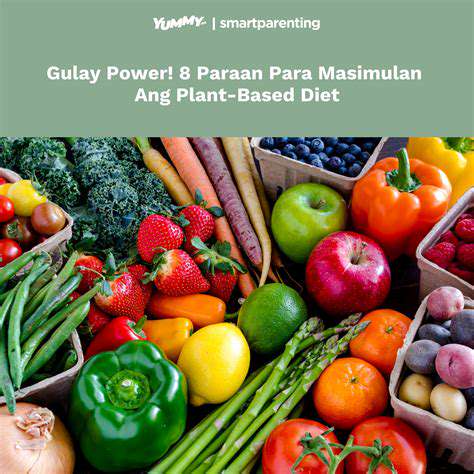
When following a Plant-based diet for weight management, ensuring that meals are both balanced and nutrient-packed is crucial. Focus on incorporating a variety of whole foods such as legumes, whole grains, nuts, seeds, and a spectrum of colorful vegetables. This diversity helps cover essential macronutrients like protein, healthy fats, and complex carbohydrates, alongside vital micronutrients including iron, calcium, and vitamin B12. Research from the Academy of Nutrition and Dietetics indicates that well-planned plant-based diets offer all necessary nutrients for optimal health, which directly supports sustained weight control.

Incorporating a variety of plant protein sources is essential, as it not only bolsters muscle maintenance during weight loss but also increases satiety. Including items like lentils, chickpeas, tofu, and quinoa in daily meals ensures you're getting complete protein profiles, which can sometimes be overlooked in plant-based regimens.

  • Hydration aids digestion and appetite control.
  • Portion control prevents overeating, even with healthy foods.
  • Tracking portions can highlight unintentional calorie surplus.

Keeping adequate hydration is often undervalued but plays a significant role in weight management. Drinking water before meals can reduce caloric intake by promoting early satiety and can improve metabolic function. A study published in the journal Obesity showed that participants who drank 500 ml of water before meals consumed significantly fewer calories. Alongside hydration, being mindful of portion sizes remains essential because even plant-based foods can be calorie-dense. For example, a handful of nuts might add up quickly in calories, potentially hindering weight loss efforts if not moderated.

Exercise complements a plant-based diet by enhancing calorie expenditure and improving metabolic health. Engaging in a mixture of aerobic activities and resistance training can help maintain lean muscle mass during weight loss phases, which is key for boosting basal metabolic rate. A 2018 study in the Journal of the International Society of Sports Nutrition found that combining plant-based nutrition with regular workouts improved body composition more effectively than diet alone.

Furthermore, physical activity contributes to mental well-being, which can foster long-term adherence to dietary changes. Try fitting in at least 150 minutes of moderate exercise weekly, like brisk walking, cycling, or swimming, to maximize benefits.

One of the practical challenges of maintaining a plant-based diet long term is navigating social environments and dining out. Preparing in advance by researching menu options or suggesting venues with plant-forward choices makes sticking to your goals easier. Many restaurants now offer plant-based meals, but it's wise to double-check ingredients to avoid hidden animal products or excess calories from dressings and sauces.

Additionally, bringing your own snacks or side dishes to gatherings can prevent impulsive eating decisions. By having a strategy for these scenarios, you minimize dietary slip-ups that could derail progress.

  • Maintain a food and activity journal.
  • Use apps or wearable devices to monitor calorie balance.
  • Regularly review and adjust dietary plans based on results.

Tracking what you eat and your physical activity levels provides valuable insight into your habits and helps identify areas for improvement. For example, using apps like MyFitnessPal or Cronometer can offer detailed nutrient breakdowns that reveal if you're deficient in critical vitamins or consuming too many calories unintentionally. Regularly assessing progress through weigh-ins or body measurements, while avoiding obsession with the scale, allows for evidence-based tweaks in your meal plan or workout routine. This ongoing feedback loop is key to sustaining weight management through a plant-based approach.

Read more about Plant Based Meal Plans for Effective Weight Management
Healthy Recipes for Busy Families
May 03, 2025
Guide to Managing Type 2 Diabetes Naturally
May 15, 2025
How to Plan a Healthy Grocery List
May 15, 2025
Guide to Eating Healthy While Dining Out
May 17, 2025
How to Cook Healthy Meals Fast
May 26, 2025
Best Post Workout Nutrition Strategies for Recovery
May 27, 2025
How to Create a Healthy Environment for Sleep
Jun 30, 2025
A Nutritious and Flavorful DishDiscover the benefits of a hearty Chicken and Vegetable Stew, a perfect meal for those seeking to balance taste with nutrition. Utilizing lean chicken breast, a variety of colorful vegetables, and low-sodium chicken broth, this stew is not only satisfying but promotes a healthier lifestyle by aligning with weight loss goals. Ingredients for a Nutritious StewCraft this delicious stew using essential ingredients such as lean chicken breast—rich in protein and low in fat—as well as vibrant vegetables like carrots, zucchini, and bell peppers, packed with vitamins and minerals. Enhance the flavor with fresh herbs like thyme and rosemary, while maintaining low sodium levels with broth. Legumes, such as lentils, can be added for an extra boost of fiber and protein, making this dish an excellent choice for anyone focusing on health. Preparation Tips for Slow CookingPreparation is crucial when making a successful slow cooker stew. Start by evenly chopping all vegetables and searing the chicken to lock in flavor before layering them in the slow cooker. Remember to place heartier veggies at the bottom to ensure everything cooks evenly. Cooking on low allows the flavors to meld beautifully, producing a savory meal that’s perfect for any occasion. Nutrition Benefits of the StewThis healthy stew is abundant in nutritional benefits. The lean protein from chicken supports muscle maintenance, while the diverse vegetables provide dietary fiber essential for digestive health. Research shows that diets high in vegetables and lean proteins can contribute to lower body mass index (BMI) and reduce chronic diseases. Serving Suggestions and VariationsServe this delicious stew with whole-grain bread or a fresh salad to enhance its nutritional value. Feel free to mix seasonal vegetables for variety and consider adding spices like cayenne for a bit of heat. Garnishing the stew with fresh herbs or a squeeze of lemon can elevate the flavor profile even more.--- Quinoa and Black Bean Chili: A Hearty and Healthy DelightDive into the rich flavors of Quinoa and Black Bean Chili. Made with nutrient-dense ingredients like quinoa and black beans, this dish is ideal for weight management, offering both deliciousness and health benefits. Health Benefits of Quinoa and Black Bean ChiliQuinoa serves as a complete protein while black beans deliver valuable fiber and antioxidants known to enhance heart health and digestion. Loaded with vitamins from various vegetables, this chili can help keep you full longer and assist with weight management.--- Vegetable and Lentil Soup: Heartwarming and NutritiousStart your journey to better health with Vegetable and Lentil Soup. This nutrient-dense dish is perfect for anyone aiming for a fulfilling meal with minimal calories. Ingredients That MatterUsing fresh vegetables and lentils ensures maximum flavor and nutrition. Ingredients like carrots, bell peppers, and low-sodium vegetable broth contribute to a deliciously wholesome soup.--- Slow Cooker Spaghetti Squash with Marinara Sauce: Light and FlavorfulEnjoy a guilt-free meal with Spaghetti Squash paired with Marinara Sauce. This dish is a fantastic low-calorie option that offers essential nutrients without compromising on taste. Serving Suggestions for Weight LossServe your spaghetti squash topped with fresh basil or a sprinkle of parmesan for added flavor. Pair it with a side salad for a balanced meal that satiates without overindulging.--- Mango Coconut Chia Pudding: A Delightful SnackFor something sweet yet nutritious, indulge in Mango Coconut Chia Pudding. Loaded with omega-3 fatty acids and fiber, it makes for a great snack while supporting your weight loss journey. Incorporating Pudding into a Weight Loss PlanThis pudding can help curb cravings and maintain energy levels throughout the day. Integrated with a balanced diet, it acts as an excellent meal replacement or a healthy snack option.---Explore these nutritious recipes to support your health and weight management goals while enjoying delicious meals that your whole family will love!
Feb 28, 2026
Maximizing Your Weight Loss and Performance What is Fasted Running?Fasted Running is the practice of exercising on an empty stomach, typically done after an overnight fast. This approach is believed to enhance fat oxidation and improve metabolic adaptations. Runners often choose early morning sessions to maximize these benefits before breakfast. Research shows that fasted runners can burn up to 20% more fat compared to those who eat before exercising. Benefits of Fasted Running for Weight LossEngaging in fasted running can significantly enhance fat burning, leading to improved body composition over time. This method stimulates hormonal responses that promote fat loss, including increased levels of growth hormone and improved insulin sensitivity, crucial for effective weight management. Additionally, fasted running allows for a more flexible training schedule, eliminates the need for pre-run meals, and often results in improved mental clarity. Potential Risks and ConsiderationsWhile fasted running has many advantages, there are risks to consider, such as decreased performance, fatigue, and possible nausea. It’s essential to listen to your body and recognize whether fasting before runs works for you. Balancing fasted running with a nutritious diet is crucial to prevent muscle breakdown and other negative outcomes. How to Safely Incorporate Fasted RunningTo begin fasted running, schedule shorter sessions of 20-30 minutes to allow your body to adapt. Gradually increase intensity as your fitness level improves, and prioritize hydration. Mixing fasted runs with fed runs can help balance the benefits. Pay attention to your body’s responses; if fatigue occurs, reassess your strategy. Personalizing Your Fasted Running ExperienceTailor your fasted running regimen to fit your individual fitness goals and lifestyle. Experimenting with fast durations and running times can lead to the best results. It may also be beneficial to incorporate various workout types to optimize your endurance and maintain engagement. Enhanced Fat Oxidation and PerformanceFasted running encourages the body to use fat as its primary energy source, which can lead to increased energy expenditure and improved endurance. Regularly practicing fasted running can help your body become more efficient at burning fat, ultimately aiding in your weight loss journey. Nutritional Strategies for Fasted RunningOptimize pre- and post-run nutrition with balanced meals rich in carbohydrates, proteins, and healthy fats during non-fasting hours to replenish glycogen stores and aid recovery. Pay attention to post-workout nutrition to maximize recovery and muscle repair. Addressing Myths and Common ConcernsFears regarding muscle loss and workout effectiveness can deter individuals from fasted running. However, studies indicate that muscle preservation is possible when balanced with adequate nutrition during feeding windows. Embracing this form of training can lead to enhanced metabolic flexibility and outstanding long-term benefits.By understanding the principles of fasted running and implementing a personalized approach, you can maximize both your weight loss and performance. Consult with health and nutrition experts to ensure that you remain healthy and effective in your fasted running journey.
Mar 06, 2026
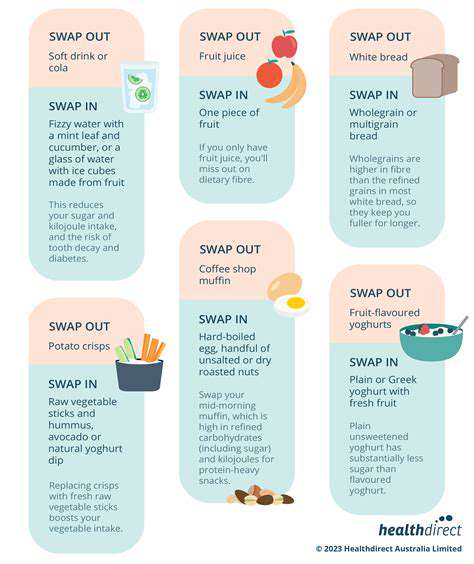
Simple Dietary Swaps for a Better Lifestyle IntroductionEmbarking on a journey towards better health can be as straightforward as swapping a few items in your diet. This guide highlights five impactful changes you can make to enhance your nutrition, boost your energy levels, and reduce the risk of chronic disease. From choosing whole grains to replacing sugary delights with fresh fruits, discover practical strategies for lasting health benefits. 1. Switch to Whole GrainsWhole grains are rich in essential nutrients, keeping the bran, germ, and endosperm intact, delivering more fiber, vitamins, and minerals than refined options. Research shows that incorporating whole grains can lower the risk of heart disease, type 2 diabetes, and certain cancers. Start by swapping white rice for brown rice or quinoa, and opt for whole grain pasta. A simple bowl of oatmeal topped with fruits can kick off your day with sustained energy. 2. Opt for Low-Fat Dairy ProductsTransitioning to low-fat dairy options, like skim milk or Greek yogurt, is an effective way to enjoy dairy's nutritional benefits while cutting calories. These products provide necessary calcium for bone health and protein for muscle repair, supporting your body in various ways. Be mindful of packaging as non-dairy alternatives, while lower in calories, might contain added sugars. 3. Choose Fresh Fruits Over Sugary SnacksFresh fruits are a powerhouse of vitamins, minerals, and antioxidants. By selecting fruits over processed sugary snacks, you not only consume fewer calories but also benefit from their natural sweetness and fiber content. For example, a medium apple has about 95 calories, whereas a candy bar might range from 200 to 300 calories. Keep a bowl of fresh fruit visible to encourage healthier snacking habits. 4. Replace Sugary Beverages with Water or Herbal TeaSugary beverages often contribute to unwanted calorie intake with little nutritional value. For instance, a can of soda can pack up to 150 calories, while water offers hydration without any extra calories. Make the switch by gradually reducing sugary drinks and integrating herbal teas, which can also offer additional health benefits. Consider flavoring water with fruits or herbs to enhance the experience. 5. Ditch the Chips for PopcornPopcorn is a whole grain with about 30 calories per cup when air-popped, making it a smarter snack choice compared to chips, which can contain over 150 calories per ounce. Not only does popcorn provide fiber to keep you full, but it can also be seasoned in various ways to keep your snacking exciting. Stick to air-popped varieties and control portion sizes to further improve your dietary choices. ConclusionAdopting these five dietary swaps not only paves the way for improved nutrition but also fosters healthier habits that can lead to significant long-term results. With straightforward replacements, you can embark on a new phase of health that benefits both your physical and mental well-being. Start making these changes today, and enjoy the journey towards a healthier lifestyle!
Mar 06, 2026
Quick and Easy Protein-Packed Snack IdeasEnhance your nutrition with our comprehensive guide to quick and easy protein-packed snacks perfect for busy lifestyles. Discover nutrient-rich options that deliver satisfaction and fuel your day! 1. Greek Yogurt with ToppingsGreek yogurt is a fantastic choice, boasting around 20 grams of protein per cup. Elevate its creamy goodness by adding nutrient-rich toppings such as nuts for healthy fats, fresh berries for antioxidants, or chia seeds for a fiber boost. A quick and versatile option, Greek yogurt can be customized to your taste and dietary needs. 2. Classic Hard-Boiled EggsHard-boiled eggs are a timeless staple, providing about 6 grams of protein each. They can be prepared in bulk and stored in the fridge for an easy grab-and-go snack. Season with spices or sauces for enhanced flavor without extra calories. 3. Convenient Tuna PacksFor a hassle-free protein source, opt for tuna packs. Each 2.6-ounce pack offers approximately 20 grams of protein. Easily portable, combine it with whole-grain crackers or hummus for a satisfying snack, available in various flavors for variety. 4. Cottage Cheese and FruitCottage cheese is a powerhouse snack that delivers around 28 grams of protein per cup. Pair it with fruits like peaches or pineapple for a delicious blend of vitamins and taste. Add honey or cinnamon for extra flavor and health benefits. 5. Smart Protein BarsNot all protein bars are created equal. Choose wisely by looking for bars containing 10-20 grams of protein and low added sugars. A focus on natural ingredients can help with muscle recovery, making them a convenient option for those on the go. Nutritious Trail MixCreate your own trail mix by combining protein-packed nuts and seeds along with a touch of dried fruit or dark chocolate for sweetness. This snack is ideal for sustained energy and satiety throughout busy days. Homemade High-Protein SnacksConsider making high-protein snacks at home, such as Greek yogurt parfaits, chickpea hummus, or protein energy balls. These options allow for control over ingredients and flavors while being easy to prepare in bulk. The Importance of ProteinUnderstanding the role of protein in your diet is crucial. It helps in muscle repair, weight management, and increases feelings of fullness. Incorporate high-protein snacks into your daily regimen for better energy management. ConclusionA diverse array of high-protein snacks can seamlessly fit into any busy lifestyle, helping you stay nourished while managing hunger. With options like Greek yogurt, hard-boiled eggs, and homemade bars, you can maintain a balanced diet without sacrificing convenience. Remember to plan your snacks in advance for optimal nutrition and satisfaction!For more delicious snack ideas and dietary tips, explore our other articles on health and wellness. With these simple strategies, you can effectively incorporate high-protein options into your diet, leading to better health and well-being.
Mar 14, 2026
A Pathway to Healthier Living Discover the Power of Mindful EatingMindful eating is more than a diet; it's a transformative practice that fosters awareness of your eating habits. By focusing on the sensations of taste, texture, and aroma, individuals can develop a deeper connection to their food, leading to improved health outcomes. Engaging fully in meals helps recognize true hunger cues and emotional triggers that contribute to unhealthy eating patterns. Research has shown that practicing mindful eating can aid in weight management by promoting satisfaction and reducing binge eating episodes. The Influence of Gratitude on EatingGratitude enhances not only the experience of eating but also promotes a positive mindset. When you express appreciation for your meal, you're likely to enjoy it more, fostering a deeper relationship with food. Studies suggest that gratitude correlates with healthier food choices, leading to improved well-being. Taking a moment before meals to acknowledge the effort behind your food can transform the dining experience into a reflective and fulfilling ritual. Synergizing Mindful Eating and GratitudeMindful eating and gratitude are interconnected practices that elevate our eating experiences. As you practice mindfulness, you naturally cultivate gratitude, which solidifies a healthier relationship with food. This synergy enhances overall health, promoting better digestion, metabolism, and emotional well-being. By incorporating gratitude into your eating habits, you can experience a greater appreciation for your nourishment and a reduced likelihood of emotional eating. Practical Steps to Enhance Your Eating ExperienceTo integrate mindful eating and gratitude into your routine, consider these practical steps:1. Set Distraction-Free Meal Times: Allocate specific times for meals, free from phones and televisions, to focus solely on the act of eating.2. Practice Gratitude: Before your meal, take a moment to express thanks for your food, considering its journey from farm to table.3. Savor Each Bite: Engage fully with your food, allowing time to relish the flavors and textures.By adopting these practices, you can transform eating from a mindless habit into a meaningful ritual that nourishes both body and mind. The Benefits of a Mindful and Grateful Eating RoutineCombining mindful eating with gratitude offers numerous physical and emotional benefits. Research indicates that this approach can lead to:- Enhanced Awareness of Food Choices: Individuals become more critical of their dietary decisions, leading to healthier selections.- Promotion of Positive Eating Habits: A focus on gratitude encourages slower eating, allowing for better digestion and overall enjoyment of meals.- Improved Mental Health Outcomes: Mindfulness and gratitude practices can reduce stress and anxiety, fostering a healthier relationship with food. ConclusionIncorporating mindful eating and gratitude into your daily routine can lead to transformative changes in your relationship with food. By enhancing your awareness, fostering appreciation, and making informed choices, you pave the way for a healthier lifestyle that benefits both body and mind. Embrace these practices today and experience the profound impact they can have on your overall well-being.
Mar 17, 2026
View Publications>>

Hot Recommendations