How to Improve Your Running Stride Naturally
When you focus on these elements, it becomes more manageable to achieve a balanced running stance. Your body mechanics should enable a clean stride, making each step as effective as possible. Each component contributes to a streamlined posture that helps prevent injuries and enhances performance.
The Role of Core Strength in Maintaining Posture
One critical aspect of maintaining good posture while running is having a strong core. A well-conditioned core acts as a stabilizer, helping to keep your body upright and aligned. Regular core exercises not only improve your posture but also contribute to better coordination of movements, allowing for a more fluid running experience.
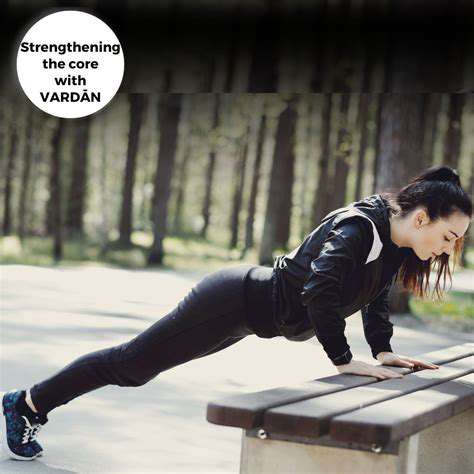
Incorporating exercises like planks, bridges, and rotations into your routine can significantly enhance your stability. As a result, you'll find that maintaining an upright posture during your runs becomes more manageable, leading to less fatigue and improved performance.
Exercises to Improve Your Running Posture
There are specific exercises designed to strengthen the muscles that support good running posture. For example, incorporating squats and lunges can help engage the glutes and quadriceps, essential for an effective stride. Additionally, flexibility exercises such as hip openers and shoulder stretches can enhance your overall range of motion.
Practicing these exercises consistently is key. By dedicating time to posture-specific training, you can develop muscle memory, which will help reinforce good habits while running. This is an area where many amateur runners often overlook, potentially missing out on significant performance gains.
Common Postural Mistakes Made by Runners
One common mistake among runners is excessive forward lean, which can strain the lower back. It's vital to find the right balance that allows you to run efficiently without compromising your form. Another issue is rounded shoulders, which can restrict breathing and lead to inefficient oxygen uptake during more extended runs.
By being aware of these common pitfalls, you can make adjustments in real-time. Regular video analyses or feedback from experienced runners can provide insights into your form, helping to identify areas that require improvement.
Long-term Benefits of Good Posture for Runners
Maintaining proper posture while running leads to several long-term benefits. Not only can you enhance your speed, but you may also decrease your risk of injuries over time. Studies have shown that runners who focus on their posture report fewer issues related to joint pain and muscle strains.
Ultimately, good posture contributes to a lower energy expenditure during runs. This means that as you build your endurance, you'll find it easier to maintain your stride over longer distances, improving your overall running experience.
2. Shorten Your Stride for Enhanced Speed
Understanding the Importance of Stride Length
Stride length refers to the distance covered in a single step while running. It's a critical factor influencing running efficiency and speed. Research shows that an optimal stride length can reduce energy expenditure, allowing you to run faster without additional effort. In contrast, overstriding—taking exceptionally long strides—can lead to inefficiencies and increase the risk of injuries.
Taking smaller, controlled strides promotes a more stable and balanced running technique. This not only improves your overall performance but also helps in minimizing the impact on your joints. A study published in the Journal of Sports Sciences indicated that runners who adopted a shorter stride experienced fewer injuries over time compared to those who maintained longer strides.
Techniques for Shortening Your Stride
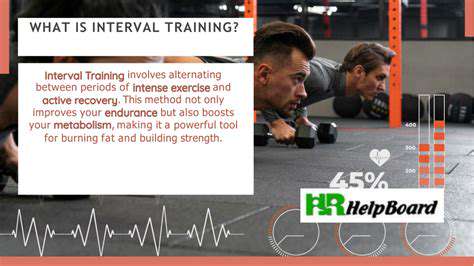
If you're looking to shorten your stride for better speed, consider incorporating interval training into your running routine. This method involves alternating between periods of fast running and recovery. During fast intervals, focus on maintaining a shorter, quicker stride. Gradually, this will help you develop the muscle memory necessary for adopting this technique in your longer runs.
Another effective technique is to concentrate on your cadence—that is, the number of steps you take per minute. Increasing your cadence while simultaneously decreasing your stride length can enhance both your speed and comfort. Aim for a cadence of around 180 steps per minute, which is recommended by many running coaches for improved performance.
Analyzing Your Current Stride
Before making adjustments, it's essential to analyze your current running form. Video analysis or wearable technology, such as GPS watches, can provide insight into your stride length and cadence. By understanding your baseline measurements, you can make informed decisions about how much you need to shorten your stride to maximize speed effectively.
Moreover, seeking professional input from a running coach or physiotherapist can be beneficial. They can provide personalized advice tailored to your specific running style, body mechanics, and fitness level, ensuring that any changes you implement will be both safe and effective.
Potential Benefits of Shorter Strides
The advantages of adopting a shorter stride are multi-faceted. Shortening your stride can enhance your overall running efficiency by minimizing vertical oscillation, which allows more energy to be directed forward. Runners often find that a Shorter stride improves their speed without the need for added cardiovascular exertion, making it a practical adjustment.
Additionally, maintaining a closer stride can also promote better posture and running form. It encourages forward lean and optimal knee lift, which are crucial aspects of efficient running. Research confirms that runners who incorporate this style typically report lower levels of fatigue and increased endurance during longer distances.
Monitoring Progress and Making Adjustments
As you work on adjusting your stride length, it's vital to continuously monitor your progress. Keeping a running journal or using apps to log your workouts can help track improvements in speed and overall comfort. Make sure to note any changes in how your body feels during runs, as this can guide your adjustments and strategies moving forward.
Moreover, listening to your body is essential during this transition period. If you experience pain or discomfort, reevaluate your adjustments and consult with a professional if necessary. Remember, small incremental changes are often the key to long-term improvements in your running technique.
3. Incorporate Strength Training
Understanding the Benefits of Strength Training for Runners
Strength training is essential for runners because it enhances overall performance and reduces the risk of injuries. Research shows that incorporating just two to three strength workouts per week can significantly improve running economy, allowing runners to use less energy at a given pace. This translates to better endurance during long runs and improved speed during races. The focus on core and leg strength contributes directly to stability, which is critical while pushing through various terrains.
Furthermore, a well-structured strength program increases muscle mass in key areas, such as the glutes, quadriceps, and hamstrings. These muscles are vital for generating power and maintaining an efficient stride. A study published in the *Journal of Strength and Conditioning Research* found that runners who performed regular strength training experienced up to a 20% increase in their running performance. This kind of structured training is not just an addition to your routine; it’s a game changer.
Implementing a Strength Training Routine
Creating a balanced strength training routine for running should include exercises targeting both upper and lower body, with a primary emphasis on the lower body. Squats, lunges, and deadlifts are fantastic for building leg strength while movements like push-ups and rows improve upper body stability and strength, which support overall running posture. Aim for high repetitions with moderate weights to improve endurance without bulking up excessively.
Consistency is key; make sure to schedule your workouts around running sessions to allow for recovery. As a suggestion, consider incorporating two dedicated strength sessions per week that last about 30-45 minutes each. Listening to your body and gradually increasing the intensity of your workouts can lead to significant improvements in your running stride. Remember, staying injury-free is just as important as building strength.
4. Pay Attention to Your Breathing

Understanding the Mechanics of Breathing
Breathing during running serves as a fundamental component of your performance. By recognizing how your Breathing pattern influences your stride, you can optimize your efficiency. Research suggests that proper inhalation and exhalation rhythms can enhance oxygen delivery, which is crucial for sustaining endurance.
When running, focus on diaphragmatic breathing instead of shallow chest breathing. This technique allows for greater oxygen uptake, providing muscles with the energy they require to function optimally. Each inhalation should drive down into your diaphragm rather than just filling your chest cavity.
- Utilize nasal breathing during low to moderate-intensity runs for improved oxygenation.
- Incorporate rhythmic breathing patterns, such as a 3:2 ratio, to maintain a steady flow.
- Practice breathing exercises to help improve lung capacity and efficiency over time.
Breathing Techniques to Enhance Endurance
Incorporating various breathing techniques can significantly improve your running endurance. One popular method is the 3:2 technique, where you breathe in for three steps and out for two. This strategy not only optimizes oxygen flow but also helps in regulating your pace during runs. This Controlled breathing creates a rhythm that can enhance your overall running experience.
An alternative approach is the box breathing technique, which involves inhaling for four counts, holding for four, exhaling for four, and pausing for four. While this is usually practiced in static situations, it can be beneficial during cooldown periods to help lower your heart rate effectively. Adjusting these breathing patterns to your workout intensities can create a balance between relaxation and exertion.
Monitoring Your Breathing in Practice
Developing an awareness of your breath can provide insights into your running efficiency. Use tools such as heart rate monitors or fitness trackers to assess how changes in your breathing affect your performance. Many runners benefit from monitoring their breath rate in relation to their heart rate, helping them understand when to accelerate or decelerate.
Additionally, experimenting with breathing during different terrains can reveal valuable data. For instance, uphill runs may require more focused breathing to combat increased exertion. Just like with any physical aspect of your training, incorporating breath control into your regular practice can yield significant improvements over time.
Ultimately, having a dedicated approach to managing your breathing will undoubtedly give you an edge in improving your running stride, enhancing not only your performance but also your enjoyment of the running process itself.
5. Embrace Drills and Form Exercises
Focus on Proper Technique Through Drills
Incorporating specific drills into your training can significantly enhance your running mechanics. These drills, such as high knees or butt kicks, target key muscle groups and promote the desired form. Research indicates that targeted technique drills can lead to improved performance metrics. In fact, a study published in the Journal of Sports Sciences found that athletes combining drills with their regular training reported a noticeable improvement in stride efficiency and speed.
Moreover, executing these drills regularly can help identify and rectify bad habits that can impede your running efficiency. It's crucial to consistently focus on driving your knees up during these exercises; this action naturally leads to a more elevated and powerful stride. By consciously practicing correct form through repetition, you're essentially programming your body to perform better when you hit the road, which is key for both distance and speed runners.
Integrate Strength Training for Balanced Performance
Strength training complements running drills and shifts your focus toward the entire kinetic chain, promoting balanced muscle development. Exercises like squats and lunges are effective for runners because they enhance the strength of your quads, hamstrings, and calves, all of which support a strong stride. A strong article in the International Journal of Sports Medicine highlighted that runners who engaged in regular strength training reported a 10% increase in running economy over a twelve-week period.
In addition, integrating exercises that engage your core, such as planks or rotational movements, can lead to improved stability during your runs. A strong core assists in maintaining posture and balance, which are essential components for an efficient running stride. As a suggestion, consider dedicating two to three sessions a week to focus on these strength components, ensuring you yield the maximum benefits as your overall performance improves.
Read more about How to Improve Your Running Stride Naturally