Cadence and Stride Length: Optimizing Your Running Speed
Stride length describes the distance covered in each running step and is another crucial variable linked to running performance. While longer strides can lead to greater distance covered, they may also result in inefficiencies and increased injury risk if performed incorrectly. An ideal stride length should come naturally and promote quick foot turnover.
To measure your stride length, calculate the distance you cover over a set number of steps. Many athletes find that an effective stride length correlates with their height and leg length, suggesting personalized training is vital for optimizing performance.
Studies show that, ideally, stride length should be adjusted in conjunction with cadence to boost running speed. An integrated focus on both elements can yield significant improvements in running times, particularly over longer distances.
The Cadence-Stride Length Relationship
The interplay between cadence and stride length is crucial for maximizing speed and efficiency. A balanced approach can mitigate undue fatigue while enhancing performance. When a runner increases their cadence, they often shorten their stride length to maintain speed without compromising form.
Training programs should address both facets, helping athletes experiment to find the optimal combination for their unique running style. Coaches often recommend drills focusing on maintaining a consistent cadence while gradually adjusting stride length. This strategy ensures that runners can find their ideal rhythm without straining their bodies.
Injury Prevention through Proper Technique
Incorporating an ideal cadence and stride length can significantly lessen the chance of injury. Studies from the Journal of Sport Rehabilitation highlight that runners with lower cadences tend to overstride, which can lead to impact-related injuries. A natural cadence facilitates an efficient running economy.
To minimize injury risks, focus on your running technique. Practicing form drills, paying attention to your foot placement, and ensuring proper body alignment can all contribute positively to your overall cadence and stride. This can lead to less knee, hip, and lower back strain during and after runs.
Using Technology to Monitor Progress
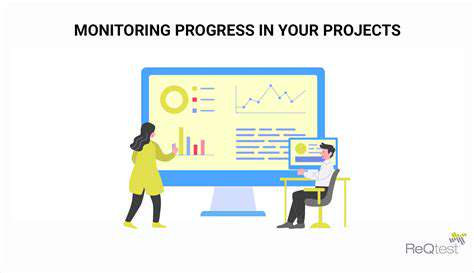
Advancements in wearable technology make it easier than ever to track and analyze cadence and stride length. Many running watches and apps provide real-time data, allowing you to make immediate adjustments while training. Data analytics can pinpoint needed changes in either metric to maximize your efficiency.
Regularly reviewing metrics can help set progression markers. A gadget's biofeedback can inform you about performance trends, increasing motivation to achieve personal bests. Make it a routine to evaluate your performance after workouts, using this information to fine-tune your approach.
Personalized Training Programs
Running is not a one-size-fits-all journey; each athlete will respond differently to adjustments in cadence and stride length. Customized training plans that include strength training, mobility work, and specific running drills tend to yield the best results. Consider incorporating exercises that focus on leg strength and flexibility, which can enhance both your cadence and stride.
Consulting with a running coach to tailor a program can provide insights you may not consider alone. A professional can assess your current style and provide expert recommendations for improvement tailored to your goals and current fitness level.
Conclusion: Finding Your Optimal Balance
Balancing cadence and stride length is essential for maximizing running speed and ensuring comfort. Each runner's ideal metric combination differs based on individual biomechanics and fitness levels. Regularly assess your running form and performance metrics, and don't hesitate to make incremental changes as necessary.
Finally, remember that improvement takes time and patience—your focus should be on gradual adjustments to both cadence and stride length. Like any skill, mastering your running technique will lead to greater enjoyment and fulfillment as you progress on your running journey.
The Science Behind Cadence and Its Effect on Running Speed

Understanding Cadence: The Basics
Cadence refers to the number of steps a runner takes per minute. An average cadence for recreational runners typically falls between 150 to 180 steps per minute. Studies indicate that increasing your cadence can lead to a more efficient running form, which in turn can enhance speed. By understanding this fundamental concept, runners can experiment with their pace to find the sweet spot that works for them.
Moreover, adjusting cadence is not just about speed; it can also significantly reduce the risk of injuries. Higher cadences often mean shorter strides, which help in maintaining proper body alignment and minimizing the impact forces on legs during each step.
Influence of Stride Length on Running Speed
Stride length, the distance covered for each step taken, has a direct correlation to running speed. Generally, longer strides can increase speed, but they come with a catch: too long a stride can lead to inefficient mechanics. According to research from the Journal of Sports Sciences, an optimized stride typically has a balance of cadence and stride length; thus, simply trying to lengthen your stride might not be efficient.
Runners often need to experiment with their unique stride lengths to achieve the best speed. It's essential for runners to consider their body type and running style since what works for one person may not work for another.
Training Methods to Improve Cadence
- Incorporate short intervals to focus on increasing stride turnover.
- Utilize tools like metronomes to develop a rhythmic stride pattern.
- Work on drills such as high knees and butt kicks to boost leg speed.
To effectively improve cadence, runners should implement specific drills that focus on quick foot turnover. One common method is to use a metronome, which can help maintain the desired tempo. Additionally, running on softer surfaces can enable a smoother transition and allow for higher turnover without excessive fatigue. Focus on your breathing and ensure it remains steady while you increase your pace.
Monitoring and Adjusting Your Running Form
While cadence and stride length are critical to running efficiency, it’s equally important to monitor running form. Poor posture or incorrect foot placement can lead to inefficiencies and increase the potential for injuries. Video analysis or wearable technology can be used to track biomechanics, revealing valuable insights into adjustments that may be needed.
Moreover, consistent feedback can guide runners in making gradual adjustments to their cadence and form. The use of apps that provide real-time data about speed and cadence allows runners to make effective changes during training rather than relying solely on subjective measures.
The Role of Technology in Optimizing Performance
Recent advancements in technology have made it easier for runners to optimize their cadence and stride length. Wearable devices like smartwatches and fitness trackers now provide detailed metrics on running pace, stride length, and ground contact time. This invaluable information can help runners understand their performance better and identify areas that need improvement.
In addition to traditional tracking devices, some apps utilize artificial intelligence to analyze running patterns and suggest personalized adjustments. By leveraging these technological tools, runners can significantly enhance their training efficacy and enjoy a more tailored approach to improving their speed. Integrating technology into training can make the difference between stagnation and progress.
Stride Length: Finding the Right Balance
Understanding Stride Length in Running
Stride length is a critical aspect of running mechanics that refers to the distance covered in one complete stride. Research indicates that elite runners often exhibit an optimal stride length that balances speed and efficiency. Achieving the right stride length can enhance performance while minimizing energy expenditure, which is particularly important in long-distance events.
Many factors influence stride length, including height, leg length, and running speed. As a general rule, taller runners may have a naturally longer stride, while shorter runners might need to rely on quicker, shorter strides to maintain speed. Understanding your individual biomechanics can help you identify the ideal stride length for your personal running style.
How to Measure Stride Length
Measuring your stride length can be accomplished with relative ease. A simple method involves marking a specific distance on a track or flat surface, running that distance, and counting the number of strides taken to cover it. For precision, consider using a GPS watch or a running app that tracks your metrics in real-time. This data helps give insight into your performance during your runs.
Factors Influencing Stride Length
Multiple elements contribute to stride length, including running speed, terrain, and fitness level. As speed increases, many runners naturally extend their stride length, but this can lead to overstriding, a common error among inexperienced runners. Overstriding can result in increased braking forces, which may hinder speed rather than promote it.
Additionally, the surface you run on can affect your stride length. Uphill terrain often requires shorter strides due to the incline, while downhill running might encourage longer strides. Recognizing these variations allows runners to adapt their stride optimally based on external conditions.
Common Mistakes in Stride Length Management
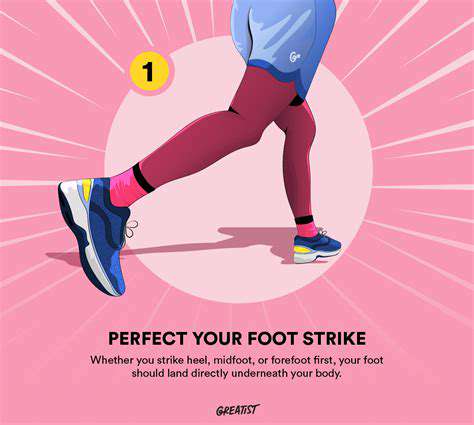
One frequent issue among runners is overstriding, where a runner extends their legs too far in front of their body. This habit can lead to inefficiencies, unnecessary energy loss, and even injuries over time. Instead of reaching forward, focus on maintaining a proper foot strike under your center of gravity to improve efficiency.
Optimizing Your Training for Stride Length
A well-designed training program should incorporate drills that focus on both stride length and cadence. Plyometric workouts, hill sprinting, and form drills can significantly enhance your running mechanics. Incorporating speed work at the track can help you find the right balance between speed and stride length.
Engagement in strength training also pays dividends, especially for the muscles involved in running. Stronger glutes, quads, and hamstrings contribute to better control and efficiency, enabling you to achieve an optimal stride length with less effort.
The Relationship Between Cadence and Stride Length
There’s a symbiotic relationship between cadence and stride length that every runner should consider. Cadence, or the number of steps taken per minute, often correlates with speed. Research suggests that an ideal cadence for endurance runners falls between 170 to 180 steps per minute, which effectively complements a shorter, more efficient stride length.
Adjusting your cadence while maintaining the correct stride length can aid in avoiding excessive fatigue, particularly during longer races. For many runners, small adjustments to both metrics can lead to significant performance improvements. It may be beneficial to use a metronome or specific music playlists that align with your target cadence.
Individual Differences in Stride Length Strategy
Every runner is unique, and customizing your approach to stride length is vital. Factors like muscle composition, running history, and injury background should shape your stride management strategy. For instance, a runner recovering from an injury may require a shorter stride to promote proper form and enhance recovery.
Therefore, it’s crucial to listen to your body and observe how changes in stride length affect your performance and comfort. Run at various paces and note how your stride adapts; this awareness can lead to the optimal blend of comfort and speed tailored for your specific needs.
Tips for Optimizing Cadence and Stride Length

Understanding Cadence for Efficient Running
Cadence refers to the number of steps a runner takes per minute, and optimizing it can significantly enhance performance. Research has shown that a Higher Cadence Can Improve running efficiency by reducing overstriding, which often leads to injuries. Most elite runners maintain a cadence between 170 to 180 steps per minute, making it a critical factor to consider.
It can be useful to track your cadence using a running watch or smartphone app. Start by finding your baseline by counting the number of steps you take in a set period during a run. Once you have this data, aim to gradually increase your cadence by about 5%, ensuring that you maintain proper form to prevent injuries.
Stride Length: Striking the Right Balance
- Understand the importance of stride length in overall running speed.
- Aim for a balance to maximize efficiency without sacrificing form.
Stride length is the distance covered with each step, contributing significantly to speed. While a longer stride can seem beneficial, it's crucial to find a balance; overextending can lead to inefficiencies and injuries. Research suggests that optimal stride length varies based on individual biomechanics and terrain, meaning what works for one runner might not work for another.
Practical Tips for Training Your Cadence and Stride
Incorporate specific drills into your training routine to improve both cadence and stride length. High-knees, bounding exercises, and stride-outs can help enhance your running form and strengthen leg muscles as you work on natural mechanics. Consider Including These Drills 2-3 times a week while ensuring adequate recovery. This approach not only increases power but also trains your neuromuscular system to adapt to a quicker pace.
Experiment with music designed to match your desired cadence to help maintain consistent pacing during runs. Use tracks with beats set at your target cadence to help regulate your rhythm as you run. Many runners find that this method provides joyful motivation, allowing them to push through challenging sessions while optimizing their performance.
Read more about Cadence and Stride Length: Optimizing Your Running Speed
![How to Improve Your Pull Up Strength [Beginner to Advanced]](/static/images/26/2025-06/NutritionandRecovery3AEssentialComponents.jpg)