Stress Fractures
Injury Prevention
Training Schedule
Footwear
Gear Selection
Running
Cross-Training Benefits

Preventing Overuse Injuries in Distance Runners

A Common Concern

Achilles tendinopathy refers to the degeneration of the Achilles tendon, often a result of overuse. Runners frequently experience this condition due to a sudden increase in training intensity. The persistent pain in the back of the heel tends to worsen with prolonged running or walking, making it essential to address early.

Prevention strategies include adequate warm-up routines, proper footwear, and gradually increasing training loads. Physical therapy may also aid recovery by strengthening the calf muscles and improving flexibility.

Iliotibial Band Syndrome (ITBS)

  • ITBS is an overuse injury affecting the outer part of the knee.
  • Common symptoms include sharp pain on the outside of the knee and swelling.

ITBS occurs when the iliotibial band becomes tight or inflamed, often due to biomechanical issues, such as running on uneven surfaces. Strengthening the hip abductors and improving running form can significantly reduce the risk of developing ITBS. Proper warm-up and cool-down routines also play a crucial role in preventing this painful condition.

Plantar Fasciitis and Its Impact

Plantar fasciitis is characterized by heel pain caused by inflammation of the plantar fascia, a thick band of tissue connecting the heel to the toes. Runners often suffer from this condition due to improper footwear or overtraining. Identifying the signs early can help in implementing necessary modifications in training to alleviate the problem.

Stretching exercises for the calf muscles and effective arch support through orthotics are widely recommended strategies for managing plantar fasciitis. Additionally, ice therapy can help reduce inflammation and provide temporary relief.

Benefits of Cross-Training to Prevent Injuries

Cross-training involves engaging in different forms of exercise that complement running, such as swimming, cycling, or Strength Training. This approach not only enhances overall fitness but also reduces the risk of overuse injuries. By providing variation in movement patterns, cross-training allows for muscle recovery while still maintaining cardiovascular conditioning.

Integrating cross-training into your routine can alleviate the repetitive stress that distance running places on specific muscle groups. For example, incorporating swimming offers a low-impact alternative that helps maintain aerobic fitness without the strain on joints.

Implementing a Progressive Training Plan

Understanding Overuse Injuries in Runners

Overuse injuries in distance runners often stem from repetitive stress on the body, particularly the joints and muscles. This is the result of training that exceeds the body's adaptive capacity. According to a study published in the British Journal of Sports Medicine, approximately 40-50% of runners experience injuries each year, with a significant percentage being overuse in nature. Recognizing the signs early plays a crucial role in prevention.

Common overuse injuries include tendinitis, stress fractures, and iliotibial band syndrome. These conditions typically arise when runners fail to heed the signals their bodies send. Paying attention to pain levels and any discrepancies in performance or recovery times can be vital in identifying the onset of an injury before it worsens.

Establishing a Baseline Fitness Level

Before embarking on a progressive training plan, it is essential to establish a baseline fitness level. This can be accomplished through various assessments, including timed runs, strength tests, and flexibility evaluations. Knowing where you stand helps tailor your training to suit your needs, thus minimizing the risk of injury. A recent analysis from the American College of Sports Medicine highlights that individualized training regimens yield better results and lower injury rates.

Utilizing tools like heart rate monitors can also provide invaluable data on your fitness level. Monitoring heart rate during different workouts can give insights into your cardiovascular capability and how your body responds to training. This information is crucial when setting achievable goals that are progressively challenging over time.

Developing a Progressive Training Schedule

A well-structured progressive training schedule should incorporate gradual increases in mileage and intensity to allow your body to adapt effectively. As a rule of thumb, consider increasing your weekly mileage by no more than 10% each week. This principle, rooted in research published by the Journal of Strength and Conditioning Research, effectively minimizes injury risks while still allowing for progress.

When designing your schedule, include a variety of workouts such as long runs, tempo runs, and interval training. Mixing different types of training not only aids in developing a more robust aerobic base but also helps in building strength and speed, thereby making your training more comprehensive and less monotonous.

Lastly, be sure to incorporate recovery days. Rest is just as essential as the workouts themselves; it’s during this time that your body repairs and strengthens. A balance between training stress and recovery will lead to better performance outcomes.

Incorporating Cross-Training

Cross-training can play a significant role in Preventing Overuse Injuries among distance runners. Activities like cycling, swimming, or strength training can enhance overall fitness without the repetitive stress of running. A study conducted by the University of Exeter found that runners who included cross-training in their regimen reported a 30% lower injury rate compared to those who only ran.

Moreover, incorporating exercises that target core stability and leg strength can fortify the muscle groups responsible for supporting your running form. Exercises like planks, squats, and lunges are effective in building strength where it’s needed most, helping to improve your running economy and efficiency.

Be mindful that the goal of cross-training isn’t just to substitute running but to complement it. Aim for sessions that mimic the body mechanics of running while also providing a break for the joints and tissues that might be strained by constant impact.

The Importance of Recovery

Recovery is a critical aspect of any training plan, especially in preventing overuse injuries. This includes both active recovery, such as light jogging or yoga, and passive recovery, such as complete rest. According to research from Sports Health, well-planned recovery periods significantly reduce the chances of developing injuries.

Incorporating techniques such as foam rolling, stretching, and hydration can also enhance your recovery process. Foam rolling, for instance, helps in breaking down muscle knots and improving blood flow to the muscles, which can facilitate recovery. By prioritizing these aspects, runners can help to ensure their body is ready and resilient for the next training session.

Listening to Your Body

A fundamental but sometimes overlooked aspect of implementing a progressive training plan is the importance of Listening to Your Body. Runners should be attuned to any signs of discomfort, stiffness, or unusual fatigue, which may indicate a need to adjust their training intensity or volume. A study in the Clinical Journal of Sports Medicine emphasizes the value of self-monitoring for the prevention of injuries among runners.

Keep a training journal where you document workouts, feelings, and any minor aches. This can help you identify patterns that could lead to injury, providing insight into when to push through versus when to rest. Often, the ability to modify your training based on your body's feedback is what separates resilient runners from those who face frequent setbacks.

Prioritizing Proper Footwear and Equipment

The Importance of Choosing the Right Running Shoes

When it comes to distance running, selecting the right footwear is critical for both performance and injury prevention. Studies indicate that running shoes should provide adequate cushioning and support based on an individual's foot type. For instance, runners with flat feet may benefit from stability shoes that offer a firmer midsole, while those with high arches might require more cushioning. According to a report by the American Podiatric Medical Association, appropriate footwear can significantly reduce the likelihood of common overuse injuries such as plantar fasciitis and Achilles tendinitis.

It's essential to replace running shoes typically every 300 to 500 miles, as the materials can break down, reducing their ability to absorb shock. Runners should pay attention to signs of wear, like uneven tread or a noticeable decrease in comfort, which can indicate that it's time for a new pair. Investing in shoes from reputable brands that offer specific designs for distance running can enhance both comfort and safety. Always try shoes on at the end of the day when your feet are slightly swollen for a true fit.

Gear Selection Beyond Shoes

While footwear is paramount, the right equipment also plays a vital role in ensuring a safe running experience. Items like Moisture-Wicking Apparel can help regulate body temperature and prevent chafing, while investing in good quality sports bras for women can drastically enhance comfort. Compression garments, such as sleeves or tights, may also assist in reducing muscle fatigue, enhancing blood circulation, and potentially minimizing the risk of overuse injuries. According to a study published in the Journal of Sports Science, runners who used compression wear reported less muscle soreness.

Additionally, incorporating gear such as GPS watches or heart rate monitors can provide crucial data regarding pace and distance, allowing runners to adjust their training intensity. Monitoring these factors is essential to avoid overexertion, which is a significant risk factor in distance running. It’s also advisable to consult with a professional when selecting equipment, as they can offer personalized recommendations based on experience and condition.

Incorporating Strength Training and Flexibility

Understanding the Role of Strength Training

Strength training is not solely about bulking up; it plays a crucial role in enhancing overall running performance. By building muscle strength and endurance, runners can improve their efficiency, leading to better race times. Research indicates that runners who engage in regular strength training can enhance their running economy by up to 10%, meaning they can run faster with less effort. This efficiency is key in preventing overuse injuries as it helps distribute stress more evenly across the body.

Additionally, strength exercises focusing on the core, hips, and legs can significantly reduce the risk of injuries such as IT band syndrome or runner's knee. A well-rounded strength training program should include exercises targeting major muscle groups, which would not only boost performance but also provide better stability during long-distance runs.

Integrating Flexibility Exercises

Flexibility is another critical component of a runner's training regimen. Incorporating flexibility exercises such as dynamic stretching, yoga, or foam rolling can enhance muscle elasticity, ultimately leading to improved range of motion. A study published in the Journal of Orthopedic & Sports Physical Therapy found that increased flexibility correlated with a lower incidence of running-related injuries. This highlights the importance of scheduling flexibility-focused workouts a few times a week.

Furthermore, runners should consider tailoring their flexibility routine based on individual needs and weaknesses. For instance, runners who often experience tight hamstrings may benefit from targeted stretches in that area. Keeping muscles supple can greatly minimize tension and promote better recovery between runs.

Creating a Balanced Training Schedule

A balanced training schedule that incorporates strength and flexibility is essential for maintaining overall health and avoiding injuries. Runners should aim for at least two days a week dedicated to strength training. This can be complemented with flexibility work on recovery days, ensuring that the body has ample time to adapt and recover. A well-planned schedule not only prepares the body for long runs but also equips runners to handle the physical demands of their sport.

Monitoring Progress and Adjusting Programs

Monitoring your progress is crucial when integrating these components into your training. Utilizing apps or keeping a training journal can help you track your strength and flexibility training alongside running miles. Adjusting the program based on observed performance—whether runners are feeling more energized during long runs or if they experience new discomforts—ensures that the training continues to be effective and safe.

Additionally, consulting with a certified coach or physical therapist can provide personalized insight and adjustments tailored to your unique body mechanics, experiences, and goals. Regular feedback rounds out a runner’s journey toward injury prevention and enhances their overall physical training approach.

Common Strength and Flexibility Exercises for Runners

When it comes to incorporating strength and flexibility routines, specific exercises can be particularly effective. For strength, consider squats, lunges, and deadlifts, which build lower body strength essential for absorbing impacts during runs. Core stability exercises such as planks or Russian twists can also be beneficial, providing a solid foundation for the running gait.

For flexibility, dynamic stretches like leg swings and walking lunges can serve as excellent warm-ups, while static stretches like the pigeon pose or hamstring stretches should be part of the cool-down routine. These exercises not only enhance flexibility but also improve proprioception and help with maintaining balance over various terrains.

Long-term Benefits and Injury Prevention

The long-term benefits of incorporating strength and flexibility into a training plan cannot be overstated. Research links consistent strength training with a reduced rate of overuse injuries, which often stem from muscular imbalances or weaknesses. For example, a study from the University of Virginia reported that runners who engaged in regular strength training had 50% fewer occurrences of common injuries over a year-long period compared to those who didn’t.

Ultimately, the commitment to a balanced training program cultivates not only a healthier runner but enhances competitive performance. Integrating these elements into training from the onset can lead to a more enjoyable running experience, keeping runners on the road longer and with fewer interruptions due to injury.

Listening to Your Body and Seeking Help

Understanding Body Signals

Distance runners must cultivate a keen awareness of their body signals. These signals often manifest as fatigue, soreness, or discomfort in muscles and joints. Recognizing the difference between normal exertion and potential injury is crucial. For instance, minor muscle soreness might be expected after a long run, while sharp pain could indicate a problem that requires immediate attention.

Research from the American College of Sports Medicine indicates that nearly 70% of runners will experience an overuse injury in their lifetime. Therefore, it’s not just beneficial but essential for runners to pay attention to what their bodies are communicating.

Setting a Realistic Training Schedule

Building a training schedule that aligns with specific fitness goals can significantly stave off overuse injuries. Incorporating rest days, cross-training, and varied distances will aid recovery and minimize wear and tear on the body. Runners should aim for a gradual increase in mileage, adhering to the 10% rule — never increasing total weekly mileage by more than 10% to help prevent stress injuries.

Additionally, listening to body feedback can inform how often and how hard to train. For example, if achieving a specific distance is consistently met without fatigue, it might be time to increase mileage. Engage with a coach or experienced runner for personalized feedback on your goals and strategies.

Importance of Cross-Training

Integrating cross-training exercises into your routine can greatly reduce the risk of overuse injuries. Activities such as cycling, swimming, or yoga allow runners to maintain cardiovascular fitness while minimizing impact on the joints. According to a study published in the Journal of Sports Sciences, runners who participated in cross-training experienced fewer injury rates and were able to maintain their running performance.

Not only does cross-training enhance overall strength and flexibility, but it also helps to address muscular imbalances that can lead to injury. For distance runners, focusing on core, hip, and leg strength through these activities can provide a more robust foundation for running.

Incorporating Recovery Techniques

Recovery is as integral to a successful training plan as the runs themselves. Implementing techniques such as foam rolling, stretching, and getting adequate sleep are foundational to achieving optimal recovery. Foam rolling can alleviate muscle tension, improve blood flow, and enhance recovery times, according to the National Academy of Sports Medicine.

Moreover, prioritizing sleep should not be overlooked. Studies reveal that chronic sleep deprivation can impair physical performance and increase the risk of injury. Aim for 7-9 hours per night, giving your body the chance to repair itself and prepare for the next challenge.

Utilizing Professional Guidance

Seeking help from medical professionals, coaches, or physiotherapists can provide runners with tailored advice and proactive strategies to avert injuries. They possess a wealth of knowledge that can aid in identifying overuse symptoms early, ensuring mobility and function remain optimal. Physical therapists, for instance, can assess movement patterns and provide specific exercises to enhance strength and flexibility.

An analysis done by the British Journal of Sports Medicine found that early intervention and guidance significantly reduced injury rates among runners, emphasizing the importance of seeking help when issues arise.

Consider joining a running group with professional coaching or attending workshops aimed at injury prevention, which can further bolster your approach to safe running practices.

Embracing a Holistic View Toward Health

Finally, embracing a holistic view of health is paramount for distance runners. Nutrition plays a pivotal role in recovery and performance, impacting energy levels and injury susceptibility. A balanced diet rich in carbohydrates, proteins, and healthy fats, as well as hydration, can dramatically affect a runner's experience.

Additionally, addressing mental health through mindfulness techniques such as meditation can aid in stress management, enabling clearer decision-making regarding training and body awareness. A focus on both physical and mental well-being will empower runners to make wiser choices in their training regimens.

Read more about Preventing Overuse Injuries in Distance Runners

Implementing a Structured Training Plan for RunnersEmbarking on a journey to enhance your running performance requires a well-structured training plan. From setting precise goals to optimizing nutrition, this guide elucidates key strategies for runners aiming to boost speed, endurance, and overall effectiveness. Define Clear Goals and ObjectivesEstablishing clear and measurable objectives is paramount. Use the SMART criteria—Specific, Measurable, Achievable, Relevant, and Time-bound—to set goals that can drive your training. Consider keeping a running journal or utilizing apps like Strava or Runkeeper for motivation and progress tracking. Incorporate Varied Training SessionsAvoid monotony by mixing different types of runs in your training. Blend endurance runs with speed workouts, interval training, and hill sprints, ensuring adequate recovery days. This variety not only prevents plateaus but also enhances muscle performance, essential for achieving that next personal best. Optimize Your Running FormUnderstanding running biomechanics is vital. Focus on your posture, stride, and foot strike pattern, as these directly impact efficiency. Striving for a midfoot strike can minimize injury risks while fostering a successful running style. Enhancing your cadence and incorporating strength training, particularly for core and hip muscles, will further refine your performance. Incorporate Strength TrainingStrength training plays a crucial role in improving muscle power and endurance. Studies indicate that it can reduce injury risks by up to 50%, making it essential for any serious runner. Include fundamental exercises like squats and deadlifts while integrating core routines for stability. Designing a balanced schedule that includes strength workouts alongside your running plan ensures your progress stays on track. Focus on Nutrition and RecoveryProper nutrition fuels your runs. Carbohydrates are your primary energy source; aim for 6-10 grams per kilogram of body weight. Proteins assist with recovery, the importance of hydration cannot be overlooked. Maintaining a hydration strategy before, during, and after runs helps in sustaining energy levels and promotes recovery. Monitor Your ProgressEstablish specific and incremental goals to effectively track your improvements. Utilize technology with GPS devices or running apps to capture performance metrics like pace and heart rate. Regularly evaluate these statistics to tailor your training plan to align with your evolving fitness. ConclusionBy implementing a well-rounded training plan that includes goal setting, varied sessions, strength training, optimal nutrition, and consistent progress monitoring, you position yourself for significant improvements in speed and endurance. Adjust your strategies as needed, and enlist assistance from coaches or running groups to stay motivated. With dedication and the right approach, optimal running performance is within your grasp.
Apr 21, 2025
How to Recover Faster After Workouts [Tips & Techniques]
Jul 05, 2025
A Comprehensive GuideAre you looking to improve your running endurance? This guide provides structured training plans, effective cross-training activities, nutritional tips, and recovery strategies to help you reach your goals. Follow a Structured Training PlanA well-rounded training plan is vital for building endurance. Start by setting clear and achievable goals using the SMART criteria—make them Specific, Measurable, Achievable, Relevant, and Time-bound. Incorporate varying running sessions, such as long runs and interval training, along with necessary rest days to prevent injury and fatigue. Use running apps or GPS devices to track your progress and adjust your regimen as needed. Incorporate Cross-Training ActivitiesCross-training enhances overall fitness and helps prevent burnout. Engage in activities like cycling, swimming, or strength training. These alternatives work different muscle groups, contributing to improved performance. Aim for a balanced schedule that combines running with cross-training days. This will keep your workouts diverse and maintain your enthusiasm for training. Prioritize Proper Nutrition and HydrationNutrition is crucial for endurance training. Focus on balancing macronutrients—carbohydrates for energy, proteins for muscle repair, and healthy fats for overall health. Stay hydrated, as dehydration can impact your performance. Develop a meal strategy that includes pre- and post-run nutrition to boost endurance and recovery. Implement Recovery StrategiesRecovery shouldn't be overlooked. Schedule rest days and listen to your body to prevent injury. Incorporate active recovery strategies like yoga or low-impact activities to help your muscles recover effectively. Remember that a good night’s sleep significantly impacts your recovery and performance. Set Realistic Goals and Celebrate ProgressEstablishing realistic goals keeps motivation high. Break larger objectives into smaller milestones and celebrate each achievement. Recognizing progress, whether through personal bests or completing a scheduled run, reinforces your commitment and continues to drive you forward. Use a training log for tracking improvements and staying engaged.---By following these tips, you're well on your way to improving your running endurance effectively. Whether you're training for a marathon or simply want to enjoy longer runs, having a structured approach will help you achieve your goals while avoiding burnout and injury. Start your endurance journey today!
Feb 28, 2026
- Increased Physical Independence: Stronger muscles enhance mobility for daily tasks.- Reduced Fall Risk: Improved balance leads to better stability.- Core Strength and Stability: A robust core supports overall health.Developing a strong lower back not only enhances daily functioning but significantly improves quality of life. Safe Exercise PracticesSafety is imperative when exercising, especially for seniors. Consulting healthcare professionals before starting any exercise program is recommended. Low-impact activities, such as swimming or gentle yoga, are ideal to strengthen the back without causing strain. Starting slowly and gradually increasing intensity is important for preventing injuries. Recommended ExercisesSeniors can adopt specific exercises tailored for lower back strengthening, including:- Bird-Dogs: Enhances spinal alignment and stability.- Pelvic Tilts: Strengthens the core without straining the back.- Modified Planks: Builds core strength using minimal equipment.Incorporating stretches like hamstring and hip flexor exercises promotes flexibility and fortifies strength. Nutrition's Role in Back HealthA well-balanced diet rich in anti-inflammatory foods is vital for maintaining lower back health. Opt for fruits, vegetables, whole grains, and omega-3 fatty acids to enhance muscle function and recovery. Staying hydrated is equally important, as dehydration can lead to muscle cramps and discomfort. Monitoring Progress and Adjusting RoutinesTracking exercise routines helps in recognizing improvements and addressing challenges. Setting realistic goals, such as increasing repetitions or workout durations, fosters motivation. Engaging with personal trainers or group classes can further support progress. Professional GuidanceWorking with physical therapists can provide seniors with personalized exercise plans, ensuring safety and efficacy. Community fitness programs can foster social engagement, enhancing motivation and accountability in maintaining a healthy lifestyle. Safe Guidelines for ExercisingStarting sessions with warm-up exercises prepares the body and reduces injury risks. Consider dynamic stretches to improve flexibility and mobility. Selecting the right type of exercises that focus on lower back strength is crucial; avoiding strain should be a priority.Training at least two to three times weekly is recommended. Progression in workouts should be gradual to reinforce muscle growth while preventing injuries. Hydration and the application of safety measures are essential during workouts.---By prioritizing lower back strength, seniors can enhance their health, regain independence, and improve their overall quality of life. Adopting a balanced approach of exercise, diet, and professional guidance paves the way for a healthier future, allowing for greater ease of movement and a more active lifestyle.
Mar 01, 2026
Your Pathway to Enhanced Running Performance What Are Progression Runs?Progression runs are a vital component of any training regimen, strategically designed to increase pace and intensity gradually over a specified distance. Starting with a comfortable warm-up pace, these runs end with a challenging speed, effectively improving both endurance and speed. Regularly incorporating progression runs can drastically enhance race performance, stimulating both aerobic and anaerobic systems essential for distance runners. Benefits of Progression Runs 1. Improved Aerobic CapacityProgression runs are incredibly effective for enhancing aerobic capacity, crucial for long-distance runners. Research indicates that gradually increasing intensity leads to more significant fitness improvements than static pacing, making these runs fundamental for optimizing cardiovascular health. 2. Enhanced Mental ToughnessIn addition to physical benefits, progression runs cultivate mental resilience. As runners learn to manage discomfort and maintain focus during increasingly challenging workouts, they build a mindset that proves invaluable during competitive races. 3. Injury PreventionBy emphasizing varied pacing, progression runs help distribute physical stress across different muscle groups, minimizing the risk of overuse injuries. This variety promotes joint and muscular strength, making runners more resilient and less prone to setbacks. 4. Progressive AdaptationConstantly challenging your body through progression runs encourages physiological adaptations that improve performance and facilitate faster speeds. This structured approach engages various muscle fibers, contributing to enhanced running economy. Structuring Your Progression RunTo maximize the benefits while reducing injury risks, careful planning is essential. A typical progression run might begin with a 10-15 minute warm-up at an easy pace, followed by gradually increasing speed in segments—often in 5-10 minute intervals—culminating in a faster finish. For example, during a 5-mile session, run the first 3 miles at a relaxed pace before increasing the speed for the final 2 miles. Tips for Success:- Listen to Your Body: Adjust your pace according to how you feel during the run.- Stay Consistent: Incorporate these runs into your weekly training plan and monitor your progress using fitness apps or GPS watches.- Prioritize Recovery: Post-run recovery techniques, including stretching and light jogging, are vital in preventing soreness. Integrating Progression Runs into Your RoutineIf you’re preparing for a marathon, aim to include longer progression runs weekly while balancing them with shorter, intense workouts. Many coaches suggest starting with 4-5 mile distances and gradually increasing as your fitness progresses. ConclusionIncorporating progression runs can lead to substantial improvements in both endurance and speed, alongside enhancing mental characteristics necessary for race day. With the appropriate structure, monitoring, and recovery strategies, you can fully leverage the benefits these runs offer, setting yourself up for success in your running journey.---Embrace the challenge of progression runs and experience the transformation in your running performance!
Mar 05, 2026
The Benefits of Hill SprintsDiscover the transformative power of hill sprints in enhancing your running performance. This high-intensity workout offers a unique approach to improving both aerobic and anaerobic fitness, making it a crucial addition to any runner's training regimen. What Are Hill Sprints?Hill sprints consist of short, explosive runs on an incline, which forces your body to engage multiple muscle groups, particularly fast-twitch fibers essential for speed and power. Unlike running on flat surfaces, the incline challenges you to increase strength, ultimately enhancing your overall athletic performance. Key Physiological BenefitsHill sprints aren't just about building muscle; they can significantly boost your cardiovascular health. Engaging in high-intensity interval training like hill sprints leads to a marked improvement in VO2 max, the measure of your body's ability to utilize oxygen during exercise. This enhancement translates to increased endurance and overall performance. Moreover, hill sprints can elevate your metabolic rate, allowing for heightened calorie burn post-workout through a phenomenon known as EPOC (excess post-exercise oxygen consumption). This is beneficial for runners looking to improve body composition and faster recovery. Injury Prevention through StrengtheningRegularly incorporating hill sprints into your training can significantly lower the risk of injuries. Uphill running strengthens muscles and connective tissues, providing stability and resilience. This is crucial for preventing injuries like shin splints or IT band syndrome while improving your running technique by promoting proper mechanics. Crafting Your Hill Sprint Training RegimenTo effectively include hill sprints in your routine, start with a proper warm-up, including dynamic stretches and light jogging. A session generally consists of runs lasting 20-30 seconds on a 5-10% incline, followed by a descent for recovery. It's essential to gradually increase the volume of sprints (starting from 3-5 and moving to 10+) as your stamina builds. Focus on balancing hill sprints with other forms of training, such as endurance runs or strength workouts, allowing for optimal results without overtraining. Mastering Proper TechniqueTechnique is all-important when tackling hill sprints. Maintain an upright posture with a slight lean, and aim for mid-foot landings to reduce joint impact. Use shorter, rapid strides to facilitate explosive movement without overexerting. Listening to your body is vital—if fatigue sets in, consider adjusting your intensity or taking breaks. Common Mistakes to AvoidAvoid the pitfalls of neglecting warm-ups and cool-downs, which can lead to injuries and sluggish recovery. Always listen to your body and resist the urge to push beyond your limits to prevent overtraining, as this can lead to chronic fatigue and reduced performance. Final ThoughtsHill sprints are not only versatile, allowing you to train anywhere from urban parks to rugged trails, but they also provide comprehensive benefits for runners of all levels. By incorporating these sprints into a well-rounded training plan, you can enhance performance, prevent injuries, and keep your workouts engaging. Start your hill sprint journey today, and elevate your running game to new heights!
Mar 05, 2026
- Enhanced Proprioception: Running without shoes heightens your body’s awareness, improving balance and coordination.- Natural Shock Absorption: Barefoot runners typically land more softly, reducing impact forces sustained during running.- Improved Efficiency: Adjusting to barefoot technique can lead to a shorter stride and higher cadence, boosting speed and reducing energy expenditure. Transitioning to Barefoot RunningMaking the switch requires careful consideration and preparation. Begin with short distances on soft surfaces, allowing your feet to adapt gradually. Listening to your body’s signals will help avoid discomfort and potential injuries during this transition. Incorporate strength training exercises for your feet and legs to support this journey. Practical Tips for Safe Transition:- Start with very short distances, gradually increasing your mileage.- Focus on safe running surfaces, avoiding uneven terrain.- Keep a training journal to track your progress and note any discomfort experienced. The Psychological EdgeMany barefoot runners report a heightened connection with their environment, which fosters mindfulness and enjoyment. This deeper awareness can enhance mental well-being, making the act of running more rewarding while serving as a stress reliever. Addressing RisksWhile transitioning offers vivid benefits, it’s essential to acknowledge the potential risks. Injuries like stress fractures and plantar fasciitis can arise without proper adaptation. Gradually introducing barefoot techniques and building foot strength are critical to minimizing these risks. ConclusionBarefoot running presents numerous advantages, from better balance and injury prevention to improved running efficiency. By understanding your current footwear, making safe adjustments, and listening to your body, you can embark on a rewarding barefoot running journey. Embrace the connection between your feet and the earth, and transform your running experience today!For further insights on the topic, explore extensive resources available online, join local running groups, or consult experts in the field to enhance your knowledge and experience.
Mar 12, 2026
The Importance of Flexibility and Strength for RunnersDiscover how flexibility and strength play crucial roles in a runner's performance, enhancing speed, reducing injury risk, and promoting overall health. This comprehensive guide dives into the benefits of flexibility and strength training, particularly through yoga, revealing how they can transform your running routine. Enhancing Performance through FlexibilityFlexibility significantly influences a runner's performance and health. Enhanced flexibility in key muscle groups, such as hamstrings and hip flexors, lowers the risk of injuries. Studies from the British Journal of Sports Medicine indicate that greater muscle elasticity allows for optimal running mechanics, enabling longer strides and improved running efficiency.Incorporating yoga into your regimen can effectively enhance flexibility. Specific poses, such as Pigeon and Warrior II, target critical muscle areas, promoting healthier and more effective running experiences. Addressing Common InjuriesRunners commonly face injuries like IT band syndrome and plantar fasciitis, largely stemming from muscle tightness and imbalances. A proactive approach that includes regular flexibility routines can reduce injury risks significantly. Research from the American Orthopaedic Society for Sports Medicine shows marked decreases in injury rates among runners who perform targeted stretching.Adding yoga teaches the body to respond flexibly to varied terrains, enhancing the neuromuscular response crucial for avoiding injuries during dynamic runs. Integrating Yoga for Strength and RecoveryYoga is not just about flexibility; it's essential for building strength and enhancing mental focus. Scheduling weekly yoga sessions post-run when muscles are warm can accelerate recovery and improve overall performance. Tailoring yoga routines to address personal limitations maximizes benefits for each runner, ensuring individual needs are met effectively. Mindfulness for Mental EdgeMindfulness in yoga cultivates present-focused awareness, leading to improved concentration and mental resilience during runs. Techniques such as breath-focused sessions or body scans during runs can help athletes maintain proper form and enhance overall performance. Creating a Balanced RoutineTo maximize performance, runners should establish a balanced training regimen that incorporates flexibility and strength training alongside effective running strategies. A well-structured routine might include several running sessions, strength workouts, and yoga classes, promoting sustained progress and making room for necessary recovery.By adhering to this balanced approach, runners can enjoy a comprehensive training experience that resists burnout and champions long-term success. Staying MotivatedMaintaining motivation throughout training is key to long-term success. Joining a running group or yoga class can create a supportive community, making sessions enjoyable and fostering healthy competition. Setting realistic, achievable goals will keep the journey exciting and rewarding.Embrace flexibility and strength training today to not just run faster but smarter. Dive into the world of yoga to enhance your running practice and keep yourself injury-free while enjoying every step of your journey towards fitness.
Mar 14, 2026
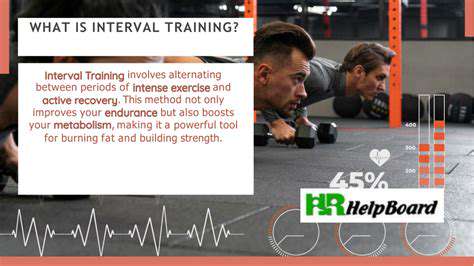
The Ultimate Guide for Runners What is Interval Training?Interval training is a highly effective workout method that alternates between high-intensity exertion and low-intensity recovery, tailored to enhance both speed and endurance. This scientifically proven approach not only elevates VO2 max—boosting cardiovascular fitness—but also promotes faster race times. Benefits of Interval Training for Runners1. Speed Enhancement: Short, intense bursts followed by active recovery improve running speed and efficiency. Studies indicate that integrating sprints into training routines can lead to 3-5% better race times compared to traditional methods.2. Increased Endurance: Structured intervals train your body to utilize energy efficiently, pushing your lactate threshold higher for prolonged performance during long races, like marathons.3. Time Efficiency: With sessions lasting just 20-30 minutes, interval training is perfect for busy schedules, delivering substantial fitness gains in less time than traditional running.4. Mental Fortitude: Engaging in varied workouts not only combats workout monotony but also fosters motivation through achievable goals and community support during training.5. Nutritional Boost: Proper fueling strategies enhance the benefits of interval training. A balanced diet rich in carbohydrates and protein supports recovery and performance. Types of Interval Training- High-Intensity Interval Training (HIIT): Short, extreme efforts followed by rest, consistently enhancing aerobic capacity. - Fartlek Training: An unstructured method allowing for spontaneous speeding up and slowing down, ideal for improving pacing without rigid planning. - Tempo Runs: Sustained efforts at a challenging pace perfect for boosting lactate threshold and endurance. - Long Intervals: Running at high speeds for extended distances, promoting VO2 max enhancements.- Hill Repeats: Strength-building exercises focusing on incline running to boost leg power and efficiency. Incorporating Interval Training into Your RoutineDeveloping an effective interval training plan starts by assessing your current fitness levels and establishing clear goals. Beginners should initiate with lighter intervals, gradually increasing intensity and duration. Experienced runners can explore advanced methods like pyramid intervals or hill sprints.To fit interval training into your weekly schedule, aim for two to three specific days dedicated to high-intensity workouts, complemented by longer, steady-state runs on alternate days. Always ensure proper warm-ups and cool-downs for optimal recovery. ConclusionIncorporating interval training into your running routine can significantly elevate your athletic performance. With numerous methods available tailored to individual fitness levels, this training style not only enhances speed and endurance but also supports longevity and reduces the risk of injuries. Start today to take your running to the next level!For more information and actionable tips, explore our related links on effective training strategies and nutritional guidance!
Mar 14, 2026
- Squats: These build strength in the legs and improve joint stability, crucial for absorbing impact forces.- Deadlifts: Target the posterior chain, enhancing overall body mechanics which can lead to improved running efficiency.- Lunges: Help in enhancing leg strength and flexibility, vital for maintaining a balanced and efficient running form.- Planks: Strengthen the core, which is essential for stability and effective running posture.Consider integrating these exercises two to three times per week to promote muscular adaptation without overwhelming your body. Integrating Strength Training into Running RoutinesScheduling strength workouts on days when you aren’t running, or after short runs, can help maintain high energy levels for both activities. Emphasizing progressive overload—gradually increasing weights or repetitions—is key to encouraging muscle growth and adaptations over time. Core Strength and StabilityInvesting time in core training can result in improved running efficiency and injury prevention. A strong core stabilizes the body, leading to better posture and stride mechanics. Incorporate exercises like planks and bridges to build core endurance. Enhancing Leg Strength and FlexibilityLeg strength is vital for sustaining repetitive muscle contractions during running. Exercises that promote strength in the quadriceps, hamstrings, and calves will not only improve speed but reduce fatigue during long distances. Furthermore, integrating flexibility and mobility work, such as dynamic stretches and yoga, can improve range of motion and joint health. Monitoring ProgressKeeping a training log to track workouts and adjustments can help you measure progress effectively. It’s crucial to reassess and modify your strength regimen to avoid plateaus as you become stronger. ConclusionIn summary, strength training is a fundamental aspect of any runner's training plan. By dedicating time to strengthen key muscle groups and improve balance and flexibility, runners can experience enhanced performance and reduced risk of injury. Consistency, proper technique, and responsiveness to your body's signals are key to a successful strength training journey.
Mar 15, 2026
- Enhanced Posture: Maintaining proper alignment reduces energy wastage, helping runners move more efficiently.- Reduced Fatigue: Improved core strength prevents early onset of fatigue by ensuring effective muscle use.- Increased Speed: Research shows that core strength plays a significant role in superior energy transfer, allowing runners to maintain speed with less effort. Core Strength TrainingTo develop a robust core, consider incorporating these exercises into your routine:- Basic Exercises: Planks and bridges help establish foundational strength.- Dynamic Movements: Medicine ball throws and rotational exercises engage multiple muscle groups for enhanced coordination.- Resistance Training: Focus on exercises that combine stability with power to amplify core strength.Aim for two to three core workouts weekly, focusing on balance and proper form during running to avoid injuries. Utilizing tools like stability balls can challenge your core further and lead to superior performance results. Improving Running EfficiencyResearch confirms that an improved running posture, supported by a strong core, directly relates to better performance and efficiency. Maintaining proper alignment allows for optimal breathing patterns, further enhancing endurance. Speed and Power DynamicsCore strength directly influences leg power, which is critical for running speed. Studies have shown that athletes with stronger core muscles can produce significantly more force, translating to faster race times. Injury PreventionA strong core acts as a safety mechanism against common running injuries. By stabilizing the pelvis and spine, core strength minimizes the risk of injuries like shin splints and stress fractures. Incorporating Core WorkIntegrate core training into your running regimen by scheduling specific sessions for core workouts alongside running routines. A balanced approach that includes interval training, long-distance runs, and dedicated core sessions will optimize speed and endurance. ConclusionCore strength is not merely an ancillary part of a runner’s training but a fundamental component vital for improved performance. By prioritizing core strength and integrating targeted exercises into your routine, you can significantly boost your running efficiency, speed, and overall athletic capability. Regularly track your progress and adjust your training to continue challenging your core, ensuring lasting improvements in your running ability.
Mar 16, 2026
//example.com/static/images/26/2026-03/WhyLungCapacityMattersforRunners.jpg) Understanding Lung CapacityLung capacity is the maximum volume of air your lungs can hold, playing a pivotal role in a runner's oxygen intake and endurance. By maximizing lung capacity, runners can significantly boost their performance during long-distance runs where adequate oxygen supply is crucial. Key advantages include:- Improved oxygen uptake- Enhanced endurance through better lung function- Efficient breathing patterns that optimize performance The Critical Role of Oxygen in RunningOxygen is fundamental for energy production in muscles. During intense exercise, an optimized lung capacity improves how efficiently oxygen is transported, resulting in superior running performance. Runners with greater lung capacity can sustain their pace longer and experience decreased fatigue, promoting quicker recovery post-run. Training Techniques to Enhance Lung CapacityIncorporating dedicated breathing exercises into your training regime can result in substantial improvements in lung capacity. Techniques like diaphragmatic breathing and pursed-lip breathing can boost the efficiency of your breathing. Research has shown that athletes who consistently apply these methods experience increased VO2 max—a vital indicator of cardiovascular fitness. Common Breathing Techniques1. Rhythmic Breathing: Synchronize your breaths with your steps to enhance the flow of oxygen and maintain a steady pace.2. Deep Belly Breathing: Engage your diaphragm fully to maximize air intake and promote relaxation during runs. Monitoring Lung HealthRegularly assessing your lung function can shed light on your fitness level. Utilizing peak flow meters or undergoing spirometry tests enables runners to affirm that their lungs are operating optimally. Those with pre-existing respiratory conditions should consult healthcare professionals for personalized advice. Mastering Diaphragmatic BreathingDiaphragmatic breathing, or belly breathing, enhances lung capacity by allowing deeper inhalation and exhalation. To practice:- Sit or lie comfortably, placing a hand on your chest and the other on your abdomen.- Inhale deeply through your nose, ensuring your abdomen expands.- Exhale slowly through your mouth, letting your abdomen fall. By incorporating this technique into your warm-ups and runs, you enhance not only your lung capacity but also your overall running efficiency. Engaging in Box BreathingBox breathing—characterized by four equal phases of breathing—can significantly improve focus and lower stress levels. This technique is highly beneficial for runners aiming to maintain mental clarity and endurance through rigorous training. Benefits Beyond RunningBeyond enhancing athletic performance, diaphragmatic and box breathing techniques ease stress and promote recovery by stimulating the parasympathetic nervous system. Employing these methods during cooldowns can expedite recovery, preparing you for your next run. Final ThoughtsImproving lung capacity through focused breathing techniques can elevate your running performance. By integrating exercises like diaphragmatic breathing and box breathing into your training regimen, you're not only optimizing your oxygen intake but also fostering mental clarity. Consider seeking guidance from a coach or respiratory therapist to personalize these strategies for maximum effectiveness.
Mar 19, 2026
View Publications>>

Hot Recommendations