Healthy Meals to Cook in 15 Minutes or Less
Whole Grains like quinoa, brown rice, and barley are not only nutritious but also quick to prepare. Whole grains are packed with fiber, which aids digestion and promotes satiety, making them an ideal base for healthy meals. You can cook them in large batches for the week, ensuring quick meal solutions on busy days.
For instance, quinoa cooks in about 15 minutes and can be used in salads, bowls, or as a side dish. Research indicates that incorporating whole grains can reduce the risk of heart disease and diabetes, making them a smart inclusion in your diet.
Lean Proteins: Essential for Balanced Nutrition
Utilizing lean proteins like chicken breast, fish, or plant-based options such as lentils and chickpeas can significantly elevate the nutritional profile of your meals. These proteins cook quickly, particularly in smaller cuts or pre-cooked varieties, allowing you to create satisfying meals without the long wait.
For example, grilled chicken breast can be ready in under 10 minutes if sliced into thin strips. Studies show that incorporating adequate protein helps with muscle repair and supports metabolic health, making it crucial for anyone focused on maintaining a balanced diet.
Additionally, consider using canned beans or legumes, which are quick to rinse and can add a protein boost to salads and wraps in moments, making meal prep even faster and easier.
Fresh Vegetables: Color and Crunch in Minutes
Incorporating a variety of fresh vegetables not only enhances the flavor of your dishes but also boosts their nutrient density. Vegetables like bell peppers, spinach, and zucchini can be quickly sautéed or steamed to retain their nutritional value while providing essential vitamins and minerals.
One tip is to buy pre-washed and cut vegetables, which cut down on prep time significantly. Aim for a rainbow of colors in your meals to ensure you’re getting a broad spectrum of nutrients. According to the CDC, increased vegetable intake can lower the risk of chronic diseases and promote overall well-being.
Healthy Fats: Boosting Flavor and Nutrient Absorption
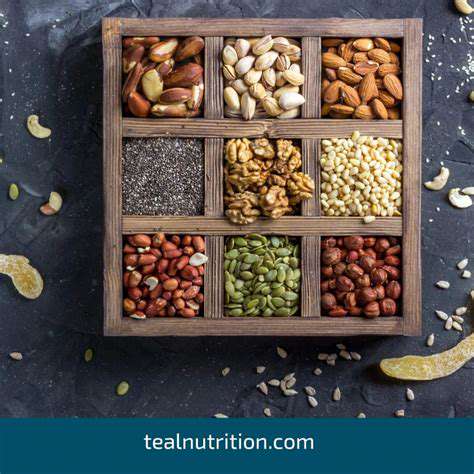
Don’t overlook the importance of healthy fats in your meals. Ingredients such as olive oil, avocado, and nuts not only add flavor but also facilitate the absorption of fat-soluble vitamins. Drizzling olive oil on salads or using it as a cooking medium can enhance both taste and nutritional absorption in less than a minute.
Avocados, which you can slice or mash in seconds, are an excellent source of healthy fats, and they can transform a simple dish into something creamy and satisfying. Additionally, nuts like walnuts and almonds provide crunch and healthy fats, contributing to heart health and keeping you feeling fuller for longer.
Integrating these fats wisely into your meals will not only make them more delicious but also align with dietary guidelines emphasizing the need for healthy fat sources.
Quick Recipe Ideas for Healthy Meals

Ingredient Preparation Techniques
Before diving into quick meal recipes, it's crucial to understand effective Ingredient Preparation Techniques. Chopping ingredients in advance or choosing pre-cut options can save significant time. For example, using frozen vegetables can be just as nutritious as fresh and allows you to skip the washing and cutting steps.
When working with proteins, consider marinating them ahead of time or purchasing pre-marinated options. This will infuse them with flavor quickly, making them perfect for fast cooking. Additionally, using canned beans can significantly cut down the cooking time and boost the nutritional profile of your meal.
Quick Protein Sources
Protein is essential for a balanced meal, and there are several quick sources to consider. Indeed, rotisserie chicken is a convenient option that can be used in salads, wraps, or served with vegetables. This allows for versatility while ensuring you're meeting your protein needs.
Another great option is canned tuna or salmon, which are packed with nutrients and can be quickly incorporated into dishes like pasta or grain bowls. Both are excellent choices when you're short on time yet want to maintain a healthy diet.
Vegetable Variety for Quick Meals
- Use a mix of fresh, frozen, and canned vegetables to enhance meal prep speed.
- Incorporate colorful veggies to ensure a range of nutrients.
- Consider pre-washed salad greens for instant meal assembly.
Incorporating a variety of vegetables not only enriches your meals but also adds vital nutrients. You can use a mix of fresh, frozen, and canned vegetables to prepare meals rapidly without sacrificing health. Frozen vegetables can be just as nutrient-dense as fresh ones and require no prep work.
Remember also to experiment with different vegetables to keep your meals exciting. Using a colorful array will not only make your plate visually appealing but also help ensure you're getting a range of nutrients in your diet.
Time-Saving Cooking Techniques
Utilizing time-saving cooking techniques can significantly reduce your meal preparation time. For example, stir-frying is a quick method that allows the natural flavors of the ingredients to shine through. By using high heat and minimal oil, you can prepare a healthy dish in under 10 minutes.
Another effective technique is one-pot cooking, which minimizes cleanup time while allowing flavors to meld beautifully. By cooking your protein and vegetables together, you're streamlining the process while creating a wholesome meal.
Meal Assembly Tips
Once your ingredients are prepped and cooked, assembling your meals efficiently can also save time. Pre-portioning snacks, salads, or even full meals into containers at the start of the week can help maintain healthy eating habits. This simple step not only saves time but also keeps you motivated to stick to your healthy eating goals.
Similarly, batch cooking on weekends allows for easy access to nutritious options throughout the week. Simply reheating these meals can be faster than preparing new dishes each day.
Flavor Enhancements in a Flash
To elevate your quick meals, consider using a variety of herbs, spices, and condiments. Fresh herbs like basil and cilantro can add depth to a dish in moments, while spices such as cumin or paprika can transform the flavor profile completely. Nutritional yeast also adds a cheesy flavor without added calories.
Having a selection of sauces on hand, such as low-sodium soy sauce, hot sauce, or salsa, allows for a quick flavor boost. Just a splash can make a meal feel gourmet without the extra effort.
Healthy Side Options
Complement your main dishes with some healthy and quick side options. For instance, preparing a simple quinoa salad or a fruit bowl can add nutrition and flavor to your meal. Eating whole grains like quinoa not only provides essential amino acids but also keeps you full longer.
Additionally, consider healthy dips such as hummus or guacamole that pair well with fresh veggie sticks. Not only are these sides nutritious, but they also help in rounding out your meal quickly.
Time-Saving Cooking Tips

Plan Your Meals Ahead of Time
One of the most effective time-saving tips is to dedicate a few minutes each week to Plan Your Meals. By organizing your weekly menu, you dramatically reduce daily decisions about what to cook. This approach allows you to identify ingredients for easy access at your local store or to utilize pantry staples efficiently.
If you can, pre-chop your vegetables or marinate proteins on your planning day. This can cut down your kitchen time significantly during your busy weekdays. In fact, studies indicate that meal planning can save you up to 4 hours per week, giving you more time for other responsibilities or relaxation.
Utilize Kitchen Gadgets
Investing in quick-cooking appliances like an Instant Pot or air fryer can be a game changer for those who are short on time. With these devices, you can achieve perfectly cooked meals in mere minutes, allowing for flexibility. Today's market offers numerous options designed to optimize cooking efficiency.
Moreover, consider using a food processor. It can chop, slice, and dice a variety of ingredients in a fraction of the time it would take manually. This is particularly useful when preparing meals that require various vegetables, as it helps to achieve uniformity in texture and taste.
Embrace One-Pot or Sheet Pan Meals
- One-pot meals save time on both cooking and cleaning.
- Sheet pan recipes allow for easy preparation and minimal cleanup.
- The combination of ingredients can create rich, complex flavors with little effort.
When you cook everything in one pot or on one sheet pan, not only do you minimize cleanup, but you also bring all the flavors together beautifully. Stuffed peppers, pasta dishes, and various casseroles come together with minimal effort and fuss. Such recipes are not only quick but also versatile, allowing for adaptations based on what’s available.
Choose Quick Cooking Proteins
Protein doesn’t have to take long to prepare. Opt for quick-cooking options like shrimp, chicken breasts, or eggs, which can be ready in under 15 minutes. Incorporating these can help you prepare a nutritious meal swiftly. Research emphasizes that high-protein meals contribute to satiety, potentially reducing cravings later in the day.
Additionally, canned beans or pre-cooked lentils can be excellent alternatives for adding protein without the wait time. Incorporating these ingredients into your meals not only saves time but also enhances your diet with essential nutrients and fiber.
Prep Ingredients in Bulk
Batch cooking ingredients during your downtime can drastically reduce cooking time. For example, cooking a large batch of quinoa or brown rice can provide you with ready-to-use staples for various dishes throughout the week. This is a great strategy for intermittent home cooks who want to streamline their process without feeling overwhelmed.
Moreover, consider freezing portions of sauces or cooked vegetables. This way, you'll have unique flavors on hand for quick assembly of meals. With this simple method, it’s easier to keep your meals varied and interesting while staying within the constraints of time.
Read more about Healthy Meals to Cook in 15 Minutes or Less
![Best Food Sources for Iron [Vegetarian and Non Vegetarian]](/static/images/26/2025-05/BeyondFood3ALifestyleConsiderations.jpg)

![How to Train for a 5K Run [Plan Included]](/static/images/26/2025-07/NutritionandRecoveryStrategiesforOptimalPerformance.jpg)