Healthy Grilling Recipes for Summer Weight Loss
Table of contents
Choose seasonal vegetables for flavorful grilled skewers.
Marinate veggies for enhanced flavor before grilling.
Maintain proper grill temperature for perfectly cooked vegetables.
Grilled vegetables are low-calorie and nutrient-rich.
Pair skewers with dips for added flavor and nutrition.
Experiment with fruits for unique grilled skewer flavors.
Use organic chicken for healthier lemon herb chicken breasts.
Marinate chicken to enhance flavor and tenderness.
Grill shrimp cautiously to avoid a rubbery texture.
Choose ripe avocados for fresh salsa flavor.
Consider corn tortillas for healthier taco bases.
Use quinoa and black beans for nutritious stuffed peppers.
Grill stuffed peppers away from direct flames for even cooking.
Store leftover stuffed peppers in an airtight container.
Grilling fruits enhances their natural sweetness and flavor.
1. Grilled Vegetable Skewers
1. Choosing the Right Vegetables
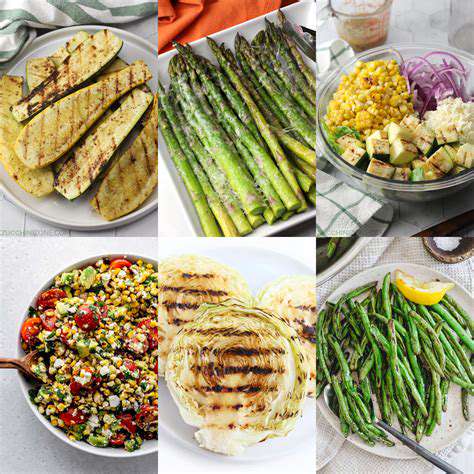
Grilled vegetable skewers are versatile, allowing you to mix and match various vegetables. Opt for vegetables that grill well, such as bell peppers, zucchini, and red onions. These choices provide a beautiful array of colors and flavors, enhancing both the presentation and taste of your dish.
Consider seasonal vegetables for freshness and better taste. During summer, vegetables like corn, eggplant, and cherry tomatoes are excellent additions. These vegetables not only offer unique flavors but also pack in essential nutrients ideal for weight management.
2. Marinating Techniques for Flavor Enhancement
- Use olive oil and vinegar for a classic marinade.
- Add herbs like rosemary or thyme for added aroma.
- Consider citrus juices for brightness and acidity.
Marinating your vegetables before grilling is crucial for flavor. A mixture of olive oil, balsamic vinegar, and garlic can make a delightful marinade. Allow the veggies to soak for at least 30 minutes to ensure they absorb these flavors well.
3. Grilling Methodologies
Whether using a gas grill or charcoal, maintaining the right temperature is key to achieving perfectly grilled vegetables. Preheat the grill to medium-high heat, approximately 375°F to 450°F, to get that ideal char without burning. Regularly turning the skewers every few minutes will ensure even cooking.
If you are using wooden skewers, do not forget to soak them in water for at least 30 minutes prior to grilling. This prevents the skewers from catching fire and adds an extra layer of flavor as they steam the marshaled vegetables.
4. Nutritional Benefits of Grilled Vegetables
Grilled vegetables are not only tasty but also contribute significantly to a healthy diet. They are low in calories while rich in vitamins, minerals, and antioxidants. For example, bell peppers are high in vitamin C, which helps with fat metabolism. Regular consumption of these vegetables can support overall health and assist in achieving weight loss goals.
Moreover, grilling vegetables enhances their fiber content while reducing fat content, making them beneficial for digestive health. Incorporating grilled vegetables into meals may also promote a sense of fullness, aiding in weight management.
5. Serving Suggestions to Elevate Your Dish
Once your grilled vegetable skewers are ready, pair them with healthy dips like tzatziki or hummus. These dips not only enhance flavor but also contribute additional nutrients. Adding a sprinkle of feta cheese can introduce a rich flavor without overwhelming your dish.
Serving skewers alongside a protein source such as grilled chicken or fish can provide a well-rounded meal. Additionally, serving them on a bed of quinoa or brown rice not only adds texture but also contributes to the overall health benefits of your meal.
6. Creative Variations to Try
Grilled vegetable skewers can be customized in countless ways. For a unique twist, try adding fruits like pineapple or peaches for a sweet contrast. These can caramelize on the grill, adding new dimensions to flavor.
You could also experiment with different global cuisines by incorporating spices and herbs according to your preference. For instance, using a harissa or chimichurri sauce can infuse your skewers with exciting flavors that keep your taste buds intrigued.
2. Lemon Herb Chicken Breasts
Ingredients for Lemon Herb Chicken Breasts
To prepare delicious Lemon Herb Chicken breasts, you'll need boneless, skinless chicken breasts, olive oil, fresh lemon juice, minced garlic, and a selection of herbs such as rosemary, thyme, and parsley. Each ingredient plays a pivotal role in enhancing the flavor profile, while the olive oil helps to keep the chicken moist during grilling.
Consider using Organic Ingredients when possible. Organic chicken breasts are generally free from antibiotics and hormones, making them a healthier choice. Furthermore, fresh herbs not only impart vibrant flavor but are also a source of antioxidants, which is an added benefit while tackling summer weight loss.
Grilling Techniques for Perfect Results
When grilling lemon herb chicken breasts, marinating is crucial. A minimum of 30 minutes will suffice, but allowing the chicken to soak up the flavors for up to 2 hours can significantly enhance the taste. This also helps tenderize the meat, resulting in a juicier outcome. A simple marinade of lemon juice, olive oil, and herbs balances acidity with richness.
As you grill, maintaining an even temperature is key. Start with medium heat to sear the chicken, locking in moisture. Flip the chicken once to develop those beautiful grill marks and ensure even cooking. Finally, use a meat thermometer to check for an internal temperature of 165°F (75°C); this ensures that the chicken is cooked through while remaining juicy and flavorful.
3. Grilled Shrimp Tacos with Avocado Salsa
1. The Health Benefits of Grilled Shrimp
Grilled shrimp are an excellent source of lean protein, essential for muscle repair and growth, especially important during weight loss efforts. This shellfish contains around 20 grams of protein per 3-ounce serving, making it a potent addition to any meal. Additionally, shrimp are low in calories and fat, which makes them an attractive option for those watching their caloric intake.
Moreover, shrimp are rich in omega-3 fatty acids, which contribute to heart health by lowering levels of triglycerides and inflammation. Research has shown that diets high in omega-3s can reduce the risk of cardiovascular diseases. Thus, incorporating grilled shrimp into your meals can be beneficial for both weight management and overall health.
2. Choosing the Right Avocado for Salsa
When making avocado salsa, selecting the right type of avocado is crucial. Hass avocados are generally preferred due to their creamy texture and robust flavor. They ripen to a dark purple hue, signaling they are ready for use. Look for avocados that yield slightly to gentle pressure, ensuring they are ripe but not overripe.
Additionally, ensure to use fresh ingredients in your salsa, such as tomatoes, onions, and cilantro. Freshly squeezed lime juice not only enhances the flavor but also helps preserve the vibrant color of the avocados. The combination of these ingredients creates a refreshing and nutritious topping for your tacos.
Using a mix of ripe avocados and slightly firmer ones in your salsa can add a pleasing texture contrast, enhancing the overall experience. For those looking to optimize their meals, incorporating garlic or jalapeños in moderation can provide an extra kick without overwhelming the natural flavors.
3. Techniques for Perfectly Grilled Shrimp
Grilling shrimp requires a cautious approach to avoid overcooking, which can lead to a rubbery texture. A good rule of thumb is to cook shrimp on medium-high heat for about 2-3 minutes per side. Marinating shrimp beforehand can enhance their flavor and tenderness; a simple marinade of lime juice, olive oil, and spices can do wonders.
To prevent shrimp from falling through the grill grates, consider using skewers. Soak wooden skewers in water for at least 30 minutes before grilling to avoid burning. Alternatively, using a grill basket can allow for grilling multiple shrimp at once, ensuring even cooking and ease of handling.
4. Nutritional Breakdown of Taco Ingredients
When assembling your grilled shrimp tacos, it’s essential to consider the overall nutritional profile. Corn tortillas are generally a healthier option compared to flour, offering more fiber and nutrients. A typical corn tortilla clocks in at about 50-60 calories, making it a suitable base for grilled shrimp and salsa.
Adding vegetables to your tacos can significantly boost their nutritional value. Using shredded cabbage, diced tomatoes, and a sprinkle of onions not only adds crunch but also increases fiber, which is key for satiating hunger and supporting digestive health. Combining these ingredients can create a colorful, flavorful dish that aligns with weight loss goals.
5. Creative Toppings to Enhance Flavor
While avocado salsa is a fantastic topping, consider exploring additional options to elevate your tacos. A dollop of Greek yogurt or low-fat sour cream can add creaminess without excessive calories. Fresh herbs like cilantro or parsley can enhance the flavor profile and add freshness to your dish.
For those who enjoy a bit of spice, pickled jalapeños, or a drizzle of hot sauce can provide that fiery kick, making every bite more exciting. Experimenting with different toppings allows for customization, so each taco can suit individual taste preferences. Keep in mind that moderation is key—adding too much can overshadow the shrimp's natural flavor.
6. Pairing Suggestions for a Balanced Meal
To create a well-rounded meal, consider pairing your grilled shrimp tacos with a side that complements their flavors. A simple black bean salad with corn, diced bell peppers, and a light vinaigrette can offer additional protein and fibers, enhancing satiety. This combination ensures that you're not just filling up on carbs but also getting a balanced nutrient intake.
Additionally, a light fruit salad with ingredients such as pineapple, mango, and fresh mint can serve as a refreshing side that contrasts nicely with the savory tacos. The natural sweetness of the fruit can balance the meal, making it more satisfying. It’s all about creating a meal that is both enjoyable and conducive to your weight loss journey.
4. Quinoa and Black Bean Stuffed Peppers
Ingredients Needed for Stuffed Peppers
To prepare Quinoa and Black Bean Stuffed Peppers, you'll need a mix of fresh and pantry staple items. Start with bell peppers, which are typically available in various colors, offering a sweet flavor and crisp texture. You'll also require cooked quinoa, a versatile grain that adds protein and fiber to your meal.
Black beans are an excellent source of protein and should be rinsed before use to reduce sodium content. Along with diced tomatoes, spices like cumin and paprika, and fresh cilantro, these ingredients create a flavor-packed filling that enhances the peppers. Do not forget cheese or avocado, as they can add creaminess that balances the dish.
Preparation Steps for Stuffed Peppers
Begin by preheating your grill to medium heat. While it's heating, cut the tops off the bell peppers and remove the seeds and membranes. This gives you a lovely cavity to fill with your mixture. Prepare the quinoa according to package instructions, typically boiling it in water for about 15 minutes.
Next, mix the cooked quinoa with black beans, diced tomatoes, and selected spices in a bowl. This combination not only provides essential nutrients but also creates a flavorful filling you can’t resist. Once mixed, stuff the peppers generously with this filling before placing them on the grill for about 20-25 minutes until they are tender but retains a slight bite.
Nutritional Benefits of the Dish
Quinoa and Black Beans in stuffed peppers provide a nutritious meal that's rich in protein, fiber, and various vitamins and minerals. Quinoa is a complete protein, containing all nine essential amino acids, making it particularly valuable for vegetarians and vegans. Black beans add an additional boost of fiber and iron, critical for overall health.
Moreover, bell peppers are packed with vitamin C, an antioxidant that supports the immune system. Eating a meal like this can help you stay within calorie limits while still satisfying your hunger with its wholesome ingredients. A balanced dinner such as this supports weight loss by keeping you full longer.
Grilling Techniques for Optimal Flavor
When Grilling Stuffed Peppers, it's crucial to maintain a steady temperature. This ensures even cooking and prevents the peppers from burning. Place the stuffed peppers on the grill away from direct flames to allow for gentle cooking, which helps in softening the peppers without charring them too much.
Consider using a grill basket or a piece of foil to prevent any filling from falling through the grill grates. Don't hesitate to turn the peppers occasionally for uniform grilling and to get those satisfying grill marks. Brushing a bit of olive oil on the outside can enhance flavor and promote a desirable char.
Serving Suggestions and Pairings
Stuffed peppers can be served as a stand-alone dish or alongside various side options. A light cucumber salad or a zesty corn salsa can provide a fresh contrast to the rich flavors of stuffed peppers. You might also want to consider a dollop of Greek yogurt on top as a healthy alternative to sour cream.
If you're going for a complete meal, pair the stuffed peppers with whole grain crackers or a light quinoa salad. These pairings complement the peppers well while maintaining the low-calorie aspect of your dining experience.
Storage and Reheating Tips
If you have leftovers, they can be stored in an airtight container in the refrigerator for up to three days. Reheating them is simple; just pop them in the microwave for a few minutes until warmed through, or grill them for a few extra minutes to restore that fresh-off-the-grill flavor.
For longer storage, consider freezing the stuffed peppers. Wrap each in plastic wrap and then in foil before placing them in a freezer bag. This method can keep them fresh for up to three months. When you're ready to enjoy, simply thaw in the refrigerator overnight and reheat.
5. Grilled Fruit for Dessert

Understanding the Benefits of Grilling Fruits
- Grilled fruits enhance flavor and nutritional value.
- They provide natural sweetness, reducing the need for added sugars.
- Fruits are rich in essential vitamins and antioxidants.
Grilling fruits not only intensifies their natural sweetness, but it also helps to enhance their flavor profile. When exposed to heat, the sugars in fruits caramelize, which can create a delightful contrast between the smoky notes from the grill and the sweet, juicy flesh of the fruit. This makes grilled fruits an ideal end to a meal, providing satisfaction without excessive calories.
Moreover, adding grilled fruits to your diet can lead to numerous health benefits. Many fruits are loaded with vitamins, minerals, and antioxidants that contribute to overall well-being. For instance, fruits like peaches, pineapples, and mangoes are rich in Vitamin C and other essential nutrients that support the immune system. Incorporating these can lead to a more balanced and healthier diet.
Popular Fruits for Grilling and Preparation Tips
When it comes to grilling, not all fruits hold up well to heat. Some of the most popular choices include peaches, pineapples, and watermelon. Their dense texture allows them to become beautifully caramelized without falling apart. Select ripe but firm fruits for grilling; they will hold their shape and flavor better, providing a better texture in your dessert.
For best results, it’s advisable to slice the fruits into thick wedges or halves, ensuring even cooking. You can also brush them lightly with olive oil or add a sprinkle of cinnamon before grilling to enhance their flavor. Pairing grilled fruits with a scoop of low-fat ice cream or a dollop of yogurt can elevate your dessert while keeping it healthy and enjoyable. This combination satisfies sweet cravings, while still aligning with your weight loss goals.
Read more about Healthy Grilling Recipes for Summer Weight Loss









Hot Recommendations
-
*How Weight Distribution Affects Your Lower Back Pain
-
*How to Increase Your VO2 Max for Better Running Endurance
-
*Identifying Nerve Pain vs. Muscle Pain in the Back
-
*How Your Running Cadence Affects Injury Risk
-
*Preventing Overuse Injuries in Distance Runners
-
*Why Core Stability is the Key to Ending Back Pain
-
*Low Glycemic Index Recipes for Stable Energy and Weight Loss
-
*The Best Herbs to Grow for Healthy Cooking
-
*Gratitude Meditation: A Guide to Inner Peace
-
*Healthy Dessert Hacks for Weight Loss Sufferers