Low Glycemic Index Recipes for Stable Energy and Weight Loss
Overnight oats are not only convenient but also customizable to fit your nutritional needs. By using rolled oats soaked in almond milk and adding chia seeds, you create a dish rich in fiber and omega-3 fatty acids. This meal provides long-lasting energy and keeps you feeling satiated until lunchtime.
Consider adding low-glycemic fruits such as tart cherries or apples, which can enhance flavor and add a nutritional punch. A study in the American Journal of Clinical Nutrition highlighted the benefits of oats for heart health and stable blood sugar levels, making them an excellent choice for breakfast.
Protein-Packed Eggs for Sustained Energy
Eggs are a powerhouse of nutrition and an excellent breakfast option for those seeking sustained energy. A standard serving of two large eggs contains around 12 grams of protein, making them a strong contender for managing hunger and energy levels. Pair them with non-starchy vegetables like bell peppers or spinach for a boost in vitamins without compromising on glycemic index.
Nutritious Breakfast Bowls: A Balanced Approach
Breakfast bowls can be an effective way to incorporate multiple food groups into your morning meal. Start with a base of quinoa or brown rice, which are low-glycemic grains that provide steady energy. Top it off with roasted vegetables and a protein source, such as grilled chicken or tofu, to create a balanced meal that can power you through your morning.
Research suggests that meals rich in whole grains and fiber can lead to improved satiety and weight management. Customize your bowl with various spices or herbs to enhance flavor without adding extra calories.
Wholesome Lunch Options
Choosing Whole Grains
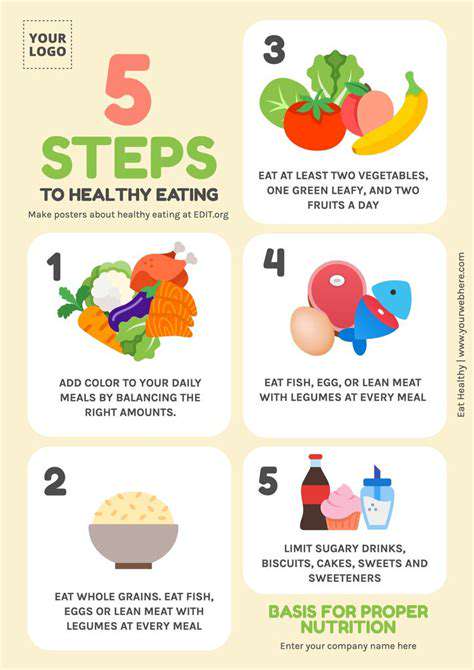
Whole grains are a vital part of any wholesome lunch option, playing a significant role in maintaining stable energy levels throughout the day. Foods like quinoa, brown rice, and whole-wheat pasta are excellent choices for lunches. They possess a low glycemic index, making them ideal for avoiding blood sugar spikes that can lead to energy crashes later on. Additionally, whole grains are high in fiber, which aids digestion and contributes to long-lasting satiety.
Research has shown that individuals who incorporate whole grains into their diet experience a lower risk of cardiovascular diseases and diabetes. The fiber content in whole grains not only promotes a healthy digestive system but also helps regulate cholesterol levels. Making the switch from refined grains to whole grains is a simple yet effective way to boost your nutrition.
Incorporating Lean Proteins
Adding lean proteins to your lunch is crucial for stabilizing energy levels and supporting muscle health. Options such as grilled chicken, turkey, tofu, and legumes offer substantial amounts of protein without too much saturated fat. These proteins not only help in building and repairing tissues but also keep you feeling satiated longer, reducing the likelihood of unhealthy snacking.
Studies indicate that including protein in your meals can enhance feelings of fullness, which is essential for weight management. Foods like chickpeas and lentils also contribute dietary fiber along with protein, making them doubly beneficial. For those looking to improve their overall diet, prioritizing lean protein sources is a smart move that aligns well with a Low-Glycemic Index approach.
Maximizing Vegetables
Vegetables should be the cornerstone of any wholesome lunch. They not only provide essential vitamins and minerals but are also low in calories, making them ideal companions for a balanced meal. Leafy greens, bell peppers, carrots, and broccoli are nutrient-dense options that can greatly enhance your plate. The fiber in vegetables promotes a healthy gut, which is essential for nutrient absorption and overall wellbeing.
Opting for a colorful mix of vegetables can also be visually appealing and more satisfying. Immersing yourself in a rainbow of vegetables not only meets your nutritional needs but can also elevate your lunch experience. A well-rounded salad or a veggie stir-fry can boost your energy levels and help maintain focus throughout the day.
Healthy Fats to Consider
Including healthy fats in your lunch is essential for absorbing fat-soluble vitamins like A, D, E, and K. Foods such as avocados, nuts, and olive oil provide these beneficial fats while also contributing to satiety. A diet rich in healthy fats can also support heart health and assist in regulating cholesterol levels.
Research supports the notion that moderate intake of healthy fats can enhance cognitive function and energy production. Consider drizzling olive oil over your salads or integrating avocado into your wraps; these small adjustments can have lasting impacts on your overall health. Balancing fats with proteins and fiber will keep you energized and focused through your busy day.
Smart Snack Choices
Smart snacking is an integral part of making wholesome lunches more effective. Instead of reaching for sugary snacks, consider options like hummus with veggie sticks or a small portion of nuts. These snacks are low on the glycemic index and contribute to steady energy levels without causing sugar highs and lows.
Moreover, keeping your snacks well-portioned is key. Prepping healthy snacks ahead of time can help you avoid the temptation of processed foods. Keeping portion sizes in check will not only support weight management but also enhance your lunch's overall effectiveness in providing stable energy throughout the afternoon.
Nutritious Dinner Choices
Understanding the Low-Glycemic Index
The glycemic index (GI) measures how quickly foods raise blood sugar levels. Foods classified as low-GI have a score of 55 or less. Understanding this concept can significantly influence dietary practices, especially for those seeking stable energy levels or weight loss. Low-GI foods promote a gradual release of glucose into the bloodstream, preventing spikes that can lead to cravings and fatigue.
Research indicates that incorporating low-GI foods can benefit metabolic health. According to a study published in the American Journal of Clinical Nutrition, participants who consumed low-GI diets experienced improved insulin sensitivity and better overall health markers. This data supports the notion that choosing low-GI options may enhance your dietary choices without compromising nutrient intake.
Healthy Protein Sources
Including lean protein in your dinner is essential for muscle repair and maintaining satiety. Options such as chicken breast, turkey, and lean cuts of beef are not only rich in protein but also contribute to a low-GI meal when paired with whole grains or vegetables. Research shows that proteins help stabilize blood sugar levels, providing a longer-lasting energy source.
Fish, particularly fatty varieties like salmon and mackerel, are excellent choices due to their omega-3 fatty acid content. Omega-3s are known to have anti-inflammatory properties and support heart health. Additionally, plant-based proteins such as lentils and chickpeas bring not just protein but also fiber, further enhancing their low-GI characteristics.
When considering dinner options, grilling, baking, or steaming proteins usually retains nutrients better than frying. That choice not only improves the health benefits of the meal but also minimizes added fats and calories.
Incorporating Whole Grains
Instead of refined grains, opting for whole grains is a practical way to maintain a low-GI diet. Brown rice, quinoa, and barley are excellent choices that deliver complex carbohydrates and fibers, which aid digestion and prolong satiety. The fiber found in these grains slows carbohydrate absorption, contributing to stable blood sugar levels.
Moreover, studies have shown that diets rich in whole grains can enhance cardiovascular health. The Journal of Nutrition supports this, highlighting a link between whole grain consumption and reduced risk factors for heart disease. Integrating whole grains into dinner can offer both health benefits and variety, making meals more interesting.
Vegetable Variety for Nutrition
Low-GI vegetables, including leafy greens, broccoli, and bell peppers, are packed with vitamins, minerals, and antioxidants. These vegetables not only support overall health but also can help in weight management due to their low calorie density. Adding a variety of colorful vegetables boosts the nutrient profile of your dinner while keeping glycemic responses low.
Further, vegetables contribute fiber that enhances digestion and increases fullness after meals. The American Heart Association advocates for including vegetables at every meal for optimal health. When preparing dinner, consider roasting, steaming, or stir-frying as effective cooking methods that help retain nutrient integrity.
A suggestion would be to create a colorful vegetable stir-fry with whole grains and lean protein; this not only enhances the flavor profile but also ensures a well-rounded nutrient intake.
Flavorful Herbs and Spices
Incorporating herbs and spices into your low-GI meals enhances flavor without adding unnecessary calories. Ingredients such as garlic, ginger, turmeric, and basil are not only aromatic but also boast health benefits. For instance, turmeric contains curcumin, which has anti-inflammatory properties, supporting overall wellness.
Using herbs and spices can also help reduce the need for heavy sauces or salt, which can have negative health implications. According to the Journal of Agricultural and Food Chemistry, many spices also exhibit antioxidant properties, providing additional health benefits that complement your low-GI meals.
Incorporating these flavorful alternatives can make healthy eating enjoyable and satisfying, allowing you to maintain a balanced diet effortlessly. Experimenting with different combinations of herbs and spices can lead to delightful discoveries in your culinary endeavors.
Sweet Treats without the Guilt

When creating sweet treats that won't spike blood sugar, the ingredient list is the foundation. Opting for Natural sweeteners like stevia, monk fruit, or small amounts of raw honey can help maintain a low glycemic index. These alternatives provide sweetness without the rapid glucose release associated with refined sugars. Additionally, incorporating whole grains such as oat flour or almond meal adds fiber and healthy fats which further slow digestion and glycemic response.
It's essential to avoid highly processed components like white flour, corn syrup, and artificial additives, as these typically increase the glycemic load of desserts. Instead, combining nuts, seeds, and dark chocolate (at least 70% cacao) not only enriches flavor but also offers antioxidants and micronutrients that support metabolic health.
- Stable blood sugar levels curb hunger and reduce overeating.
- Low-GI foods enhance insulin sensitivity, aiding fat metabolism.
- Controlled energy release sustains focus and physical activity.
Research published in the American Journal of Clinical Nutrition demonstrates that diets emphasizing low-glycemic index foods can lead to improved weight loss outcomes and better appetite control compared to high-GI diets. This is primarily due to the steady glucose absorption that prevents the sharp insulin spikes known to contribute to fat storage and energy crashes.
Moreover, a controlled study involving overweight individuals showed that incorporating low-GI sweet treats made from ingredients such as chickpea flour and berries helped participants adhere more consistently to their dietary plans. This compliance is crucial because it indicates that satisfying dessert options don’t have to be off-limits in weight management strategies.
Here are some straightforward ideas you can whip up without complicated techniques or obscure ingredients:
Berries with Greek yogurt and a drizzle of stevia offer a naturally sweet treat rich in protein and antioxidants. Another option is a chia seed pudding made with unsweetened almond milk and flavored with cinnamon, which not only satisfies dessert cravings but also boosts fiber intake.
For those who enjoy baking, try replacing regular flour with coconut or almond flour in recipes for muffins and cakes. Incorporating mashed bananas or unsweetened applesauce adds moisture and natural sweetness, keeping sugar levels moderated. Remember, the key is Balancing sweetness with nutrients that slow digestion and provide lasting energy.
Read more about Low Glycemic Index Recipes for Stable Energy and Weight Loss



![How to Train for a 5K Run [Plan Included]](/static/images/26/2025-07/NutritionandRecoveryStrategiesforOptimalPerformance.jpg)