The Best Herbs to Grow for Healthy Cooking
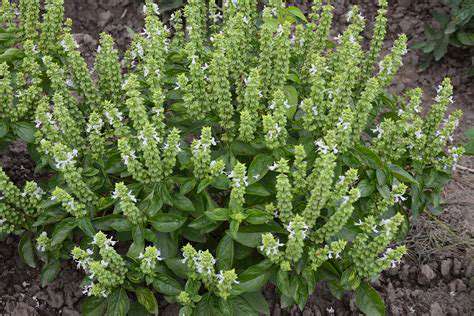
Historical Significance of Basil
Originating from tropical regions, basil has been cultivated for over 5,000 years. Various ancient texts indicate that it was not only used for Culinary purposes but also had significant cultural and religious value. In many cultures, basil has been associated with love and protection.
In fact, in ancient Greece, basil was regarded as a symbol of mourning. The Greeks believed it promoted a strong bond between lovers. Today, it holds a similar romantic connotation, majorly featured in Mediterranean cuisines.
Nutritional Benefits of Basil
Basil is not only flavorful but also packed with nutrients. This herb is rich in antioxidants, which help reduce inflammation and prevent cellular damage. Moreover, it contains essential vitamins such as Vitamin K, important for bone health, and Vitamin A, which supports vision.
Additionally, basil has compounds like eugenol, which may provide anti-inflammatory effects. Many nutritionists advocate for including fresh basil in your diet to enhance overall wellbeing.
Growing Basil at Home
- Basil thrives in warm conditions with plenty of sunlight.
- It prefers well-draining soil and should be watered moderately.
- Harvesting basil regularly encourages new growth, making it a robust addition to your home garden.
If you’re considering growing basil, it’s essential to choose the right variety. Sweet basil is popular for cooking, while Thai basil adds a different flavor profile to dishes.
Starting from seeds can be rewarding but requires attention for optimal germination. Purchasing young plants from a nursery is another effective approach for beginners.
Culinary Uses of Basil
Basil is a versatile herb that can enhance a variety of dishes. It's commonly used in Italian cooking, particularly in tomato-based sauces and pesto. Its refreshing aroma and slightly sweet taste make it an excellent complement to meats, seafood, and vegetables.
In addition to savory dishes, basil can also be infused into oils and used in dressings. Mixing basil with fruits like strawberries or peaches creates unique flavor combinations in desserts.
Pest Management for Basil Plants
While basil is relatively hardy, it can fall victim to certain pests like aphids and spider mites. Regular inspection of your plants is crucial to catch these issues early. Applying insecticidal soap or neem oil can help mitigate these problems effectively.
Furthermore, companion planting basil with crops like tomatoes can naturally deter pests while enhancing plant growth. Keeping your basil healthy is key to enjoying its many benefits and flavors.
Parsley: The Nutrient Powerhouse

Why Choose Parsley for Your Garden?
Parsley is not just a garnish; it’s a versatile herb that can enhance the flavors of numerous dishes. Its ability to thrive in various soil types and conditions makes it an ideal choice for both novice and experienced gardeners.
- Rich in vitamins and minerals
- Flexible growth conditions
- Enhances culinary experiences
- Supports overall health
Incorporating parsley into your kitchen can transform everyday meals into culinary masterpieces. This herb not only brightens up dishes but also packs a nutritional punch.
Nutritional Benefits of Parsley
Parsley is loaded with essential nutrients. It provides high levels of vitamin K, which is crucial for bone health and necessary for effective blood clotting. Additionally, just one cup of fresh parsley contains a wealth of vitamin C, beta-carotene, and a host of antioxidants.
Research indicates that the antioxidants found in parsley can help reduce inflammation and combat oxidative stress. These properties contribute to the body's overall well-being, making parsley an invaluable addition to any diet.
Culinary Uses and Pairings
From tabbouleh to sauces, parsley serves as a vibrant base ingredient in myriad recipes. It's commonly used in Mediterranean dishes but can easily elevate the flavors in soups, salads, and even sandwiches. Consider pairing parsley with lemon and garlic for a refreshing herbaceous dressing.
One of the best aspects of parsley is its ability to complement a wide range of ingredients, whether it’s fish, meat, or vegetables. The herb adds freshness and can neutralize heavier dishes, balancing the overall flavor profile.
How to Grow and Harvest Parsley
Growing parsley is relatively straightforward. It thrives in well-drained soil and prefers full sun, although it can tolerate partial shade. Start seeds indoors or directly sow them in the garden once the threat of frost has passed for best results. Regularly watering and occasionally fertilizing will ensure robust growth.
When it comes to harvesting, cut the outer leaves first, allowing the inner leaves to continue growing. This method not only maintains a continuous supply of fresh parsley but also encourages new growth. Always remember to wash parsley thoroughly before you incorporate it into your cooking to remove any soil residue.
Rosemary: Versatile and Resilient
Health Benefits of Rosemary
Rosemary is packed with antioxidants and anti-inflammatory compounds that offer numerous Health Benefits. For example, studies have shown that compounds found in rosemary can help improve digestion and enhance memory. Furthermore, rosemary's potential to boost brain function may stem from its essential oil, which is known to alleviate stress and promote mental clarity. Many chefs and nutritionists endorse rosemary not just for its flavor, but also for its ability to enrich a balanced diet.
Research has also illustrated rosemary's role in supporting immune function. By incorporating rosemary into meals, you may also benefit from its antimicrobial properties. These properties can help preserve foods naturally and enhance safety in culinary applications. It's essential to consider how this herb can serve not only as a seasoning but also as a way to promote overall health and well-being in everyday cooking.
Culinary Uses and Pairings
Rosemary's robust flavor makes it a culinary favorite, especially in Mediterranean dishes. This herb pairs beautifully with a variety of proteins such as lamb, chicken, and even fish, often enhancing the natural flavors of the main ingredient. It's frequently used in roasts and stews to impart a distinctive taste that can elevate a simple meal to something extraordinary. Additionally, its aromatic properties work well in soups and sauces, making rosemary a versatile choice in the kitchen.
For those looking to experiment, rosemary-infused oils and vinegars can serve as excellent bases for dressings and marinades. The infusion process is relatively straightforward: just steep fresh or dried rosemary in oil or vinegar for a few weeks to capture its essence. This method not only adds depth to your recipes but also leads to exciting culinary experimentation that newcomers and seasoned chefs alike can enjoy.
Thyme: The Timeless Culinary Herb
The Nutritional Benefits of Thyme
Thyme is not just a flavorful herb; it is also packed with essential nutrients. This herb contains vitamins A, C, and K, which are crucial for maintaining overall health. Moreover, it is an excellent source of manganese, iron, and calcium, all of which play vital roles in bodily functions such as bone development and oxygen transport in the blood.
Research has highlighted thyme's potential health benefits, especially its antioxidant properties. Antioxidants help combat oxidative stress and can reduce the risk of chronic diseases. According to a study published in the journal Molecules, thyme has one of the highest antioxidant capacities among common herbs, making it an excellent addition to a healthy diet.
Culinary Uses of Thyme
Thyme is incredibly versatile in the kitchen. It can be used both fresh and dried in various dishes, from hearty stews to light salads. Its earthy flavor pairs well with meats, poultry, and vegetables, enhancing the overall taste profile of a dish without overwhelming it. If you're looking to incorporate more herbs into your cooking, thyme can be a great starting point.
In Mediterranean cuisine, thyme is a staple ingredient. It's commonly used in marinades, soups, and roasted dishes. A simple way to enjoy thyme is by adding it to roasted potatoes or coming up with a homemade herb rub for meats. Give it a try in your next culinary adventure!
Growing Thyme: Requirements and Care
Growing thyme is not only easy but also rewarding. This herb thrives in well-drained soil and prefers a sunny location with at least six hours of sunlight daily. If you're starting with seeds, plant them in early spring, as thyme is a perennial that can withstand various weather conditions. Using starter plants is also an excellent option for beginners.
Watering thyme requires caution, as overwatering can lead to root rot. Allow the soil to dry out slightly between watering sessions. If you're unsure, it's better to underwater than overwater. As thyme matures, regular pruning will encourage bushier growth and enhance its flavor.
Thyme Essentials: Recipes and Ideas
Thyme can elevate even the simplest dishes. For instance, a roasted chicken seasoned with thyme leaves, garlic, and lemon will not only taste fantastic but also impress your guests with its aromatic qualities. Additionally, a thyme-infused olive oil can be a delightful addition to salad dressings or marinades.
If you’re interested in a quick and healthy snack, consider making thyme-flavored popcorn. Simply melt some butter, add fresh thyme leaves, and toss it with popcorn kernels for a unique twist on a classic treat.
You can also incorporate thyme into your daily routine by adding it to herbal teas. A simple infusion of fresh thyme in hot water can provide soothing effects and might offer relief for a sore throat.
Potential Health Risks and Considerations
While thyme is generally safe for most people, it's essential to be aware of some considerations. Individuals with allergies to other herbs in the mint family, such as oregano or basil, may want to exercise caution when using thyme. If you're unsure, consult a healthcare professional, particularly if you plan to consume thyme in large amounts or as a concentrated extract.
Pregnant or breastfeeding women should also consult their doctor before incorporating thyme supplements. Though cooking with thyme is typically safe, excessive use can lead to digestive disturbances or interactions with certain medications.
Preserving Thyme for Year-Round Use
To enjoy thyme all year long, preservation techniques are crucial. Drying is one of the most common methods. To do this, tie fresh thyme sprigs together and hang them upside down in a cool, dry place. Once fully dried, store them in an airtight container away from direct sunlight to maintain their flavor.
Another great preservation method is freezing. Chop fresh thyme and mix it with some olive oil in an ice cube tray. Once frozen, transfer the cubes into a freezer bag. This provides you with ready-to-use thyme for cooking whenever you need it.
Thyme in Herbal Medicine
Thyme is recognized for its medicinal properties in herbal medicine. Traditionally, it's been used to treat respiratory conditions like coughs and bronchitis. The herb contains compounds like thymol, which have been shown to have antimicrobial properties, making thyme a valuable ally in maintaining respiratory health.
Moreover, thyme has been used to relieve digestive issues. A herbal tea made from thyme can help soothe an upset stomach and may assist in digestion. However, it's important to note that these benefits are generally recognized in traditional practices, and scientific research should be consulted for more detailed advice on medicinal uses.
Mint: Refreshing and Revitalizing
Health Benefits of Mint
Mint is not just a flavorful addition to dishes but is also packed with health benefits that can enhance overall wellbeing. Studies show that mint aids in digestion by relaxing the muscles of the gastrointestinal tract, which can help alleviate issues like indigestion and bloating. Furthermore, its menthol component can provide a cooling effect, making it a popular choice in herbal teas and remedies.
Research has indicated that the antioxidants present in mint can play a role in reducing inflammation and oxidative stress within the body. This makes mint a vital herb for supporting immune function. In addition, certain compounds in mint have been found to demonstrate antimicrobial properties, which could help fend off infections and promote oral health by combating bacteria responsible for bad breath.
Culinary Uses of Mint
Mint is incredibly versatile in the culinary world, balancing flavors from savory to sweet. In Middle Eastern cuisines, fresh mint is frequently used in salads and sauces, contributing brightness to dishes like tabbouleh and tzatziki. In Mediterranean cooking, it enhances the taste of grilled meats and vegetables, often served as a garnish or infused into dressings for added complexity.
When it comes to desserts, mint shines in various forms. Mint ice cream and mint chocolate are popular treats, particularly during warm months. Moreover, using fresh mint leaves to garnish cocktails, such as the classic mojito, not only enhances the drink's flavor but also adds visual appeal, making it a favorite for special occasions and gatherings.
Growing and Harvesting Mint
Growing mint at home is relatively easy, making it an excellent choice for beginners. It thrives in moist, well-drained soil and prefers partial sunlight, though it can tolerate full sun as well. To cultivate mint effectively, consider planting it in pots to prevent it from spreading aggressively in garden beds, as mint can be invasive. Regular watering and occasional pruning will help ensure a healthy supply of mint leaves for your culinary creations.
Harvesting mint should be done thoughtfully to encourage continual growth. Pinching off leaves regularly will promote bushier plants, and you can harvest throughout the growing season. It's best to pick mint in the morning when the essential oils are at their peak, ensuring that you get the fullest flavor possible for your dishes. Remember to avoid letting mint flower, as this can change the flavor profile of the leaves.
Read more about The Best Herbs to Grow for Healthy Cooking

![Best Snacks for Diabetics [Approved List]](/static/images/26/2025-05/HealthyFatsandComplexCarbohydrates.jpg)










Hot Recommendations
-
*Yoga for Runners: Improving Flexibility and Strength
-
*Why Slower Runs are the Key to Faster Race Times
-
*The Impact of Digital Gratitude Apps on Mental Health
-
*The Power of Gratitude: How a Daily Practice Transforms Your Health
-
*Budget Friendly Healthy Meals for Weight Loss
-
*How Aging Affects the Lower Back and How to Adapt
-
*Improving Spinal Mobility for Better Overall Health
-
*Correcting Anterior Pelvic Tilt for Back Pain Relief
-
*High Protein Snacks for Busy People on a Diet
-
*Morning Stretches to Wake Up Your Lower Back