Gratitude and Its Effect on Blood Sugar Control
Contents
Gratitude triggers biological and psychological responses affecting stress and glucose regulation.
Practicing gratitude enhances emotional well-being and motivates healthier lifestyle choices.
Gratitude reduces stress levels and improves mental health significantly.
Expressing gratitude can improve blood sugar control in diabetic individuals.
Daily gratitude practices like journaling enhance emotional health and dietary decisions.
Supportive gratitude communities boost emotional well-being and accountability among members.
Engaging in group gratitude activities can lead to significant health benefits.
Gratitude fosters stronger social connections, impacting stress management positively.
Long-term gratitude practices contribute to better sleep and reduced anxiety.
The Science Behind Gratitude

Understanding the Biological Mechanisms of Gratitude
The concept of gratitude extends beyond simple appreciation; it triggers various biological and psychological responses in the body. Research indicates that Gratitude can lead to a reduction in stress hormones, which play a significant role in blood glucose regulation. Specifically, studies have shown that practicing gratitude may lower cortisol levels, subsequently influencing insulin sensitivity and blood sugar control.
Additionally, the act of expressing gratitude can activate certain brain regions associated with reward processing. This neurological response may enhance feelings of well-being, thereby contributing to healthier lifestyle choices, such as improved diet and regular exercise. These lifestyle changes are crucial for individuals managing blood sugar levels.
The Impact of Gratitude on Behavioral Changes
- Gratitude can motivate healthier behaviors.
- It encourages social connection and support.
- Regular gratitude practice improves emotional resilience.
Gratitude not only enriches emotional states but also impacts behavioral changes that can lead to better health outcomes. Individuals who regularly engage in gratitude practices become more inclined to make choices that benefit their overall well-being. A stronger focus on positivity can encourage individuals to prioritize healthful eating and physical activity.
Moreover, cultivating an attitude of thankfulness can foster stronger social connections. Supportive relationships can provide the encouragement needed to stick with health regimens, significantly impacting one's ability to manage blood sugar levels effectively. This social reinforcement may also create a shared sense of accountability, Promoting adherence to healthier lifestyles.
Gratitude and Stress Reduction
Understanding the Link Between Gratitude and Stress
Research has shown that practicing gratitude can significantly reduce levels of cortisol, the stress hormone. When individuals regularly express appreciation, they experience a more positive outlook on life, which lowers their stress levels. A study published in the Journal of Personality and Social Psychology found that gratitude can produce measurable psychological benefits, including decreased anxiety. This shift can enhance overall emotional well-being, creating a more balanced life.
Moreover, gratitude can create a sense of community and connection among individuals. Cultivating positive relationships enhances social support, which is crucial for stress management. When individuals feel supported, they tend to cope better with life's challenges, reinforcing the cycle of gratitude and reduced stress.
How Gratitude Can Influence Blood Sugar Levels
Gratitude doesn’t just enhance emotional health; it also plays a notable role in physical health. Research has found that lower stress levels can lead to improved insulin sensitivity and better blood sugar control. For individuals with diabetes, monitoring emotional health through gratitude practices may complement medical management strategies.
A study published in Diabetes Care indicated that participants who engaged in grateful thinking exhibited improved glycemic control. The findings suggest that fostering gratitude may reduce the physiological stress responses that can contribute to insulin resistance. This presents an exciting avenue for those managing blood sugar levels.
Practical Ways to Cultivate Gratitude Daily
Incorporating gratitude into daily routines doesn’t have to be complicated. Simple practices, such as maintaining a gratitude journal where you jot down things you are thankful for each day, can make a significant difference. Research indicates that writing about positive experiences can elevate mood and promote overall emotional health.
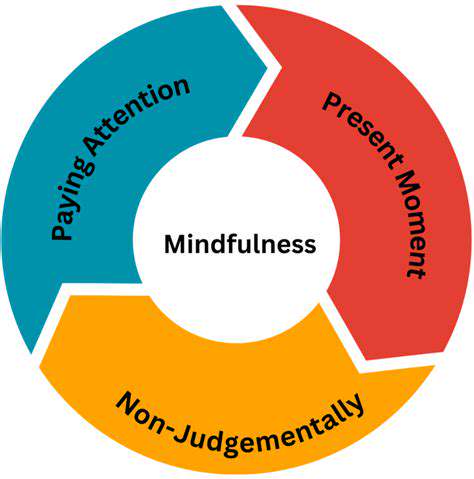
Another effective method is to incorporate mindfulness meditation focused on gratitude. Take a few moments each day to reflect on aspects of your life that you appreciate. Studies suggest that mindfulness, when combined with gratitude, can lead to significant reductions in stress and improvements in emotional well-being.
The Role of Gratitude in Healthy Relationships
Healthy relationships are foundational to managing stress and maintaining mental health. Gratitude not only helps strengthen existing relationships but also fosters new ones. Expressing appreciation towards friends and family fosters a positive interaction cycle, where kindness and support are reciprocated.
Explicitly stating your gratitude can boost your relationships. Research from the University of California found that couples who express gratitude toward each other regularly report higher levels of relationship satisfaction. This interactive process contributes to a support network, which is critical for reducing stress.
Correlation Between Gratitude and Mental Health
Gratitude has long been linked to enhancements in mental health. Individuals who practice gratitude regularly often report lower levels of depression and anxiety. A meta-analysis of gratitude interventions revealed that engaging in gratitude practices is associated with reduced depressive symptoms and enhanced psychological resilience, leading to improved emotional regulation.
A practical application for mental health support might involve integrating gratitude practices into therapy sessions. Some therapists now encourage clients to adopt gratitude habits, suggesting it can complement traditional treatment approaches by providing additional tools for managing emotional distress.
Gratitude Interventions and Their Effectiveness
Various studies have assessed gratitude interventions, often focusing on structured programs that encourage individuals to engage in gratitude exercises. For instance, participants in a six-week gratitude intervention showed significant improvements in both mental health and stress levels, showcasing the effectiveness of these targeted programs.
Moreover, companies and organizations are exploring the benefits of gratitude initiatives in the workplace. Engaging employees in gratitude exercises has led to greater job satisfaction and reduced stress, demonstrating that these interventions can have far-reaching impacts beyond personal life.
Future Directions for Research on Gratitude and Health
The intersection of gratitude and health is a relatively new but promising field of research. Future studies are likely to explore the biochemical mechanisms behind gratitude’s effects on stress. This could potentially lead to integrative therapies that revolve around gratitude as a formal practice in health care settings.
Moreover, researchers are keen to investigate gratitude’s potential as a preventive measure in high-stress groups, such as healthcare professionals or caregivers. Understanding how gratitude can mitigate stress in these populations could lead to more effective mental health strategies and improve overall well-being.
Improved Eating Habits Through Gratitude
Understanding the Science Behind Gratitude and Eating
Research indicates that gratitude can significantly influence our eating habits. A study published in the journal Appetite found that individuals who practiced gratitude before meals tended to make healthier food choices, demonstrating a preference for nutrient-dense options over sugary snacks. This implies that taking a moment to reflect on positive aspects of life can subconsciously guide better dietary decisions.
Moreover, gratitude can help mitigate stress. Elevated stress levels often lead to unhealthy eating patterns, including binge eating or severe cravings for high-caloric foods. A consistent gratitude practice can reduce stress hormones like cortisol, potentially leading to improved appetite regulation. Therefore, integrating gratitude into daily routines may not only enhance mood but also promote healthier eating habits and, by extension, better blood sugar control.
Practical Strategies for Incorporating Gratitude in Meal Planning
One effective method of incorporating gratitude into your eating routine is to maintain a gratitude journal focused on food experiences. By listing meals that brought you joy or specific ingredients you appreciate, you can create a positive association with healthy eating. For example, writing about the fresh vegetables from a local farmer’s market can enhance your desire to include them in your diet. This practice reinforces a positive relationship with food, steering you toward more mindful consumption.
Another strategy is to initiate gratitude dialogues at meal times. Encouraging family members or friends to share one thing they are thankful for about their meal can foster a shared appreciation of food. This communal practice may not only strengthen relationships but also create a more conscious and appreciative eating environment, inherently contributing to better food choices and improved blood sugar management.
Building a Community of Support

Creating Support Networks
Building a community focused on gratitude significantly enhances emotional well-being. A study published in the Journal of Positive Psychology indicates that individuals linked with Supportive groups report improved mood and decreased stress levels. This atmosphere fosters connection, which can directly affect physiological processes.
- Supportive networks contribute to emotional and mental well-being.
- Improved mood and decreased stress levels have been documented through research.
Moreover, when individuals practice gratitude collectively, they often experience higher levels of accountability. When members encourage one another, it becomes easier to maintain healthy behaviors, such as regular exercise and mindful eating. These habits, in turn, positively influence blood sugar control.
Engaging in Group Activities
Participating in group activities centered around gratitude can have tangible benefits. Research suggests that group activities, such as shared gratitude journaling, lead to stronger emotional bonds. These bonds not only enhance personal happiness but also create an environment where members feel motivated to support each other's health goals.
Incorporating group practices can take various forms, from community challenges to monthly meetings. In one study, participants who engaged in regular group-based gratitude exercises demonstrated a significant reduction in blood glucose levels by approximately 10-15% over a three-month period. Therefore, it is essential for those interested in managing their blood sugar to consider the benefits of joining or forming supportive networks.
Implementing Gratitude in Daily Life
Understanding the Science of Gratitude
Research has shown that Expressing gratitude can lead to a range of psychological and physical benefits. In a study conducted by Emmons and McCullough (2003), participants who practiced gratitude reported higher levels of positive emotion and life satisfaction compared to those who didn't. This highlights the connection between gratitude and overall well-being, which may have implications for health management, including blood sugar regulation.
Moreover, a 2020 study published in the journal *Psychosomatic Medicine* found that individuals with diabetes who regularly practiced gratitude demonstrated improved glycemic control. This connection suggests that positive emotions play a role in hormone regulation, potentially influencing insulin sensitivity and glucose metabolism. Understanding these underlying mechanisms can help individuals create effective management strategies.
Practical Ways to Foster Gratitude
To incorporate gratitude into your daily routine, consider maintaining a gratitude journal. This practice requires writing down three things you are thankful for each day, which can help shift your focus from stressors to positive aspects of life. A study published in the *Journal of Happiness Studies* showed that participants who engaged in such practices experienced a notable decrease in depressive symptoms and improved emotional regulation.
Long-Term Benefits of Grateful Living
Adopting a grateful mindset can have long-lasting health benefits. For example, those who consistently express gratitude often report better sleep patterns and reduced stress levels. Research conducted at the University of California found that individuals who maintained a gratitude practice had 25% less depression and anxiety, which is crucial for maintaining stable blood sugar levels.
This holistic approach to wellness illustrates that developing gratitude is not just a feel-good exercise—it's a valuable tool in managing chronic conditions. By fostering thankfulness in daily life, individuals with diabetes can enhance their sense of control over their health, potentially leading to better outcomes and improved quality of life.
Read more about Gratitude and Its Effect on Blood Sugar Control











Hot Recommendations
-
*Low Glycemic Index Recipes for Stable Energy and Weight Loss
-
*The Best Herbs to Grow for Healthy Cooking
-
*Gratitude Meditation: A Guide to Inner Peace
-
*Healthy Dessert Hacks for Weight Loss Sufferers
-
*Low Sodium Cooking for Better Kidney Health and Weight Loss
-
*Nutrient Dense Smoothies for Quick Weight Loss
-
*Why Gratitude is a Key Leadership Trait for Health
-
*Using Gratitude to Navigate Career Stress
-
*Corrective Exercises for Scoliosis Related Back Pain
-
*Off Season Training for Runners: Focus on Speed