Gratitude
Positive Psychology
Mental Health
Well-being
Mindfulness
Cognitive Behavioral Therapy
Physical Health

Gratitude and Recovery: Healing Faster with a Positive Mind

A Powerful ComboMindfulnessandGratitude:APowerfulCombo

Understanding Mindfulness in Recovery

Mindfulness is a practice that involves focusing one's awareness on the present moment. In recovery settings, practicing mindfulness can significantly reduce stress and anxiety, both of which are common challenges for individuals healing from trauma or illness. Research indicates that mindfulness can enhance emotional regulation, leading to improved coping strategies. This can be particularly beneficial for those in recovery, allowing them to process their feelings without becoming overwhelmed.

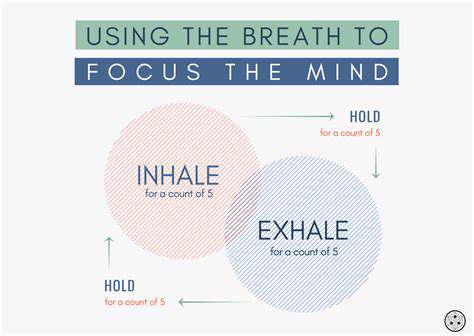
Moreover, various studies suggest that incorporating mindfulness activities, such as meditation or deep-breathing exercises, can help individuals focus on their rehabilitation goals. Techniques that foster mindfulness are simple to implement and can be personalized, catering to an individual's unique recovery journey. For instance, someone might choose to practice mindful walking or engage in yoga, both of which can enhance physical well-being alongside mental clarity.

The Role of Gratitude in Healing

  • Gratitude can uplift mood and encourage a positive mindset.
  • Expressing gratitude has been linked to various health benefits.

Practicing gratitude is more than just saying thank you; it involves recognizing and appreciating the positive aspects of life, even amidst challenges. Studies show that regularly expressing gratitude can lead to improved mental health, reducing feelings of depression and anxiety. Incorporating gratitude into daily practices contributes to a more positive outlook during recovery, fostering resilience.

How Mindfulness and Gratitude Work Together

Combining mindfulness and gratitude creates a synergistic effect that can expedite recovery processes. When individuals practice mindfulness, they become more aware of the positive aspects of their lives, which enhances feelings of gratitude. This union can lead to positive emotional experiences that bolster mental health. Research has demonstrated that individuals who engage in both practices tend to experience heightened wellbeing and increased life satisfaction. For example, a weekly routine combining mindfulness meditation with daily gratitude journaling can create a powerful cycle of positivity that maintains motivation throughout recovery.

Practical Tips for Incorporating These Practices

Start small when introducing mindfulness and gratitude into your routine. Setting aside five to ten minutes each day for mindfulness meditation can be effective. During these moments, focus on your breath and observe your thoughts without judgment. To incorporate gratitude, end each session by identifying three things you appreciate at that moment, whether they are big or small. This simple strategy can boost your mood and overall perspective.

Another effective method is to create a gratitude jar. Write down positive experiences or things you are thankful for on slips of paper and place them in the jar. Whenever you feel low, reading through your notes can provide a welcome boost. As your recovery advances, keep adjusting your mindfulness and gratitude practices to ensure they resonate with your current mental and emotional needs.

Transforming Negative Thoughts into Positive Energy

Understanding the Science Behind Negative Thoughts

Negative thoughts are often a result of cognitive distortions, which are patterns of faulty thinking that can lead to feelings of hopelessness or anxiety. According to research from the American Psychological Association, these distortions can be neurobiologically rooted, affecting how we perceive and react to daily experiences. Recognizing that these thoughts can stem from brain chemistry shifts allows individuals to approach them with a more informed perspective.

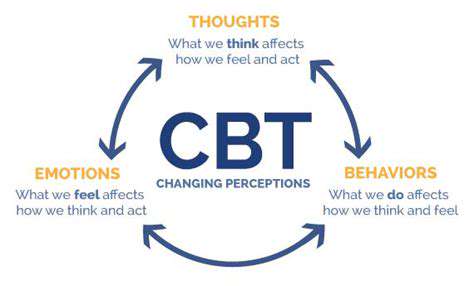
In a study by the University of Pennsylvania, participants who practiced cognitive-behavioral therapy (CBT) showed significant reductions in anxiety and depression symptoms. This suggests that individuals can actively reframe their negative thoughts and cultivate a positive mindset through proven techniques, leading to better overall mental health.

Identifying Triggers for Negative Thinking

Identifying specific situations or stimuli that trigger negative thoughts is a crucial step in transforming how we respond. Triggers can range from stressful life events to daily interactions. For example, a study published in the Journal of Clinical Psychology indicated that social situations often provoke negative self-perceptions. Keeping a daily journal can help individuals track recurring patterns, thereby providing insights on how to mitigate these triggers effectively.

Recognizing these triggers not only empowers individuals to manage their reactions but also aids in avoiding circumstances that may exacerbate negative thought cycles. Developing an awareness of when negative thinking arises makes it easier to apply positive reframing techniques in real time.

Techniques for Reframing Negative Thoughts

Reframing techniques are essential tools for shifting negative thoughts into positive energy. One effective method is the practice of cognitive restructuring, where individuals challenge and re-evaluate distorted thoughts by asking themselves for evidence against these thoughts. The University of Toronto's research highlighted the effectiveness of this approach, showing that those who actively questioned their negative beliefs experienced greater emotional resilience.

Another useful technique involves mindfulness practices. Mindfulness meditation encourages individuals to observe their thoughts without judgment, creating space to detach from negative patterns. Studies show that incorporating mindfulness into one’s routine can enhance emotional well-being and reduce stress significantly.

The Role of Positive Affirmations

Positive affirmations can serve as powerful tools to counteract negative thought patterns. Regularly stating affirmations—such as “I am capable” or “I deserve happiness”—can gradually reshape self-perceptions and build a more positive self-image. Research from the University of California demonstrated that consistent use of affirmations leads to increased feelings of autonomy and self-efficacy among participants, significantly impacting their recovery processes.

Building a Supportive Environment

Surrounding oneself with supportive individuals is crucial when combating negative thinking. A network that encourages positivity can provide the necessary reinforcement against self-doubt. Studies have shown that social support plays an integral role in emotional resilience, as highlighted by findings from the National Institute of Health. Engaging with positive and uplifting individuals can help create a sense of community that fosters healing.

Consider joining support groups or participating in community activities that align with personal values. This not only expands social networks but also serves as a reminder that others are navigating similar challenges, which can lead to shared growth and healing.

Practicing Gratitude as a Transformative Tool

Gratitude practices have been linked to improved mental health, shifting focus from scarcity to abundance. A study published in the Journal of Personality and Social Psychology found that individuals who regularly kept gratitude journals reported higher levels of overall happiness and well-being. Incorporating gratitude into daily routines—be it through journaling, meditation, or simply verbalizing appreciation—can combat negative thoughts and foster a more positive perspective.

Moreover, gratitude encourages individuals to appreciate small victories during their recovery journey, reinforcing the belief that each step taken is a step towards a healthier mindset. Creating rituals around gratitude can significantly influence emotional recovery and promote a more positive outlook on life.

The Ripple Effect of Gratitude on Recovery Outcomes

Understanding the Science Behind Gratitude

Research has consistently shown that gratitude can have a profound impact on mental and physical health. Studies suggest that individuals who regularly practice gratitude tend to experience lower levels of stress and anxiety. In fact, a study published in the Journal of Personality and Social Psychology showed that individuals who kept gratitude journals reported higher well-being and fewer health issues compared to those who did not.

Gratitude has been linked to the release of neurotransmitters like serotonin and dopamine, which play vital roles in mood regulation. This biochemical response not only enhances emotional well-being but can also improve immune function, thereby facilitating a more robust recovery process. Understanding this connection provides a scientific basis for integrating gratitude practices into healing regimens.

The Role of Gratitude in Mental Health Recovery

For individuals dealing with mental health challenges, gratitude can serve as a powerful tool in recovery. Expressing gratitude can shift the focus from negative thoughts to positive ones, creating a healthier mental environment. Research from the University of California found that participants who engaged in gratitude exercises showed significant improvements in depression symptoms over a period of weeks.

These effects are particularly important in recovery from conditions such as depression or anxiety, where individuals often struggle with negative thought patterns. By incorporating practices such as daily gratitude journaling or expressing thanks to others, individuals may discover an enhanced outlook that supports their recovery journey.

However, it's important to approach gratitude as a complementary strategy rather than a standalone solution. Those in recovery should consider merging gratitude practices with other therapeutic techniques for a comprehensive approach to mental health.

Gratitude Interventions in Clinical Settings

Incorporating gratitude-based interventions in clinical settings has shown promise in improving patient outcomes. Programs that include gratitude exercises, such as writing thank-you letters or sharing feelings of appreciation with healthcare providers, have been linked to increased patient satisfaction and engagement in their recovery process. A study conducted at a major hospital found that patients who practiced gratitude reported shorter recovery times and improved overall health metrics.

Clinicians are beginning to recognize the importance of a holistic approach to recovery, where emotional and psychological support is prioritized alongside traditional medical treatments. This suggests that implementing structured gratitude practices can enhance recovery outcomes significantly.

Gratitude and Physical Health Correlation

The correlation between gratitude and physical health is not merely anecdotal; numerous scientific investigations have validated this relationship. For instance, a study in the journal Psychological Science demonstrated that individuals who engage in gratitude exercises show fewer physical symptoms and report more frequent exercise habits. This suggests that positivity stemming from gratitude can lead to healthier lifestyle choices, which are crucial during recovery.

Furthermore, individuals who focus on gratitude may experience better sleep, reduced inflammation, and stronger immune responses. By promoting an overall sense of well-being, Gratitude Enhances Recovery from both acute and chronic conditions.

For people in recovery, integrating physical activity with gratitude practices—like reflecting on things they are grateful for during exercise—could create a synergistic effect on health and recovery outcomes.

Personalizing Gratitude Practices for Enhanced Recovery

To maximize the benefits of gratitude during recovery, personalization of practices is key. Individuals should tailor their gratitude practice to fit their lifestyle and preferences. For example, some may find daily journaling effective, while others might prefer verbal expressions of gratitude or meditation focused on appreciation. Personalization increases adherence and makes the practice more sustainable over time.

Additionally, individuals can create reminders to cultivate gratitude throughout the day. Setting aside specific times to reflect on positive experiences or to express thanks can provide consistent reinforcement of this beneficial habit. Ultimately, finding a gratitude practice that resonates personally can significantly enhance its positive impact on recovery outcomes.

Read more about Gratitude and Recovery: Healing Faster with a Positive Mind
Understanding Cognitive Behavioral Therapy (CBT)
May 08, 2025
Beginner's Guide to Mindfulness Meditation
May 26, 2025
Guide to Setting Healthy Boundaries in Digital Life
Jun 10, 2025
Guide to Practicing Environmental Mindfulness
Jul 24, 2025
Understanding Dialectical Behavior Therapy (DBT)
Jul 25, 2025
Individuals practicing gratitude exhibit increased resilience against mental health challenges.- Social Bonding: Expressing appreciation fosters stronger relationships and a supportive community.- Happiness Boost: Regular gratitude exercises correlate with heightened happiness and satisfaction in life. Practical Ways to Cultivate GratitudeOne effective approach to nurturing gratitude is through gratitude journals. By documenting daily appreciations, individuals enhance their mindfulness and emotional awareness. Whether it’s noting three things to be grateful for each day or writing thank-you notes, these practices help solidify the habit of gratitude and provide a curated lens through which to view life’s experiences. Gratitude and LongevityEmerging studies suggest a significant connection between gratitude and longevity. Research conducted by the University of California indicates that people who consistently express gratitude enjoy better physical health, reduced cortisol levels, and improved sleep quality—factors that collectively promote longer lifespan. Gratitude influences physiological health, encouraging behaviors conducive to a healthier lifestyle. Incorporating Gratitude into Daily LifeInfusing gratitude into everyday routines can be simple yet impactful. Starting or ending each day with reflections on appreciation sets a positive tone and reinforces the habit. Expressing gratitude towards others not only enriches personal relationships but also lays the groundwork for a supportive community, crucial for both mental and physical health. The Biological Mechanisms of GratitudeGratitude activates key brain areas linked to pleasure, enhancing dopamine release and improving mood. Moreover, studies show that gratitude lowers cortisol levels and enhances immune function—benefits that contribute to better overall health. This relationship underscores the need to develop a grateful mindset as a powerful coping mechanism against stress. Transforming Gratitude into ResilienceGratitude fosters resilience, equipping individuals to face life’s adversities effectively. Individuals who practice gratitude demonstrate higher resilience when encountering significant life challenges. This positive perspective not only aids in emotional regulation but contributes to a healthier approach to life's hurdles. Social Implications of GratitudeEncouraging a culture of gratitude within communities enhances societal resilience, reducing stress and conflict levels. Organizations that prioritize appreciation contribute to employee satisfaction and productivity. This altruistic approach to gratitude not only fosters individual well-being but also nurtures the collective health of communities. ConclusionIn summary, cultivating gratitude yields profound psychological and physical benefits. From strengthening social bonds to promoting mental resilience and longevity, the transformative power of gratitude can profoundly enrich daily life. Adopting simple gratitude practices can lead to lasting changes, enhancing both individual well-being and community health.
Mar 08, 2026
- Set Realistic Goals: Break the recovery journey into manageable milestones to track progress and maintain motivation.- Engage in Mindfulness: Techniques such as meditation and yoga enhance emotional regulation and promote positive outlooks during recovery.- Seek Social Support: Connecting with friends, family, or support groups provides emotional encouragement and a reminder that you're not alone.These strategies foster resilience and a positive mindset crucial for effective recovery. The Impact of Mindset on Physical Recovery OutcomesResearch underscores the connection between mindset and physical recovery. A proactive attitude correlates with faster healing and improved health metrics. Embracing Self-Efficacy—the belief in your ability to succeed—can enhance adherence to therapy, ultimately leading to quicker recovery. Integrating Gratitude into the Recovery ProcessPracticing gratitude is instrumental in building a resilient mindset. Regular gratitude practices, such as journaling, can shift focus from difficulties to positive experiences, reinforcing emotional well-being. Studies reveal that grateful individuals report higher resilience and better coping mechanisms. Building Emotional ResilienceEmotional resilience is the ability to adapt to adversity and recover from setbacks. To build this trait:- Develop Self-Awareness: Mindfulness practices can help acknowledge and counter negative thought patterns.- Strengthen Support Networks: Create strong, supportive relationships to share struggles and triumphs.- Adopt a Growth Mindset: View challenges as opportunities to learn and grow. The Role of Community in RecoveryCommunity support is vital for recovery. Engaging with a network of friends, family, and peers can significantly improve mental health outcomes. Effective support systems foster resilience and motivate individuals to adhere to recovery protocols.Integrating gratitude into these community interactions can enhance relationships and provide a deeper sense of belonging, making the recovery process not just about physical healing, but emotional and social well-being too. ConclusionThe interplay between mindset, gratitude, and resilience is profound in the context of recovery. By adopting a growth mindset and integrating gratitude practices into your daily routine, you can significantly improve your recovery journey and build a more resilient approach to life’s challenges. Embrace these tools to transform your experience and outcomes in recovery.Explore more about cultivating a positive mindset and the role of gratitude in healing to enhance your recovery journey today!
Mar 10, 2026
A Bridge to Positivity Understanding Gratitude's Influence on Mental Well-BeingGratitude plays a vital role in enhancing mental health and promoting overall well-being. Research reveals that practicing gratitude can lead to substantial improvements in psychological conditions such as depression and anxiety. Studies, including those published in leading journals, indicate that regular gratitude journaling is associated with a more positive outlook and resilience against stress. Notably, gratitude activates reward-related neural pathways in the brain, helping to foster an optimistic mindset. The Science Behind Gratitude ExercisesSimple gratitude exercises can yield profound benefits. Keeping a gratitude journal or taking a moment each day to reflect on positive experiences can transform one's perspective. Meta-analyses show that gratitude practices can significantly enhance life satisfaction and decrease feelings of isolation. Moreover, expressing gratitude to others—whether through notes or verbal affirmations—nurtures stronger relationships that are crucial for mental health. Practical Approaches to Cultivating Gratitude DailyIntegrating gratitude into your daily routine can be straightforward yet impactful. Consider setting a specific time to reflect on three things you are thankful for or creating a gratitude jar to visualize positive moments. Engaging in gratitude meditation can also provide emotional uplift. These practices foster a positive mindset and contribute to long-term improvements in mental health resilience. Long-Term Impact of Gratitude on Mental HealthRegular expressions of gratitude can lead to lasting changes in mental health, promoting a greater sense of life satisfaction. Research indicates that those who consistently practice gratitude build stronger social connections, enhancing community support networks. This interconnectedness plays a crucial role in reinforcing individual mental well-being. Physical Health Benefits: The Connection Between Gratitude and WellnessBeyond mental health, gratitude is linked to improved physical health outcomes. Studies show that those who practice gratitude report fewer health issues, engage in healthier behaviors, and experience better sleep quality. These insights highlight how a positive mindset can contribute to overall wellness. Building Stronger Relationships Through GratitudeGratitude serves as a powerful tool for strengthening personal and professional relationships. Regular expressions of appreciation lead to greater intimacy and satisfaction in relationships. Incorporating gratitude into workplace culture promotes teamwork and productivity, thereby enhancing overall morale. Implementing a Daily Gratitude PracticeEstablishing a daily gratitude practice can dramatically elevate your mental well-being. Studies confirm that individuals who actively express gratitude experience increased optimism, resilience, and improved interpersonal relationships. Simple steps like maintaining a gratitude journal or sharing appreciation with others can solidify your commitment to this enriching habit.In conclusion, fostering gratitude in daily life yields numerous psychological and physical benefits. From enhancing emotional resilience to building supportive social networks, practicing gratitude is a simple yet powerful method for promoting mental and physical wellness. Make gratitude a cornerstone of your life to experience the positive ripple effects on yourself and those around you.
Mar 14, 2026
- Hot Flashes: Sudden sensations of heat that can vary in duration and intensity.- Night Sweats: Disruptive episodes that can affect sleep quality.- Mood Changes: Emotional fluctuations that may include irritability.- Sleep Disturbances: Challenges in sleeping patterns that can lead to daytime fatigue.- Vaginal Dryness: Physical discomfort that can affect sexual health.Understanding these symptoms allows women to seek appropriate management strategies. The Role of Hormones During MenopauseThe reduction in estrogen can significantly affect various body systems, influencing not only physical health but also cognitive functions. Issues such as memory lapses and mood swings are common. Thus, considering lifestyle modifications or medical treatments to mitigate these effects is essential. Alternative Approaches to Managing SymptomsMany women are finding relief through alternative therapies. Herbal remedies like black cohosh may ease hot flashes, while mindfulness practices such as yoga and meditation can help manage stress. These approaches not only alleviate physical discomfort but also promote overall mental well-being. The Power of GratitudeIncorporating gratitude into daily life can have a profound impact on emotional health. Research indicates that practicing gratitude can lower anxiety and enhance mood, making it a beneficial tool during menopause. By reflecting on positive aspects of life, women can cultivate a more optimistic outlook, reducing the psychological impact of menopausal symptoms. Practical Strategies for Cultivating Gratitude1. Gratitude Journaling: Dedicate a few minutes each day to jot down things for which you're grateful.2. Positive Affirmations: Use statements that reinforce a positive self-image, helping to combat negativity.3. Strengthening Connections: Express appreciation to friends and family to enhance social bonds, vital for emotional support.4. Mindfulness Practices: Combine mindfulness with gratitude to deepen the appreciation for life, especially during challenging hormonal shifts.By integrating these practices into daily routines, women can foster both emotional resilience and a supportive atmosphere around them. ConclusionNavigating menopause can pose various challenges, but understanding symptoms and incorporating effective coping mechanisms can improve overall well-being. Embracing gratitude not only enhances emotional resilience but also cultivates a positive mindset during this significant life change.[Explore further on managing menopause and enhancing well-being.]()
Mar 18, 2026
mindfulness teaches unbiased awareness of all experiences, while gratitude emphasizes recognizing positive aspects, creating complementary cognitive pathways that can be combined for greater mental health benefits. By integrating mindful awareness with gratitude practices—like mindful gratitude meditation or pausing during daily routines to reflect on what you appreciate—you can deepen your emotional stability, foster social connections, and build long-lasting psychological resilience.This guide also addresses common challenges in adopting these practices, including emotional barriers, time constraints, and cultural considerations. Strategies to overcome these obstacles include starting with brief daily sessions, personalizing approaches, and creating supportive environments free of distractions. Sharing your journey with friends or mindfulness groups further strengthens accountability and engagement.Scientific findings support that the harmonious integration of mindfulness and gratitude leads to significant reductions in stress, depression, and anxiety while improving life satisfaction, cognitive flexibility, and neurological health. Adopting these mindful and grateful habits cultivates a balanced, fulfilling lifestyle that nurtures well-being amid today’s fast-paced world.Start your journey today by incorporating simple, evidence-based strategies into your routine—experience the lasting mental health benefits of living mindfully and gratefully.
Mar 22, 2026
A Comprehensive Guide The Importance of Lower Back StrengtheningIn today's fast-paced work environments, maintaining lower back health is critical due to the significant time spent seated. The lower back, or lumbar region, consists of an intricate arrangement of vertebrae, muscles, and nerves essential for body support and movement. Strengthening this area can drastically improve not only posture but also core stability, mitigating the risks of injury and chronic pain often associated with prolonged sitting. Why Focus on Lower Back StrengthStrengthening lower back muscles yields numerous health benefits, enhancing mobility, reducing pain, and increasing overall physical performance. As you become stronger in this area, you'll find day-to-day activities, from lifting heavy items to simple bending, becoming easier and less risky. This training is crucial for busy professionals seeking to enhance their productivity while reducing downtime caused by injuries. Exercises for a Stronger Lower BackFor effective lower back strengthening, incorporate exercises like lumbar extensions, bird-dogs, and deadlifts into your fitness routine. These can be done with minimal equipment, even at home or during work breaks. Spending just 15 to 20 minutes multiple times a week can lead to significant strength improvements and greater functionality in your everyday activities. Injury Prevention through Strength TrainingRegular strength training not only fortifies the lower back but also acts as a protective barrier against common injuries caused by poor ergonomics and sedentary lifestyles. Studies indicate that individuals who prioritize this type of training report fewer spinal issues and enjoy enhanced overall well-being. Quick Desk ExercisesThe impact of prolonged sitting on lower back health can be severe. Integrating desk exercises helps combat muscle tightness and improves circulation, which is vital for your well-being. Simple stretches, like seated twists or hamstring stretches, can alleviate tension, while strengthening exercises such as chair lifts bolster your core without leaving your desk. Mindfulness and PostureMaintaining good posture is essential for lowering back comfort. Ensure your workstation is ergonomically sound and take micro-breaks for stretches to diminish spinal stress. Additionally, mindfulness and stress management techniques can mitigate tension caused by work-related stress, contributing to better lower back health. After-Work Habits for LongevityIncorporating targeted exercises into your evening routine can further strengthen your lower back. Consider planks, bridges, and gentle stretches to support your spine. Allocate just 20 minutes each day to these exercises for significant improvements in your lower back strength and flexibility. Stretching for FlexibilityRegular stretching promotes flexibility and reduces injury risk, particularly for those with demanding jobs. Simple desk stretches and a personalized stretching routine can seamlessly fit into your workday, encouraging a healthier, more resilient back. Creating a RoutineTo maintain consistency, set reminders for stretching during your workday. Consider collaborating with colleagues to make stretching sessions enjoyable and engage in a supportive environment. As you track your progress, integrating these healthy habits into your daily routine will be easier. ConclusionA strong lower back is essential for professional productivity and overall health. By prioritizing lower back strengthening, engaging in desk exercises, and adopting better postural habits, busy professionals can significantly reduce the risk of pain and injury, enhancing their quality of life at work and beyond. Strengthening your lower back is not just a fitness goal; it's a pathway to improved well-being.
Mar 27, 2026
The Psychological Benefits of Gratitude in the Workplace Understanding Gratitude and Its Impact on Mental HealthGratitude, the expression of thankfulness and appreciation, is essential for mental well-being. Research indicates that actively practicing gratitude leads to higher positive emotions and life satisfaction, with individuals reporting improved physical health. Studies show that maintaining a gratitude journal can reduce symptoms of depression and stress, helping people manage workplace challenges more effectively. The Relationship Between Gratitude and Employee EngagementGratitude boosts employee engagement, a crucial factor for career longevity. Organizations promoting a culture of appreciation see significant productivity and profitability increases. When employees feel valued, they actively participate, sharing ideas and fostering robust teamwork. Simple acts of recognition can create a more harmonious work environment. Implementing Gratitude Practices in the WorkplaceIntegrating gratitude into daily routines can be straightforward. Leaders should express appreciation openly, acknowledging both team and individual contributions. Strategies like thank-you notes or gratitude boards can cultivate this atmosphere, significantly affecting employee loyalty and performance. Building Stronger Relationships through GratitudeGratitude enhances job satisfaction and workplace morale, reflected in improved team dynamics and productivity. Research shows that teams practicing mutual appreciation experience notable increases in performance. Regularly recognizing contributions fosters a culture where gratitude thrives, ultimately leading to lower turnover rates and stronger professional relationships. Practical Strategies for Cultivating Gratitude as a Leadership TraitLeaders are instrumental in modeling gratitude. Simple acknowledgments during meetings and appreciation boards can set the tone for a grateful workplace culture. Training sessions focused on emotional intelligence can equip leaders with the skills to weave gratitude into their daily interactions, making it a core part of their management style. Gratitude as a Tool for ResilienceStudies indicate gratitude enhances resilience, helping individuals bounce back from stress and setbacks. Grateful individuals often report higher levels of life satisfaction, enabling them to navigate workplace challenges more effectively. Implementing gratitude practices during team activities can solidify these benefits and create a supportive environment. The Long-Term Impact of Gratitude on Career LongevityGratitude leads to better professional relationships and job satisfaction, contributing to employee loyalty and decreased turnover. A gratitude-rich workplace combats burnout and promotes a healthier workforce. By integrating appreciation-focused initiatives, organizations can position themselves favorably in the competitive job market. ConclusionFostering a culture of gratitude in the workplace is vital for enhancing employee well-being, job satisfaction, and overall organizational performance. Simple gratitude practices can create a positive work environment, leading to long-lasting benefits for both employees and the organization as a whole.
Mar 28, 2026
View Publications>>