Using Gratitude to Combat Negative Self Talk
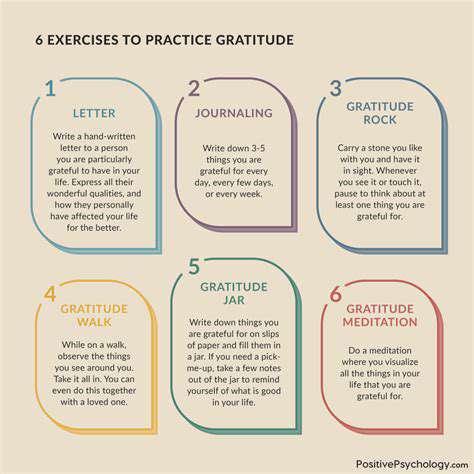
One effective way to implement gratitude is through simple daily exercises. For example, creating a gratitude journal can be a game-changer. By documenting three to five things you are thankful for each day, you not only redirect your focus but also cultivate a habit of positivity.
Additionally, expressing gratitude to others can amplify its effects. When we acknowledge and appreciate the support of our friends or family, we reinforce our connections while simultaneously diminishing negative self-talk. This not only benefits us but also spreads positivity within our social circles.
Practical Gratitude Exercises to Reduce Negative Self-Talk
Understanding Negative Self-Talk
Negative self-talk is a common phenomenon where individuals engage in critical thoughts about themselves. This mindset can stem from various sources, including past experiences, societal pressures, or even mental health challenges. Research indicates that persistent negative thoughts can significantly impact a person's well-being, leading to issues like anxiety and depression.
Studies have shown that the average person has around 60,000 thoughts a day, many of which can be self-critical. Understanding this is the first step to combatting such negative narratives. Recognizing when these thoughts occur enables individuals to address them constructively and reclaim their mental space.
The Role of Gratitude in Psychological Health
Gratitude has been widely studied for its positive effects on mental health. Specifically, participants who keep Gratitude Journals report reduced symptoms of depression and increased overall happiness. The act of acknowledging positive aspects of life can alter one's perspective, making it easier to challenge negative self-talk.
Practical Gratitude Exercise: Daily Journaling
One effective way to Practice gratitude is through daily journaling. Set aside time each day to write down three things you are grateful for. Research suggests that this simple exercise can shift focus from negative to positive experiences, enhancing mood and overall outlook. Aim for specific entries, such as I appreciated my colleague's assistance today, rather than vague statements like I had a good day.
Implementing Gratitude Reminders
Another useful practice is setting reminders throughout the day to pause and reflect on what you're grateful for. These can be through sticky notes on your computer, alarms on your phone, or even visual cues in your environment. Such reminders can interrupt negative self-talk in real time, allowing for a shift in focus. Maintaining awareness of gratitude can significantly diminish the power of negative thoughts, helping to foster a more positive mindset.
Integrating Gratitude Into Your Inner Dialogue
Understanding the Impact of Gratitude on Mental Health
Research consistently shows that practicing gratitude can lead to significant improvements in mental health. A study by Emmons and McCullough (2003) found that participants who maintained a gratitude journal reported fewer health issues and a positive shift in mood compared to those who did not. When we consciously acknowledge what we're thankful for, it can create a mental buffer against negative thoughts, allowing us to respond to internal dialogues in a more balanced way.
Additionally, incorporating gratitude into your daily routine can enhance emotional resilience. According to a meta-analysis published in the journal Psychological Bulletin, individuals who regularly practiced gratitude showed increased levels of well-being and reduced symptoms of depression and anxiety. This evidence underlines the importance of gratitude as a tool not just for happiness, but for overall psychological stability.
Strategies for Cultivating Gratitude in Self-Talk
To effectively integrate gratitude into your inner dialogue, consider starting a gratitude journal. Each day, write down three things you appreciate about your life, no matter how small. This simple act reinforces positive thinking and combats the instinct to dwell on negative self-talk. Even on challenging days, cultivating the discipline of gratitude can redirect your focus toward the positives, thus altering the overall tone of your internal conversations.
Moreover, practicing mindfulness can also enhance your gratitude. Engaging in mindfulness allows for a moment of reflection on the present moment and increases your awareness of positive experiences often overlooked. While meditating, take time to visualize things you are grateful for; this practice has been shown to deepen emotional connections and reinforce positive affirmations about yourself and your circumstances.
Long-Term Benefits of Gratitude in Mental Resilience

Understanding Mental Resilience
- Mental resilience is the ability to bounce back from challenges and setbacks.
- It is influenced by several factors, including personality, environment, and coping mechanisms.
- Gratitude can significantly enhance this resilience over time.
Mental resilience refers to our capacity to adapt and recover from stress, adversity, or trauma. This skill is crucial for maintaining well-being in the face of life's challenges. Research indicates that individuals who regularly practice gratitude exhibit improved psychological adjustment and a lower likelihood of experiencing anxiety and depression.
Resilience is not something people are born with; it can be developed through consistent practice. Engaging in gratitude can serve as a foundation for enhancing this quality, enabling individuals to approach difficulties with a more balanced and positive outlook.
The Science Behind Gratitude and Mental Health
Numerous studies have shown that expressing gratitude can lead to significant improvements in mental health. For instance, a study published in the Journal of Personality and Social Psychology found that participants who kept a weekly gratitude journal exhibited higher levels of positive emotions, reduced feelings of loneliness, and increased life satisfaction. This research underscores the powerful impact of gratitude on mental well-being.
Gratitude activates the brain's reward centers, leading to increased production of serotonin and dopamine, two neurotransmitters that promote feelings of happiness. Engaging in activities such as writing thank-you notes or reflecting on positive experiences can reinforce this neural response, enhancing overall mood and mental resilience.
Practical Ways to Foster Gratitude
To incorporate gratitude into your daily routine, consider establishing a gratitude journal. Spend just a few minutes each day writing down three things you are thankful for. This simple practice can lead to a greater sense of appreciation and reduced negative self-talk over time.
Another effective strategy is to express gratitude towards individuals in your life directly. Whether through verbal acknowledgment or written messages, taking the time to recognize the contributions of others can strengthen relationships and build a supportive network, which is essential for mental resilience.
Linking Gratitude to Self-Talk
Negative self-talk often emerges from a place of uncertainty and low self-worth. By actively practicing gratitude, individuals can shift their focus from negative thoughts to positive affirmations. This shift is not just beneficial; it's transformative. As perspectives change, so does the internal dialogue, leading to a healthier self-image.
Gratitude encourages a mindset that recognizes and appreciates one's strengths and achievements. This acknowledgment can create a powerful counter-narrative to negative self-talk, fostering a more positive self-image and increasing resilience against life's adversities.
The Impact of Gratitude on Stress Levels
Chronic stress can erode mental resilience and lead to various health issues. Studies have shown that people who regularly practice gratitude experience lower stress levels. For instance, a study in the International Journal of Stress Management revealed that individuals who practiced gratitude reported significantly lower stress and anxiety.
By acknowledging aspects of life that are good and positive, individuals can combat the overwhelming feelings that stress may provoke. It is crucial to note that while gratitude won't eliminate stress, it can provide the mental cushion needed to navigate challenging situations more effectively.
Long-Term Changes and Benefits of Embracing Gratitude
Embracing gratitude is not simply a short-term fix; it leads to lasting changes in mental resilience. Over time, as individuals regularly engage in gratitude practices, they may notice shifts in their general outlook on life. This can include a more optimistic view of challenges and a greater capacity to manage stressors.
Research supports this approach—with continual gratitude practice, individuals often report decreased symptoms of mental health disorders, improved relationships, and enhanced well-being. Ultimately, fostering gratitude can be a crucial aspect of developing long-term mental resilience and combating negative self-talk effectively.
Read more about Using Gratitude to Combat Negative Self Talk