Sheet Pan Healthy Meals for Fast Weight Loss
Table of contents
Sheet pan meals offer convenience and ease of preparation.
Combining proteins and vegetables ensures balanced nutrition.
Portion control is easier with sheet pan meals.
Sheet pan meals can be flavorful and healthy.
Highly customizable for various dietary needs.
Cost-effective meals using seasonal ingredients save money.
Meal preprocessing reduces stress and cooking time.
Use herbs and spices for enhanced flavors.
Experimenting keeps meals exciting and sustainable.
Long-term meal planning supports consistent healthy eating.
Why Choose Sheet Pan Meals for Weight Loss?

Convenience of Preparation
One of the most appealing aspects of sheet pan meals is the Ease of preparation. With minimal effort and time required, you can have a complete meal ready to go. Simply chop your ingredients, toss them on a single sheet, and pop it in the oven. This not only saves time but also limits the mess associated with meal prep.
By using a single pan, cleanup becomes a breeze as well. No need to wash multiple pots or pans, which can deter some people from cooking healthy meals. This simplicity can help you stay consistent with your healthy eating decisions, especially during a busy week.
Balanced Nutrition
Using sheet pans allows for the incorporation of a variety of food groups within one meal. The combination of proteins, vegetables, and healthy fats makes for a nutritionally Balanced dish. Research suggests that meals rich in plant-based foods can contribute significantly to weight loss goals. This is because they are often lower in calories and high in fiber, keeping you full longer.
When designing your meals, aim for vibrant vegetables like broccoli, bell peppers, and sweet potatoes, paired with lean proteins such as chicken or fish. This combination not only aids in weight loss but also promotes overall health.
Portion Control
Sheet pan meals naturally lend themselves to Portion Control. It’s easier to adhere to serving sizes when everything is prepared on one tray. By divvying out appropriate portions directly from the sheet, you can avoid the temptation of overindulging. This aspect can be particularly beneficial for those trying to manage their calorie intake.
Furthermore, when you prep meals in advance, you create a structure that can help regulate your eating habits. This approach ensures that healthy choices are readily available and reduces the likelihood of reaching for unhealthy snacks later.
Flavorful Results
One misconception about healthy eating is that it has to be bland. On the contrary, sheet pan meals allow for an explosion of flavors by utilizing herbs, spices, and marinades. This method of cooking ensures that your ingredients are infused with flavor as they roast together.
Experimenting with different seasonings can elevate your meals significantly. For those looking to spice up their diets, consider adding garlic, rosemary, or cumin to enhance taste without adding unnecessary calories.
Customization for Dietary Needs
Sheet pan meals are incredibly versatile, allowing customization based on dietary preferences or restrictions. Whether you are vegetarian, vegan, keto, or gluten-free, you can easily modify ingredients to suit your needs. This flexibility promotes long-term adherence to healthy eating.
Moreover, this adaptability can make family meal planning easier. By preparing a base sheet pan meal for everyone, you can quickly personalize individual servings to accommodate each person's preferences.
Cost Effectiveness
Cooking with sheet pans can also be a financially savvy choice. By using seasonal and local produce, you can reduce the overall cost of your meals. Buying in bulk can also save you money, particularly for staple foods like grains and proteins. Investing in whole foods over processed ones can lead to better health and cost savings.
Utilizing leftovers effectively is another benefit. You can repurpose sheet pan meals into new dishes, ensuring that nothing goes to waste. This not only saves money but also time spent on cooking throughout the week.
Tips for Crafting Nutritious Sheet Pan Meals
Understanding Nutrient Balance
Creating a nutritious sheet pan meal starts with understanding the balance of macronutrients. A good rule of thumb is to include a source of protein, healthy fats, and a variety of colorful vegetables. Research indicates that meals with a balanced macronutrient profile can help with satiety and weight control. Aim for lean proteins such as chicken or tofu, and healthy fats like olive oil or avocados.
Incorporating diverse vegetables not only adds vibrant colors but also optimizes nutrient intake. For instance, consider using greens like spinach or kale, along with cruciferous vegetables such as broccoli and Brussels sprouts. Each type of vegetable brings a unique set of vitamins and minerals essential for overall well-being.
Choosing the Right Ingredients
When selecting ingredients, opt for whole, unprocessed foods. Whole grains like quinoa or brown rice serve as excellent bases that can enhance your energy levels without causing spikes in blood sugar. Additionally, choosing seasonal produce ensures that you get the freshest ingredients, which are often richer in flavor and nutrients.
Don't hesitate to experiment with different spices and herbs. Not only do they elevate the meal's flavor, but many herbs and spices, such as turmeric and garlic, have been studied for their anti-inflammatory properties. A sprinkle of cumin or a dash of smoked paprika can transform ordinary vegetables into a vibrant dish.
Meal Prep and Planning
Meal planning is crucial for success, especially when aiming for weight loss. Spend some time at the beginning of the week to outline your meals. Preparing the ingredients ahead of time reduces cooking stress during busy weekdays. Chop vegetables and marinate proteins in advance, store them in the refrigerator, and you’ll be ready to toss everything onto the sheet pan quickly when hunger strikes.
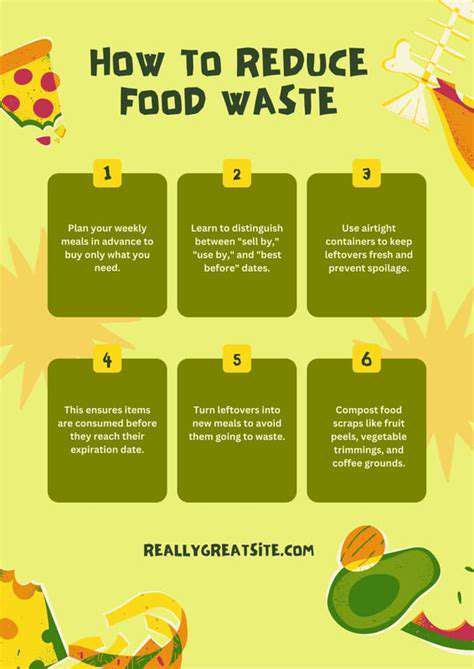
Another tip is to batch cook. Making double portions of your recipes not only saves time but also ensures you have healthy leftovers for those hectic days when cooking feels impossible. Leftovers can be stored in airtight containers for up to four days, allowing you to quickly reheat and enjoy a nutritious meal.
Cooking Techniques for Optimal Flavor
The method of cooking can significantly affect the flavor and nutritional value of your meals. Roasting at high temperatures, for instance, caramelizes the natural sugars in vegetables, enhancing their taste while retaining important nutrients. A temperature range of 400-425°F is generally ideal for sheet pan meals, promoting even cooking and browning.
Add a variety of textures by including crunchy vegetables alongside softer varieties. For example, combining asparagus with sweet potatoes or beets can create a delightful contrast. Additionally, a splash of lemon juice or a drizzle of balsamic vinegar right before serving can elevate the overall flavor profile while adding necessary acidity.
Portion Control and Serving Tips
Guarding against overeating is paramount for effective weight loss. Consider using a portion control plate to manage the amount of food you serve yourself. Research shows that people tend to eat more when they are using larger plates. A typical serving size of protein should be about the size of your palm, while grains should fill a quarter of your plate.
Serving your meals with a side salad can increase your vegetable intake while helping you feel full. Leafy greens with a light vinaigrette before your main meal can prepare your stomach and set the stage for mindful eating. Lastly, take the time to enjoy your meal, savoring each bite to enhance satisfaction and decrease the tendency to overeat.
Delicious Sheet Pan Meal Ideas for Weight Loss

Understanding the Basics of Sheet Pan Meals
Sheet pan meals are not just convenient; they can also be incredibly healthy. A classic sheet pan meal typically includes a protein, a variety of vegetables, and often a healthy carbohydrate source. This method allows for roasting and baking, which can enhance flavors without the need for excessive oils or fats.
Using a single pan for cooking means less cleanup time, which can motivate you to prepare healthier meals more often. By choosing lean proteins such as chicken or turkey, and filling your pan with colorful vegetables, you create a balanced meal that is both satisfying and nutritious.
Easy Weight Loss Sheet Pan Recipes
One popular recipe is the Mediterranean sheet pan chicken. Here, pieces of chicken breast are seasoned with simple herbs and spices, then placed alongside bell peppers, zucchini, and cherry tomatoes. Roasted together, these ingredients create a delicious and wholesome meal.
- Chicken breast is a great source of lean protein.
- Adding vegetables provides essential nutrients without extra calories.
- This type of meal can be prepared in under 30 minutes!
Another excellent option is a shrimp and asparagus sheet pan dinner. Shrimp cook quickly and pair well with a drizzle of olive oil and garlic. Simply toss them and asparagus on the pan, season, and let the oven do the work!
Incorporating Seasonal Ingredients
Using seasonal ingredients can elevate your sheet pan meals significantly. Seasonal produce not only tastes better but is often cheaper and more nutritious. For example, in summer, you can incorporate vegetables like corn and tomatoes that are at their peak. In winter, root vegetables like carrots and sweet potatoes are great additions.
Adjusting your recipes to include seasonal ingredients not only enhances flavor but also maximizes your nutritional intake. Paying attention to what’s in season means you’ll get the freshest produce available, supporting both your health and local farmers.
Tips for Meal Prep and Storage
Meal prepping with sheet pan meals can save time during busy weekdays. After roasting your meals, allow them to cool completely before packing into airtight containers. This process ensures that flavors meld together and that you don’t sacrifice freshness.
When storing, consider separating protein from vegetables if you want to avoid sogginess. This way, when reheating, you can maintain texture and flavor, making your meal just as appealing as when it was first prepared.
Caloric Considerations and Portion Control
While sheet pan meals are generally healthy, Portion control is key for weight loss. Using a food scale or measuring cups during your initial meal prep can help establish appropriate serving sizes. Typically, a balanced plate might consist of half vegetables, a quarter protein, and a quarter of a healthy carb.
Research suggests that visual cues, such as using smaller plates, can aid in reducing calorie intake without feeling deprived. Culinary experts recommend following these guidelines to help maintain a healthier lifestyle while enjoying your delicious meals.
Experimenting with Flavors and Textures
Don’t be afraid to experiment with spices and marinades to keep your meal time exciting. Variety is critical for making sustainable changes in your diet. Consider using different flavor profiles from various cuisines, like Moroccan spices or Asian-inspired glazes.
Additionally, combining textures can enhance your meals; think crunchy vegetables paired with tender meats. This contrast can make your meals more satisfying, which is vital for successful weight loss over time.
Final Thoughts on Sheet Pan Meals for Fast Weight Loss
Understanding the Nutritional Benefits
Sheet pan meals are a fantastic way to incorporate a variety of ingredients that can aid in weight loss. Using a mix of vegetables, lean proteins, and whole grains ensures a balanced meal rich in essential nutrients. This type of meal planning allows you to pack in vitamins, minerals, and dietary fiber, all of which contribute to feelings of fullness and satiety.
Research suggests that meals high in fiber can reduce hunger and promote weight management. The American Institute for Cancer Research recommends incorporating a minimum of 2.5 cups of vegetables daily, which sheet pan meals can effortlessly fulfill, providing essential nutrients while keeping calories in check.
Time Efficiency in Meal Preparation
One of the undeniable advantages of sheet pan meals is their Time Efficiency. By preparing a single dish that combines several food items, you can reduce cooking time and cleanup significantly. This method can save busy individuals valuable time during the week when planning meals.
Moreover, batch cooking allows for portion control. Preparing multiple servings at once means less temptation to snack on unhealthy foods, since nutritious meals are readily available. Setting aside just one afternoon to prepare several sheet pan meals can transform your weeknight dinners into something healthy and satisfying.
Customization for Dietary Preferences
Another advantage of sheet pan meals is their adaptability. They are easily customizable, allowing individuals to modify them based on dietary preferences or restrictions. Whether you are vegan, gluten-free, or on a low-carb diet, you can swap out ingredients as necessary.
This flexibility enables you to experiment with different flavor profiles and ingredients, ensuring that your meals remain appealing. For instance, substituting quinoa for rice in a sheet pan dish can enhance its nutritional value without sacrificing taste, thereby promoting sustainable weight loss.
Keeping It Simple and Healthy
When it comes to maintaining healthy eating habits, simplicity is key. Sheet pan meals can be simple to prepare, requiring minimal cooking skills while yielding the maximum payoff in taste and nutrition. The idea is to select a protein source, a hearty vegetable, and a healthy fat, then roast it all in one pan.
By limiting ingredients and preparation steps, you promote consistency in your dietary choices. Opting for fresh, seasonal vegetables and lean proteins means you're also likely to consume fewer preservatives and chemicals often found in pre-packaged meals. This simplicity can lead to healthier habits over time.
Long-Term Sustainability for Weight Loss
It is essential to view sheet pan meals as not just a temporary solution but a long-term strategy for weight loss. Consistently enjoying home-cooked meals can lead to better food choices and a deeper understanding of macronutrients. Studies show that individuals who prepare their meals tend to make healthier food choices more regularly than those who frequently dine out.
Adopting this cooking technique fosters a mindset of planning and preparation, which is crucial for achieving and maintaining weight loss goals. As your culinary skills improve, you may find yourself eager to explore healthier recipes, further enhancing the sustainability of your weight loss journey.
Read more about Sheet Pan Healthy Meals for Fast Weight Loss
![Best Snacks for Diabetics [Approved List]](/static/images/26/2025-05/HealthyFatsandComplexCarbohydrates.jpg)







Hot Recommendations
-
*Identifying Sciatica Triggers and Avoiding Them
-
*Cooking with Whole Grains for Sustainable Weight Loss
-
*Mediterranean Diet Recipes for Heart Health and Weight Loss
-
*Gratitude and Its Role in Positive Psychology
-
*7 Healthy Meal Prep Ideas for Effective Weight Loss
-
*Preparing for a Half Marathon: Speed and Endurance Tips
-
*Practicing Gratitude During Difficult Times: A Health Strategy
-
*How Treadmill Running Compares to Outdoor Speed Work
-
*The Connection Between Gratitude and Better Sleep Quality
-
*How Core Strength Directly Impacts Running Speed