Greek Yogurt
Health
Nutrition
Healthy Eating
Overnight Oats
Healthy Breakfast
Recipe
Healthy Snacking

Healthy Recipes for Late Night Cravings

1 ratio of oats to liquid, but experimenting with proportions can yield varying textures that suit your personal taste.

Once you've mixed the ingredients, simply seal the container and place it in the refrigerator for at least 4-6 hours, or ideally, overnight. The oats will soak up the liquid, becoming infused with all the flavors you've added. In the morning, just grab and go or enjoy it straight from the container!

Potential Health Benefits of Overnight Oats

  • High in fiber, which aids digestion
  • Contains essential nutrients such as magnesium and iron
  • Can help stabilize blood sugar levels

Overnight oats are not only tasty but also packed with health benefits. Studies have shown that diets rich in fiber can improve satiety and digestive health. Each serving can deliver up to 6 grams of Dietary fiber, which is vital for maintaining gastrointestinal wellness.

Moreover, oats are often fortified with vitamins and minerals that support overall health. Consuming oats has been linked with lower cholesterol levels, making them an excellent choice for heart health. Including them in your diet can be a proactive step towards long-term wellness.

Customization Ideas for Your Overnight Oats

One of the best features of overnight oats is their versatility. You can mix and match flavors and textures to keep things interesting. For instance, consider adding nut butter like almond or peanut for added protein, or sprinkling coconut flakes for a tropical twist.

Don’t hesitate to think outside the box. Adding spices such as cinnamon or nutmeg elevates the taste profile and can provide additional health benefits. These simple modifications not only enhance the flavor but also contribute to a more balanced meal, making it easier to satisfy your cravings without compromising nutrition.

Common Mistakes to Avoid

Even though overnight oats are simple to prepare, there are common pitfalls that can affect your results. One major mistake is using instant oats instead of rolled oats. Instant oats don't hold up during soaking and may turn mushy, which defeats the purpose of the meal's texture.

Another error is skimping on the liquid used. Not adding enough liquid can lead to dry and unpalatable oats in the morning. To ensure balanced and creamy oats, always stick to the recommended ratios for liquid and oats. By avoiding these mistakes, you can enjoy a consistently delicious breakfast every time!

4. Dark Chocolate Almonds

Health Benefits of Dark Chocolate Almonds

Dark chocolate almonds provide a rich source of antioxidants, thanks to the high cocoa content in dark chocolate. These antioxidants, catechins and flavonoids, have been linked to improved cardiovascular health by reducing the risk of heart disease. A study published in the Journal of Nutrition found that dark chocolate can help lower blood pressure and improve circulation, making this snack not only delicious but also beneficial for your overall heart health.

Moreover, almonds are a fantastic source of healthy fats, fiber, and protein. A handful of almonds can keep you satiated and curb late-night hunger. According to a study in the American Journal of Clinical Nutrition, consuming nuts regularly can lead to better weight management and lower cholesterol levels. By pairing dark chocolate with almonds, you create a balanced snack that supports both energy levels and nutritional needs.

How to Prepare Dark Chocolate Almonds at Home

Making dark chocolate almonds at home is simple and allows you to control the ingredients to suit your taste and health preferences. Start by melting high-quality dark chocolate (at least 70% cocoa) in a double boiler or microwave. Once melted, remove it from heat and stir in pre-roasted almonds until they are evenly coated with chocolate. You can sprinkle them with sea salt or a dash of cinnamon for added flavor.

Allow the coated almonds to cool on parchment paper before breaking them apart. This method not only ensures freshness but also allows you to experiment with different flavors, such as adding a pinch of chili powder for heat or mixing in dried fruit for additional nutrients. Remember to store them in an airtight container to maintain their deliciousness for snacking whenever those late-night cravings hit.

5. Air-Popped Popcorn

Nutrition Benefits of Air-Popped Popcorn

Air-popped popcorn is a whole grain, providing a good source of dietary fiber. A single serving contains approximately 30 calories and 1 gram of fiber, making it an ideal low-calorie snack. The fiber helps with digestion and can keep you feeling full longer, reducing the urge to snack on less healthy options.

Additionally, popcorn is rich in antioxidants, particularly polyphenols, which may contribute to heart health. Research published in the Journal of Agricultural and Food Chemistry highlights that these antioxidants can combat oxidative stress, contributing to overall well-being.

How to Prepare Air-Popped Popcorn

Making air-popped popcorn is quite straightforward and requires minimal equipment. A hot air popper is the most efficient tool, as it holds the kernels in a chamber where hot air circulates, popping them without oil. If you don't have a popper, you can try using a microwave-safe bowl with a microwave-safe lid as a makeshift alternative.

Flavoring Air-Popped Popcorn

While air-popped popcorn is nutritious, it is also quite plain on its own. Enhancing its flavor can make it more enjoyable. One popular option is to sprinkle it with nutritional yeast, which adds a cheesy flavor and is a great source of B vitamins. Alternatively, a light dusting of cinnamon or a drizzle of olive oil mixed with sea salt can add richness without overwhelming calories.

For a savory twist, consider adding spices such as paprika, garlic powder, or even a dash of cayenne pepper. This way, you can create a customized popcorn experience tailored to your taste preferences without added sugar or unhealthy fats.

Portion Control Tips

Maintaining portion control is crucial when snacking on popcorn, particularly if you're watching your calorie intake. It's easy to lose track and consume larger servings than intended. Using a measuring cup can help in serving a satisfying amount without overdoing it, as a typical serving size is about three cups of popped popcorn.

Comparing Air-Popped Popcorn to Other Snacks

When compared to traditional late-night snack options, air-popped popcorn stands out for its low calorie count and high fiber content. For example, a handful of chips can easily exceed 150 calories with minimal nutritional benefits. Alternatives like cheese puffs not only pack more calories but can also lead to digestive discomfort due to their high fat content.

Moreover, opting for air-popped popcorn instead of sugary snacks can positively influence your energy levels. High-sugar snacks often result in quick energy spikes followed by crashes, while whole grain popcorn provides sustained energy since it takes longer to digest.

Incorporating Air-Popped Popcorn into Your Diet

Adding air-popped popcorn to your diet can be a simple way to increase your whole grain intake. Consider having a bowl as an evening snack while watching your favorite show or as a mid-afternoon pick-me-up during the workday. Its versatility allows it to be enjoyed sweet or savory, making it a popular choice for various cravings.

For those looking to enhance their overall health, replacing less nutritious evening snacks with air-popped popcorn can pave the way for better eating habits. With its ease of preparation and potential for creativity, it's a snack worth incorporating regularly. Just remember to balance it with healthier ingredients to maximize its nutritional benefits.

Read more about Healthy Recipes for Late Night Cravings

Understanding Chronic Fatigue Syndrome
May 05, 2025
Understanding Healthy Fats vs Unhealthy Fats
May 18, 2025
Best Nutrition for Teen Athletes [Fueling Growth & Performance]
Jun 07, 2025
How to Prevent Common Running Injuries
Jun 26, 2025
Guide to the Benefits of Fermented Foods (Kefir, Sauerkraut, etc.)
Jul 19, 2025
The Flavor Profiles of Vinegars and CitrusDiscover the versatile world of vinegars and citrus fruits, where flavor meets health benefits in every culinary creation. From light salad dressings to vibrant marinades, understanding the unique profiles and uses of these ingredients can take your low-calorie cooking to new heights. Understanding Different Vinegar TypesDive into the diverse landscape of vinegars—each brings its unique flavor to the table. Distilled vinegar, with its neutral profile, is a staple in countless recipes. Apple cider vinegar, known for its tang and health benefits, not only enhances flavors but also aids digestion. Meanwhile, balsamic vinegar offers a rich sweetness, perfect for drizzling over salads, while rice vinegar is favored in Asian cuisine for its mildness. Explore the depth that red and white wine vinegars can add to your dishes, enriching salads and marinades alike. Using Vinegars in Dressings and MarinadesVinegars are essential for crafting delicious dressings and marinades that enhance and tenderize your dishes without the extra calories. A classic vinaigrette made from vinegar, oil, and fresh herbs is not only refreshing but also low-calorie. Experiment with vinegar-to-oil ratios, typically 1:3, to find the perfect balance for your taste. Health Benefits of Different VinegarsAdding vinegar to your diet may offer surprising health benefits. Studies indicate that apple cider vinegar can assist in weight management and blood sugar regulation, making it a sought-after ingredient for health-conscious individuals. Balsamic vinegar, rich in antioxidants, can support heart health by reducing inflammation. Citrus: Brightening Up Your DishesCitrus fruits such as lemons, limes, and oranges can awaken flavors in your meals while providing essential vitamins. The acidity in citrus complements the tang of vinegar, creating a harmonious mix ideal for dressings and marinades. For example, a lemon vinaigrette can brighten up any salad, while an orange juice and balsamic vinegar combination amplifies sweetness without added calories. Creative Uses of Vinegar Beyond the KitchenVinegar is not only a culinary staple; its uses expand into home care and beauty. Its natural antibacterial properties make it an effective cleaning agent, perfect for eco-friendly households. Additionally, apple cider vinegar can be used as a natural hair rinse or skin toner, proving that this ingredient is truly multi-functional. Incorporating Vinegars and Citrus into a Low-Calorie DietUtilizing vinegars and citrus is a smart strategy for health-conscious cooking. These ingredients can enhance flavors without adding excessive calories, making them excellent substitutes for richer dressings. By swapping creamy dressings with vinegar-based ones, you can create fresh, satisfying flavors that align with your dietary goals. Final Thoughts on Flavorful, Low-Calorie CookingIncorporating both vinegars and citrus into your meals opens a world of culinary possibilities. From refreshing drinks to vibrant dressings, these ingredients can enhance flavors while maintaining a healthy profile. By exploring different combinations, you can craft unique dishes that don’t compromise on taste or nutritional value.Unlock the flavorful potential of vinegars and citrus in your kitchen today!
Feb 27, 2026
A Comprehensive Guide to Healthier ChoicesIn today's fast-paced world, awareness of our eating habits is more crucial than ever. This guide dives deep into understanding nutritional practices, identifying unhealthy triggers, and fostering accountability through methods like food diaries. Discover how these strategies can pave the way to a healthier lifestyle. Creating Awareness of Eating Patterns Understanding Nutritional HabitsTracking your daily food intake is vital for identifying patterns that lead to unhealthy choices. Keeping a food diary can enhance your awareness of caloric intake, ultimately leading to healthier decisions. Research shows that those who document their meals tend to lose more weight. Identifying Triggers for Unhealthy EatingUnhealthy eating often stems from stress, lack of time, and social environments. By recognizing these triggers, you can create personalized weight loss strategies that substitute comfort eating with healthier coping mechanisms. Building Mindful Eating PracticesMindful eating allows you to savor each bite, helping you recognize when you're full and reducing calorie intake. Simple practices like eliminating distractions and focusing on food can dramatically enhance your relationship with it. Creating a Sustainable Food PlanAfter acknowledging your habits, the next step is to implement a food plan that aligns with your health goals. A balanced, nutritious plan ensures you remain satisfied without feeling deprived, making healthy choices more manageable. Maintaining Accountability Through DocumentationA food diary is not just about logging what you eat; it also instills accountability. Engaging with apps and dietary records can foster commitment and make tracking progress easier while providing insight into patterns and emotional triggers associated with eating. Enhancing Accountability and Commitment Understanding the Role of a Food Diary in AccountabilityA food diary serves as a crucial tool in weight loss efforts. It encourages mindfulness and helps identify problematic eating patterns that may arise due to stress or social situations. Fostering Commitment Through Consistent TrackingMaintaining a food diary daily helps solidify your commitment to weight loss goals. Regular review and reflection on your entries can guide you in celebrating small wins and identifying areas for improvement. Identifying Nutritional Gaps Understanding Nutritional GapsRegularly reviewing your eating habits can highlight essential nutrients you may be missing, such as vitamins from fruits and vegetables. Understanding these gaps is essential for effective weight loss as it helps ensure a balanced diet. Strategies for Filling Nutritional GapsIncorporate varied protein sources and colorful fruits and vegetables to enhance your diet. This diversity not only improves nutrient intake but also supports long-term health goals. Setting Realistic Goals and Tracking Progress Understanding SMART Goals for Weight LossImplementing the SMART criteria—Specific, Measurable, Achievable, Relevant, and Time-bound—can clarify your weight loss objectives and enhance your commitment to achieving them. Utilizing a Food Diary for Tracking ProgressA well-maintained food diary can double your chances of successful weight loss by providing clear accountability and insights into your eating patterns. Regular Review and Adjustment of GoalsContinual evaluation of your goals and dietary strategies is vital for adapting to changes in your body and maintaining motivation throughout your weight loss journey. Encouraging Mindful Eating Practices Implementing Mindful Eating TechniquesMindful eating encourages you to be present during meals, enhancing your relationship with food. Techniques such as limiting distractions, savoring each bite, and listening to hunger cues can help improve your eating habits over time.In summary, incorporating mindful practices, tracking eating habits, and recognizing emotional triggers will guide you toward creating a sustainable and healthy lifestyle. Start your journey today by implementing these actionable strategies for healthier eating patterns!
Mar 02, 2026
A Detailed Guide What is Running Economy?Running economy is a vital measure of how efficiently a runner utilizes oxygen at a specific pace. It directly correlates to energy expenditure, where lower energy costs indicate a better running economy. This metric is crucial for runners, especially in endurance events, impacting overall performance and race times. Various factors such as biomechanics, body composition, and running technique influence running economy. Key Factors Influencing Running Economy1. Body Composition: A lower body fat percentage enhances running efficiency.2. Biomechanics: Proper running form reduces energy wastage and improves performance.3. Strength Training: Increased muscle strength contributes to better running efficiency. Essential Strategies to Improve Your Running Economy 1. Targeted Training ProgramsImplementing structured training routines, such as interval training, can significantly enhance running economy by building both speed and efficiency. Small improvements can lead to considerable gains in race performance. 2. Plyometric ExercisesPlyometrics are effective for enhancing running economy. These explosive movements train muscles to apply force quickly, improving efficiency. Incorporating plyometric exercises into your workouts can yield measurable progress. 3. Strength TrainingStrength training is crucial for all runners. A strong core stabilizes the body during runs, preventing energy wastage. A well-crafted resistance training program targeting major muscle groups is essential, with exercises like squats and deadlifts being key. 4. Improving Running FormUnderstanding your running mechanics—foot strike, posture, and cadence—can lead to enhanced performance and efficiency. Regular assessments of form, possibly using video analysis, can help identify areas needing improvement. 5. Speed Work and Tempo RunsIntegrating speed work significantly boosts running economy. Short, high-intensity intervals enhance muscle adaptation and VO2 max. Additionally, tempo runs help improve your lactate threshold, allowing for sustained faster paces. 6. Proper Nutrition and HydrationBalancing macronutrients is essential for performance. Focus on carbohydrates for energy and sufficient protein for recovery. Staying hydrated is critical, as even minor dehydration can diminish performance. 7. Consistent Training RoutineEstablishing a consistent training schedule not only strengthens muscles but reinforces the neuromuscular pathways necessary for efficient running. Keep your routine varied to maintain interest and engagement. 8. Cross-Training PracticesIncorporating other activities like cycling or swimming can enhance overall performance and prevent injuries. It helps maintain cardiovascular fitness during recovery phases while promoting muscle strength and flexibility. 9. Focus on Mental StrategyMental training techniques like visualization can positively affect running performance. Develop mental resilience to enhance focus during challenging runs or races. ConclusionImproving your running economy is essential for enhancing performance and staying injury-free. By following a comprehensive approach that includes targeted training, proper nutrition, strength work, and consistent practice, you can achieve significant advancements in your running. Embrace these strategies to unlock your potential and achieve your race day goals!
Mar 03, 2026
Focus on whole foods, including fruits, vegetables, lean proteins, and whole grains.2. Regular Exercise: Engage in activities like swimming, walking, or cycling that are gentle yet effective in building core muscle strength.3. Professional Guidance: Consult with nutritionists or fitness trainers for tailored recommendations and enhanced accountability.Combining dietary changes with regular physical activity fosters sustainable weight loss, which directly impacts back health. The Role of Physical TherapyPhysical therapy can be pivotal in weight loss and managing back pain. Physical therapists create customized exercise plans that not only assist with weight reduction but also strengthen core muscles essential for spine support. Evidence suggests that individuals who take part in physical therapy may achieve better outcomes in weight loss and pain relief than those who do not. Long-Term Implications of Weight LossMaintaining a healthy weight can decrease the likelihood of recurring back pain and related issues such as sciatica and herniated discs. Many patients report needing fewer medications and experiencing improved functionality after weight loss. Long-term success requires making lifestyle changes instead of temporary diets. Additional Health BenefitsWeight management improves not just back health but overall health. Losing excess weight reduces the risk of conditions like diabetes and heart disease while enhancing energy levels and mental well-being. Seeking Professional GuidanceConsulting healthcare professionals, such as physicians and registered dietitians, ensures your weight-loss journey is safe and effective. Regular assessments and guided support can help tailor your approach, track progress, and make necessary adjustments to your plan.Conclusion: Understanding the connection between weight and back pain is key to managing and alleviating discomfort. By adopting effective weight management strategies and seeking professional guidance, individuals can significantly improve their back health and overall well-being.
Mar 17, 2026
Switch out turkey for grilled chicken or tofu, and add seasonal veggies for extra nutrients. 2. Quinoa and Black Bean SandwichQuinoa and black beans create a powerhouse sandwich loaded with complete proteins, fiber, and essential vitamins. Start with whole-grain bread, layer with cooked quinoa and black beans, and add your favorite fresh veggies. Quick to assemble, it's the perfect option for meal prepping!Flavor Tip: Spice things up with cumin or fresh herbs to elevate the taste. 3. Hummus and Veggie SandwichThis vibrant sandwich pairs creamy chickpea-based hummus with an array of fresh vegetables on whole grain bread, maximizing fiber and nutrients. With its versatility, you can customize by adding spices or protein to enhance flavor while keeping things light.Meal Prep Tip: Prepare hummus and sliced veggies in advance for a quick grab-and-go option during busy weekdays. 4. Grilled Chicken and Pesto SandwichCombining lean grilled chicken, whole-grain bread, and flavorful pesto, this sandwich is rich in protein and healthy fats. Marinate chicken for added flavor and opt for greens like arugula for a nutritional boost. Alternative: Try turkey or tofu, and get creative with greens to keep your meals exciting! 5. Egg Salad with Greek YogurtDitch the mayonnaise and use Greek yogurt for a healthier twist on classic egg salad. Filled with protein and probiotics, this salad can be served in a lettuce wrap or with whole grain crackers. Storage Tip: Keep ingredients separate until ready to combine for the freshest taste and texture. ConclusionThese healthy sandwich ideas not only support weight loss but also satisfy cravings, making lunchtime an enjoyable and nutritious experience. With simple ingredients and a focus on freshness, you can savor delicious meals that fuel your health goals. Meal prep and customization options allow for flexibility, ensuring you can enjoy a variety of flavors throughout the week. Start crafting your ideal lunch today!
Mar 25, 2026
Delicious Recipes for Health-Conscious CelebrationsThis holiday season, indulge in a feast that celebrates health without sacrificing flavor. Our curated collection of recipes includes lightened-up roasted vegetables, a nutritious spinach and feta stuffed turkey breast, a guilt-free sweet potato casserole, a lightened cranberry sauce, and a refreshing Greek yogurt parfait. Each recipe is designed to keep your meals festive while promoting your health goals. Roasted Vegetables That NourishStart your meal with vibrant roasted vegetables. Choose a mix of root vegetables like carrots, sweet potatoes, and Brussels sprouts, which are not only tasty but also rich in vitamins and fiber. Elevate the flavor with herbs such as rosemary and thyme, and use healthy oils like olive oil. This colorful side dish is a delightful addition to any holiday table, offering both taste and nutrition. Scrumptious Spinach & Feta Stuffed Turkey BreastNext, impress your guests with a spinach and feta stuffed turkey breast. Packed with lean protein and nutrient-dense ingredients, this dish combines turkey, fresh spinach, and aromatic garlic. Sauté the spinach with onions for added flavor, then roll it inside an evened-out turkey breast for a succulent main course. Serve alongside a vibrant salad and whole grains – perfect for another layer of health. Guilt-Free Sweet Potato CasseroleNo holiday gathering is complete without a sweet potato casserole. Swapping traditional marshmallows for cinnamon and maple syrup reduces sugar while capitalizing on the natural sweetness of sweet potatoes. This dish boosts fiber to help manage your appetite, making it a deliciously smart choice for holiday indulgence. Lightened Cranberry SauceComplement your main dishes with a lightened cranberry sauce made from fresh cranberries and natural sweeteners like honey. Adding citrus fruits elevates flavor while enhancing the nutritional profile. This tangy sauce not only pairs beautifully with turkey but also doubles as a versatile topping for salads or breakfast foods. Healthy Holiday Dessert: Greek Yogurt ParfaitFinally, indulge in a Greek yogurt parfait that combines creamy yogurt with fresh fruits and nuts. This dessert is rich in protein and probiotics, supporting digestive health. Customize with seasonal fruits or unique flavor combinations to make it a festive treat that satisfies your sweet tooth without the guilt.Conclusion: This holiday season, enjoy delicious, health-conscious recipes that will leave your guests feeling satisfied. From appetizers to desserts, every dish is crafted to ensure flavorful memories without compromising nutritional values. Celebrate the festivities with food that nourishes the body and soul, proving you can enjoy the holidays mindfully and deliciously.
Mar 25, 2026
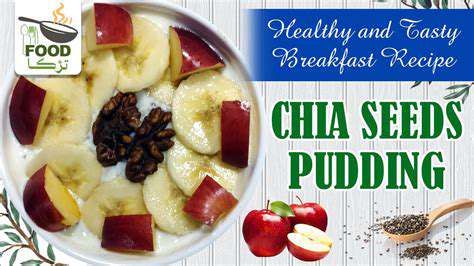
A Fiber-Packed ClassicOvernight oats are a convenient breakfast choice, rich in fiber (5-7 grams per serving), which aids in digestion and helps manage blood sugar levels. Simply combine rolled oats and your choice of liquid and let them soak overnight. Customize with fruits, nuts, and spices to keep breakfast exciting while enjoying the benefits of a high-fiber breakfast. Smoothie Bowls: Blend Your Way to SatietyWith countless flavor combinations, smoothie bowls are a visual and nutritional delight. Packed with fruits and vegetables, they provide essential vitamins. Boost your bowl’s fiber content by adding chia or flaxseeds. Easy recipes allow for personalized creations; try a tropical mix or a nutty flavor to keep your mornings fresh and vibrant. Whole Grain Toast with Nut Butter and FruitsWhole grain toast topped with nut butter offers healthy fats and protein, paired perfectly with fruits for added nutrients. This hearty breakfast supports satiety and stabilizes energy levels throughout the day. Choose nut butters with minimal ingredients to maximize health benefits, and explore different fruits to diversify flavors and textures. Chia Seed Pudding: A Nutrient-Dense DelightChia seed pudding is a simple yet nutrient-dense option loaded with omega-3s and fiber, promoting fullness and digestive health. Combine chia seeds with milk, let it set, and top with fruits or nuts for a satisfying breakfast that can be prepped in advance to save time during busy mornings. Vegetable Omelets: Savory and SatisfyingVegetable omelets provide a nutritious, low-calorie meal that keeps hunger at bay. Packed with essential vitamins and fiber, they can be customized with your favorite veggies. Experiment with cooking techniques for the perfect texture, and pair with whole grains or fruits for a balanced breakfast that supports your weight loss journey.--- Meal Prep Made EasyIncorporating these breakfast options into your weekly meal prep can streamline your mornings and ensure you have healthy choices readily available. Prepare multiple servings of overnight oats or make mini vegetable omelets that you can reheat on hectic days. ConclusionWhether you prefer the convenience of overnight oats, the excitement of smoothie bowls, or the satisfaction of a hearty omelet, these nutritious breakfasts will not only fuel your body but also contribute to your overall health and well-being. Start your day with these delicious options, and embrace a healthier lifestyle!For more tips on healthy eating and meal prepping, explore our website!
Mar 30, 2026
View Publications>>

Hot Recommendations