Healthy Low Carb Snacks for the Afternoon Slump
When pairing berries with Greek yogurt, it’s essential to consider which types provide the most nutritional value. Berries like blueberries, strawberries, and raspberries are excellent choices due to their high antioxidant content. Antioxidants play a crucial role in combating oxidative stress and reducing inflammation in the body.
- Blueberries: High in antioxidants, great for brain health.
- Strawberries: Rich in Vitamin C, support immune function.
- Raspberries: High fiber content, aiding in digestion.
These berries not only enhance the flavor of Greek yogurt but also add an array of vitamins and minerals, making this snack even more nutritious. Combining Greek yogurt with these berries creates a perfect balance of protein, carbs, and healthy fats.
Nutritional Comparison: Greek Yogurt vs. Regular Yogurt
While both Greek and regular yogurt boast health benefits, their nutritional profiles differ significantly. Greek yogurt generally contains double the protein of regular yogurt, making it a better option for those needing a protein boost. It's also lower in sugar, which helps to maintain lower insulin levels.
On the other hand, regular yogurt often has a creamier texture and slightly sweeter taste due to higher sugar content. Depending on your dietary needs, choosing the right type of yogurt can make a significant difference in achieving your health goals.
Preparation Tips for a Delicious Snack
Preparing Greek yogurt with berries is simple and quick, perfect for anyone with a busy lifestyle. Start by measuring out a serving of Greek yogurt into a bowl, and then add your choice of fresh or frozen berries on top. You can also sprinkle some nuts or seeds for added crunch and healthy fats.
If you're in the mood for a bit more sweetness, consider drizzling a tiny amount of honey or maple syrup over the mixture. Just remember, moderation is key! This simple yet satisfying preparation allows you to enjoy a healthy snack in a matter of minutes.
Customization: Add-Ins for Enhanced Flavor
You can easily customize your Greek yogurt with various add-ins to cater to your taste preferences and nutritional goals. Consider incorporating chia seeds, which not only add texture but are also rich in omega-3 fatty acids and fiber. Another excellent option is to mix in a scoop of nut butter, offering a creamy consistency and healthy fats.
For those who enjoy spices, a sprinkle of cinnamon or a dash of vanilla extract can elevate your yogurt snack even further. Experiment with different combinations to find what excites your taste buds while keeping it healthy.
Serving Suggestions for Meal Planning
Greek yogurt with berries can be included in various meal planning strategies. For example, consider making a batch of yogurt parfaits at the beginning of the week. Layer Greek yogurt, your choice of berries, and granola in mason jars for easy grab-and-go meals.
Additionally, this snack can be paired with other low-carb options, such as sliced vegetables or cheese, to create a complete afternoon snack. Balancing Greek yogurt with other foods not only diversifies your nutrient intake but also helps maintain your energy levels throughout the day.
3. Veggies with Hummus
Benefits of Pairing Veggies with Hummus
Combining fresh vegetables with hummus not only creates a delicious snack, but it also packs a Nutritional Punch. Hummus, which is primarily made from chickpeas, is rich in protein and fiber, making it an excellent option for a low-carb diet. The fiber in chickpeas can help regulate blood sugar levels, which is important to maintain energy throughout the afternoon slump.
Moreover, veggies such as carrots, cucumbers, and bell peppers provide essential vitamins and minerals. For instance, carrots are high in beta-carotene, vital for eye health, while bell peppers are loaded with vitamin C, which can boost the immune system. This combination ensures you're not just snacking mindlessly but fueling your body with concrete nutrients and fiber.
Popular Vegetable Options for Hummus Dipping
When selecting vegetables to pair with hummus, variety is key. Opt for crunchy choices like celery sticks, which add a refreshing crunch, or radishes, known for their zesty flavor. Additionally, cauliflower florets are an increasingly popular choice, offering a subtle taste that complements hummus well. You might also consider slicing up some jicama, a root vegetable that’s crunchy and slightly sweet, perfect for an afternoon pick-me-up.
It's not just about taste, though; each vegetable brings its own set of nutrients to the table. Leafy greens like kale or spinach can be blanched and dipped for an added health boost. The combination of different textures and flavors will keep your snacking experience enjoyable and satisfying.
Experimenting with various vegetable choices can help keep your afternoon snack routine exciting and prevent monotony. Plus, creating a colorful plate not only pleases the eye but also signifies a range of nutrients that benefit overall health.
Easy Homemade Hummus Recipes
While store-bought hummus is convenient, making your own at home can be incredibly simple and allow for personalization. A basic hummus recipe involves blending canned chickpeas, tahini, lemon juice, garlic, and olive oil until smooth. This basic formula serves as a perfect base where you can add your favorite flavors, such as roasted red peppers, jalapeños for heat, or even herbs like cilantro or dill for a fresh taste.
For those monitoring their sodium intake, Homemade Hummus offers a way to control the amount of salt added, providing a healthier alternative. Moreover, experimenting with spices such as cumin or paprika can elevate your hummus and infuse it with unique flavor profiles. This way, your low-carb snack can be tailored to your personal taste and dietary needs.
Creating your own hummus can also be an enjoyable activity, encouraging healthier eating habits by involving you and your family in the preparation process. Plus, it's a great way to ensure your snack is free from preservatives and unhealthy additives.
4. Cheese and Cold Cuts
Understanding the Nutritional Value of Cheese
Cheese is not just a delicious snack; it's also packed with essential nutrients. Depending on the type, cheese can offer significant portions of calcium, protein, and vitamins A and B12. For example, Parmesan cheese provides about 30% of the recommended daily intake of calcium in just one ounce, making it an excellent choice for those looking to bolster their bone health.
Moreover, cheese contains healthy fats which can aid in long-term energy sustenance, especially for those adhering to a low-carb lifestyle. Specifically, goat cheese contains medium-chain triglycerides that can promote fat oxidation, which may aid in weight management.
Choosing the Right Cold Cuts
Selecting high-quality cold cuts is crucial for maximizing health benefits. Opt for lean cuts that are lower in sodium and preservatives. For instance, turkey breast is a great alternative to traditional salami, as it is less processed and offers lower calorie content while still providing a good source of protein.
As a rule of thumb, always check the ingredient label. Avoid cold cuts that contain fillers or added sugars, which can undermine your healthy snacking goals. Brands like Applegate offer organic options that are free from antibiotics and added hormones, giving you more confidence in your snack choice.
Combining Cheese and Cold Cuts for Optimal Snacking
Combining cheese with cold cuts can create a satisfying and nutritious snack. Pairing a slice of aged cheddar with turkey slices not only enhances the flavor profile but also balances protein with healthy fats. This combination can help maintain energy levels throughout the afternoon slump.
Experiment with different pairings, such as gouda with prosciutto, or pepper jack with chicken breast. These combinations can keep your palate excited while ensuring you meet your nutritional needs. Think of it as creating your own charcuterie board designed for low-carb living.
Portion Control and Serving Suggestions
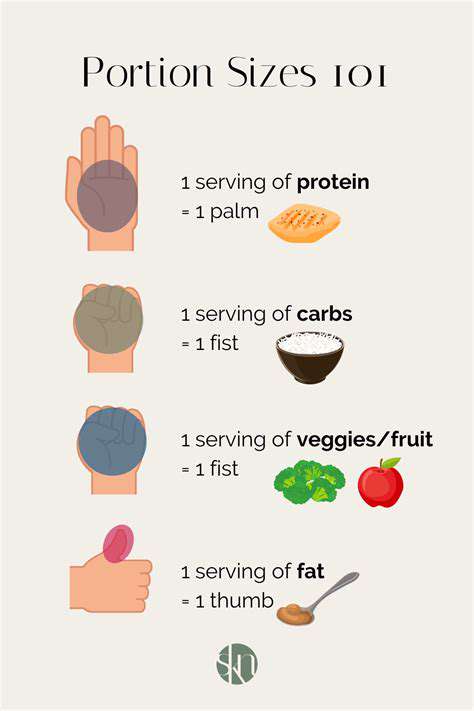
While cheese and cold cuts are nutritious, minding your portion size is essential. A serving size of cheese is generally one ounce, while cold cuts should typically be limited to two ounces. This helps prevent excessive calorie intake and maintains a low-carb diet effectively.
Consider preparing small snack packs in advance. For instance, you could portion out slices of cheese and cold cuts into snack-sized containers, making it easier to grab and go. This approach not only aids in controlling portions but also encourages healthy snacking habits throughout the week.
Health Benefits of Low-Carb Snack Choices
Low-carb snacks like cheese and cold cuts can contribute to feelings of fullness and satiety, which may reduce overall calorie consumption. Studies consistently show that high-protein snacks can lead to decreased hunger levels, making it an ideal strategy for those looking to manage their weight effectively.
Additionally, opting for low-carb options could stabilize blood sugar levels, reducing the risk of energy crashes. Research indicates that lower carbohydrate intake can improve insulin sensitivity, which is particularly beneficial for individuals managing diabetes or prediabetes.
Potential Drawbacks and Considerations
Despite their advantages, cheese and cold cuts can have drawbacks if consumed excessively. High sodium content in some cold cuts can lead to hydration issues and elevated blood pressure, particularly in sensitive individuals. It's important to consume these snacks in moderation and to balance them with plenty of vegetables for fiber and hydration.
Furthermore, not all cheeses are equally nutritious. Processed cheeses often have added preservatives and unhealthy fats. Look for natural cheeses, which usually contain fewer additives. It’s wise to include a variety of snacks in your diet to ensure a balance of nutrients.
Wrapping It Up: Final Tips for Healthy Snacking
In conclusion, cheese and cold cuts can be part of a healthy low-carb snack routine when chosen wisely. By understanding the nutritional benefits and being mindful of portions, you can enjoy these foods while achieving your health goals. Always remember to incorporate a variety of whole foods, such as fruits and vegetables, into your diet for a balanced approach.
As a final tip, experiment with different types and styles of cheese and cold cuts to find combinations you enjoy. It’s all about making healthy eating exciting and enjoyable so that it becomes a sustainable part of your lifestyle.
5. Hard-Boiled Eggs
Understanding the Nutritional Value of Hard-Boiled Eggs
Hard-boiled eggs are a powerhouse of nutrition, offering an excellent source of high-quality protein without excessive calories. Each egg contains approximately 6 grams of protein and only about 70 calories, making them an ideal addition to any low-carb diet. Moreover, eggs are rich in essential nutrients, including B vitamins and selenium.
Aside from protein, hard-boiled eggs are a significant source of essential fatty acids, which play a vital role in maintaining cell structure and hormone production. The yolk is particularly nutrient-dense, containing important micronutrients like vitamin D and choline, which supports brain health and cognitive function.
Convenience and Portability
One of the standout features of hard-boiled eggs is their convenience. They can be prepared in bulk and stored in the refrigerator for several days, making them a hassle-free snack choice. Grab one on the go, and you've got a balanced snack that can help stave off hunger and combat that afternoon slump.
How to Perfectly Hard-Boil Eggs
To achieve the ideal hard-boiled egg, start with eggs that are not extremely fresh, as slightly older eggs are easier to peel. Place the eggs in a saucepan and cover them with cold water, ensuring there's about an inch of water above the eggs. Bring the water to a boil, then remove the pan from heat and cover it. Let the eggs sit for about 9-12 minutes, depending on your desired level of doneness.
After the time is up, transfer the eggs to an ice bath for 5-10 minutes to halt the cooking process and make peeling easier. This method results in perfectly cooked eggs without the greenish hue around the yolk, which indicates overcooking.
Creative Ways to Enjoy Hard-Boiled Eggs
While hard-boiled eggs are delicious on their own, there are several creative ways to incorporate them into your meals. Consider slicing them for a protein-packed salad or adding them to a sandwich as a nutritious filling. They can also be mashed and mixed with avocado for a delicious twist or seasoned with spices for a unique flavor profile.
Hard-Boiled Eggs and Weight Management
Incorporating hard-boiled eggs into your diet can be beneficial for those watching their weight. The combination of protein and healthy fats promotes satiety, which can reduce overall calorie intake throughout the day. Research shows that protein-rich snacks can help prevent overeating and support weight loss efforts, making eggs a smart choice for a healthy snack.
Potential Allergies and Considerations
While eggs are generally safe and healthy for most individuals, they do pose a risk for those with egg allergies. Symptoms can vary from mild reactions like hives to serious anaphylactic reactions. It's important to always consult with a healthcare provider if you suspect an egg allergy.
Additionally, cholesterol levels should be considered, especially for individuals with specific health conditions. Research indicates that dietary cholesterol has less impact on blood cholesterol levels for most people, but those with certain health concerns should consult their doctor regarding egg consumption.
Read more about Healthy Low Carb Snacks for the Afternoon Slump