Healthy Family Dinner Ideas That Everyone Will Eat
Table of contents
- Colorful vegetables enhance flavor and nutrition in stir-fry dishes.
- Stir-fry requires high heat for optimal taste and quick cooking.
- Homemade sauces boost flavor without added sugars or sodium.
- Tacos can be customized, promoting diverse nutrition and fun preparation.
- Baked salmon and sweet potatoes offer excellent omega-3 and fiber benefits.
- Quinoa and black bean salad is rich in protein and antioxidants.
- Whole wheat pasta primavera provides balanced nutrition with fiber and vitamins.
1. Colorful Vegetable Stir-Fry
Ingredients for a Vibrant Stir-Fry
To create a visually appealing and nutritious stir-fry, you should focus on a variety of Colorful Vegetables. Bell peppers in red, yellow, and green can provide not only flavor but also essential vitamins. Additionally, incorporating purple cabbage and orange carrots enhances both the color palette and nutritional value, delivering carotenoids, antioxidants, and fiber in each bite.
Don’t forget about the protein component—adding tofu or chicken can elevate the dish's satisfaction factor. Tofu is a great option for vegetarians, while chicken offers lean protein for those who prefer meat. Including a mix of these ingredients ensures a well-rounded meal that supports overall health.
Preparation Techniques for Optimal Flavor
The secret to a successful stir-fry lies in the cooking technique. Start by heating a decent amount of oil in a wok or large skillet over medium-high heat. This high heat is crucial for achieving that deceptively simple, yet delicious charred flavor that characterizes a great stir-fry. Be sure to prepare all your ingredients beforehand to ensure a quick and efficient cooking process.
Cooking Time and Temperature Considerations
Cooking time for stir-fries is generally quick, usually taking about 5-7 minutes once the pan is heated. Ingredients should be added in stages, starting with those requiring longer cooking times, such as broccoli, followed by faster-cooking items like bell peppers. Maintaining high temperatures allows for proper charring and caramelization, translating into deeper flavors. Remember, the quicker everything cooks, the fresher the taste.
Healthy Sauces and Seasonings to Enhance Taste
Instead of relying on store-bought sauces that can often be loaded with sugar and sodium, consider making your own. A simple sauce made from low-sodium soy sauce, garlic, and ginger can enhance the natural flavors without overwhelming your dish. For a touch of heat, a sprinkle of chili flakes adds complex flavors without sacrificing health.
Customizing Your Stir-Fry to Family Preferences
One of the best parts about a stir-fry is its adaptability. You can allow family members to choose their own favorite vegetables, ensuring everyone has some say in what goes into the dish. Whether your kids prefer snap peas or bok choy, customizing based on preferences encourages not just enjoyment but also experimentation with new vegetables.
Moreover, incorporating seasonal vegetables can make your stir-fry not only fresher but also more cost-effective. Visiting local farmers' markets can help you discover new ingredients that your family might enjoy together.
Serving Suggestions for a Complete Meal
The presentation of your stir-fry can elevate the dining experience. Serve over a bed of brown rice or quinoa to enhance the fiber content and add sustenance. A side of steamed edamame can also contribute extra protein. For families looking for lighter options, consider a lettuce wrap style, where the stir-fry mix is served inside crisp lettuce leaves, making it both interactive and fun for kids.
The Nutritional Benefits of a Colorful Stir-Fry
A colorful vegetable stir-fry is not just visually pleasing; it packs a powerful nutritional punch. Eating a variety of colorful vegetables can help ensure your family receives a broad spectrum of nutrients. For instance, green leafy vegetables are rich in iron and calcium, while orange and yellow vegetables offer high amounts of vitamin A. Research indicates that diets rich in such diversity may lower risks of chronic diseases, providing a compelling reason to make stir-fries a regular part of meals.
2. Homemade Turkey or Veggie Tacos

Health Benefits of Turkey and Veggie Tacos
Incorporating turkey or veggie tacos into your family meals can lead to several health benefits. Turkey is a lean source of protein, offering essential amino acids without the higher fat content present in other meats. A typical serving can provide around 20-25 grams of protein, which helps in muscle building and repair.
On the other hand, veggie tacos are an excellent way to increase your fiber intake. Vegetables like black beans, corn, and peppers not only add flavor but also provide vital nutrients. A diet high in fiber can boost digestive health, lower cholesterol levels, and regulate blood sugar. For example, incorporating beans can give you approximately 15 grams of fiber per cup, which is essential for overall health.
- Low in fat, turkey provides valuable protein.
- Veggie options enhance fiber and nutrient intake.
- Both options promote digestive health.
- Customization allows for diverse flavors and nutrition.
Thus, opting for homemade turkey or veggie tacos speaks volumes about the choice of nutritious meals. These tacos can cater to various dietary preferences and allow for creativity in the kitchen.
Simple Preparation Tips for Perfect Tacos
Preparing homemade tacos can be a straightforward process. Start by choosing a quality tortilla, which acts as the foundation for your taco. Flour tortillas are softer, while corn tortillas are gluten-free and have a distinct flavor. Once you've selected your tortilla, it's essential to toast them briefly on a skillet to bring out the flavors.
For the filling, ground turkey or a mix of chopped vegetables can be sautéed with spices such as cumin, paprika, and chili powder. This blend brings out the savory taste that enchants most palates. Additionally, incorporating toppings like diced onions, tomatoes, and avocado can enhance both flavor and nutrition.
Involving the Family in Taco Night
One of the most engaging aspects of homemade tacos is that everyone can participate. Set up a taco bar with various fillings, toppings, and sauces, allowing family members to personalize their tacos according to their taste preferences. For instance, if someone prefers spicy flavors, provide jalapeños or a spicy salsa.
Additionally, involving children in the preparation process can be educational. Teach them about the ingredients and their nutritional values, fostering healthy eating habits from a young age. For example, you might explain how beans are a great plant-based protein source, which can spark their interest in nutrition.
This type of family interaction not only makes the meal preparation fun but also strengthens family bonds. Dinner time can evolve into a teaching moment where children learn about flavors, cooking techniques, and the importance of eating healthy.
3. Baked Salmon with Sweet Potato Mash

Ingredients for Baked Salmon and Sweet Potato Mash
To create a delicious and healthy baked salmon dish, you will need a selection of fresh ingredients. The primary component is, of course, salmon fillets, ideally wild-caught for optimal flavor and Nutritional Value. Alongside this, gather sweet potatoes, which will serve as the base for the mash. Additional ingredients include olive oil, garlic, salt, pepper, and optional herbs like dill or parsley to enhance the dish's flavor profile.
For a complete meal, consider adding a side of steamed vegetables such as broccoli or asparagus. This not only adds color to the plate but also ups the nutritional content. It’s essential to choose high-quality ingredients, as they significantly contribute to the overall taste and health benefits of your meal.
Health Benefits of Salmon and Sweet Potatoes
Baked salmon is renowned for its high omega-3 fatty acid content, which plays a crucial role in cardiovascular health. Research indicates that regular consumption of omega-3s can help reduce inflammation and lower blood pressure. Moreover, salmon is a great protein source, promoting muscle health and supporting metabolic processes.
On the other hand, sweet potatoes are rich in vitamins A and C, along with fiber. They are known to stabilize blood sugar levels due to their low glycemic index. Including these two main ingredients in your family's dinner plan can provide a balanced meal that supports overall health. Together, they form a dish that is not only pleasing to the palate but also beneficial for various health functions.
Preparation and Cooking Method
- Preheat your oven to 400°F (200°C).
- Prepare your salmon by seasoning it with olive oil, salt, and pepper.
- Peel and chop the sweet potatoes, then boil until tender.
- Mash the sweet potatoes with a fork or masher, adding a bit of olive oil and spices to taste.
- Place the salmon on a baking sheet and bake for approximately 15-20 minutes.
Start by preheating your oven to ensure that it reaches the correct temperature for cooking. Next, season the salmon fillets with olive oil and your choice of herbs. For the sweet potatoes, after boiling them until tender, adding a splash of milk or butter can transform the mash into a creamy delight. It’s worth noting that cooking times may vary based on the thickness of the salmon, so keep an eye on it as it bakes. This method keeps the salmon moist and flaky while giving the sweet potatoes a velvety texture.
Serving Suggestions and Variations
When it comes to serving your baked salmon and sweet potato mash, presentation can elevate the meal experience. Consider plating the mashed sweet potatoes artistically with the salmon fillet on top, and perhaps a sprinkle of fresh herbs for added color. A squeeze of lemon juice can also brighten the flavors and add a refreshing touch.
If you want to mix things up occasionally, try adding different spices to the salmon, such as smoked paprika or lemon pepper, for a twist on flavor. Additionally, you could substitute the sweet potato mash with other root vegetables like parsnips or carrots, which would provide a different texture and taste. Introducing variety keeps family dinners exciting while ensuring a healthy balance of nutrients.
4. Quinoa and Black Bean Salad
Ingredients and Nutritional Benefits
To create a delicious Quinoa and Black Bean Salad, you will need fresh ingredients such as quinoa, black beans, bell peppers, red onions, and cilantro. Each component contributes unique flavors and textures to the dish, elevating the overall taste. Quinoa, often referred to as a superfood, is rich in protein and fiber, making it an excellent choice for a healthy meal.
Black beans are renowned for their high antioxidant content and fiber, which support digestive health. Together, quinoa and black beans provide all nine essential amino acids, making this salad a complete protein source. Coupled with colorful veggies like bell peppers, which are high in vitamin C, this salad not only looks vibrant but is also a powerhouse of Nutritional Benefits.
Preparation Steps
Start by rinsing one cup of quinoa under cold water to remove any bitterness. Cook the quinoa in two cups of water, bringing it to a boil, then lowering the heat and covering it for about 15 minutes until the water is absorbed. Meanwhile, drain and rinse one can of black beans and chop the vegetables into small, manageable pieces.
Once the quinoa has cooled, combine it with the black beans, diced peppers, and onions in a large mixing bowl. Gently toss to ensure all ingredients are evenly distributed. Add fresh lime juice, olive oil, and seasonings like cumin and salt as desired, mixing to enhance the flavors of the salad. This method ensures each bite is a delicious combination of all ingredients, providing rich taste and texture.
Serving Suggestions and Variations
This salad is incredibly versatile. You can serve it as a standalone dish or as a side for grilled chicken or fish. To further enhance its flavor, consider adding avocado or a sprinkle of feta cheese. For those who enjoy a kick, including jalapeños can add some heat without overwhelming the other flavors.
Experimenting with various herbs like diced basil or parsley can also introduce a new flavor profile. Another popular variation is the addition of corn or cherry tomatoes, which bring a natural sweetness and additional nutrients. Whichever way you choose to serve it, the salad remains a crowd-pleaser that fits various diets, including vegetarian and gluten-free options.
Storage and Meal Prep Tips
One of the great advantages of Quinoa and Black Bean Salad is its ability to store well in the refrigerator. It can remain fresh for up to three days in an airtight container, making it a convenient meal prep option. You can make a large batch at the beginning of the week, ensuring you have quick and healthy options for lunch or dinner throughout the week.
When storing, it’s best to keep the dressing separate until you are ready to serve to maintain the salad's crispness. If you do mix in the dressing in advance, consider adding more fresh ingredients on the day you eat it to balance the flavors and maintain freshness. This approach allows for a satisfying meal that doesn’t compromise on quality or taste, even days after preparation.
5. Whole Wheat Pasta Primavera
Ingredients and Nutritional Value
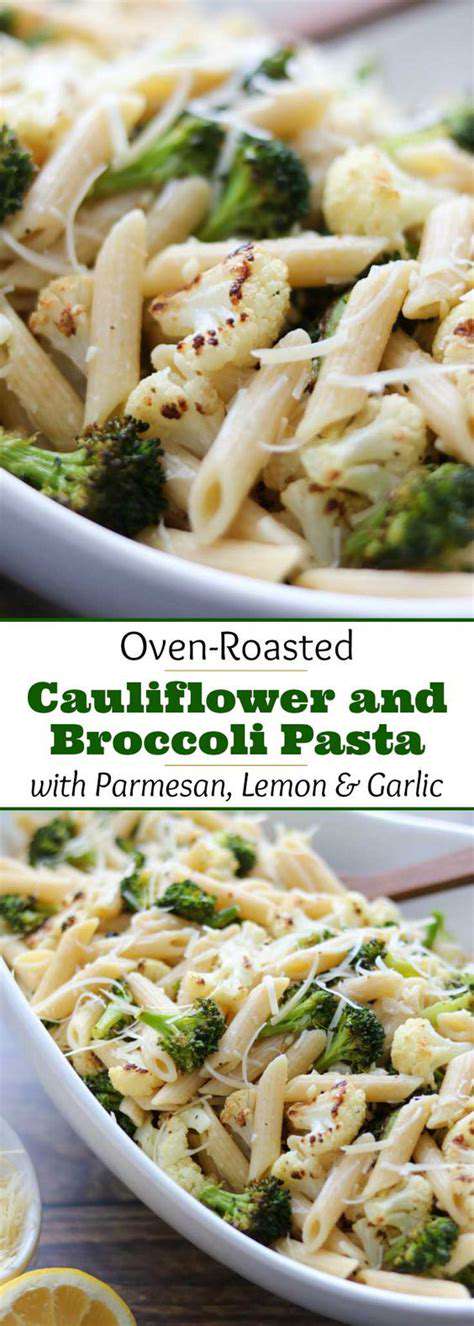
Making Whole Wheat Pasta Primavera starts with the right ingredients. You’ll need whole wheat pasta for its higher fiber content, vegetables like bell peppers, zucchini, and broccoli for essential vitamins, and olive oil as a healthy fat source. Each serving can provide critical nutrients, such as complex carbohydrates and protein, making it an excellent choice for a balanced meal. For instance, a single cup of cooked whole wheat pasta contains about 6 grams of protein and 7 grams of fiber, contributing to a feeling of fullness and digestive health.
Additionally, the colorful vegetables not only enhance the dish's visual appeal but also boost its Nutritional Profile. For example, bell peppers are rich in vitamin C and antioxidants, while broccoli offers substantial amounts of vitamins K and A. Including a mix of these vegetables can help fulfill daily vegetable intake recommendations and promote overall family health. According to the USDA, adults should aim for at least 2-3 cups of vegetables daily, making this dish an excellent way to meet those guidelines while enjoying a delicious meal.
Preparation Tips for Busy Families
Preparing Whole Wheat Pasta Primavera doesn't have to be time-consuming, especially for busy families. Consider using pre-cut vegetables from the grocery store to save time on meal prep. Alternatively, you can chop vegetables ahead of time and store them in the fridge for easy access. This strategy not only shortens cooking time during meal prep but also encourages healthier eating habits by making vegetables easily available for quick meals. Moreover, you can easily double the recipe to have leftovers for lunch the next day, saving both time and energy.
Incorporating this dish into your weekly meal plan can be simplified by making a batch on a Sunday and enjoying it multiple times in various forms. You can serve it hot as a pasta dish or cold as a refreshing pasta salad. Keep experimenting with different vegetables based on seasonal availability and family preferences, ensuring that the meal stays exciting and appealing to everyone at the table. This flexibility encourages greater engagement with healthy eating habits, particularly beneficial for children who may need more exposure to various ingredients.
Read more about Healthy Family Dinner Ideas That Everyone Will Eat

![Best Food Sources for Iron [Vegetarian and Non Vegetarian]](/static/images/26/2025-05/BeyondFood3ALifestyleConsiderations.jpg)








Hot Recommendations
-
*Why Consistency is Key to Running Endurance
-
*High Fiber Breakfasts to Kickstart Your Weight Loss
-
*How Running Endurance Varies Between Men and Women
-
*Finding Gratitude in Your Fitness Journey
-
*Why Your Hamstrings are Tighter Than You Think
-
*Healthy Stir Fry Sauces Without Added Sugar
-
*Speed Development for Master Runners (40+)
-
*Why Walking Can Sometimes Be Better for Your Back
-
*Running Tips for Better Breath Control and Speed
-
*How Gratitude Improves Professional Satisfaction