Running Tips for Better Breath Control and Speed
Establishing a Breathing Rhythm

Understanding the Basics of Breath Control
Breath control is fundamental for runners looking to optimize performance. Establishing a consistent breathing rhythm can significantly improve endurance and speed.
Research has shown that athletes who manage their breath effectively can sustain longer periods of exertion and minimize fatigue. The science behind breath control involves both physical and psychological aspects that interact closely during physical activity.
- Breath control enhances oxygen delivery to muscles.
- Improved breath management can lengthen running duration.
- Effective breathing patterns reduce the perception of effort.
By focusing on how you breathe while running, you can maximize your physical capabilities. It's not just about taking in more air; it's about taking it in strategically.
The Role of Diaphragmatic Breathing
Diaphragmatic breathing, or belly breathing, has gained recognition among athletes. This technique engages the diaphragm for deeper breaths instead of relying solely on chest movement, increasing oxygen intake.
Studies indicate that using the diaphragm can improve lung capacity by approximately 20% compared to shallow chest breathing. This is crucial for runners who need sustained energy over longer distances.
To practice diaphragmatic breathing, lay on your back and place a book on your abdomen. As you breathe deeply, watch the book rise and fall. This method can help train your body to engage your diaphragm instead of your chest muscles.
Strategies for Synchronizing Breath with Stride
Finding the right synchronization between your breath and stride is essential. Many runners adopt a pattern such as inhaling for three steps and exhaling for two, which creates a rhythm that keeps the body relaxed.
This synchronization can reduce the risk of injury and enhance endurance. It's ideal to experiment with different patterns to find what works best for your pace and comfort level. Some runners find better performance with a 2:1 or even a 3:2 ratio depending on their speed.
Ensure that whichever rhythm you choose feels natural and comfortable. Over time, it will become second nature, allowing you to focus more on the run itself.
Breathing Techniques for Different Running Speeds
Your breathing technique might need to adapt depending on your running speed. At slower paces, you can often breathe through your nose, while at fast speeds, mouth breathing might become necessary.
During long-distance runs, maintaining a steady breath can help maintain focus. For sprinting or interval training, quick, sharp breaths enhance performance but can be challenging to maintain for long durations.
Don’t shy away from adjusting your breathing methods. Personal trials will lead to a better understanding of what keeps your body fueled efficiently at various paces.
Using Breath Control in Recovery
Breath control is not only important while running but also during recovery periods. Techniques like controlled inhalation and exhalation can significantly lower your heart rate post-exercise.
Deep breathing promotes relaxation and can enhance recovery by encouraging blood flow and nutrient delivery to sore muscles. Implementing this after your runs will help prepare your body for subsequent sessions.
Consider scheduling a few minutes post-run to practice slow, diaphragmatic breathing. This simple addition to your routine can make a marked difference over time.
The Mental Aspect of Breath Management
The psychological factors surrounding breath control should not be underestimated. Maintaining a calm mindset can enhance breath efficiency and overall performance.
Visualization techniques can serve as tools to enhance your focus. Picture a steady, smooth breath pattern while you run, allowing your body and mind to connect more effectively.
Also, keep a journal to track your breathing patterns during different workouts. Not only will it help you spot trends, but it will also encourage you to consciously improve your technique.
Summary: Putting It All Together for Improved Running Performance
To conclude, establishing a reliable breathing rhythm is pivotal for maximizing running efficiency. By understanding key techniques and strategies—such as diaphragmatic breathing, synchronization with stride, and adjusted methods for various speeds—you can significantly enhance your overall performance.
Practice recovery breathing methods and mindfulness to also support your mental game. With consistent work on your breath control, you’ll likely experience improved endurance, reduced fatigue, and a more enjoyable running experience.
Ultimately, breath management is not just about technique; it’s about creating a holistic approach to running that incorporates both the physical and mental aspects of the sport.
Incorporate Breathing Exercises into Your Routine

Understanding the Importance of Breath Control
One of the key components of running performance is Effective Breath Control. Proper breathing techniques not only provide the necessary oxygen to your muscles but also enhance your overall endurance. Research indicates that implementing focused breathing strategies can significantly reduce fatigue during long runs, allowing athletes to sustain a better pace.
Moreover, a study published in the Journal of Sports Medicine revealed that runners who practiced breath control techniques improved their time by an average of 5% over a 5K distance. This shows how vital it is to integrate breathing exercises into your routine if you aim for better performance.
Types of Breathing Exercises for Runners
- Diaphragmatic Breathing
- Pursed Lip Breathing
- Nasal Breathing
Diaphragmatic breathing, often referred to as abdominal breathing, engages the diaphragm fully, allowing for a more efficient exchange of oxygen and carbon dioxide. This technique can be practiced while resting or standing and is essential for enhancing lung capacity.
Pursed lip breathing helps to control your breathing rate and maintain a steady airflow. This method is particularly useful during intense runs or intervals, as it helps delay fatigue and keeps your heart rate in check.
How to Incorporate Breathing Exercises into Your Routine
Integrating breathing exercises into your daily routine starts with dedicating a few minutes each day. Begin with five minutes of diaphragmatic breathing while sitting comfortably. As you progress, increase this time or add complexity by including a timing element, such as inhaling for four counts, holding for four, and exhaling for six.
Additionally, consider adding these exercises during your warm-up or cool-down. Transitioning from respiratory training directly into your running regimen can enhance its effectiveness and solidify these techniques in your muscle memory.
Practical Tips for Optimizing Breath During Runs
To optimize your breathing while running, it's essential to maintain a relaxed posture. Tightening your shoulders or tensing up can hinder your airflow. Instead, focus on relaxing your body and finding a breathing rhythm that aligns with your stride—this sync can improve your speed and stamina.
Furthermore, monitoring your breathing during training can be beneficial. Use a heart rate monitor or track your pace to adapt your breathing rate to the demands of your run. Remember, finding your natural breathing pattern is key to enhancing performance and comfort.
Research Backing the Benefits of Breathing Techniques
According to a 2019 publication in PLOS ONE, runners who implemented structured breathing techniques reported significant improvements in their performance metrics. The study included diverse runners and indicated that those adopting specific breathing patterns experienced reduced heart rates and higher oxygen uptake.
This evidence underscores the importance of breathing strategies not just on a physiological level, but also on a psychological one. When runners learn to control their breath effectively, they often face their runs with greater confidence and resilience, ultimately leading to improved outcomes.
Conclusion: Commit to Breath Control for Enhanced Performance
As part of your training regimen, committing to specialized breathing exercises can lead to noticeable enhancements in your running performance. Make breathing practice as integral to your training as your mileage and speed work.
Consistency is crucial; the more regularly you practice these techniques, the more ingrained they will become. So, take the time to incorporate breathing exercises into your daily runs, and you'll likely find yourself reaching new heights in both speed and endurance.
Mind Your Posture for Optimal Breathing
Understanding the Connection Between Posture and Breathing
Good posture plays a crucial role in how efficiently we breathe. When we stand or sit upright, our diaphragm, the primary muscle responsible for breathing, can function optimally. Poor posture, such as slouching, compresses the lungs and limits their capacity, leading to shallower breaths. This can reduce oxygen intake during physical activities like running.
Research shows that individuals who practice good posture can increase their lung capacity by up to 20%. By aligning the spine and opening the chest, we create a more favorable environment for optimal respiratory function. This is particularly important for athletes who rely on efficient breathing to enhance their performance.
Practical Tips for Maintaining Good Posture While Running
When you're on the move, keeping your posture in check can be challenging. Start by ensuring that your head is positioned directly above your shoulders and not leaning forward. Your shoulders should be relaxed and back, allowing the chest to expand, while your arms are at a comfortable angle to drive your run forward.
One effective method is to visualize a string pulling you upward from the crown of your head. This mental cue can help maintain a straight back and an open chest. Remember to periodically check in with yourself during runs to correct any slumping, especially as fatigue sets in.
Additionally, practicing core-strengthening exercises can enhance stability and support better posture while running. Exercises such as planks and bridges not only strengthen your core but also promote awareness of your upper body alignment during movement.
The Impact of Breathing Techniques on Performance
The way we breathe can greatly affect our stamina and speed while running. By adopting techniques such as diaphragmatic breathing, we engage more muscle fibers and increase oxygen intake. This type of breathing encourages deeper inhalation and fuller exhalation, leading to improved endurance.
Many experienced runners advocate for a rhythmic breathing approach in conjunction with their foot strikes to maximize efficiency. For example, inhaling for three footfalls and exhaling for two can help regulate your breath and keep your pace. Implementing these techniques can substantially reduce feelings of breathlessness during runs.
Stretching and Strengthening for Better Posture
Incorporating a routine of stretching and strengthening exercises into your training regimen can significantly enhance your posture and, by extension, your breathing efficiency. Focus on stretches that target the chest, shoulders, and lower back, areas often tight in runners. Simple stretches like doorway chest stretches can open up the chest and improve lung capacity.
Strengthening the posterior chain, including back and glute muscles, can provide stability that directly supports better posture. Resistance training or yoga can be very effective for this purpose, as they reinforce the muscle groups necessary for maintaining an upright stance during running.
Regular Assessments and Adjustments
An often-overlooked aspect of mastering posture is regular self-assessment and adjustment. Using resources like video recording or consulting a coach can provide insights into your form while running. You might find that small changes in posture can lead to significant improvements in your breathing and overall performance.
Moreover, listening to your body is essential. If you notice chronic discomfort or difficulty in maintaining posture during runs, it could signal that your techniques need to be modified. Do not hesitate to incorporate feedback and make necessary adjustments as you progress.
Hydration and Nutrition's Role in Breath Control
Understanding the Impact of Hydration on Breath Control
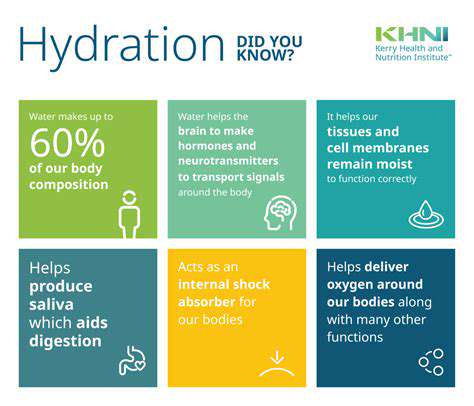
Maintaining adequate hydration is crucial for optimal lung function. Dehydration can lead to increased viscosity of mucus in the airways, making it harder to breathe effectively. According to a study published in the Journal of Applied Physiology, even a 2% drop in body water can impair respiratory function. Therefore, runners should aim to drink enough water before, during, and after their runs to keep their airways clear.
Electrolyte balance is equally essential for hydration. Sodium, potassium, and magnesium play vital roles in muscle function and hydration status. A deficit in these electrolytes can lead to cramping and fatigue during runs, affecting not just speed but also the ability to maintain controlled breathing patterns. Consider incorporating sports drinks with electrolytes after longer sessions to replenish lost fluids and minerals.
Nutritional Choices That Support Respiratory Health
Nutrition plays a pivotal role in supporting lung health as certain nutrients enhance respiratory function. For instance, antioxidants like vitamins C and E help reduce oxidative stress in lung tissue, particularly during exercise. Foods rich in these vitamins, such as citrus fruits, nuts, and leafy greens, should be integrated into a runner's diet for greater pulmonary efficiency.
Timing and Configuring Meals for Optimal Breath Control
The timing of meals can significantly affect breath control during runs. Eating too close to a run may lead to discomfort and hinder effective breathing, while running on an empty stomach can sap energy levels. It is generally recommended that runners eat a balanced meal 2-3 hours before exercising. This meal should focus on carbohydrates for energy, a moderate amount of protein, and minimal fat to ensure quick digestion and energy availability.
Read more about Running Tips for Better Breath Control and Speed