Healthy Keto Recipes for Quick Weight Loss
1. Nutritional Benefits of Avocado and Eggs
Avocados are often hailed as a superfood due to their rich nutrient profile. They are an excellent source of Healthy Fats, especially monounsaturated fats, which are crucial for heart health. A regular intake of avocados has been linked to lower cholesterol levels and reduced heart disease risk, making them a vital component of a balanced diet.
Eggs, on the other hand, are a powerhouse of protein and essential amino acids. They contain all nine essential amino acids, providing a complete protein source. Furthermore, eggs are a rich source of vitamins D and B12, along with minerals like selenium and choline, all of which play significant roles in bodily functions. Together, avocados and eggs create a synergistic blend that benefits overall health.
2. Preparing the Perfect Avocado and Egg Salad
To prepare a delicious avocado and egg salad, start by boiling the eggs. Boil them for approximately 10-12 minutes to ensure they are hard-boiled but not overcooked. After boiling, place them in ice-cold water to halt the cooking process effectively, ensuring they remain tender and easy to peel.
Next, mash ripe avocados in a bowl until you reach your desired consistency. Some prefer it smooth, while others enjoy a chunkier texture. Combine the mashed avocados with the chopped eggs, adding spices like salt, pepper, and even a hint of lime juice for a refreshing twist. Serve this salad on a bed of greens, or it can be enjoyed solo, showcasing the simplicity and flavor of this dish.
3. Variations to Customize Your Salad
Customization is one of the best parts of the avocado and egg salad. You can add finely chopped vegetables such as bell peppers or onions to introduce crunch and extra nutrition. For those who enjoy a bit of heat, consider adding jalapeños or red pepper flakes for a zesty kick.
Moreover, herbs like cilantro or parsley can enhance the freshness of the salad. A sprinkle of seeds, such as pumpkin or sunflower, adds a delightful texture and additional nutrients. These variations not only make the salad more enjoyable but also cater to diverse palates, allowing everyone to find their perfect mix of flavors.
4. Incorporating Avocado and Egg Salad into Your Keto Diet
As part of a ketogenic diet, avocado and egg salad shines as an ideal meal option. With both ingredients being low in carbohydrates yet high in healthy fats, you can enjoy a filling dish that supports ketosis without sacrificing taste or satisfaction. This salad can easily serve as a quick lunch or a nourishing snack that keeps cravings at bay.
For optimal results, pair this salad with low-carb vegetables or use it as a filling for lettuce wraps. Remember to monitor your portion sizes, especially if you're tracking caloric intake, to ensure you remain aligned with your weight loss goals. The combination of versatility, flavor, and nutrition makes this salad a valuable addition to your keto meal planning.
2. Zucchini Noodles with Pesto: A Healthy Pasta Alternative
Understanding the Benefits of Zucchini Noodles
- Low in calories and carbohydrates
- Rich in vitamins and minerals
- High in antioxidants and hydration
Zucchini noodles, often referred to as zoodles, have gained popularity as a healthy alternative to traditional pasta. These noodles are extremely Low in calories and carbohydrates—a fantastic choice for those on a ketogenic diet. One cup of spiralized zucchini contains just about 20 calories, making it a guilt-free option for those who are conscious of their caloric intake.
In addition to being low in calories, zucchini is a rich source of essential vitamins and minerals. It particularly excels in providing high amounts of vitamin C and potassium, both of which are crucial for overall health. Incorporating zucchini into your diet can help boost your immune system and maintain proper hydration, especially since zucchini has a high water content.
Simple Recipe for Pesto Zucchini Noodles
Creating a delicious dish with zucchini noodles and pesto is quite straightforward. Start by spiralizing fresh zucchini with a spiralizer or using pre-made zoodles for convenience. Next, prepare a homemade or store-bought pesto sauce, ensuring it is keto-friendly. Combine the zoodles with the pesto in a heated pan for about 2-3 minutes until warm, allowing the flavors to meld.
For added nutrition, consider tossing in some cherry tomatoes, spinach, or grilled chicken. This can take a simple dish and turn it into a wholesome meal rich in healthy fats and proteins. Furthermore, consider topping it with pine nuts or parmesan cheese to enhance the flavor and texture, thereby elevating your dining experience.
3. Cauliflower Fried Rice: Low-Carb Comfort Food
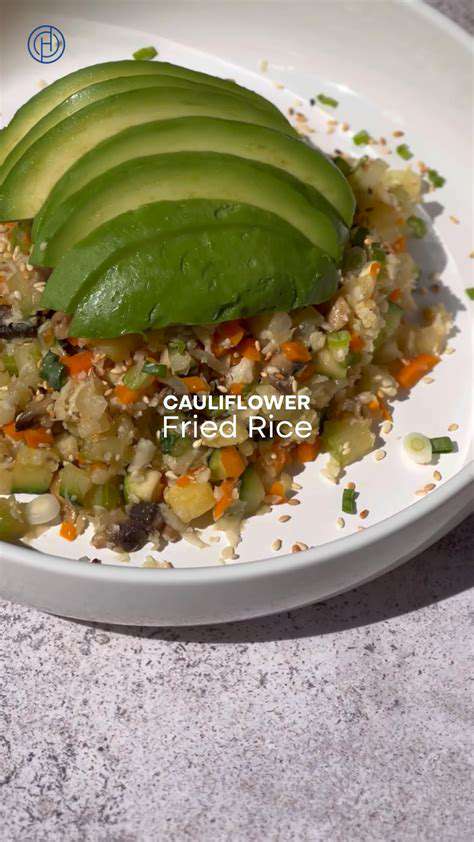
Understanding Cauliflower as a Low-Carb Alternative
One of the primary reasons why cauliflower is celebrated in low-carb diets is its versatility. This vegetable can mimic the texture of rice without the heavy carbohydrate content. By substituting traditional rice with cauliflower, you can significantly reduce your caloric intake while still enjoying a satisfying dish.
Moreover, cauliflower is rich in essential vitamins and minerals, including vitamin C, vitamin K, and folate. These nutrients not only support immune health but also contribute to overall wellness, making cauliflower a smart choice for anyone looking to enhance their diet.
Preparing Cauliflower Fried Rice: A Step-by-Step Guide
To create delicious Cauliflower Fried Rice, start by selecting a fresh head of cauliflower. Remove the leaves and stem, then cut it into smaller florets before pulsing them in a food processor until they achieve a rice-like consistency.
- Heat oil in a pan over medium heat.
- Add chopped onion and garlic, sautéing until fragrant.
- Stir in the cauliflower rice, along with your choice of vegetables, and toss until heated through.
- Season with soy sauce and serve warm.
While this recipe provides a fantastic foundation, feel free to customize with proteins like chicken, shrimp, or tofu for an added nutritional boost. Your creativity in the kitchen can make this dish truly unique.
Nutritional Benefits of Cauliflower Fried Rice
Cauliflower fried rice is not just delicious; it is also a nutritional powerhouse. Substituting cauliflower for traditional rice reduces carbs significantly, making it ideal for keto enthusiasts. A typical serving of cauliflower fried rice can contain less than 5 grams of net carbs, while providing a good amount of fiber, which aids in digestion.
The high fiber content helps keep you full longer, which can be crucial when managing your weight. With only approximately 25 calories per cup, it's a guilt-free option that won't compromise your dietary goals.
Meal Prep and Storage Tips
If you're looking to save time during the week, preparing cauliflower fried rice in advance can be a game-changer. Cooked cauliflower rice can be stored in airtight containers in the fridge for up to four days. This makes it easy to prepare quick, healthy meals on busy weekdays.
When freezing, ensure you spread the cooked rice on a baking sheet to allow for even freezing. Once frozen, transfer it to freezer bags, and you can keep it for up to two months. This allows you to enjoy a nutritious meal at your convenience without sacrificing time or quality.
Incorporating Cauliflower Fried Rice into Your Diet
To truly reap the benefits of cauliflower fried rice, consider it as a side dish or a base for various meals. It can accompany main proteins like grilled chicken or fish, or be turned into a full meal by adding your favorite vegetables.
Experimenting with different seasonings can also enhance the taste profile of your dish. From Asian to Mediterranean flavors, the adaptability of cauliflower fried rice means you can enjoy a variety of tastes while adhering to a low-carb regimen.
4. Coconut Curry Shrimp: A Flavorful Seafood Dish
Ingredients for Coconut Curry Shrimp
To create a delicious Coconut Curry Shrimp dish, start with fresh shrimp, ideally wild-caught for better flavor and nutrition. Approximately one pound of shrimp should suffice for serving four people, ensuring it’s cleaned and deveined. Always try to choose shrimp that displays a slight sheen and a fresh scent, which indicates they are of high quality.
Next, gather the essential aromatic spices that define the curry's taste. Key ingredients include garlic, ginger, and onions, all finely chopped. You will also need a can of full-fat coconut milk, which not only adds creaminess but also reduces the carbohydrate count significantly, making it keto-friendly.
Additionally, consider including bell peppers and spinach for added nutrition and texture. A tablespoon of curry powder is sufficient to provide a robust flavor, but you might want to adjust according to your taste preferences. Finally, you will need some lime juice, fresh cilantro, and a pinch of salt for seasoning.
Cooking Instructions
Begin by heating a tablespoon of olive oil in a large skillet over medium heat. Sauté the onions, garlic, and ginger until they become fragrant and translucent. This process usually takes about 2-3 minutes and lays a flavorful base for the dish. Be careful not to let them burn, as this can alter the overall taste.
Then, add the bell peppers and cook for an additional 3-4 minutes until they soften. Incorporate your curry powder and stir it well to coat the vegetables and release the spices’ essential oils. After that, pour in the coconut milk and allow the mixture to simmer for about 5 minutes. The coconut milk will create a creamy sauce that binds all the flavors together.
Finally, toss in the shrimp and spinach, cooking until the shrimp turn pink and firm—typically around 3-5 minutes. Once cooked, finish with a squeeze of lime juice and sprinkle fresh cilantro on top for an invigorating finish. Serve hot over cauliflower rice or zucchini noodles to keep it low-carb and keto-friendly!
Nutrition Facts and Benefits
This coconut curry shrimp recipe offers several health benefits, particularly for those following a ketogenic diet. A serving typically contains around 300-400 calories, depending on the portion sizes and accompanying ingredients. The healthy fats from coconut milk are beneficial for maintaining energy levels while promoting ketosis.
Nutritionally, shrimp are an excellent source of high-quality protein, which plays a critical role in muscle repair and growth. They also provide essential nutrients like iodine, which is key for thyroid function. Coupled with fiber from vegetables like bell peppers and spinach, this dish not only supports weight loss but also enhances overall health.
Additionally, the spices used in this recipe, particularly turmeric in curry powder, have been shown to possess anti-inflammatory properties. Incorporating such ingredients into your diet can contribute to improved metabolic health and a reduced risk of chronic diseases.
Serving Suggestions and Pairings
To enhance the dining experience of your coconut curry shrimp dish, consider some appealing serving suggestions. A great option is to serve it over a bed of cauliflower rice, which provides a low-carb alternative to traditional rice while offering a comforting texture. You could also offer a side salad with a lemon vinaigrette to balance the richness of the curry.
Additionally, pairing the dish with keto-friendly sides such as avocado slices or steamed broccoli can provide more fiber and healthy fats. If you're looking to impress, why not throw in some roasted cauliflower or asparagus? Each addition not only boosts the nutritional content but also complements the curry’s flavors beautifully.
For a refreshing beverage, an unsweetened iced tea or sparkling water with lime can provide a light contrast to the rich flavors of the curry. If you're entertaining guests, this dish is versatile enough to be served in small bowls for a buffet setup, encouraging guests to savor the Keto experience together!
5. Chia Seed Pudding: A Low-Carb Snack or Dessert
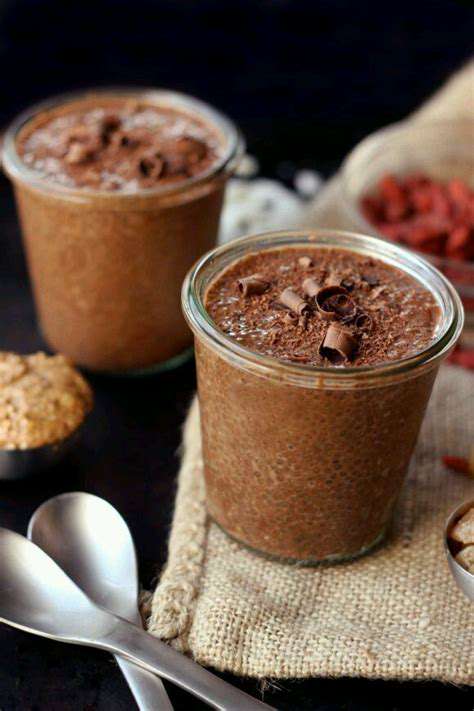
Chia Seeds: Nutritional Breakdown
Chia seeds are tiny black seeds from the plant Salvia hispanica, native to Mexico and Guatemala. These tiny powerhouses are known for their impressive nutrient profile. Each serving of chia seeds provides approximately 137 calories, along with 11 grams of fiber, which significantly contributes to a healthy digestive system.
This superfood is also rich in omega-3 fatty acids. These essential fats are crucial for heart health and cognitive function. Moreover, chia seeds contain a balanced amount of protein, making them an excellent addition to a low-carb diet.
The Perfect Base for Chia Seed Pudding
Chia seed pudding serves as a versatile base for endless flavor combinations. By mixing chia seeds with almond milk or coconut milk, you can create a creamy texture that complements various additions like fruits, nuts, or spices. Consider combining chia seeds with vanilla extract and a touch of sweetener for a delightful taste.
To achieve the best results, let your pudding chill in the refrigerator for at least 4 hours or overnight. This process allows the seeds to absorb the liquid and swell, creating a thick, delightful pudding. Due to its low glycemic index, chia seed pudding is a perfect choice for those following ketogenic diets.
Diverse Flavor Variations
- Chocolate Chia Seed Pudding: Add cocoa powder and sweetener for a decadent treat.
- Berry Bliss: Incorporate berries like strawberries or blueberries for natural sweetness.
- Coconut Dream: Use coconut milk and shredded coconut to enhance flavor.
The beauty of chia seed pudding lies in its adaptability. You can experiment with flavors to suit your palate or nutritional needs. For instance, chocolate chia pudding satisfies sweet cravings while remaining keto-friendly. Similarly, incorporating nuts or seeds can boost the protein content, turning it into a fulfilling meal.
Convenience and Meal Prep
Chia seed pudding is incredibly convenient for meal prep. With just a few ingredients, you can whip up multiple servings in advance, making it an excellent choice for busy lifestyles. Prepare several jars at once and store them in the fridge for grab-and-go breakfasts or snacks throughout the week.
Moreover, because they require no cooking, chia seeds save time in the kitchen. They can quickly be mixed with liquid and set aside, freeing you to focus on other tasks. As a bonus, the texture and flavor will continue to develop as they set, enhancing their appeal.
Health Benefits of Chia Seed Pudding
In addition to being delicious, chia seed pudding offers numerous health benefits. The high fiber content keeps you feeling full, which is especially beneficial for weight management. Fiber tangles up calories and can help reduce overall daily intake, promoting effective weight loss.
Furthermore, chia seeds are known to stabilize blood sugar levels. Regular consumption can reduce the risk of insulin resistance, a crucial consideration for those following a ketogenic diet. Ultimately, incorporating chia seed pudding into your meals can offer both taste and substantial health advantages.
Final Thoughts and Suggestions
As you explore the world of chia seed pudding, remember the key is to have fun with flavors and ingredients. Don’t be afraid to mix and match; find the combinations that work best for your taste buds. Using fresh, organic toppings can enhance not only the flavor but also the nutritional content of your pudding.
Ultimately, chia seed pudding is a fantastic option for anyone looking to eat healthily without sacrificing pleasure. Try it as a snack, dessert, or even breakfast to reap its benefits while enjoying a satisfying treat.
Read more about Healthy Keto Recipes for Quick Weight Loss

![How to Make Healthy Eating a Habit [Tips & Tricks]](/static/images/26/2025-07/SustainingYourMomentum3ALong-TermStrategies.jpg)






Hot Recommendations
-
*How Gratitude Can Help Manage Menopausal Symptoms
-
*The Psychological Impact of a Gratitude Mindset
-
*Keto Friendly Cooking for Beginners: Weight Loss Tips
-
*Dynamic Warm Ups to Prevent Back Pain Before Exercise
-
*Starting a Gratitude Practice with Your Spouse
-
*Teaching Gratitude in Schools: Health Benefits for Students
-
*How Mindful Eating and Gratitude Go Hand in Hand
-
*Why Rest Days are Vital for Increasing Running Endurance
-
*Finding Gratitude in Small Daily Moments
-
*Strategies to Beat Running Fatigue During Long Runs