Gratitude vs. Optimism: Which One Impacts Health More?
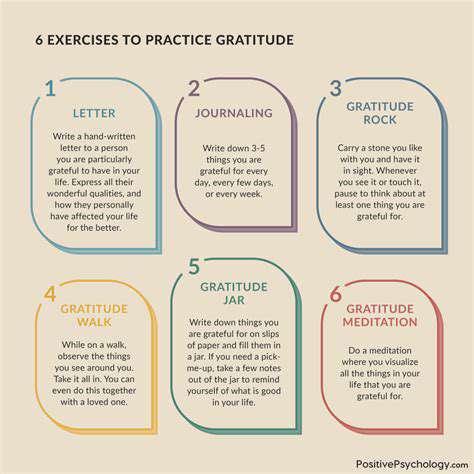
Developing a gratitude practice doesn’t have to be complicated. Simple strategies like maintaining a gratitude jar, where individuals drop notes about things they appreciate weekly, can be effective. This tangible reminder serves as a visual representation of positivity and can cultivate a sense of mindfulness about the good in life. Sharing what one is grateful for during family dinners also encourages a culture of appreciation and strengthens relationships.
Additionally, technology can assist in fostering a gratitude habit. Various apps allow users to track their gratitude journey, send gratitude notes to others, and even participate in community challenges. Finding a method that resonates personally is crucial, as consistency is key in reaping the mental and physical benefits.
Conclusion: Blending Gratitude and Optimism for Better Health
Ultimately, the relationship between gratitude and health is a complex interplay that benefits from understanding both concepts. While gratitude clearly influences health positively, integrating optimistic practices can enhance these benefits. Individuals are encouraged to embrace both attitudes for a more holistic approach to well-being. Emphasizing gratitude in conjunction with optimism could potentially lead to breakthroughs in mental health interventions and overall life satisfaction.
The Power of Optimism
The Psychological Mechanisms Behind Optimism
Optimism Influences Health significantly through its impact on psychological processes such as stress appraisal and coping strategies. Research from the University of Michigan found that optimistic individuals are more likely to engage in active coping behaviors, which effectively reduce perceived stress and promote resilience. This reduction in stress not only supports mental well-being but also mitigates physiological responses linked to chronic diseases.
Experimental studies have shown that optimism correlates with lower levels of the stress hormone cortisol, particularly during prolonged challenges. By maintaining a positive outlook, optimistic people often maintain better immune function and show reduced inflammation markers, both key factors in preventing illnesses like cardiovascular disease. This scientific evidence suggests that optimism’s Protective Role Stems largely from its influence on these biological stress pathways.
Optimism’s Practical Benefits on Physical Health
Data published in the Journal of Behavioral Medicine highlights that optimism is associated with healthier lifestyle choices, including regular physical activity and balanced nutrition. This tendency arises because optimistic individuals anticipate positive outcomes, motivating them to adhere to preventive health behaviors more consistently. Such habits contribute directly to better cardiovascular health and lower rates of chronic conditions.
Moreover, longitudinal studies involving large cohorts, such as the Women’s Health Initiative, reveal that optimism predicts longer lifespan and reduced risk of major illnesses independently of demographic and socioeconomic factors. While optimism alone isn’t a cure-all, integrating it as a psychological resource can enhance the effectiveness of medical interventions and encourage sustained engagement with health-promoting activities.
From my experience, fostering optimism might require deliberate practices like cognitive reframing or journaling positive expectations, which are worthwhile tools for those struggling with pessimism but eager to improve their overall health outcomes.
Comparing the Health Benefits of Gratitude and Optimism

Understanding Gratitude and Its Health Benefits
Gratitude is often described as a sense of appreciation for the positive aspects of life. When individuals practice gratitude, they express thankfulness for what they have, leading to a heightened sense of well-being. Research has shown that individuals who actively engage in Gratitude exercises experience better mental health outcomes. These exercises can be as simple as writing in a gratitude journal or expressing thanks to others.
- Engaging in gratitude practices promotes mental health.
- Gratitude exercises can enhance emotional resilience.
- Practicing gratitude may improve physical health metrics.
Moreover, studies indicate that cultivating gratitude can lead to a host of psychological benefits, including lower levels of depression and anxiety. Those who regularly express gratitude report improved sleep quality, thereby enhancing their overall physical health. This connection emphasizes the importance of integrating gratitude into one’s daily routine.
Exploring the Science of Optimism
Optimism is characterized by a general expectation that good things will happen in the future. This positive mindset is linked to various health benefits, particularly in stress management. According to a 2021 study published in the International Journal of Mental Health, optimistic individuals tend to have lower cortisol levels, which is the hormone associated with stress. This stark contrast in stress responses can significantly impact overall health.
Furthermore, researchers have documented that optimistic individuals often engage in healthier behaviors, such as regular exercise, balanced diets, and routine health screenings. These behaviors contribute to longer lifespans and decreased risks of chronic illnesses, showcasing the profound impact optimism can have on one’s life.
Comparative Analysis: Gratitude Versus Optimism
When comparing gratitude and optimism, both practices demonstrate substantial health benefits, yet they influence our health in different ways. Gratitude tends to enhance emotional resilience and social connections, whereas optimism focuses on fostering a positive outlook and reducing stress. Notably, each practice complements the other, as individuals who express gratitude often cultivate a more optimistic worldview.
In various studies, researchers have found that individuals who practice both gratitude and optimism report significantly improved mental and physical health. For instance, a joint study from the University of California revealed that participants who maintained a combination of both outlooks had 23% lower levels of inflammation markers in their bloodstream.
Practical Steps to Cultivate Gratitude and Optimism
Implementing daily practices to nurture both gratitude and optimism can be beneficial for overall well-being. One effective strategy is to set aside time each day to reflect on positive experiences. For example, jotting down three things you are grateful for in the morning sets a proactive tone for the day. This approach not only enhances mood but also reinforces a positive self-perception.
Additionally, engaging in optimistic self-talk can be a powerful tool. Challenge negative thoughts by replacing them with positive affirmations or constructive feedback. When people focus on their strengths and potential, they become more resilient, leading to enhanced mental health. Supporting this claim, a study from the Mayo Clinic indicated that positive thinking can lead to healthier lifestyles and better coping strategies. Adopting these practices into your routine can yield significant long-term health benefits.
Practical Applications: How to Foster Gratitude and Optimism
Utilizing Mindfulness Practices to Enhance Gratitude
Mindfulness techniques, such as meditation and focused breathing, have been shown to significantly increase feelings of gratitude. Research published in the Journal of Happiness Studies suggests that regular mindfulness practice can help individuals recognize benefits in their daily lives, fostering a more grateful outlook. This process allows individuals to be present, reducing anxiety and promoting a deeper appreciation for mundane experiences.
Engaging in gratitude journaling as part of a mindfulness routine can reinforce these practices. According to a study by the University of California, individuals who maintain a gratitude journal experience improved mental health and greater emotional resilience. Making a habit of writing down three things they are grateful for each day encourages individuals to shift their focus from negative to positive aspects of their lives.
The Role of Gratitude in Building Stronger Relationships
Gratitude acts as a social lubricant, enhancing interpersonal connections. Individuals who express gratitude not only improve their own well-being but also contribute positively to their relationships. Research indicates that gratitude can increase prosocial behavior, leading to stronger bonds within families and friendships. Acknowledging the efforts of others fosters a cycle of kindness and appreciation.
Creating environments where gratitude is regularly expressed can improve workplace dynamics as well. In a study conducted by the Wharton School of Business, teams that practiced gratitude saw a boost in performance and collaboration. Small gestures, such as a simple thank-you note, can have a profound impact on team morale and productivity.
Optimism and Its Link to Physical Health
Optimism has profound implications for physical health, with numerous studies showing that optimistic individuals often experience better health outcomes. A longitudinal study by the Harvard T.H. Chan School of Public Health found that individuals with a positive outlook have lower risks of chronic diseases, including heart disease. This correlation is likely due to optimism influencing health behaviors, such as exercise and dietary choices.
Moreover, optimism can enhance immune function. A study in the journal Psychological Science demonstrated that optimistic people show stronger immune responses after receiving vaccinations. The psychological mechanisms behind this include reduced stress levels and better coping strategies, which ultimately improve overall health resilience.
Practical Steps to Foster Optimism in Daily Life
To cultivate optimism daily, individuals can start by setting realistic and achievable goals. Goal-setting helps direct focus away from potential failures and instead reinforces positive outcomes. Setting small, manageable milestones encourages a sense of accomplishment, which fuels further optimistic thinking. Celebrating these small wins can significantly enhance one’s outlook on life.
Another effective step is surrounding oneself with positive influences. Engaging in uplifting conversations and spending time with optimistic individuals can create an environment conducive to positive thinking. A study highlighted in the American Journal of Community Psychology indicated that social networks can significantly influence one’s degree of optimism, underscoring the importance of choosing the right company.
The Interconnectedness of Gratitude and Optimism
Gratitude and optimism are not standalone traits; they often work in tandem to improve mental and emotional health. Individuals who regularly practice gratitude tend to develop a more optimistic outlook due to the consistent focus on positive experiences. As shown in research from the Greater Good Science Center, promoting one can naturally enhance the other, creating a feedback loop of health benefits.
Incorporating both gratitude and optimism into health interventions could yield powerful outcomes. Programs aimed at improving mental wellbeing could focus on enhancing both traits simultaneously, as doing so may compound their individual effects. This integrated approach can lead to improved resilience against stress and better overall life satisfaction.
Read more about Gratitude vs. Optimism: Which One Impacts Health More?
![Best Books on Mental Health and Well being [Recommended Reads]](/static/images/26/2025-05/CultivatingSelf-CompassionandPositiveSelf-Talk.jpg)


![Best Tips for Reducing Screen Time [For Better Health]](/static/images/26/2025-07/PrioritizeOfflineActivitiesandHobbies.jpg)