Cooking for Heart Health: Low Fat and Low Sodium
Table of contents
Low-fat cooking supports heart health and weight management.
Use grilling and steaming to create low-fat meals.
Low-sodium cooking is vital for heart health.
Replace salt with herbs and spices for flavor.
Incorporating whole foods improves nutrition and energy levels.
Gradually adapt cooking habits for low-fat, low-sodium diets.
Meal planning helps maintain a heart-healthy diet.
Choose healthy fats like avocados and olive oil.
Cook from scratch to control sodium levels.
Include whole grains for sustained energy.
Use steaming to retain nutrients without added fats.
Opt for lean proteins to reduce saturated fat intake.
Grilling and baking encourage reduced fat usage.
Meal prepping allows better ingredient control.
Start your day with heart-healthy breakfast options.
Incorporate quinoa and chickpeas for nutritious lunches.
Understanding the Importance of Low-Fat and Low-Sodium Cooking
1. The Basics of Low-Fat Cooking
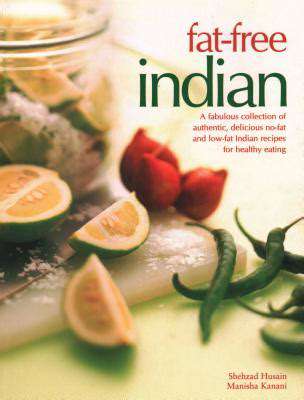
Low-fat cooking involves preparing meals that contain minimal amounts of fat, which can lead to improved heart health and reduced risk of obesity. Research indicates that diets lower in fats can significantly reduce overall calorie intake, contributing to weight management. Essential techniques for achieving low-fat meals include using cooking methods such as grilling, baking, and steaming rather than frying.
Another key element is substituting high-fat ingredients with low-fat alternatives. For instance, using Greek yogurt instead of sour cream or applesauce instead of oil can maintain flavor without added fats. This approach not only promotes a healthier diet but also encourages creativity in the kitchen.
2. Understanding Low-Sodium Cooking
Low-sodium cooking is crucial for maintaining heart health, particularly for individuals with hypertension. The American Heart Association recommends limiting sodium intake to less than 2,300 mg per day. Excessive sodium can lead to high blood pressure, which is a significant risk factor for heart disease. Implementing low-sodium techniques can help manage this condition effectively.
- Use fresh herbs and spices for flavor instead of salt.
- Opt for fresh or frozen vegetables rather than canned, which often contain added sodium.
- Be cautious with processed foods, as they are typically high in sodium content.
By focusing on ingredient labels and preparing meals from scratch, individuals can better control their sodium intake and improve their overall dietary habits.
3. The Health Benefits of Low-Fat and Low-Sodium Meals
Adopting a lifestyle that prioritizes low-fat and low-sodium meals can lead to numerous health benefits. Studies have shown a direct correlation between reduced fat and sodium intake and lowered risks of chronic diseases. For example, heart disease, stroke, and certain cancers have been linked to unhealthy fat and salt consumption. Moreover, maintaining a balanced diet enhances overall nutrition and wellness.
Incorporating more Whole Foods, such as fruits, vegetables, and whole grains, can also enrich your diet with essential vitamins and minerals. These foods not only support heart health but also contribute to better digestion and improved energy levels.
4. Practical Tips for Cooking Low-Fat and Low-Sodium
Transitioning to a low-fat and low-sodium diet can feel overwhelming, but it doesn't have to be. Start by making gradual changes to your cooking habits. For instance, experiment with healthier cooking oils, like olive oil, in moderation, or look for recipes that prioritize herbs and spices. Regularly explore new recipes that fit these dietary guidelines. Meal planning can significantly ease the transition, allowing for more thoughtful grocery shopping.
Furthermore, keep an eye on portion sizes to cut down on fat and sodium without sacrificing satisfaction. This practice can be particularly beneficial during dining out or while entertaining guests.
5. Resources for Low-Fat and Low-Sodium Cooking
There are numerous resources available to help you on this culinary journey. Cookbooks focused on low-fat, low-sodium recipes offer a wealth of ideas and inspiration. Websites and blogs dedicated to heart-healthy cooking are also fantastic for finding community and support. Many health organizations, like the American Heart Association, provide resources, tips, and even meal plans catered specifically to these dietary needs.
In addition, consider consulting a registered dietitian for personalized advice and meal planning that suits your lifestyle. Their expertise can make a significant difference in effectively managing your heart health through diet.
Choosing Heart-Healthy Ingredients
Understanding Healthy Fats
- Incorporate avocados and nuts for essential omega-3 fatty acids.
- Choose olive oil over saturated fats for cooking and dressings.
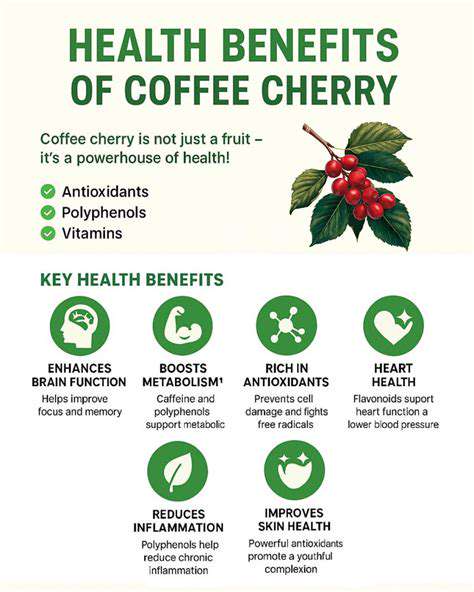
When considering heart-healthy ingredients, it is imperative to understand the role of fats. Not all fats are created equal; some can be beneficial when sourced correctly. For instance, monounsaturated fats, found in foods like avocados and olives, can help lower bad cholesterol levels, thereby reducing heart disease risk.
In addition to avocados, another excellent source of Healthy Fats includes a variety of nuts and seeds. Consuming these can provide not only omega-3 fatty acids but also essential nutrients such as vitamin E and fiber, which play a crucial role in maintaining overall cardiovascular health.
Choosing Low-Sodium Options
Reducing sodium intake is a key factor for heart health. Processed and packaged foods often contain hidden sodium that can exceed daily recommended limits without notice. Opt for fresh fruits, vegetables, and whole grains, which naturally contain low sodium levels. This not only helps in managing blood pressure but also enhances the overall taste of meals.
Cooking from scratch allows for better control over sodium levels. You can enhance the flavor of your dishes with herbs and spices, offering a diverse range of flavors without the need for salt. This approach not only promotes heart health but also contributes to a more fulfilling cooking experience.
Incorporating More Whole Foods
- Choose whole grains like quinoa, brown rice, and oats for better nutrition.
- Incorporate a variety of colorful vegetables into daily meals.
Whole foods are the cornerstone of a heart-healthy diet, providing necessary nutrients without excessive additives. Focusing on whole grains, fruits, and vegetables means you're feeding your body with fiber, antioxidants, and vitamins critical for heart health. Quinoa and brown rice, for example, are excellent sources of whole grains that provide sustained energy without leading to spikes in blood sugar.
A colorful plate is indicative of a varied diet, ensuring that you receive a broad spectrum of nutrients. Try to incorporate a range of vegetables, as each color represents different phytonutrients that can enhance heart health. Not only do they provide taste and texture, but they also serve vital roles in reducing inflammation throughout the body.
Cooking Techniques for Lower Fat and Sodium
Understanding Low-Fat Cooking Oils
Choosing the right cooking oil can significantly impact the fat content in your meals. Opt for oils like olive oil, canola oil, or avocado oil, which are known for their heart-healthy monounsaturated fats. Limiting saturated fats is essential for maintaining heart health, and these oils can provide flavor without overwhelming your dishes.
Research indicates that replacing saturated fats with unsaturated fats can reduce cardiovascular risks. A study published in the American Journal of Clinical Nutrition found that participants who incorporated more unsaturated fats into their diets experienced lower cholesterol levels. So, keep that in mind when deciding what to drizzle in your pan.
Additionally, consider using sprays or measuring out small portions to control the amount of oil in your cooking. This practice can help you enjoy the benefits of healthy fats while still keeping your meals low in overall fat content.
Techniques for Steaming and Blanching
Steaming is an excellent cooking method that preserves nutrients while minimizing the need for added fats. Vegetables such as broccoli, carrots, and green beans can retain their vibrant colors and flavors when steamed. This cooking technique involves using water vapor, making it a healthy choice that allows foods to cook evenly without deprivation of nutrients.
Blanching, on the other hand, involves briefly boiling vegetables and then plunging them into ice water. This process not only sets the color but also enhances the nutrient retention. According to researchers, blanching can reduce vitamin loss in vegetables by maintaining their integrity during cooking.
Flavoring Without Added Sodium
Reducing sodium doesn’t mean sacrificing flavor in your dishes. Fresh herbs and spices are your best allies. Ingredients like basil, cilantro, ginger, and garlic can elevate the taste profile of meals without contributing to sodium levels. A 2020 study in the Journal of the American Dietetic Association emphasized the importance of herbs and spices in promoting culinary variety while adhering to a low-sodium diet.
Additionally, citrus juices, such as lemon or lime, can provide brightness to your dishes, effectively substituting for salt. Experimenting with vinegar, like balsamic or apple cider, can also add depth to your meals without increasing sodium content.
Choosing Lean Protein Sources
When it comes to proteins, lean cuts of meat, poultry without skin, fish, beans, and tofu are excellent choices for a low-fat diet. Studies consistently show that diets rich in lean proteins can support heart health by reducing saturated fat intake while maintaining muscle mass.
Replacing red and processed meats with alternatives like chicken and legumes not only curbs saturated fat consumption but also increases fiber, which is beneficial for heart health. Incorporating beans, lentils, and chickpeas into your meals can provide substantial protein while contributing various vitamins and minerals. Not to mention, they are usually more affordable than meat!
The Benefits of Grilling or Baking
Grilling and baking are two cooking methods that encourage reduced fat usage while still delivering delicious flavors. Grilling lets excess fat drip away from the food, which can be beneficial when cooking meats. This process is especially effective for chicken, fish, and veggies, producing a smoky flavor that can enhance the overall dining experience.
On the flip side, baking requires little to no fat, only using enough to prevent sticking. With proper seasoning, baked dishes can be just as flavorful as their fried counterparts. According to a culinary study, baked chicken seasoned with herbs can be more appealing to many people compared to traditional fried versions.
Meal Prep for Control and Convenience
Meal prepping isn’t just a convenient way to eat healthy; it allows for better control over ingredients, ensuring that you stick to low-fat and low-sodium options. Planning your meals in advance helps you avoid impulse decisions that often lead to unhealthy choices. By setting aside a few hours on the weekend, you can create balanced meals that are ready to grab throughout the week.
Moreover, incorporating portion control into meal prep can ease the stress of dietary tracking. A study from the Journal of Nutrition found that those who engaged in meal prepping were more likely to stick to their dietary goals than those who did not plan their meals. Consider investing in portioned containers to help you stay organized with your healthy intentions.
Heart-Healthy Recipe Ideas
Nutritious Breakfast Options
Starting your day with a Heart-Healthy Breakfast sets a positive tone for your dietary choices. Consider incorporating oatmeal, which is rich in soluble fiber. This fiber helps lower cholesterol levels and studies suggest that those who eat oatmeal regularly tend to experience better heart health.
Another excellent option is a smoothie made with leafy greens, berries, and flaxseed. Spinach and kale are packed with vitamins and antioxidants, while berries are known for their anti-inflammatory properties. Flaxseed adds omega-3 fatty acids, which are essential for cardiovascular health.
Wholesome Lunch Ideas
A great way to maintain heart health during lunch is by including ingredients like quinoa and chickpeas in salads. Quinoa is a complete protein, providing essential amino acids, and has fewer calories than traditional grains. This Nutritious Whole Grain can keep you feeling full longer, making it easier to avoid unhealthy snacks.
Consider a Mediterranean-style wrap filled with vegetables, grilled chicken, and a light tahini sauce. The Mediterranean diet emphasizes heart-healthy fats from olive oil and provides ample servings of vegetables, which are crucial for lowering blood pressure.
For a tasty soup, a lentil-based option packed with tomatoes, carrots, and celery offers a fiber-rich meal high in protein and low in calories. Studies show that diets rich in plant-based proteins, such as lentils, can significantly decrease the risk of heart disease.
Delicious Dinner Recipes
For dinner, try baking salmon with a mix of herbs and lemon. Salmon is an excellent source of high-quality protein and omega-3 fatty acids. Research indicates that omega-3s can improve heart health by reducing blood clotting and lowering triglyceride levels in the bloodstream.
A stir-fry using a variety of colorful vegetables and lean proteins such as tofu or skinless chicken can also be beneficial. Use low-sodium soy sauce and sesame oil for flavor without increasing sodium intake. This dish not only satisfies the palate but also provides crucial vitamins and minerals essential for heart health.
Lastly, consider making a vegetable and bean chili. Beans are low in fat and high in fiber and protein, making them an excellent addition to your diet. This hearty dish can help control blood sugar levels and keep cholesterol in check. Pair it with a green salad and some whole-grain bread for a well-rounded meal.
Read more about Cooking for Heart Health: Low Fat and Low Sodium
![What is the Mediterranean DASH Diet? [Benefits & How To]](/static/images/26/2025-05/MakingtheMediterranean-DASHDietaSustainableLifestyle.jpg)

![How to Make Healthy Eating a Habit [Tips & Tricks]](/static/images/26/2025-07/SustainingYourMomentum3ALong-TermStrategies.jpg)






Hot Recommendations
-
*How to Increase Endurance Through Negative Split Running
-
*Sheet Pan Healthy Meals for Fast Weight Loss
-
*Sciatica Relief: Home Exercises and Lifestyle Adjustments
-
*How Gratitude Can Lower Systemic Inflammation
-
*Tapering for a Race: How to Maintain Speed and Endurance
-
*Mindfulness vs. Gratitude: Integrating Both into Daily Life
-
*Heat vs. Ice for Lower Back Pain: Which is Better?
-
*How to Lift Heavy Objects Safely to Prevent Back Injury
-
*Preparing Healthy Meals with Limited Time
-
*30 Day Healthy Eating Challenge for Weight Loss