Healthy Meal Prepping for a Busy Work Week
Index
Meal prepping saves time and reduces decision fatigue.
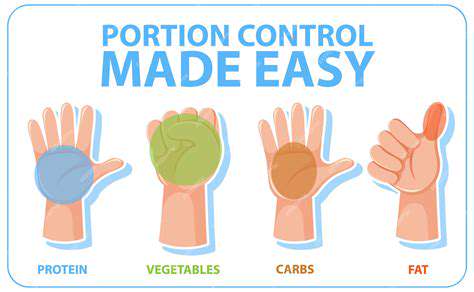
It encourages healthier food choices and portion control.
Meal prep is cost-effective, reducing waste and grocery expenses.
Establish a meal prep routine for effective planning.
Invest in quality containers and essential kitchen tools.
Batch cooking saves time and enhances meal variety.
Flexible recipes allow for easy adaptations and creativity.
Stay organized and maintain hygiene during meal prep.
Efficient techniques streamline your cooking process.
Engage with online communities for meal prep inspiration.
Why Meal Prepping is Essential for a Busy Lifestyle

Saving Time and Reducing Stress
One of the most significant benefits of Meal Prepping is the enormous amount of time it can save during busy weekdays. By dedicating a few hours on the weekend to plan and prepare meals, you eliminate the daily scramble to figure out what to eat. This allows for a smoother start to your day, as you will have all your meals ready to go.
Moreover, knowing what you will eat each day can significantly reduce decision fatigue, which is particularly taxing for those juggling work, family, and social obligations. Studies show that having a structured meal plan helps to minimize stress and increases the likelihood of sticking to healthy eating habits.
Healthier Food Choices
Meal prepping also promotes Healthier Eating Choices, as it allows you to plan nutritious meals ahead of time. With fast food and processed snacks often being the quickest options when you're in a hurry, it's easy to fall into unhealthy eating patterns. However, when you have meals prepared in advance, you are much less likely to reach for those convenient but unhealthy options. You can customize your meals to align with your dietary goals and preferences, ensuring that you are fueling your body correctly.
Research from the Academy of Nutrition and Dietetics indicates that individuals who meal prep tend to consume more fruits and vegetables compared to those who do not. This emphasizes how meal prepping can directly contribute to your overall health and wellness.
Cost-Effectiveness and Waste Reduction
- Meal prepping can lead to significant savings on groceries.
- It helps in reducing waste by utilizing ingredients more efficiently.
- Buying in bulk often reduces costs and helps in meal consistency.
Another underappreciated aspect of meal prepping is its cost-effectiveness. When you prepare meals ahead of time, you tend to plan your grocery shopping accordingly, often leading to bulk purchases of ingredients that can be used across multiple meals. This not only saves money but also reduces the impulsive buying behaviors that can occur when shopping without a plan.
Additionally, meal prepping can help minimize food waste. Instead of letting unused ingredients spoil in the fridge, planning your meals ensures that every purchase counts. Ultimately, this mindful approach to buying and cooking not only benefits your wallet but is also better for the environment.
How to Get Started with Healthy Meal Prepping
Understanding the Basics of Meal Prepping
Meal prepping is fundamentally about planning and preparing meals in advance to save time and ensure healthier eating. The first step is to identify which meals you want to prepare for the week. Many people find it helpful to focus on lunches and dinners since breakfast can often be simpler to manage. By preparing these meals ahead, you can avoid the temptation of unhealthy takeout options.
To start meal prepping effectively, it’s crucial to have a clear schedule. Setting aside a specific time each week, like Sunday afternoon, can create a routine that makes the process more manageable. Research shows that individuals who meal prep regularly are 33% more likely to stick to their dietary goals, reflecting how planning leads to better food choices. It’s not just about convenience; it’s also about consistency for a healthier lifestyle.
Essential Tools and Ingredients for Successful Meal Prep
Investing in a few Essential Tools can streamline your meal prepping experience. A set of quality containers is crucial; opt for BPA-free plastic or glass containers with airtight lids. This helps maintain freshness and ensures you can easily transport meals. Alongside containers, a good knife and cutting board will make food prep faster and safer. It's important to have the right chef's knife because it can drastically reduce your prep time, allowing you to swiftly chop veggies or proteins.
When it comes to ingredients, choose versatile staples that can be used across multiple meals. Items like quinoa, brown rice, and various legumes serve as excellent bases for different dishes. These grains are not only nutritious but also fill you up, reducing cravings throughout the day. Furthermore, stocking up on a variety of seasonal vegetables ensures you have fresh options. Try to incorporate a rainbow of colors to cover your nutritional bases, which can enhance your diet significantly.
Tips for Efficient Meal Preparation
Plan Your Meals Ahead of Time
One of the primary steps in efficient meal preparation is to plan out your meals for the week in advance. This can save you time and reduce the stress of deciding what to cook each day. Use a Meal Planning App or a simple notepad to outline your meals, ensuring you have a balanced diet that includes protein, carbohydrates, and healthy fats. Research suggests that having a structured meal plan can lead to healthier eating choices and can help with portion control.
Moreover, consider integrating seasonal ingredients into your meal plan. Not only do they tend to be fresher and packed with flavor, but they are often more cost-effective, too. If you’re unsure where to start, check what's in season at your local grocery store or farmer's market, and base your meals around those items to maximize freshness and save money.
Finally, don't forget to account for your schedule. If you have busier days coming up, plan for quick, easy meals on those days and save the more complex recipes for times when you have more flexibility. This approach helps you stick to your meal prep and ensures that convenience doesn’t lead you to fast food or unhealthy choices.
Batch Cook Efficiently
Batch cooking is an incredibly effective technique that can streamline your meal prep process significantly. When preparing meals, allocate certain days for batch cooking larger quantities, which can be stored for future use. This practice saves time and reduces the need for daily cooking. For example, boil a large pot of brown rice, roast a tray of assorted vegetables, and grill chicken breasts all in one day, then combine them into various meals throughout the week.
Additionally, utilizing multifunctional kitchen appliances can enhance your batch cooking efficiency. A slow cooker or Instant Pot can help you prepare large portions of soups or stews with minimal effort. Using a food processor can save time by quickly chopping multiple ingredients at once. The right tools not only speed up the cooking process but also help maintain consistency in your meal prep, ensuring you’re always ready for busy weeks ahead.
Moreover, it’s vital to store your meals correctly. Use clear, labeled containers to identify what you have stored and when it was prepared. This practice ensures food safety and helps you utilize ingredients before they spoil, minimizing waste and keeping your meals appealing and nutritious.
Incorporate Flexible Recipes
When meal prepping, having a set of flexible recipes on hand can make a world of difference. These recipes should allow for easy substitutions based on what you have in your pantry or refrigerator. For instance, a versatile stir-fry can be adapted depending on the vegetables, protein, and sauces available. This flexibility not only reduces food waste but also keeps your meals exciting, preventing the monotony of eating the same thing repeatedly.
Furthermore, consider keeping a list of basic staples that you can creatively combine. Items like grains, legumes, canned tomatoes, seasonal veggies, and different spices can be used in myriad ways to create diverse meals. Meal prepping should not be about rigidity but rather embracing creativity to enjoy the cooking process amidst a busy lifestyle.
Stay Organized and Maintain Standards
Staying organized during meal prep can significantly enhance the overall efficiency of your cooking sessions. Designate a specific area in your kitchen for meal prep, keeping all necessary tools and ingredients readily accessible. This simple practice can minimize the time wasted looking for items you need and help maintain a clean cooking space, which is essential while juggling multiple tasks.
In addition, establish meal prep standards that prioritize hygiene and nutrition. Make sure to wash your produce thoroughly, store foods at safe temperatures, and adhere to expiration dates. By maintaining these practices, you ensure that your meals are not only efficient to prepare but also safe to consume, guarding against foodborne illnesses that can arise from poor food handling.
Lastly, regularly evaluate your meal prepping process for areas of improvement. Keep track of what works well and where you might face hurdles. Flexibility in tweaking your approach allows you to adapt to changing tastes, dietary needs, or time constraints, making your meal prep an evolving practice that fits your lifestyle seamlessly.
Quick and Healthy Meal Ideas for Prepping

Planning Your Meals for the Week
To successfully prepare meals for the week, begin by taking a moment to plan. Listing out your meals in advance helps eliminate decision fatigue during the week. Consider utilizing a meal planning app or a simple calendar to keep track of what you’ll be eating each day.
Research suggests that meal planning can reduce food waste by over 50%. This is not only better for the environment but also for your wallet. Taking the time to organize your meals can help you use ingredients efficiently, making sure nothing goes to waste.
- Choose recipes that can be made in bulk.
- Incorporate versatile ingredients across different meals.
- Prepare a shopping list based on your meal plan.
Time-Saving Cooking Techniques
Efficiency in the kitchen often comes down to the techniques you use. Cooking in large batches is a great way to save time— boiling, steaming, or roasting multiple ingredients simultaneously is a smart strategy. For instance, roasting a whole chicken while baking veggies can yield several meals at once.
Moreover, consider investing in a slow cooker or an Instant Pot. These appliances can significantly reduce cooking time and allow for hands-off meal prep. Simply toss in your ingredients, set the timer, and you can go about your day while dinner cooks itself.
Healthy Ingredients for Quick Meals
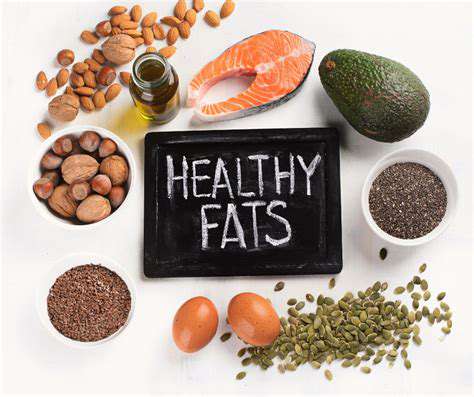
Stocking up on Healthy Ingredients is crucial for effective meal prepping. Opt for protein sources like chicken breast, tofu, or beans that can be cooked in bulk and used across various dishes. Additionally, having a selection of frozen vegetables can be a lifesaver, as they retain nutrients and require minimal prep.
Don’t forget about whole grains! Quinoa, brown rice, and whole grain pastas can be prepared in advance and provide a solid foundation for your meals. Integrating these elements can enhance the nutritional profile of your meals while keeping them quick to prepare.
Quick and Nutritious Recipe Ideas
When time is limited, having quick recipes at hand is invaluable. For example, a simple stir-fry using your choice of protein and plenty of vegetables can be cooked in under 20 minutes. Another option is a salad packed with mixed greens, chickpeas, and a quick vinaigrette—perfect for on-the-go lunches.
You can also prepare overnight oats by combining oats, yogurt, and various toppings like fruits and nuts. This is not only nutritious but also incredibly quick, allowing for a healthy breakfast without the morning rush.
Storing and Reheating Meals Safely
How you store your meals can affect their taste and safety. Use airtight containers made from glass or BPA-free plastic to keep your food fresh during the week. It’s best to divide your meals into single servings to facilitate easy reheating and portion control.
When reheating, ensure you’re following food safety guidelines. Make sure your food reaches the appropriate temperature of at least 165°F to eliminate any harmful bacteria. This is a key step in keeping your meals both safe and delicious.
Adapting to Dietary Preferences
Meal prepping doesn’t have to be one-size-fits-all. Tailor your meals to fit dietary needs, whether you are cooking for vegetarian, vegan, gluten-free, or other requirements. Research different recipes that align with these dietary choices to expand your meal options.
Furthermore, don’t hesitate to experiment with flavor profiles and cooking methods. Personalizing meals ensures greater satisfaction, making you more likely to stick to your meal plan. This helps in maintaining both health goals and personal tastes.
Final Thoughts on Meal Prepping for a Healthy Work Week
Understanding the Benefits of Meal Prepping
Meal prepping offers numerous benefits that can significantly enhance your overall health and productivity. By planning and preparing meals in advance, you save time during busy weekdays and minimize decision fatigue when it comes to meals. Studies have shown that individuals who plan their meals tend to make healthier food choices, leading to better dietary adherence.
Additionally, meal prepping can help you control portion sizes and avoid the temptation of unhealthy convenience foods. Research indicates that home-cooked meals contain fewer calories and more nutritional value compared to takeout or pre-packaged options, making it a win-win for your health.
Essential Strategies for Effective Meal Prep
Developing a successful meal prep routine begins with establishing efficient strategies. Start by creating a meal plan that outlines your meals for the week, considering your nutritional needs and any dietary restrictions. Use apps or spreadsheets to keep track of recipes and shopping lists, ensuring nothing is overlooked.
Choosing recipes that utilize similar ingredients can minimize waste and save time during preparation. Batch cooking staples like grains, proteins, and vegetables is an excellent way to streamline the process. For example, prepare a large batch of quinoa or roasted veggies that can be incorporated into different meals throughout the week.
Key Ingredients to Stock for Meal Prep
When meal prepping, having the right ingredients on hand is crucial. Focus on nutritious and versatile staples such as whole grains, lean proteins, and seasonal vegetables. For proteins, consider options like chicken breast, legumes, and tofu, which can be prepared in various ways to maintain variety in your meals.
Fruits and nuts make excellent snacks and can be added to meals for extra flavor and texture. Including frozen fruits and vegetables is a practical approach to ensure you always have something healthy to incorporate, even on busy days when fresh ingredients might not be available.
Tools and Containers for Meal Prep Success
The tools you use can greatly affect the efficiency of your meal prep routine. Invest in high-quality containers that are leak-proof and freezer-safe for storing your prepared meals. Glass containers are a great option, as they provide durability and are microwave safe, enabling reheating without transferring meals.
Having a set of sharp knives, cutting boards, and kitchen scales will also enhance your preparation speed and accuracy when measuring ingredients. A good meal prep system ensures that everything you need is organized and easy to access, making the entire process smoother and less stressful.
Time Management Techniques for Meal Prepping
Effective time management is key to successful meal prepping, especially for those with busy schedules. Allocating a specific day, such as Sunday, for meal prep can help create a rhythm in your routine. It also allows you to dedicate unhurried time to planning, shopping, and cooking.
Utilizing techniques like multitasking—such as cooking multiple items simultaneously—can significantly reduce overall prep time. For instance, while your chicken is baking in the oven, you can prepare salads and chop vegetables, maximizing efficiency.
Maintaining Variety and Avoiding Meal Prep Fatigue
One of the common pitfalls of meal prepping is falling into a routine where meals become monotonous. To combat this, rotate recipes weekly and explore new cuisines to keep your meals exciting. Incorporate different spices, herbs, and cooking methods to give variation in flavors and textures, ensuring that every meal feels fresh.
Engaging with online meal prep communities or social media platforms can provide inspiration and introduce you to new recipes that align with your preferences. Experimenting with different ingredients can also keep things interesting and encourage you to stick with meal prepping long-term.
Tips for Storing and Reheating Meals Safely
Proper storage and reheating of prepped meals ensure food safety and maintain quality. Always allow cooked food to cool to room temperature before transferring it to containers to prevent bacterial growth. Label each container with the meal name and date so you can keep track of freshness.
When reheating, ensure that meals reach a safe internal temperature of at least 165°F (74°C) to eliminate any foodborne pathogens. A microwave is convenient, but consider using an oven for items like casseroles or baked goods to ensure even heating and maintain texture.
Read more about Healthy Meal Prepping for a Busy Work Week








Hot Recommendations
-
*Why Walking Can Sometimes Be Better for Your Back
-
*Running Tips for Better Breath Control and Speed
-
*How Gratitude Improves Professional Satisfaction
-
*Understanding Degenerative Disc Disease: Management Tips
-
*How to Transition from Walking to Running for Speed
-
*Lower Back Pain: When to Use a Brace vs. Strengthening
-
*Strengthening the Spine for Better Daily Function
-
*How to Build Running Endurance During the Winter
-
*Expressing Gratitude for Your Body’s Capabilities
-
*Gratitude and Recovery: Healing Faster with a Positive Mind