Understanding Degenerative Disc Disease: Management Tips

Understanding the Role of Physical Therapy
Physical therapy is an essential component of managing degenerative disc disease. It focuses on restoring mobility, strength, and function, which are often compromised due to pain and reduced physical activity. A physical therapist will assess the individual's condition and establish a personalized treatment plan that incorporates specific exercises tailored to their needs.
Research indicates that patients who actively engage in physical therapy experience significant reductions in pain and improvements in quality of life. By targeting the affected areas, such as the lower back, these therapies aim to promote healing and strengthen supporting muscles.
- Physical therapy improves mobility and strength.
- Personalized treatment plans are essential for effective recovery.
- Engaging in therapy can lead to a better quality of life.
Exercise Guidelines for Patients
Engaging in a structured exercise regimen can greatly amplify the benefits of physical therapy in managing degenerative disc disease. Patients should consider low-impact activities such as swimming, walking, or cycling to enhance cardiovascular fitness without putting undue stress on their spine. Moreover, strength training exercises focused on core stability can provide support to the spinal structures and reduce pain.
According to the American Physical Therapy Association, incorporating stretching and flexibility exercises is also crucial. These exercises can help alleviate tension in the muscles surrounding the spine, thereby improving overall spinal health.
It’s imperative that patients consult with a healthcare provider before starting any exercise program. Tailoring the exercise regimen to the individual’s specific limitations and pain levels ensures that the patient remains safe and avoids aggravating their condition.
Long-Term Benefits of Consistent Exercise
Investing time in regular exercise has far-reaching benefits that extend beyond immediate relief from symptoms. There is substantial evidence suggesting that Consistent physical activity can help slow the progression.of degenerative disc disease. In fact, a study published in the Journal of Orthopaedic & Sports Physical Therapy found that patients who adhered to an exercise routine reported a notable decrease in pain levels over a 12-month period.
Furthermore, regular exercise can lead to improved mental health outcomes. Engaging in physical activity can elevate mood and enhance a sense of well-being, which is fundamental for those dealing with chronic pain conditions. Social exercise programs, where patients participate in group activities, can also foster community support and motivation.
Important Considerations and Precautions
While exercise and physical therapy are vital components in managing degenerative disc disease, it is essential to recognize potential risks. Patients may inadvertently harm themselves by engaging in inappropriate exercises or overexerting themselves. Therefore, education about proper techniques and awareness of body limits is critical.
Additionally, certain exercises may not be suited for every patient. For instance, activities that involve high-impact or jerky movements can exacerbate pain and cause further injury. Implementing modifications can help individuals find an appropriate balance that fosters recovery while enabling physical activity.
Ultimately, collaborating with healthcare professionals, including physical therapists and rehabilitation specialists, can provide the guidance needed to navigate exercise safely and effectively. Remember, the goal is to enhance daily function and quality of life while managing symptoms effectively.
Pain Management Options: Medication and Alternative Therapies
Understanding Pharmacological Options for Pain Management
Pain Management through medication can vary widely, depending on individual patient needs and the severity of symptoms. Common pharmaceuticals include non-steroidal anti-inflammatory drugs (NSAIDs), which help reduce inflammation and alleviate pain. Research indicates that these medications can be effective for patients with degenerative disc disease when prescribed appropriately. However, long-term use can lead to gastrointestinal issues or other side effects—so monitoring by healthcare professionals is essential.
Opioids may also be prescribed for more severe pain that does not respond to other medications. While they can provide significant relief, the concern about their addictive nature has sparked debates among healthcare providers. Thus, it is crucial for practitioners to consider alternative solutions, including dosage schedules and the possibility of integrating non-opioid treatments, to minimize potential risks while managing pain effectively.
Exploring Alternative Therapies
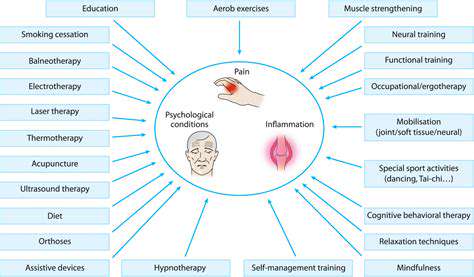
Alongside conventional medications, Alternative Therapies play a vital role in managing pain associated with degenerative disc disease. Physical therapy is often a priority, utilizing targeted exercises to strengthen muscles and improve flexibility, which can alleviate pressure on the spine. A study published in the journal Spine demonstrated that patients who engaged in guided physical therapy experienced a notable reduction in both pain levels and disability over a six-month period.
Acupuncture has also gained traction as a complementary treatment for pain relief. This ancient practice focuses on stimulating specific points on the body, leading to an increase in endorphins, the body's natural painkillers. Some clinical trials suggest that acupuncture can be comparable in effectiveness to medications for certain patients, although responses can vary. It's advisable for patients to seek trained practitioners and discuss this option thoroughly with their healthcare provider.
Integrating Lifestyle Changes for Effective Pain Management
Incorporating lifestyle changes is a cornerstone of comprehensive pain management for degenerative disc disease. Weight management can be crucial; excess weight increases the burden on the spine, exacerbating pain. Engaging in low-impact exercises like swimming or cycling can maintain fitness without straining the back.
Adapting ergonomic practices at work and home also contributes significantly to reducing discomfort. Utilizing chairs with proper lumbar support, or altering the height of your computer screen, can prevent exacerbation of symptoms. Additionally, mindfulness and relaxation techniques such as yoga or meditation can help manage the stress associated with chronic pain, leading to overall emotional and physical well-being, which should not be underestimated.
Ultimately, while medication provides immediate relief, a well-rounded approach incorporating alternative therapies and lifestyle changes can optimize patient outcomes. Consulting with healthcare professionals to tailor a personal management plan would be beneficial in navigating the complexities of degenerative disc disease.
Lifestyle Modifications for Long-Term Management
Maintaining an Active Lifestyle
Engaging in Regular Physical Activity is crucial for managing degenerative disc disease (DDD) and enhancing overall spinal health. Aim for activities that promote flexibility, strength, and aerobic fitness. Research indicates that low-impact exercises such as swimming or cycling are particularly beneficial as they place minimal stress on the spine while still providing a fantastic workout.
Incorporating strength training into your weekly routine can stabilize the muscles that support the spine. This not only helps mitigate the symptoms of DDD but also contributes to improved posture and balance. The American College of Sports Medicine recommends two sessions per week of muscle-strengthening exercises for all major muscle groups.
Nutrition and Its Role in Spine Health
Your diet can significantly influence the health of your discs. Consuming a well-balanced diet rich in anti-inflammatory foods can help in managing symptoms associated with DDD. Foods high in omega-3 fatty acids, such as salmon and walnuts, are known to reduce inflammation. Additionally, incorporating fruits and vegetables will supply essential vitamins and minerals that promote overall bone and joint health.
Moreover, Adequate Hydration is vital for maintaining document integrity and health. Discs are largely made up of water, so drinking enough fluid can assist in keeping them well-hydrated. Aim for at least eight glasses of water daily while adjusting for senior hydration needs. Consistently providing your body with the right nutrients can create a solid foundation for spine health over time.
Ergonomics in Daily Activities
Adopting proper ergonomics at work and home can significantly alleviate discomfort associated with DDD. When sitting for extended periods, choose ergonomic chairs that support the natural curve of your spine. Additionally, your computer screen should be at eye level to prevent strain on your neck and back. Simple adjustments such as using a footrest or positioning a lumbar roll can go a long way in providing comfort.
When lifting objects, always remember to use your legs rather than your back. Keep heavy items close to your body and avoid twisting at the waist. These small yet effective habits can help minimize the risk of exacerbating your condition. Occupational therapists often recommend regular breaks to stand, stretch, and move around during long periods of sitting to maintain spinal health.
Implementing these ergonomic strategies into your daily life will not only enhance your comfort but also improve your productivity levels as well, creating a healthier work-life balance.
Stress Management Techniques
Managing stress is a vital component in the long-term management of degenerative disc disease. Chronic stress may lead to muscle tension, which can exacerbate pain and discomfort associated with DDD. Engaging in stress-reducing practices such as mindfulness, meditation, or yoga can help cultivate a sense of calm while making your spine less susceptible to associated issues.
Research from the American Psychological Association suggests that regular meditation can enhance pain management by altering the brain's perception of pain. Additionally, finding ways to incorporate gentle stretches and relaxation techniques can foster resilience in coping with the physical challenges of DDD.
Notably, seeking support from friends, family, or support groups can significantly decrease feelings of isolation and offer emotional encouragement. Having a robust support network will not only boost your morale but also provide an avenue for sharing insights and tips for managing DDD effectively.
Seeking Professional Guidance and Support
Understanding When to Seek Help
Many patients with degenerative disc disease (DDD) often wonder when it’s time to Seek Professional Help. Persistent pain that interferes with daily activities is a clear signal that medical consultation is necessary. When self-managed treatments—such as over-the-counter pain relievers and gentle exercise—fail to provide relief, specialist guidance can be invaluable in creating a tailored management plan.
Moreover, if symptoms like numbness or weakness begin to develop in your limbs, this may indicate nerve involvement, necessitating urgent medical attention. Staying attuned to your body's signals is essential in managing DDD effectively, and enlisting professional support can lead to improved outcomes.
Types of Healthcare Professionals Involved
Diverse healthcare professionals play a role in managing degenerative disc disease, from primary care physicians to specialists. Start with a general practitioner who can evaluate your symptoms and direct you to the appropriate specialist. Clinics specializing in spinal conditions often employ a multidisciplinary approach, including orthopedic surgeons, rheumatologists, and physical therapists.
Additionally, pain management specialists can provide guidance on non-surgical interventions and advanced pain relief options, which can significantly enhance your quality of life. Each professional brings unique expertise that contributes to a comprehensive management strategy tailored to individual patient needs.
Diagnostics and Assessments
The diagnostic process for degenerative disc disease typically begins with a thorough medical history and physical examination. Doctors may perform specific tests to gauge mobility and assess areas of pain. Imaging studies such as X-rays, MRI, or CT scans are often used to visualize disc degeneration and any associated complications, such as spinal stenosis.
These assessments are crucial for forming a treatment plan. For example, the degree of disc degeneration can greatly impact the choice between conservative management strategies and surgical interventions. Understanding the underlying pathology of your condition allows healthcare providers to utilize evidence-based practices tailored to your specific case.
Regular follow-up assessments are equally important as the disease can progress, shifting the management strategy that was initially adopted. Comprehensive re-evaluations often help in updating treatment plans appropriately.
Treatment Options Available
Effective management of degenerative disc disease often hinges on a combination of treatment modalities. Non-invasive treatments, including physical therapy, are foundational, focusing on core strengthening and flexibility. Patients often report significant symptom relief through guided exercises aimed at enhancing spinal support and reducing pressure on affected discs.
Medications play a role as well—from over-the-counter pain relievers to prescribed anti-inflammatory drugs, there are many options to help manage discomfort. In certain cases, a healthcare provider may suggest greater interventions, like epidural steroid injections, to reduce inflammation.
For patients who do not respond well to conservative therapies, surgical options may be considered. Procedures such as discectomy or spinal fusion are possibilities, and the decision to proceed often weighs on the specific severity and characteristics of the degeneration present.
The Importance of Lifestyle Adjustments
Incorporating lifestyle changes can significantly enhance the management of degenerative disc disease. Achieving and maintaining a healthy weight is crucial since excess body weight can place additional strain on the spine, exacerbating symptoms. Regular, low-impact exercises, like swimming or walking, not only improve physical fitness but also help in managing pain effectively.
Moreover, posture plays a significant role in spinal health. Individuals with DDD should ensure that they maintain proper posture during daily activities, especially when sitting for prolonged periods. Ergonomic modifications in the workplace can also provide relief and prevent further deterioration of the condition.
Engaging in stress-relieving practices such as yoga or mindfulness can also be beneficial, as stress can amplify pain perceptions. Therefore, partnering with healthcare professionals to develop and maintain these lifestyle changes is integral to long-term success in managing degenerative disc disease.
Read more about Understanding Degenerative Disc Disease: Management Tips










Hot Recommendations
-
*The Connection Between Gratitude and Compassion
-
*Healthy Keto Recipes for Quick Weight Loss
-
*Healthy Asian Inspired Recipes for Weight Loss
-
*Improving Agility and Speed with Lateral Drills
-
*Gratitude as a Tool for Behavior Change in Health
-
*Gratitude vs. Optimism: Which One Impacts Health More?
-
*Using Gratitude to Combat Negative Self Talk
-
*Healthy Pizza Alternatives for Weight Loss
-
*Sleeping Positions for Lower Back Pain: What You Need to Know
-
*Healthy Substitutions for Common High Calorie Ingredients