Back Health
Physical Therapy
Fitness
Plank Variations
Exercise
Core Strength
Chronic Back Pain
Health

The Best Core Exercises for Chronic Back Pain

List of Contents

    Chronic back pain persists for over three months, impacting many adults.

    Core strength supports spinal health, reducing back pain risk.

    Targeted exercises like planks and bird-dogs aid chronic back pain relief.

    Start core exercises slowly and maintain consistency for strength building.

    Professional guidance ensures safe execution of exercises for back pain.

    Bird-Dog exercise enhances stability, targeting core and back muscles.

    Bridges help maintain proper posture by strengthening core stability.

    Cat-Cow stretch improves spinal flexibility and promotes safe posture alignment.

Understanding Chronic Back Pain and Core Strength

Defining Chronic Back Pain

Chronic back pain is defined by its persistence, typically lasting for more than three months. Unlike acute pain, which is often a result of an injury, chronic pain can stem from various sources, such as degenerative disc disease, arthritis, or even prolonged poor posture. Understanding the underlying causes is essential for effective management.

Research indicates that over 80% of adults experience back pain at some point in their lives, with 20% developing a chronic condition. This prevalence highlights the importance of addressing back pain not just as a symptom but as a multifaceted health issue. Proper diagnosis through imaging or physical examination can help tailor treatment plans.

The Role of Core Strength in Back Health

A strong core is vital in supporting the spine and reducing the risk of back pain. The core encompasses not just the abdominal muscles but also the muscles around the pelvis and lower back. Enhancing these muscles can lead to better stability, improved posture, and reduced strain on the spine. A study published in the Journal of Physical Therapy Science reveals that patients who engage in core-strengthening exercises experience significant reductions in back pain.

Moreover, having a well-conditioned core helps in distributing loads evenly across the body. Essentially, when the core is weak, other muscles compensate, leading to imbalances that can trigger pain. Integrating core exercises into daily routines can alleviate discomfort and improve overall functionality.

Exercises Beneficial for Chronic Back Pain

Several targeted exercises can significantly benefit individuals suffering from chronic back pain. Exercises such as planks, bridges, and bird-dogs are particularly effective. These movements are designed to engage and strengthen muscles in a controlled manner, minimizing the risk of injury. For instance, a bridge exercise effectively activates both the glutes and the lower back, providing necessary support for proper spinal alignment.

Incorporating flexibility exercises, such as yoga or Pilates, can also help enhance core strength while promoting relaxation and stress relief. Research shows that patients participating in yoga reported a 50% reduction in pain levels and an improvement in functional status compared to traditional physical therapy.

Tips for Integrating Core Exercises into Your Routine

When starting core exercises, it's crucial to begin slowly and gradually increase intensity to avoid exacerbating pain. Aim for short sessions, perhaps 10-15 minutes, focusing on quality over quantity. Incorporating core exercises into a daily routine can gradually build strength and reduce discomfort.

Additionally, maintaining consistency is key. Create a structured schedule, aiming for at least three sessions per week. Diversifying exercises helps keep the routine engaging and promotes comprehensive muscle engagement. If unsure, consider consulting a physical therapist for tailored recommendations.

The Importance of Professional Guidance

Consulting with a healthcare professional when dealing with chronic back pain is advisable. A physical therapist can assess your needs, help you design a tailored exercise program, and ensure that you execute movements safely and effectively. Engaging with a professional provides accountability and guidance as you navigate your recovery journey.

Moreover, individualized feedback from a therapist allows for modifications based on your pain levels and physical capabilities. Research consistently supports the benefits of professional involvement, showing that individuals who receive guided support achieve better long-term outcomes in managing chronic back pain.

1. Plank Variations

1.PlankVariations

1. Standard Plank Technique

The standard plank is an essential exercise that builds core stability. To perform it correctly, begin by lying face down, then lift your body using your forearms and toes, keeping a straight line from head to heels. This position engages your abdominal muscles, glutes, and back, providing a comprehensive workout.

For those with chronic back pain, maintaining proper alignment is critical. Ensure your hips don't sag or lift too high, as this can strain your lower back. Use a mirror or video to check your form if you have access; proper technique is vital for maximizing benefits.

2. Side Plank Benefits

  • Improves lateral core strength
  • Enhances hip stability
  • Offers a different angle for muscle engagement

The side plank is a valuable variation that not only targets the obliques but also helps in improving overall hip stability. Start by lying on your side, supporting your weight on one forearm while stacking your feet on top of each other. This variation can significantly benefit those suffering from Chronic Back Issues. Engaging the obliques decreases the risk of injury and enhances performance in everyday tasks.

Moreover, side planks can be modified to suit various fitness levels. For beginners, dropping the lower knee to the ground can make the exercise more accessible while still delivering core strengthening advantages. Progressing to the full side plank can keep your workout challenging and effective.

3. Plank with Leg Lift

Incorporating a leg lift into your plank routine adds another layer of difficulty while targeting the lower back and glutes. Begin from a standard plank position and raise one leg at a time, squeezing your glutes at the top of the movement. This not only tests your balance and core stability but also activates the glutes, which are crucial for supporting the lower back.

Consistency is key to seeing improvements. Aim to hold the plank with leg lifts for 30 seconds, gradually increasing time as you build strength. It’s advisable to integrate this exercise into your weekly routine while also ensuring you're allowing adequate rest between sessions to avoid overtraining and injury.

2. Bird-Dog Exercise
2.Bird-DogExercise

Understanding the Bird-Dog Exercise Mechanics

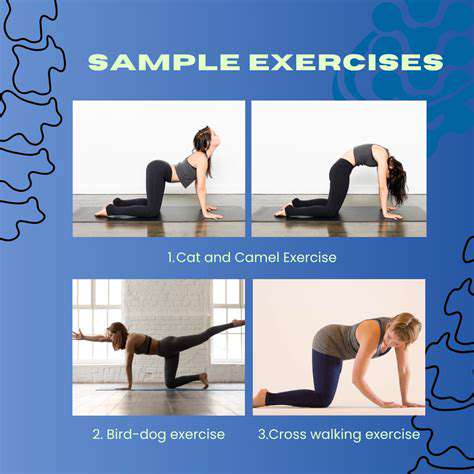
The Bird-Dog exercise is widely recognized for its effectiveness in improving core stability and coordination. It primarily targets the muscles of the abdomen, lower back, and glutes, making it an essential addition to any exercise routine aimed at relieving chronic back pain. By engaging multiple muscle groups simultaneously, the Bird-Dog promotes functional strength.

When performing this exercise, it's crucial to maintain proper form. Start on all fours with your hands directly under your shoulders and knees under your hips. It's easily adaptable for all fitness levels, as beginners can perform the movement without added weight, focusing on core activation. Advanced practitioners can enhance the challenge by introducing resistance bands or ankle weights.

Benefits of Incorporating Bird-Dog into Your Routine

  • Enhances balance and stability
  • Strengthens core and back muscles
  • Improves posture
  • Safe for most fitness levels

Incorporating the Bird-Dog into your exercise routine promotes a stronger foundation for overall movement. This foundational strength is particularly important when dealing with back pain. Research published in the *Journal of Physical Therapy Science* shows that exercises focusing on the core can significantly reduce discomfort and improve overall function.

Moreover, the Bird-Dog can be easily modified to suit your comfort level and specific needs. For instance, if you find the full extension challenging, try holding each position for a few seconds before moving to the next. This approach not only builds strength but also enhances your control over the movement.

3. Bridges

Understanding the Importance of Core Stability

Core Stability is foundational for anyone dealing with chronic back pain. A strong core is not just about aesthetic appeal; it's crucial for maintaining proper posture and alignment. Research indicates that a stable core can significantly reduce the strain on your spine, potentially alleviating discomfort in the lower back.

When the muscles surrounding the abdomen, hips, and lower back are well-conditioned, they support the spine during daily activities. A weak core can lead to compensatory patterns, where other muscles take on extra load, often resulting in further pain and discomfort. Incorporating effective core exercises tailored to your condition can lead to long-term relief and improved functionality.

Specific Exercises for Building Core Strength

Some Effective exercises specifically target the core muscles while minimizing strain on the back. Planks, for instance, build endurance in the entire core region without excessive movement. By holding a straight-arm or forearm plank, you engage multiple muscle groups, promoting stability and support for the spine.

Additionally, exercises like bird-dogs and dead bugs are beneficial for enhancing coordination and balance. They require engagement of both the abdominal and back muscles, helping to create resilience against movements that typically challenge those areas. A recent study found that individuals who incorporated these exercises into their routine reported a reduction in chronic back pain symptoms by nearly 50% over eight weeks.

It is advisable to consult with a physical therapist or healthcare professional for personalized exercise recommendations to ensure you are performing movements safely and effectively. Tailoring your core workout to your specific needs can maximize benefits while safeguarding against injury.

4. Cat-Cow Stretch

Benefits of Including the Cat-Cow Stretch in Your Routine

The Cat-Cow Stretch is a dynamic exercise that promotes spinal flexibility, making it essential for individuals dealing with chronic back pain. By alternating between arching and rounding the back, this movement helps to loosen tight muscles in the torso and back. Research indicates that exercises like the Cat-Cow can enhance range of motion and alleviate discomfort, which is crucial for recovery and maintaining an active lifestyle.

Additionally, this stretch encourages safe posture alignment. Poor posture is a significant contributor to back pain, and incorporating the Cat-Cow stretch can serve as a preventive measure. The focus on neutral spine alignment during this exercise instills awareness of one's body mechanics, which is fundamental for sustaining long-term spinal health.

How to Properly Perform the Cat-Cow Stretch

To execute the Cat-Cow stretch effectively, start on your hands and knees in a tabletop position. Your wrists should be directly under your shoulders while your knees are beneath your hips, ensuring a strong foundation. Inhale deeply as you arch your back, allowing your belly to drop toward the floor; this position is called 'Cow'. Next, exhale while you round your spine towards the ceiling, tucking your chin to your chest—this is the 'Cat' position. It's recommended to repeat this flow for 5 to 10 cycles to reap the full benefits.

Avoid rushing through the movements; slow and controlled transitions are key. This method not only enhances effectiveness but also minimizes the risk of injury. Incorporating mindfulness during stretching further aids in relieving tension, as focusing on your breath can encourage relaxation and awareness of your body. Aim to perform the Cat-Cow stretch a few times a week as part of your core strengthening routine.

Lastly, always consult a healthcare provider or physical therapist before starting a new exercise regimen, especially if you have a history of back injuries or chronic pain issues. Tailoring the stretch to your abilities and limitations ensures safety and maximizes benefits, providing a strong foundation for your recovery journey.

Read more about The Best Core Exercises for Chronic Back Pain

Understanding the Impact of Stress on Specific Conditions
May 16, 2025
Guide to Understanding Your Target Heart Rate
May 20, 2025
Guide to the Importance of Fiber in Your Diet
Jun 01, 2025
Best Nutrition for Boosting Brain Function
Jul 09, 2025
- Child’s Pose: This restorative position stretches the lower back and hips, promoting deep relaxation and improved spinal health. - Seated Forward Bend: This pose targets the entire back and hamstrings, improving flexibility and relieving tension that builds up during extended periods of sitting.- Cat-Cow Stretch: This dynamic movement enhances spinal flexibility and engages core muscles to further combat discomfort. Addressing Lower Back Pain Through StretchingUnderstanding that 80% of people experience lower back pain indicates the need for effective preventative measures. Factors like poor posture and muscular strain from sedentary habits can lead to discomfort. Stretching serves as an essential tool for improving strength, flexibility, and posture while reducing the frequency and intensity of back pain. Practical Implementation TipsTo effectively incorporate stretching into your daily life:1. Set Reminders: Utilize timers to frequently remind yourself to stand up and stretch.2. Use Ergonomic Tools: Consider ergonomic chairs to maintain good posture while seated.3. Get Professional Guidance: Consulting with physical therapists can help tailor stretches to meet your specific needs—especially if you experience persistent pain. Conclusion: Make Stretching a HabitIntegrating a variety of stretches into your daily routine can yield significant benefits for both physical and mental health. By dedicating just a few minutes each day to stretches like Child's Pose, Seated Forward Bend, or Cat-Cow, you can counteract the effects of prolonged sitting, alleviating discomfort and promoting overall well-being.Make stretching a vital part of your life for better health and improved productivity. Start today to experience a more flexible, pain-free lifestyle!
Mar 03, 2026
A Comprehensive GuideDiscover the nutritional wonders of plant-based proteins, perfect for anyone looking to enhance their diet with healthy, sustainable sources of nutrition. This guide delves into five powerhouse categories of plant-based proteins: legumes, quinoa, soy products, nuts and seeds, and plant-based protein powders. 1. Legumes: Nature's Protein PowerhouseLegumes, including beans, lentils, and peas, are rich in protein and fiber, making them a staple for vegans. With about 18 grams of protein per serving, they not only enhance muscle growth but also promote heart health through lower cholesterol levels. Learn to incorporate legumes into your meals with versatile recipes and cooking tips, supporting effective weight loss without sacrificing taste. 2. Quinoa: The Complete Protein GrainDubbed a superfood, quinoa is a complete protein containing all nine essential amino acids. Not only is it a nutrient-dense option rich in minerals like magnesium and iron, but its high fiber content aids in digestion and weight loss. Explore how to prepare quinoa and discover delicious ways to incorporate it into salads, bowls, and more! 3. Tofu and Tempeh: Essential Soy ProductsTofu and tempeh are excellent sources of protein and offer various health benefits. Tofu provides about 8 grams of protein per 100-gram serving and is rich in calcium, while tempeh takes the lead with 19 grams and probiotic benefits. Dive into creative cooking methods and meal-planning ideas to make the most of these versatile soy products. 4. Nuts and Seeds: Nutrient-Dense AdditionsPacked with healthy fats, protein, and essential nutrients, nuts and seeds play a crucial role in a balanced diet. Incorporate varieties like almonds and chia seeds for their health benefits and delicious flavors. This section highlights how to effortlessly add nuts and seeds to your meals for improved satiety and heart health. 5. Plant-Based Protein Powders: Convenient and VersatileFor an easy protein boost, explore the range of plant-based protein powders including pea, brown rice, and hemp proteins. These powders are not just convenient for post-workout recovery; they can also enhance smoothies and baked goods. Understand how to choose the right protein powder that enhances your diet without unnecessary additives. ConclusionWhether you’re vegan, vegetarian, or simply looking to incorporate more plant-based options into your meals, this guide provides essential insights and practical tips. Embrace the benefits of legumes, quinoa, soy, nuts, seeds, and plant-based protein powders to create a delicious and fulfilling diet that supports your health and wellness goals. Start your journey to mindful eating today for a healthier tomorrow!
Mar 04, 2026
Boosting Mental Health Through Altruism Enhance Your Well-Being with Selfless ActsDiscover the profound impact of altruism on mental health and well-being. Altruism, defined as selflessly caring for others, not only uplifts those around us but also promotes psychological wellness in the giver. Engaging in acts of kindness can lead to reduced anxiety and depression, fostering a stronger sense of community and purpose. The Neuroscience of AltruismExplore how altruistic behaviors activate pleasure centers in the brain, releasing essential neurotransmitters like dopamine and oxytocin. These “feel-good” hormones contribute to lower levels of stress and enhanced emotional regulation. Altruism as a Stress Management ToolRedirecting focus from personal challenges to helping others can be a powerful coping strategy. Participating in community service not only builds social networks but also promotes resilience—a key factor in stress management. Building Connection Through Community EngagementBecome an active member of your community and witness the mental health benefits firsthand. Strong social ties cultivate a sense of belonging, reinforce emotional support, and reduce feelings of isolation—key elements for improved mental well-being. Integrating Altruism into Daily LifeIncorporate small, manageable acts of kindness into your routine. Simple gestures like helping a neighbor or volunteering an hour each week can significantly enhance your outlook on life and instill a culture of giving in your environment. Long-term Benefits of AltruismRegular engagement in altruistic acts fosters resilience against mental health challenges. Over time, developing emotional intelligence through giving leads to enriched personal and professional relationships, contributing to overall life satisfaction and well-being. The Physical Health Benefits of Giving BackAltruism extends beyond mental health; it positively influences physical well-being as well. Volunteering often incorporates physical activity, helping to lower chronic disease risks and enhance cardiovascular health. The Role of Social ConnectionsVolunteer work not only promotes community but also strengthens social bonds, which are crucial for emotional resilience. The friendships formed while giving back can lead to lifelong support systems, enriching your life immensely. Develop New Skills and Personal Growth Through AltruismEngage in skill development to enhance both your professional capabilities and personal satisfaction. Continuous learning not only benefits mental health but also fosters resilience. Practical Skill Development IntegrationsIncorporating new skills into your routine doesn’t have to be overwhelming. By dedicating a few hours each week to personal interests, you can achieve significant growth over time. Cultivating a Giving MindsetEngaging in charitable activities can shift your mindset, fostering connection and purpose. Regular volunteering not only brings happiness but also reduces symptoms of stress and enhances mood stability. Making Giving Back a HabitStart with small gestures and gradually expand your contributions. Whether volunteering locally or sharing skills, reinforcing a culture of giving can create lasting impacts on both your life and those around you.---Improve your life today by embracing altruism. Discover how engaging in selfless acts can boost your mental and physical well-being while fostering connections, personal growth, and community resilience.
Mar 08, 2026
tune into your breath, feel the ground under your feet, and recognize the sounds and sights around you. Regular pauses to reflect can deepen your gratitude experience. Making Gratitude Part of Your Daily RoutineIntegrating gratitude walks into your schedule can dramatically boost your well-being. Create a gratitude journal to jot down daily appreciations. Additionally, expressing thanks through conversations or notes can enrich your relationships and foster a community valuing mutual appreciation. Practical Tips for Your Gratitude Walk- Choose the Right Environment: Select peaceful locations like parks or quiet trails, as natural surroundings can enhance mindfulness and gratitude.- Engage Your Senses: Focus on the colors, textures, and sounds around you to create a more immersive experience.- Reflect on Gratitude Themes: As you walk, mentally list what you appreciate—whether it's your health, relationships, or moments of joy. Establishing a Gratitude Walk RoutineStart small by dedicating 15 minutes, three times a week to gratitude walks. Use reminders to maintain consistency and deepen your practice over time. Engaging in walks as part of a community can also amplify the positive effects, allowing for shared experiences of appreciation. Conclusion: Long-Lasting Impacts of Gratitude WalksGratitude walks are not just an exercise; they are a journey toward enhanced well-being. By incorporating gratitude into your physical activities, you can enrich your emotional health and foster a more fulfilling life. Whether you're a casual walker or an exercise enthusiast, the simple act of walking with a grateful heart has the potential to transform your perspective and overall health. Start your journey today and experience the profound impacts of gratitude in movement.
Mar 10, 2026
The Science Behind Gratitude and Well-Being How Gratitude Enhances Mental HealthGratitude is a potent practice that significantly impacts our mental health. By acknowledging the positive aspects of life, individuals can experience increased happiness, better emotional resilience, and reduced symptoms of anxiety and depression. Research shows that regularly expressing gratitude, whether through journaling or verbally, can shift focus from negative experiences to positive ones, thus enhancing overall mental well-being. Scientific Evidence Numerous studies highlight the relationship between gratitude and lower stress levels. For instance, maintaining a gratitude journal has been linked to increased optimism and psychological wellness. This highlights the necessity of integrating gratitude into mental health practices for robust emotional resilience. Building Resilience Through Gratitude Gratitude serves as a critical buffer against life’s challenges. By fostering a sense of thankfulness, individuals cultivate stronger coping mechanisms, enabling them to navigate stress more effectively. As people engage in gratitude practices, they build relationships and community ties, further reinforcing their emotional strength. Practical Ways to Incorporate GratitudeIncorporating gratitude doesn't have to be complex. Simple actions like maintaining a gratitude journal—documenting daily positives—can have profound effects on mental health. Additionally, expressing gratitude to others can strengthen relationships and promote social bonds. Gratitude and Sleep QualityInterestingly, a connection exists between gratitude and improved sleep quality. Individuals who express gratitude experience better sleep, likely due to decreased negative thought patterns. Thus, integrating gratitude into your evening routine can contribute to restorative sleep, enhancing your overall well-being. Broader Societal Benefits When gratitude becomes a community practice, it fosters a positive societal environment. Communities and workplaces that embrace gratitude often exhibit stronger social ties, increased collaboration, and higher employee satisfaction. This collective gratitude culture positively impacts organizational dynamics and community engagement. Overcoming Challenges in Practicing GratitudeWhile gratitude practices are beneficial, challenges remain. Individuals may feel overwhelmed by negativity during tough times. Recognizing that it's okay to feel down while also identifying small moments of gratitude can help shift perspectives. The Link Between Gratitude and Physical Wellness Studies indicate that gratitude not only enhances mental health but also improves physical well-being. Grateful individuals often exhibit healthier lifestyles, engage in regular exercise, and report fewer health complaints. Adopting simple gratitude practices can catalyze a positive shift in health behavior. Creating a Gratitude-Oriented Community Surrounding yourself with a gratitude-valuing community can amplify its benefits. Engaging in group activities, discussions, or gratitude-sharing circles can reinforce positive habits, creating a supportive environment that fosters collective well-being. Conclusion Integrating gratitude into daily routines—through journaling, mindful practices, and community involvement—can significantly enhance both mental and physical health. By developing a consistent gratitude practice, individuals can enjoy lasting emotional resilience, improved relationships, and greater life satisfaction. Embrace gratitude as a powerful tool for well-being today.
Mar 10, 2026
A Pathway to Healthier Living Discover the Power of Mindful EatingMindful eating is more than a diet; it's a transformative practice that fosters awareness of your eating habits. By focusing on the sensations of taste, texture, and aroma, individuals can develop a deeper connection to their food, leading to improved health outcomes. Engaging fully in meals helps recognize true hunger cues and emotional triggers that contribute to unhealthy eating patterns. Research has shown that practicing mindful eating can aid in weight management by promoting satisfaction and reducing binge eating episodes. The Influence of Gratitude on EatingGratitude enhances not only the experience of eating but also promotes a positive mindset. When you express appreciation for your meal, you're likely to enjoy it more, fostering a deeper relationship with food. Studies suggest that gratitude correlates with healthier food choices, leading to improved well-being. Taking a moment before meals to acknowledge the effort behind your food can transform the dining experience into a reflective and fulfilling ritual. Synergizing Mindful Eating and GratitudeMindful eating and gratitude are interconnected practices that elevate our eating experiences. As you practice mindfulness, you naturally cultivate gratitude, which solidifies a healthier relationship with food. This synergy enhances overall health, promoting better digestion, metabolism, and emotional well-being. By incorporating gratitude into your eating habits, you can experience a greater appreciation for your nourishment and a reduced likelihood of emotional eating. Practical Steps to Enhance Your Eating ExperienceTo integrate mindful eating and gratitude into your routine, consider these practical steps:1. Set Distraction-Free Meal Times: Allocate specific times for meals, free from phones and televisions, to focus solely on the act of eating.2. Practice Gratitude: Before your meal, take a moment to express thanks for your food, considering its journey from farm to table.3. Savor Each Bite: Engage fully with your food, allowing time to relish the flavors and textures.By adopting these practices, you can transform eating from a mindless habit into a meaningful ritual that nourishes both body and mind. The Benefits of a Mindful and Grateful Eating RoutineCombining mindful eating with gratitude offers numerous physical and emotional benefits. Research indicates that this approach can lead to:- Enhanced Awareness of Food Choices: Individuals become more critical of their dietary decisions, leading to healthier selections.- Promotion of Positive Eating Habits: A focus on gratitude encourages slower eating, allowing for better digestion and overall enjoyment of meals.- Improved Mental Health Outcomes: Mindfulness and gratitude practices can reduce stress and anxiety, fostering a healthier relationship with food. ConclusionIncorporating mindful eating and gratitude into your daily routine can lead to transformative changes in your relationship with food. By enhancing your awareness, fostering appreciation, and making informed choices, you pave the way for a healthier lifestyle that benefits both body and mind. Embrace these practices today and experience the profound impact they can have on your overall well-being.
Mar 17, 2026
- Leg Swings: Improve hip flexibility and mobility.- Torso Twists: Enhance spinal mobility and prepare the core.- Knee Hugs: Stretch the lower back while improving balance.Integrating these movements into your routine not only increases core temperature but also prepares necessary muscle stabilizers against injury. Timing and Frequency for Maximum BenefitPerform your dynamic warm-up 15 to 30 minutes before your primary workout. This timing allows your heart rate to elevate adequately, activating muscle groups without inducing fatigue. Incorporating these warm-ups into every workout session is especially critical for activities involving significant physical exertion. Conclusion and RecommendationsIn conclusion, dynamic warm-ups are indispensable for anyone looking to enhance their performance while minimizing the risk of injuries, particularly back pain. Tailoring your warm-up routine to match the specific demands of your workout leads to better results and a safer exercise experience. Make dynamic warm-ups a non-negotiable part of your workout regimen. Not only will you improve your athletic performance, but you will also invest in your long-term health and well-being. Commit to this crucial aspect of your fitness journey today, and experience the benefits of a thorough warm-up routine.
Mar 18, 2026
Unlocking the Secrets to a Pain-Free BackDiscover the essential role of core muscles in maintaining spinal health and stability. Core stability involves a unique set of muscles, including the abdominals, obliques, transverse abdominis, multifidus, diaphragm, and pelvic floor. These muscles work in tandem to provide strength and flexibility to your movements while reducing the risk of back pain. Understanding Core MusclesCore stability isn't just a fitness trend; it's a crucial aspect of overall health. Research highlights a significant link between weak core muscles and increased instances of back pain. By strengthening these key muscle groups, individuals can not only alleviate discomfort but also enhance functional capacity in daily life. Targeted Exercises for Pain ReliefIncorporating focused exercises like planks, bridges, and bird-dogs into your routine can dramatically improve core stability. These exercises are designed to stabilize the spine and improve posture, reducing the frequency and severity of back pain episodes. Experts recommend dedicating just 15-30 minutes a day to these activities for long-lasting benefits. Lifelong Commitment to Core StabilityMaintaining core stability is essential for everyone, regardless of fitness level. Strong core muscles support not just athletic endeavors but also everyday activities, promoting better posture and body mechanics. Research shows that individuals with stronger core stability have a reduced risk of experiencing back pain. The Critical Connection Between Weak Core and Back PainA weakened core can lead to misalignments that cause excessive stress on the spine. Symptoms of core weakness can include difficulty balancing, fatigue during routine activities, and poor posture, all of which contribute to chronic pain conditions. The sedentary lifestyles many lead today exacerbate this issue and underscore the need for regular physical activity. Effective Core Strengthening TechniquesTo combat core weakness, incorporate exercises like planks and stability ball workouts into your daily routine. These foundational movements engage your core muscles, promoting strength and increasing endurance. Additionally, practices like Pilates and yoga can enhance flexibility while targeting core stability. Benefits of Core Stability Training1. Improved Posture: Strong core muscles lead to better posture and alignment, minimizing back strain.2. Enhanced Physical Performance: Both athletes and non-athletes experience improved control and stability during activities.3. Reduction in Back Pain: Core stability training significantly alleviates symptoms of chronic pain.4. Increased Balance and Coordination: Enhanced core strength leads to better coordination and movement control.5. Long-Term Health Benefits: Investing in core stability contributes to overall durability against lifestyle-related diseases. Practical Steps for Core EngagementIncorporate core exercises into your daily life without the need for a gym. Simple actions, such as engaging your core while sitting or using a stability ball, can make a meaningful difference. By consistently integrating these practices into your routine, you'll cultivate a strong core, ultimately transforming your health and well-being.---Strengthening your core muscles is more than just a aesthetic endeavor; it’s a foundational aspect of maintaining overall health and wellness. Embrace the journey to stronger core stability and rediscover a pain-free life.
Mar 20, 2026
View Publications>>