Parenting
Health
Movement
Rest
Chronic Pain
Physical Therapy

Lower Back Health for New Parents: Preventing "Baby Back"

List of Contents

  • New parents frequently face lower back pain due to physical strains.

  • Lifting and bending improperly contribute to back discomfort.

  • Sleep deprivation exacerbates sensitivity to lower back pain.

  • Implementing ergonomic practices can minimize physical strain.

  • Exercising strengthens core and back muscles, reducing pain risk.

  • Regular movement and rest are vital for back health.

  • Persistent pain may indicate serious health issues requiring professional help.

Understanding the Causes of Lower Back Pain in New Parents

UnderstandingtheCausesofLowerBackPaininNewParents

Common Physical Strains Leading to Discomfort

After becoming a parent, many find themselves engaged in activities that they may not have done recently, such as lifting and carrying their baby. This sudden increase in Physical Exertion can result in strains on the lower back, especially if proper lifting techniques are not followed. Activities such as bending to pick up toys or leaning over a crib can also contribute to misalignments in the spine.

Research shows that approximately 60% of new parents report experiencing some form of back discomfort within the first year. This statistic highlights the need for awareness around physical health during this transformative period. Incorporating regular stretching and strengthening exercises can be beneficial in mitigating pain. It's essential to focus on core strength and flexibility, which can provide support to the lower back as parents adapt to their new responsibilities.

Impact of Sleep Deprivation on Back Health

Sleep deprivation is a common issue for new parents, and its effects extend beyond fatigue. Lack of sleep can lead to heightened sensitivity to pain and may exacerbate existing discomfort, such as lower back pain. Studies indicate that poor Sleep Quality can significantly affect muscle recovery and overall physical health, which are critical for managing back pain effectively.

To combat these issues, creating a conducive sleep environment and developing a consistent bedtime routine can help improve sleep quality, which in turn can alleviate some of the physical stress experienced throughout the day. It can also be helpful for parents to share nighttime responsibilities, as sleep helps reset the body’s natural recovery processes.

Ergonomics and Lifting Techniques

Understanding Ergonomics in Daily Activities

Ergonomics refers to the science of designing the workplace, products, and systems to fit the user’s needs. For new parents, this means arranging baby gear and household items within easy reach to minimize strain on the back. A poorly designed environment may lead to awkward bending and lifting, increasing the risk of injury. Ergonomic principles can be applied when setting up play areas, changing stations, and even during your daily chores.

Implementing ergonomic solutions not only promotes physical well-being but also facilitates a smoother parenting experience. For example, consider placing frequently used items at waist level to prevent unnecessary bending. Research shows that maintaining a properly organized space can significantly reduce stress on the body while enhancing overall efficiency in handling daily tasks.

Proper Lifting Techniques for New Parents

One of the main factors contributing to back pain among new parents is Improper Lifting Techniques, especially when handling babies. Always remember to bend your knees, keeping your back straight, and lift your child close to your body. This method distributes the weight more evenly and prevents unnecessary strain on your lower back. The National Institute for Occupational Safety and Health (NIOSH) emphasizes proper lifting techniques as critical for reducing injury risk in any setting.

When lifting any object, regardless of its weight, use a wide stance for better stability. Freely shifting your weight from one foot to another can also help relieve pressure as you lift heavier loads or items. In addition, when placing the child down, reverse the technique—bend your knees and keep your back straight. This sequence of movements helps instill lasting habits that promote a healthier back as you juggle parenting responsibilities.

Don’t hesitate to ask for help when lifting anything that feels awkward or heavy. Remember, it’s better to take the necessary precautions than to risk injury, which can impact your ability to care for your child.

Creating an Ergonomically Friendly Environment

An ergonomic environment can significantly enhance your comfort and safety while caring for your newborn. Start by considering furniture placement. Opt for furniture that allows you to maintain a neutral posture while holding or interacting with your baby. For example, rocking chairs with adequate back support can help you maintain comfort during long nursing sessions.

Additionally, using devices designed for ease of use can reduce the effort required in lifting and bending. Baby carriers, for instance, can distribute weight evenly across your body, reducing strain on any single muscle group. Consider adjustable changing tables that allow you to modify the height according to your needs, preventing unnecessary bending.

The Role of Exercise in Back Health

Engaging in regular exercise is essential for maintaining back health and overall physical well-being, especially for new parents. Targeted strength training can enhance the muscles that support the spine and improve flexibility, reducing your risk of injury when lifting or bending. Simple exercises like pelvic tilts, bridges, and core strengthening activities are beneficial for strengthening the back and abdominal muscles.

Integrating short workouts into your daily routine can also have a positive impact on your physical and mental health. Even a brisk 20-minute walk can enhance circulation and alleviate tension in your back. Additionally, consider joining parent-and-baby fitness classes which allow you to bond with your child while also focusing on your physical health. This approach not only builds a support system among other new parents but also encourages commitment to a healthier lifestyle.

Strengthening Your Core and Back Muscles

StrengtheningYourCoreandBackMuscles

Understanding Core and Back Muscle Relationships

Core muscles and back muscles work synergistically to maintain spinal stability and posture. This relationship is essential for new parents as they often engage in repetitive motions like lifting and bending over to care for their infants. A study published in the *Journal of Orthopaedic & Sports Physical Therapy* highlights that strong core muscles can reduce the risk of lower back pain significantly.

Developing core strength not only aids in day-to-day activities but also enhances athletic performance and recreational activities. For parents, this means they can better manage the physical demands of parenting while minimizing the risk for injury. A strong core contributes to an overall balanced physique, which is indispensable when handling the varied physical challenges encountered during parenting.

  • Core and back muscles work together for spinal stability.
  • Strengthening these muscles can decrease lower back pain risk.
  • Balanced strength aids in everyday parenting activities.

Effective Exercises for Strengthening the Core and Back

There are numerous exercises specifically designed to fortify core and back muscles, making them particularly suitable for new parents. Low-impact movements such as planks, bridges, and modified sit-ups can be incorporated gradually into a daily routine. Targeting both the core and back will not only help in physical recovery post-pregnancy but also build a resilient foundation for baby-related tasks.

Moreover, practicing proper lifting techniques is paramount. For instance, bending at the knees while keeping the back straight prevents undue strain and promotes a healthier posture. Engaging in these exercises just a few times a week can lead to substantial improvements in strength and endurance, which are crucial for the ongoing demands of parenthood.

Lastly, incorporating yoga or pilates into your weekly schedule can enhance flexibility and core stability. Activities like these not only help in building strength but also foster relaxation and stress relief, which is beneficial for new parents navigating through their parenting journey.

Establishing a Routine for Movement and Rest

Understanding the Importance of Movement

Incorporating regular movement into your daily routine is crucial for maintaining Lower Back Health. Research suggests that even short bouts of activity can help reduce the risk of back pain. For example, a study published in the journal Spine found that individuals who engaged in light, regular physical activity reported significantly lower levels of discomfort.

New parents often find themselves in a cycle of lifting, bending, and holding their babies, which can create strain on the lower back. Therefore, understanding how movement affects spinal alignment and muscle engagement is essential in preventing injuries. Simple exercises like walking can promote better circulation and flexibility, preventing stiffness.

In practice, this means incorporating movement into your day, like walking during diaper changes or playtime on the floor. Aim for at least 30 minutes of moderate activity per day, breaking it up into smaller segments if needed. Consistency is key.

Setting Scheduled Movement Breaks

Establishing scheduled movement breaks during your day can help intersperse periods of rest with activity. Experts recommend using tools like timers or mobile apps to remind you to get up and move every 30 to 60 minutes. This could involve standing, stretching, or walking around the room.

These short breaks can offset the commonly adopted static postures many new parents assume while feeding or holding their infants. As suggested by the American Chiropractic Association, it’s beneficial to incorporate stretches targeting the hip flexors, back extensors, and shoulder muscles, as these areas often become tense.

Incorporating Rest into Your Routine

While movement is essential for lower back health, equally important is the ability to rest properly. Research indicates that restorative practices not only combat muscle fatigue, but they also promote mental well-being. For new parents, this might mean ensuring that you have designated downtime, where you can lie down and allow your body to recover.

Try incorporating rest periods into your daily schedule. This could mean setting boundaries around the time spent holding or carrying your baby. By ensuring you have moments throughout the day where you can stretch out, your muscles will benefit, leading to improved overall back health.

Practicing Mindful Lifting Techniques

When handling your baby, utilizing sound lifting techniques can minimize lower back strain. Prioritize bending at the hips and knees, keeping your back straight as you lower yourself closer to the child rather than stooping over. The Mayo Clinic emphasizes the importance of using your core muscles and legs to assist with lifting, which helps protect the spine.

Moreover, consider using baby carriers that distribute weight evenly across your torso. An ergonomic carrier allows for mobility while keeping the lower back engaged. Additionally, practice transitioning from standing to sitting smoothly, focusing on your posture to keep pressure off your back.

Engaging in Core Strengthening Exercises

Developing a strong core will provide the necessary support for your lower back. Exercises such as planks, bridges, and pelvic tilts are beneficial and can be done at home, even with the baby nearby. The Journal of Orthopedic & Sports Physical Therapy noted a direct correlation between core strength and a reduced incidence of lower back pain.

Incorporate exercises into your routine tailored to your fitness level. Even postnatal yoga can help engage your core while also providing relaxation and stress relief. Consider seeking guidance from a fitness professional with expertise in postnatal recovery to ensure you perform movements safely and effectively.

Listening to Your Body's Signals

As you integrate movement and rest into your routine, it’s crucial to be attuned to your body’s signals. Pay close attention to any discomfort or Persistent Pain, as these may indicate the need to reassess your movements and rest strategy. The National Institute of Neurological Disorders and Stroke advises that nagging pain should not be ignored, and modifications may be necessary.

Keep a log of activities and how they affect your back health. This can help track patterns and identify triggers for pain. Your observations can empower you to make better choices, whether that’s adjusting your lifting technique or taking a more frequent break.

When to Seek Professional Help

Recognizing Persistent Pain and Symptoms

New parents often experience discomfort due to the physical strains of lifting and carrying their babies. However, if your lower back pain persists for more than a few weeks despite home care treatments, it may signal a more serious underlying issue. Research suggests that chronic pain affecting daily activities calls for professional evaluation. Persistent symptoms can hinder your ability to care for your little one and might require intervention from a healthcare provider.

Additionally, keep an eye out for symptoms that extend beyond localized pain. If you experience numbness in your legs, issues with bladder or bowel control, or sharp pain radiating down your legs, these could indicate nerve involvement. Studies highlight that early intervention for nerve-related issues can lead to better outcomes. Thus, it is crucial to seek help if these symptoms arise, as they may affect your mobility and overall quality of life.

Consulting Healthcare Providers for Specialized Care

When networking for healthcare, consider visiting specialists such as physical therapists or chiropractors focused on postnatal care. This is where targeted assessments of your spine and posture can be invaluable, considering how carrying a baby alters alignment and can strain ligaments and muscles. A tailored exercise plan can strengthen your core, thereby reducing the potential for ongoing back issues.

Additionally, you may benefit from preventative strategies emphasized by healthcare professionals. Engaging in regular stretching or core strengthening can help mitigate recurring issues. Don't shy away from asking for this guidance—many practitioners stress the value of early intervention in preventing chronic pain syndromes related to child-rearing activities.

If you're unsure who to consult, starting with your primary care physician can help you navigate the options available. They'll assess your condition and refer you to specialists as needed, which can streamline the process of getting the help you need. Remember, prioritizing your back health is an essential part of being a capable parent.

Read more about Lower Back Health for New Parents: Preventing "Baby Back"
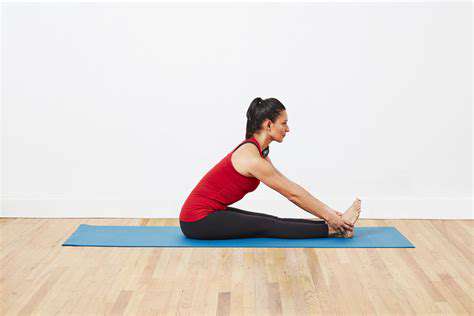
Child’s Pose, Cat-Cow Stretch, Seated Forward Bend, Hamstring Stretch, and Piriformis Stretch. 1. Child’s Pose: A Restorative StretchChild's Pose (Balasana) is a gentle yet powerful yoga position that can alleviate lower back discomfort. By stretching the spine and promoting relaxation, this pose encourages better blood circulation and engagement of the parasympathetic nervous system, reducing stress and anxiety. Proper technique involves kneeling with toes together and bending forward, allowing deep and slow breaths to enhance the stretch. Avoid common mistakes such as arching your back and forcing the position; instead, use props for support. 2. Cat-Cow Stretch: Enhancing FlexibilityThe Cat-Cow stretch is beneficial for enhancing spinal flexibility and mobility. This dynamic stretch involves transitioning between spinal flexion (Cat pose) and extension (Cow pose) to promote healthy spine alignment and alleviate discomfort. Regular practice of this sequence can counteract the negative effects of prolonged sitting and improve core stability. Focus on synchronizing your breath with your movements to maximize relaxation and effectiveness. 3. Seated Forward Bend: A Deep StretchEngaging the spine and hamstrings, the Seated Forward Bend is a fantastic way to improve flexibility and posture while alleviating lower back pain. While seated, extend your legs and hinge forward at the hips to reach towards your toes. Holding this pose for 30 seconds to a minute can significantly help in releasing tension. For those with existing back issues, modifications such as bending the knees are recommended for a safer experience. 4. Hamstring Stretch: Targeting Key MusclesTight hamstrings can contribute to lower back pain by affecting pelvic alignment. To combat this, incorporate hamstring stretches into your regimen—both seated and standing variations are effective. Aim to stretch at least three to four times a week to enhance flexibility and promote recovery. Engaging in proper hamstring stretching can lead to noticeable pain relief and improved mobility, making it an essential component of your back health plan. 5. Piriformis Stretch: Releasing Hip TensionThe piriformis muscle plays a crucial role in hip rotation and stability. Tightness in this muscle can lead to lower back pain and sciatic discomfort. Incorporating specific piriformis stretches into your routine can alleviate this tension and promote hip health. Whether seated or lying down, ensure gentle tension while holding each stretch for at least 30 seconds. Frequent practice, combined with strength training exercises, can lead to comprehensive benefits for lower back relief. ConclusionIn summary, integrating these five stretches into your daily routine can significantly improve lower back health, flexibility, and overall well-being. Remember, consistency is vital, and always listen to your body to avoid injury. Whether you're working at a desk or engaging in physical activity, taking a few moments for these stretching exercises can alleviate discomfort and promote a healthier spine.
Apr 20, 2025
Guide to Managing Fibromyalgia Pain
Apr 29, 2025
Understanding the Impact of Stress on Specific Conditions
May 16, 2025
Guide to Managing Eczema and Skin Conditions
May 22, 2025
Best Exercises for Seniors to Stay Active and Independent
Jun 03, 2025
Best Habits for Better Posture
Jul 15, 2025
Understanding Stress Hormones and the Power of GratitudeStress hormones, primarily cortisol, play a critical role in how our body responds to stress. Elevated cortisol levels can lead to serious health issues, such as weight gain, hypertension, and weakened immunity, highlighting the importance of managing stress effectively. While cortisol assists in regulating metabolism and blood sugar levels, understanding its balance is vital for maintaining overall well-being. Recent research suggests a promising connection between gratitude practices and reduced cortisol levels. Engaging in gratitude can significantly mitigate the effects of stress, with studies showing that individuals who express appreciation regularly experience lower stress hormone concentrations. Simple acts, such as maintaining a gratitude journal or verbalizing thanks to others, not only boost mood but also provide a buffer against the adverse effects of stress. By shifting focus away from daily stressors, gratitude can profoundly influence both mental and physical health.In addition to cortisol, other stress hormones, such as adrenaline and norepinephrine, are activated during stressful situations to prepare the body for rapid responses. Understanding these hormones sheds light on our physical health and opens pathways for lifestyle changes that promote stress reduction. To effectively lower stress hormones, practices like regular physical activity, mindfulness meditation, and active gratitude expression have proven beneficial. Engaging in these activities can lead to lower cortisol levels, improve mood, and foster resilience against daily stress.Adopting a gratitude-focused lifestyle is an excellent strategy for managing stress. Research indicates that gratitude not only enhances emotional well-being but also leads to physiological improvements, including better sleep and a strengthened immune system. Maintaining a gratitude journal and participating in gratitude exercises can help individuals cultivate a positive environment and reinforce supportive social connections.The interplay between gratitude and stress hormones illustrates how mental and physical health are intertwined. Fostering a mindset of appreciation can serve as a practical approach to lower cortisol levels and enhance overall quality of life. By incorporating gratitude into daily routines, one can create a self-reinforcing cycle of positivity and resilience, ultimately contributing to a healthier and more fulfilling life.Explore the science behind stress hormones, their impact on health, and learn effective strategies for stress management through gratitude practices. Start transforming your life by embracing thankfulness today!
Feb 27, 2026
The Importance of Hydration for Spinal and Muscle Healthmeta-description: Discover the vital role hydration plays in maintaining spinal health and muscle function. Learn about the signs of dehydration, its effects on back pain, and practical tips for optimal hydration.--- The Role of Hydration in Spinal HealthProper hydration is essential for your overall health, particularly when it comes to spinal and muscle function. The gel-like substance within intervertebral discs absorbs water, allowing them to cushion your spine during movement. However, dehydration can lead to problems, as losing this vital moisture may cause disc degeneration and increased back pain over time. Understanding Hydration's ImpactWhen tissues are well-hydrated, they maintain their elasticity and flexibility, which supports a full range of motion. Research shows that even slight dehydration can negatively affect your body's function, potentially leading to injury. As you age, your spinal discs lose hydration naturally; however, inadequate water intake can speed up this process. Signs of Dehydration and Their Connection to Back PainIt's crucial to recognize the signs of dehydration, which include dry mouth, fatigue, reduced urine output, and headaches. A lack of hydration doesn't just make you feel thirsty; it can also exacerbate chronic back pain. Pay attention to your water intake, especially if you experience ongoing discomfort, as adequate hydration can be a simple yet effective strategy for pain relief. Benefits of Staying HydratedThe benefits of proper hydration extend beyond just pain management. Adequate water intake improves the transportation of nutrients to your spinal structures and helps prevent muscle cramps and strains. Staying hydrated supports overall metabolic function, leading to better tissue health and improved physical performance. Practical Tips for HydrationTo ensure you maintain proper hydration, consider carrying a reusable water bottle and setting reminders on your phone. Incorporate hydration-rich foods like cucumbers, oranges, and watermelon into your diet. Develop routines, such as drinking water before meals, to reinforce good habits. Individual Hydration NeedsRemember that hydration needs vary based on factors such as age, weight, and activity level. Athletes or individuals engaging in intense workouts will require more fluids. Consulting healthcare professionals can help you determine your specific hydration requirements. The Bigger Picture: Overall WellbeingHydration is linked to more than just spinal health; it affects cognitive function and mood. Taking steps to increase your water intake can improve your quality of life and physical performance. Prioritizing hydration not only helps manage back pain but also enhances overall well-being.---Incorporate these principles into your daily routine to improve your hydration levels and subsequently protect your spine and muscles. By understanding hydration's role in your health, you can take proactive measures to foster a stronger and more resilient body.
Mar 01, 2026
A Comprehensive GuideRunning injuries are a common setback for both novice and experienced runners. Understanding how to recognize, treat, and prevent these injuries can make a significant difference in your running journey. This guide explores common running injuries, symptoms to watch for, recovery strategies, and preventive measures to keep you on track. Understanding Common Running InjuriesRunning injuries typically fall into two categories: acute and chronic. Acute injuries, like sprains and fractures, occur suddenly, often due to a specific incident. In contrast, chronic injuries, such as runner's knee and Achilles tendinitis, develop gradually due to repetitive stress. Recognizing these categories helps you identify issues early, preventing long-term consequences. Symptoms to Watch ForBeing vigilant about the signs of injury is essential. Pain that worsens during a run, swelling in the affected area, or decreased range of motion are critical indicators of injury. Ignoring persistent pain can lead to more serious issues, making it important to assess discomfort before it escalates. The Importance of Rest and RecoveryRest is a vital part of injury management. Although you might be tempted to push through discomfort, engaging in active recovery and incorporating rest days into your training can promote healing and prevent further injuries. Studies suggest that many successful runners prioritize recovery in their training regimens. When to Seek Professional HelpIf symptoms continue even after taking a break, consulting a professional is crucial. A sports physician or physical therapist can provide tailored assessments and recommend corrective measures. They may also perform gait analysis to help understand how your running style contributes to injuries. Prevention StrategiesPrevention is often the best treatment. Incorporating strength training into your regimen, investing in quality footwear, and gradually increasing your mileage can significantly reduce the risk of injury. Monitoring your body’s signals and adapting your training can help you be proactive rather than reactive. Guidelines for Returning to RunningAssessing your injury recovery status before resuming running is imperative. A structured return plan that involves low-impact activities and gradual progression will aid recovery. Listening to your body and being flexible with your running plans can help you avoid reinjury. The Role of Mental Health in RecoveryRest isn’t just physical; the psychological benefits of taking breaks are equally important. Engaging in alternative activities and embracing downtime can reenergize your mental focus and motivation when you return to running. Conclusion: A Balanced ApproachRecognizing and addressing running injuries involves understanding the signs, valuing rest, and adopting preventive strategies. By consulting professionals for tailored advice and fostering a balanced training routine, you can enjoy a more fulfilling and injury-free running experience. Always remember: knowledge and preparation are your best allies in staying healthy on the run.---This web page aims to empower runners with the knowledge to prevent and manage injuries effectively. By focusing on symptoms, recovery strategies, and prevention techniques, we hope to enhance your running journey while keeping you safe.
Mar 05, 2026
Understanding Lower Back Changes and Effective Management StrategiesAs we age, our bodies undergo various changes, particularly in the lower back, which can lead to discomfort and mobility issues. This comprehensive guide explains the common changes in the lower back due to aging, including structural transformations, muscle and ligament weakness, the impact of osteoarthritis, and its effects on nerve function. Common Changes in the Lower Back Due to Aging Structural Changes in the SpineAge-related changes in the spine include vertebral compression and density loss, leading to height reduction and alignment issues. By age 60, significant alterations in disc health and spinal positioning may occur. Disc degeneration commonly begins as early as the third decade of life, increasing the risk for conditions like spondylosis and herniated discs. Muscle and Ligament WeaknessAging often leads to sarcopenia, a decline in muscle mass that significantly impacts lower back support. Weakened muscles contribute to poor posture and increased back pain, making regular strength training crucial. Ligamental stiffness can further limit flexibility and exacerbate chronic pain, underscoring the value of physical therapy and tailored stretching exercises. Osteoarthritis and Disc DegenerationOsteoarthritis frequently affects the lower back, stemming from cartilage wear and resulting in inflammation and pain. Around 85% of individuals experience some form of disc degeneration by age 70, often associated with chronic pain linked to osteoarthritis. Healthy lifestyle choices, including weight management and low-impact activities, can mitigate these effects. Impact on Nerve FunctionSpinal stenosis, characterized by spinal canal narrowing, can cause nerve compression resulting in pain, numbness, and mobility issues. This degeneration also affects nerve endings, impairing their signal transmission and complicating muscle control. Engaging in balance-improving exercises like tai chi or yoga can enhance muscular control and reduce fall risks. Strategies for Pain Management and PreventionManaging lower back pain involves a blend of physical activity, ergonomic adjustments, and, where necessary, medical interventions. Regular low-impact exercises—such as swimming or walking—enhance spinal health, strength, and flexibility. Ergonomic home modifications and professional assessments can reduce strain and improve posture. Recognizing Symptoms and Lifestyle ImpactsCommon symptoms of lower back issues include persistent pain, stiffness, and radiating discomfort. Sedentary lifestyles contribute significantly to back pain, highlighting the need for regular movement and an ergonomic workspace setup. When to Seek Medical AdviceIt's vital to listen to your body and recognize when professional care is needed. Signs such as persistent pain over several weeks, numbness in the legs, or sudden changes in bowel and bladder control warrant immediate medical attention for potential underlying conditions. Preventive Measures for Long-Term HealthPreventive practices include regular physical activity, proper lifting techniques, and effective stress management strategies. Simple adjustments in daily routines can have a significant impact on maintaining lower back health as we age.By understanding these age-related changes and implementing effective management strategies, individuals can significantly enhance their quality of life and reduce discomfort associated with lower back issues. Through proactive engagement in physical activities and awareness of symptoms, it's possible to ensure that aging does not hinder mobility or well-being.
Mar 14, 2026
Focus on whole foods, including fruits, vegetables, lean proteins, and whole grains.2. Regular Exercise: Engage in activities like swimming, walking, or cycling that are gentle yet effective in building core muscle strength.3. Professional Guidance: Consult with nutritionists or fitness trainers for tailored recommendations and enhanced accountability.Combining dietary changes with regular physical activity fosters sustainable weight loss, which directly impacts back health. The Role of Physical TherapyPhysical therapy can be pivotal in weight loss and managing back pain. Physical therapists create customized exercise plans that not only assist with weight reduction but also strengthen core muscles essential for spine support. Evidence suggests that individuals who take part in physical therapy may achieve better outcomes in weight loss and pain relief than those who do not. Long-Term Implications of Weight LossMaintaining a healthy weight can decrease the likelihood of recurring back pain and related issues such as sciatica and herniated discs. Many patients report needing fewer medications and experiencing improved functionality after weight loss. Long-term success requires making lifestyle changes instead of temporary diets. Additional Health BenefitsWeight management improves not just back health but overall health. Losing excess weight reduces the risk of conditions like diabetes and heart disease while enhancing energy levels and mental well-being. Seeking Professional GuidanceConsulting healthcare professionals, such as physicians and registered dietitians, ensures your weight-loss journey is safe and effective. Regular assessments and guided support can help tailor your approach, track progress, and make necessary adjustments to your plan.Conclusion: Understanding the connection between weight and back pain is key to managing and alleviating discomfort. By adopting effective weight management strategies and seeking professional guidance, individuals can significantly improve their back health and overall well-being.
Mar 17, 2026
Includes heating pads and electric blankets, convenient for home use.2. Moist Heat: Such as hot compresses and heated towels, which penetrate deeper tissues.3. Hydrotherapy: Immersion in warm water aids in pain relief and mobility. Limitations of Heat TherapyHeat is not always suitable, especially in acute injury cases where swelling is present. Using ice immediately after an injury is advisable to reduce inflammation. Always consult a healthcare professional before starting any therapy, especially if you have underlying medical conditions. Understanding Cold TherapyCold therapy, or cryotherapy, involves ice application to reduce inflammation and numb pain. It’s particularly effective in the first 48 hours post-injury as it constricts blood vessels and decreases swelling. Studies show that athletes using cold therapy post-injury experience faster recovery. When to Apply Cold TherapyCold therapy should be used immediately after injury to manage inflammation. If pain persists beyond 48 hours, consult a healthcare professional to assess treatment efficacy. How to Use Cold Therapy EffectivelyApply ice packs wrapped in a towel for 15-20 minutes, allowing breaks between applications to prevent frostbite. Monitoring symptoms is essential; if there’s no improvement, consider alternative therapies. The Heat vs. Ice DebateHeat therapy is great for chronic pain, enhancing blood flow and muscle relaxation. Ice therapy is best for acute injuries due to its anti-inflammatory effects. Often, a combination of both therapies can yield the best results. Combining Therapies for Optimal ResultsBy alternating between heat and ice, individuals can maximize healing and comfort. Start with ice immediately post-injury, then switch to heat after inflammation subsides. Consultation and AdjustmentsConsulting a healthcare professional is crucial for personalized pain management strategies. Regular reviews enable adjustments based on your progress and response to treatment. Keeping a pain diary can help track which methods are most effective. ConclusionBoth heat and ice therapies have unique benefits for managing lower back pain. Understanding their usage, limitations, and how to combine them can lead to a more effective pain management plan. Always consult professionals to tailor a regimen suited to your specific needs, promoting a better quality of life.
Mar 22, 2026
View Publications>>