Physical Therapy Exercises for Lower Back Recovery
Incorporating effective exercises is key to successful recovery. Stretching exercises, for example, can significantly enhance flexibility and reduce tightness in the back. Strengthening workouts that focus on the core are equally vital, as they provide essential support for the lumbar region. These exercises not only aid in recovery but also play a preventative role, reducing the risk of future injuries.
Low-impact aerobic activities, such as walking or swimming, are also recommended as they increase blood flow and promote healing without putting undue stress on the back. Always consult with a physical therapist for tailored guidance, as improper exercise can exacerbate pain rather than alleviate it.
Staying Committed to Recovery
Commitment to a Physical therapy plan can often be challenging, especially when progress seems slow. However, it’s important to understand that recovery takes time, and consistent effort yields long-lasting benefits. Setting short-term milestones can bolster motivation and provide a sense of accomplishment. Gradual improvements can lead to significant advancements in mobility and overall well-being.
Moreover, integrating at-home exercises and daily stretching into one’s routine is crucial for ongoing rehabilitation. Encouragement and support from friends or family members can enhance motivation and accountability. It's a shared journey that can uplift spirits and foster resilience during challenging recovery phases.
Core Strengthening Exercises
Understanding Core Strength
Core Strength refers to the stability and control offered by the muscles in your abdomen, lower back, and pelvis. This stability is crucial for maintaining overall body strength and injury prevention. Core muscles support almost every movement we perform and help in daily activities, from lifting objects to maintaining good posture.
Several studies indicate that a strong core can reduce the risk of lower back pain. Engaging in core-strengthening exercises not only fortifies these muscles but also enhances athletic performance, as observed in sports such as soccer and basketball.
Benefits of Core Strengthening for Lower Back Recovery
- Improved posture that reduces spinal strain.
- Increased endurance in daily activities.
- Enhanced flexibility and mobility.
- Decreased incidence of lower back pain.
For individuals recovering from lower back injuries, strengthening the core is particularly beneficial. As these muscles become stronger, they help to redistribute the load on the spine, alleviating pressure and discomfort. Furthermore, proper core strength can lead to improved functionality and quicker recovery times.
Basic Core Strengthening Exercises
Some foundational exercises include planks, bridges, and pelvic tilts. Each of these exercises targets specific muscle groups effectively:
- Planks engage multiple muscles at once, enhancing overall stability.
- Bridges focus on the glutes and lower back, providing essential support.
- Pelvic tilts strengthen the lower back and promote mobility.
Incorporating these exercises into a daily routine can lead to significant improvements in core strength, which is beneficial in limiting future injuries.
Progressing from Basic to Advanced Exercises
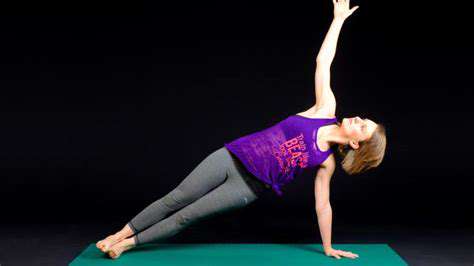
Once you’re comfortable with basic movements, consider integrating more advanced exercises like side planks and stability ball exercises. These activities challenge your core and require additional stability.
Transitioning gradually is vital. Make sure you maintain proper form throughout. The importance of this cannot be overstated; poor form can lead to further injury rather than recovery.
Frequency and Consistency of Training
To achieve noticeable improvements, aim for at least three to four sessions per week. Consistency is key to building long-term strength. It’s often recommended that individuals perform multiple sets of each exercise, ideally resting between sets to avoid fatigue.
Furthermore, tracking progress can help to stay motivated. Simple notes or apps can keep you informed about how many repetitions or sets you've completed, aiding in your recovery and improvement.
Consulting a Physical Therapist
Before starting any new exercise program, particularly if managing an injury, consulting with a physical therapist is wise. They can tailor programs specific to your needs and injuries. Regular check-ins can ensure that you’re performing exercises correctly and safely.
A therapist can also modify your routine based on your progress, ensuring both safety and effectiveness. Personalizing your recovery plan can accelerate healing and improve overall results.
Maintaining Core Strength Beyond Recovery
Once recovery is achieved, it’s essential to continue engaging in core-strengthening exercises. Long-term benefits include reduced risk of injury and improved quality of life. Continuing to challenge the core can enhance athletic performance and everyday functionality.
Incorporate these exercises into your weekly routine as a permanent practice. Remember, core strength is not just about recovery; it’s about sustaining a healthy lifestyle.
Flexibility and Stretching Exercises
Understanding Flexibility and Its Importance
Flexibility is often overlooked in fitness regimes, yet it plays a crucial role in maintaining overall body function. When muscles are flexible, they not only promote better movements but also decrease the risk of injury, particularly in sensitive areas like the lower back. Research from the American Academy of Orthopaedic Surgeons supports this, indicating that increased flexibility can improve athletic performance and overall mobility.
A study published in the Journal of Physical Therapy Science showed that individuals who engaged in regular stretching exercises experienced a significant reduction in chronic lower back pain. This reinforces the belief that stretching can be essential for rehabilitation and Injury Prevention combined with other therapeutic exercises.
Types of Stretching Exercises
There are various types of stretching exercises, each offering unique benefits. Dynamic stretching, which involves active movements that gently take muscles through their full range of motion, is particularly beneficial before a workout. On the other hand, static stretching, where muscles are lengthened and held for a period, is best after physical activity to aid in recovery.
Proprioceptive Neuromuscular Facilitation (PNF) is another advanced technique that combines stretching and contracting the targeted muscle group. PNF has been shown to significantly increase flexibility and is often recommended for patients recovering from injuries.
Basic Stretching Exercises for Lower Back Recovery
When you're focused on lower back recovery, certain stretching exercises can be incredibly beneficial. The Cat-Cow stretch, practiced often in yoga, helps mobilize the spine, promoting flexibility and relieving tension. This exercise involves alternating arching and rounding the back, which engages the core muscles and enhances spinal movement.
Another effective exercise is the Child's Pose, which gently stretches the lower back and hips. Research shows that this posture can reduce stress and fatigue in the back, providing essential relief for those dealing with discomfort.
Incorporating these exercises into a daily routine can lead to noteworthy improvements in flexibility and pain management over time.
Building a Stretching Routine
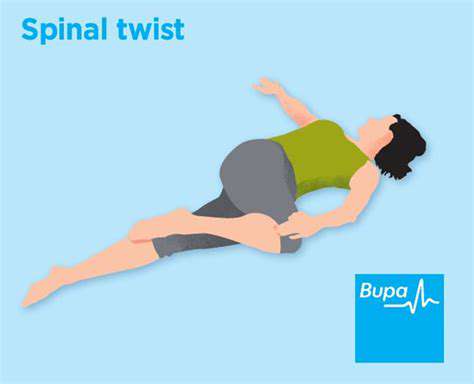
Creating a structured stretching routine is vital for achieving long-term flexibility benefits. Start by dedicating at least 10-15 minutes daily to lunges, hamstring stretches, and spinal twists. Consistency is key; according to the National Academy of Sports Medicine, flexibility improvements can be observed with regular practice over a few weeks. Hence, setting aside time each day becomes essential.
It’s also wise to listen to your body. If a stretch feels uncomfortable or painful, it’s important to assess your form or modify the movement accordingly. Over time, as flexibility improves, you can gradually deepen stretches.
The Role of Core Strength in Flexibility
Strengthening the core muscles is critical in conjunction with stretching for lower back recovery. A strong core not only supports the spine but also enhances the effectiveness of stretching exercises. Research highlights that core stability exercises, such as planks and bridges, can significantly complement flexibility training by providing better control over spinal movements.
Integrating core-strengthening routines into your flexibility exercises will create a well-rounded approach to recovery. It’s about building strength while improving your range of motion, which is essential for preventing future injuries.
Tracking Progress and Adjustments
Monitoring your progress in flexibility exercises is essential for effective recovery. Keep a journal of the stretches you perform, noting improvements in your ability to reach or hold positions over time. The more data you gather, the clearer the picture of your recovery journey will become. Studies emphasize that keeping track of exercise routines can enhance adherence and motivation.
As you progress, don’t hesitate to adjust your routine. Incorporating new stretches or increasing intensity will push your flexibility further. Remember, improvement doesn't always mean drastic changes; small adjustments can lead to significant advances in recovery.
Consulting with a Physical Therapist
Finally, consulting with a physical therapist can provide invaluable insights into tailoring a stretching routine specific to your needs. Physical therapists can assess your unique situation, providing guided recommendations that suit your physical condition and recovery goals. This personalized approach can significantly optimize your recovery process.
Moreover, staying engaged with a professional can help track your progress and make necessary adjustments to your routine, ensuring that your rehabilitation journey is both effective and safe.
Enhancing Stability and Balance

Understanding the Role of Core Strength in Stability
Core strength is fundamental to maintaining stability and balance. It involves the muscles around the trunk and pelvis, including the abdominals, obliques, and lower back muscles. Research indicates that a strong core can significantly reduce the risk of lower back injuries. Engaging in targeted exercises helps to stabilize the spine and distribute forces more evenly during movements.
Exercises such as planks, bridges, and abdominal crunches are great for building this strength. By incorporating these into your routine, you not only improve balance but also enhance overall functional movement, leading to a reduction in back pain.
Benefits of Flexibility for Lower Back Recovery
Flexibility plays a crucial role in recovery from lower back pain, as well as preventing future injuries. A flexible body allows for greater range of motion in the joints, which can alleviate undue stress on the spine. Studies have shown that flexibility exercises, such as yoga and stretching, can contribute to improved spinal health. Regularly engaging in these activities helps maintain muscle elasticity and joint health, crucial for mobility.
Dynamic and static stretching techniques, targeting both the hamstrings and hip flexors, are particularly effective in promoting flexibility. This can enhance your physical capabilities, paving the way for a more active lifestyle and reduced back discomfort.
Incorporating Balance Exercises into Rehabilitation
- Improves proprioception and coordination
- Reduces the risk of falls and injuries
- Enhances overall stability
Balance exercises are vital in the rehabilitation of lower back issues. They not only aid in recovery but also enhance overall athletic performance. By working on balance, you develop proprioception—the body’s ability to sense its position in space. This is essential for preventing falls and injuries in daily activities.
Exercises like single-leg stands, stability ball exercises, or using balance boards can be easily integrated into your therapy routine. They challenge your body’s balance systems, allowing for improved stability over time.
Importance of Posture in Preventing Back Pain
Correct posture is often overlooked yet plays a significant role in maintaining back health. Poor posture can lead to muscle imbalances and increased stress on the spine, which can exacerbate back pain. Research indicates that sustaining good posture minimizes physical stress and strain on the back muscles. It is crucial to be mindful of posture not just during exercises but also in daily activities such as sitting at a desk or lifting objects.
Simple adjustments, like keeping your feet flat on the floor while sitting, or ensuring your workstation is ergonomically designed, can make a substantial difference. Cultivating awareness around posture will not only aid in back recovery but also promote a more active lifestyle.
Creating a Customized Recovery Plan
Every individual’s recovery journey is unique, which necessitates a personalized approach to physical therapy. A Customized recovery plan should consider specific limitations, goals, and preferences. For instance, some may respond better to water-based exercises, while others might find relief through strength training. Working closely with a physical therapist is key to tailoring a plan that aligns with your individual needs. This collaborative approach ensures that you engage in activities that are both safe and effective.
Additionally, incorporating a mix of strength, flexibility, balance, and posture exercises into your routine is advisable. This approach not only ensures comprehensive care but also addresses multiple facets of recovery, significantly improving the chances of lasting results.
Consulting a Professional
Understanding the Role of Physical Therapists
Physical therapists play a crucial role in diagnosing and treating conditions related to lower back pain. They are trained to assess an individual's unique physical condition and design a tailored exercise program that promotes recovery while preventing further injury. Research indicates that personalized therapy significantly reduces recovery time compared to general recommendations.
Moreover, physical therapists stay updated on the latest research and treatment modalities, ensuring their practices align with current evidence. Their expertise in anatomy, biomechanics, and therapeutic techniques equips them to provide insights that can bolster the rehabilitation process.
When to Consult a Professional
Recognizing when it's time to seek professional help is vital for effective recovery. If lower back pain persists for more than a week, becomes progressively worse, or is accompanied by other symptoms like numbness or weakness in the legs, consultation with a physical therapist is advisable. Ignoring these signs can lead to chronic issues that are more difficult to treat later on.
The Benefits of Professional Guidance
Engaging with a professional for physical therapy offers numerous benefits that extend beyond just physical exercises. With expert guidance, individuals often experience a structured approach to recovery that includes education on body mechanics and ergonomics, thereby empowering them to manage their condition long-term. Studies show that patients who follow comprehensive programs tend to achieve favorable outcomes more frequently.
Additionally, feedback and adjustments made by a physical therapist during sessions help ensure exercises are performed correctly, maximizing their effectiveness and minimizing the risk of injury. This dual focus enhances stability and strength, which are critical for long-term recovery.
Assessing Your Progress
Once you begin a physical therapy program, assessing your progress becomes essential. A professional will frequently evaluate your range of motion, strength levels, and pain responses to tailor the exercise regimen effectively. Setting specific, measurable goals through collaboration can cultivate motivation, and many therapists use outcome measures to track improvements.
Incorporating Home Exercises
Physical therapists often prescribe specific exercises to perform at home, which complement in-office sessions. Incorporating these exercises into your daily routine reinforces the progress made during therapy and helps solidify gains in strength and flexibility. Patients who demonstrate consistency with home exercises typically report a more significant improvement in function and a reduction in pain levels over time.
The Importance of Ongoing Education
Continuous learning about your condition and the best practices for managing back pain is key to long-term wellness. A physical therapist will not only guide you through exercises but also provide resources that educate you on lifestyle modifications. This may include ergonomic adjustments in your workspace, stretching routines, and proper lifting techniques that help prevent future injuries.
In conclusion, consulting a professional is an invaluable step in the journey of recovery from lower back pain. With the right guidance, individuals can ensure they are on the path to recovery that is effective and sustainable.
Read more about Physical Therapy Exercises for Lower Back Recovery