Back Pain
Driving Comfort
Ergonomics
Exercise
Wellness
Yoga
Flexibility
Stretching

Stretches to Relieve Back Pain After Long Drives

The Health Impacts of Seated Forward Bend

The Seated Forward Bend Stretch offers numerous Health Benefits beyond simple muscle relief. Studies have shown that consistent practice can lead to reduced anxiety levels and improved mental clarity due to its focus on deep breathing and mindfulness. This aspect is particularly valuable for individuals who experience stress during long travels or commutes, making this stretch not only physically beneficial but also a valuable mental exercise for relaxation and focus.

Moreover, this stretch can serve as a preventative measure against chronic back pain. A 2019 study published in the Journal of Physical Therapy Science suggests that regular stretching can mitigate the onset of musculoskeletal pain associated with sedentary lifestyles. By incorporating this stretch into your post-drive routine, you can cultivate a more resilient body, ultimately contributing to a greater overall sense of well-being.

3. Child's Pose

1. Understanding the Benefits of Child's Pose

Child's Pose, known as Balasana in yoga, is a gentle stretching exercise that focuses on soothing the back and relieving tension. This position stretches the spine, hips, and thighs, making it particularly beneficial for individuals who spend long hours driving. Research suggests that incorporating Child's Pose into your routine can improve flexibility and help reduce lower back pain caused by prolonged sitting.

One of the primary benefits of Child's Pose is its ability to promote relaxation and stress relief. A lot of back pain can be attributed to tension in the muscles, which is often exacerbated by stress levels. By practicing this pose, you allow your body and mind to calm, which in turn can reduce the perception of pain.

2. How to Perform Child's Pose Effectively

To properly execute Child's Pose, start by kneeling on the floor with your big toes touching and your knees spread apart. Sit back on your heels, then extend your arms forward on the ground, lowering your chest toward the floor. Make sure your forehead touches the mat, which aids in grounding yourself and enhancing the stretch.

It's essential to maintain a gentle, even breath throughout the pose. Inhale deeply, expanding your ribs, and exhale fully to allow your body to sink deeper into the stretch. Holding this position for 30 seconds to a couple of minutes can provide significant relief, especially after a long day of driving.

3. Common Mistakes to Avoid

While Child's Pose is generally safe, there are some common pitfalls that practitioners should avoid. For instance, some people might overstretch and force their bodies into the position too quickly, which can lead to discomfort or even injury. Always listen to your body and make modifications as necessary.

Another common mistake is allowing the arms to relax too much. To fully benefit from the stretch, try to actively engage your arms while reaching forward, which helps to stretch the spine effectively. Being mindful of your form can truly elevate the effects of this pose.

4. Incorporating Child's Pose into Your Daily Routine

To maximize the benefits of Child's Pose, consider integrating it into your daily routine, especially following long drives. Setting aside 5-10 minutes during breaks can do wonders for both your body and mind. You might find yourself returning to this gentle stretch whenever you feel tension building in your back.

Additionally, setting reminders on your phone or incorporating it into your workday can serve as a prompt to take a few moments for self-care. This way, you can maintain flexibility and minimize back pain effectively. Pairing it with other stretches can lead to a more comprehensive approach to your back health.

5. Expert Recommendations and Resources

Many fitness and wellness experts recommend Child's Pose not only for its physical benefits but also for its ability to foster mindfulness and enhance mental clarity. According to the American Council on Exercise (ACE), regular stretching can significantly reduce the risk of injury and improve overall well-being, making it a vital component of a balanced activity regimen.

For those interested in further exploration of yoga techniques to relieve back pain, various online platforms offer guided sessions and tutorials. Resources such as yoga apps or websites with certified instructors can provide additional insights and modifications tailored to individual needs.

4. Standing Quad Stretch
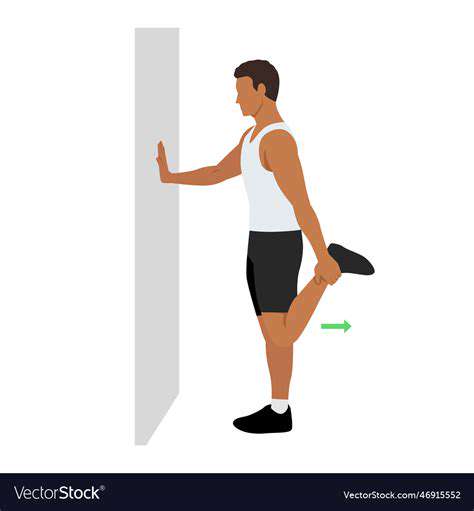
4.StandingQuadStretch

Understanding the Benefits of the Standing Quad Stretch

Stretching the quadriceps muscle group is essential for maintaining balance and mobility. Improved flexibility in the quads can alleviate pressure on the lower back, effectively combating pain caused by prolonged sitting. Research indicates that tight quadriceps can lead to misaligned pelvic positioning, thereby contributing to back discomfort.

  • Enhances mobility and flexibility.
  • Reduces lower back pressure and discomfort.
  • Helps maintain proper pelvic alignment.
  • Can be easily performed anywhere.

Additionally, regular practice of the standing quad stretch may enhance athletic performance. Athletes who incorporate this stretch note reduced injury rates, allowing for more effective training sessions. In summary, making the standing quad stretch a regular part of your routine can significantly improve overall body health and reduce back pain, especially after long drives.

How to Properly Execute the Standing Quad Stretch

Performing the standing quad stretch correctly is crucial for maximizing its benefits. Begin by standing tall, ensuring your feet are shoulder-width apart. Bend one knee, bringing your heel toward your glutes. Grasp your ankle with the same-side hand and gently pull it closer. What’s key here is to keep your knees together to avoid unnecessary strain. Holding the stretch for at least 20-30 seconds helps achieve optimal muscle release.

To enhance stability, consider using a wall or a sturdy object for balance, especially if you're new to this stretch. Also, remember to breathe deeply—this helps relax your muscles and can increase the effectiveness of the stretch. For those who struggle with balance, try to practice this stretch regularly; with time, you'll find better stability and greater flexibility, impacting your overall comfort during long periods of sitting.

5. Spinal Twist
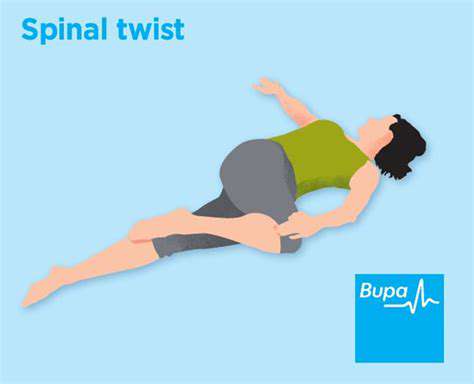
5.SpinalTwist

Understanding the Spinal Twist

The spinal twist is a vital stretch that targets both the upper and lower back, effectively increasing flexibility. Through simple twisting motions, this stretch helps in realigning the vertebral column, which can often become misaligned after extended periods of sitting. This is particularly important for those who drive for long hours, as seated positions can strain the back muscles and compress the spine.

Research indicates that regular stretching, including spinal twists, improves spinal range of motion and reduces discomfort. Whether you're navigating a long road trip or commuting daily, incorporating this exercise can greatly enhance your back health. Aim to perform the spinal twist at least once a day after long drives to maintain flexibility in your back.

How to Perform a Spinal Twist Correctly

To execute a spinal twist correctly, begin by sitting with your legs extended straight in front of you. Bend your right knee and place your foot flat on the outside of your left thigh. Next, rotate your torso gently to the right, using your left arm to help deepen the stretch by pushing against your right knee. Ensure that your spine remains straight during this motion. Holding this position for 15-30 seconds can provide significant relief from back strain. Also, remember to breathe deeply, which helps to relax your muscles further.

After holding the twist, gradually return to your starting position and repeat on the other side. It's essential to perform this stretch slowly to avoid any potential injuries, especially if your back is already feeling tight. For maximum effectiveness, include this stretch as part of your post-driving routine.

Benefits of Regularly Practicing Spinal Twists

  • Improves spinal mobility and flexibility
  • Alleviates tension in the lower back and neck
  • Enhances blood circulation to spinal structures
  • Promotes relaxation and stress relief
  • Can be done anywhere, making it convenient for frequent travelers

Regular practice of spinal twists can lead to long-term back health benefits. Stretching helps to release the build-up of tension that naturally accumulates during prolonged periods of inactivity, such as driving. By integrating this stretch into your routine, you are actively taking steps toward preventing chronic pain.

Additionally, many physical therapists recommend spinal twists for their ability to engage various muscle groups, thereby fostering overall core strength. Performing this stretch at key intervals during a long drive can help maintain muscular balance and prevent fatigue.

Incorporating Spinal Twists into Your Daily Routine

To make spinal twists a regular part of your daily routine, set dedicated times to stretch, preferably after your driving sessions. You could perform these stretches during breaks, which could also enhance your focus and alertness while driving. Pairing this with other gentle stretches or movements can create a comprehensive flexibility routine that will address various muscle tensions around the spine.

In conclusion, regular engagement in spinal twists offers a simple yet effective approach to managing back pain associated with long drives. Remember to listen to your body; if you experience any sharp pain, it's advisable to consult a healthcare professional. This critical insight can assist in tailoring your stretching practices to best fit individual needs.

Read more about Stretches to Relieve Back Pain After Long Drives
Best Exercises for Building Strong Glutes
May 04, 2025
Best Exercises for Rotator Cuff Strength and Injury Prevention
May 18, 2025
Understanding Depression in Seniors [Signs and Support]
Jul 20, 2025
How to Use Resistance Bands for a Full Body Workout
Jul 27, 2025
A Comprehensive Guide to Establishing a Consistent Running RoutineAre you ready to transform your mornings and elevate your fitness routine? Creating a consistent schedule for your morning runs can be a game-changer, enhancing both your motivation and performance. Studies show that habits formed through repetition lead to greater success, as your body and mind adapt to the rhythm of an early wake-up call. Let’s dive into how establishing a structured plan for your runs can ignite your passion for fitness! Create Your Personalized Running ScheduleCrafting a personalized running schedule requires understanding your lifestyle, work commitments, and energy levels. Start by evaluating your daily commitments and carve out a time to run that aligns with your natural rhythms. Whether you’re an early riser or a night owl, setting a specific time significantly increases your chances of sticking to your routine. Remember to consider short distances at first, gradually increasing your mileage while factoring in essential rest days for recovery. Leverage Technology to Stay on TrackIn today’s digital world, utilizing apps like Strava or Runkeeper can streamline your running journey. These platforms not only track your progress but also connect you with a community of fellow runners, offering motivation and accountability. Wearable tech like smartwatches provides real-time feedback and insights on your performance, helping you set realistic goals and celebrate achievements along the way. Prepare the Night Before for Seamless MorningsPreparation is key! Organizing your running gear, including shoes, clothes, and accessories, the night before can save time and reduce morning stress. Planning your route ahead of time ensures you’re all set to go, eliminating indecision that can deter you from heading out. Setting a realistic alarm is crucial—aim for 7-8 hours of sleep to avoid morning fatigue and make waking up a smoother process. Set Achievable Goals and Celebrate ProgressUnderstanding your fitness levels is essential when setting goals. Avoid overwhelming yourself by breaking larger objectives into manageable milestones. Celebrate each achievement, no matter how small—it could be as simple as logging your runs in a journal or treating yourself after reaching specific targets. Sharing your accomplishments with friends or social media communities can enhance that celebratory feeling, forming connections that keep you motivated. Find a Running Buddy or Join a GroupRunning with a buddy not only enhances motivation levels through mutual encouragement but also enriches your social life. With platforms like Meetup, you can find group runs that match your pace and goals, making your running experience more enjoyable. Engaging in a group also introduces structured workouts, like interval training sessions, to keep your runs fresh and exciting. Reflect and Evolve Your Running JourneyAs you progress, take time to reflect on your journey and adjust your goals as necessary. Life is unpredictable, and flexibility in your running routine allows you to remain committed without the pressure of overwhelming targets. Periodically assessing your achievements builds awareness of how you’ve evolved, both physically and mentally, reinforcing your resolve to maintain a morning running routine.In conclusion, crafting a consistent running schedule fosters discipline and enriches your life beyond just fitness. With determination, preparation, and support, you can embark on a rewarding journey filled with milestones, accountability, and cheer. Dive into your mornings with energy and watch as your passion for running grows!
Feb 27, 2026
Essential Techniques for Speed and Endurance Discover Powerful Drills for RunnersUnlock your running potential with effective techniques designed to boost your power, speed, and overall performance. This comprehensive guide explores the benefits of high knees, A-skip drills, strides, hill sprints, and tempo runs, ensuring you develop the essential skills needed to excel on the track or trail. High Knees: A Power BoosterHigh knees are a vital exercise for runners, focusing on explosive strength and speed enhancement. By engaging the hip flexors and quadriceps, high knees can significantly improve sprinting speed and cardiovascular fitness. Incorporate high knees into your training by practicing the proper form—standing tall, driving your knees to hip height, and coordinating arm movements for stability. Implement high knees in your warm-up, interval routines, or as a cooldown to elevate your running efficiency. A-Skip Drills: Coordination and CadenceA-skip drills are crucial for improving runners’ coordination and cadence. This exercise reinforces a natural running motion and helps develop muscle memory, essential for efficient running. Aim to practice A-skips several times a week, focusing on posture, rhythm, and intentional movements. By maintaining straight posture and incorporating arm techniques, you'll see improved speed and agility in long-distance runs. Strides for Speed DevelopmentStrides are key to enhancing both stride length and frequency—two vital components of speed. Elevate your running performance with specific drills like bounding and flying 30s. Mixing high-knees and butt-kicks into your warm-up routine will prepare your muscles for explosive movements, reinforcing proper form. Regularly incorporating these drills into your training regimen can lead to substantial improvements in your speed and overall efficiency. Hill Sprints: Strength and EnduranceHill sprints provide a unique challenge, engaging different muscle groups compared to flat ground running. This intense workout builds strength, enhances endurance, and promotes better running form. Start by gradually introducing hill sprints into your training plan, focusing on maintaining high knees and short ground contact time. Pairing these workouts with lower body strength training will further amplify your results. Remember to prioritize recovery for optimal performance improvement. Tempo Runs: Consistency in SpeedTempo runs are essential for developing speed and endurance. By maintaining a comfortably hard pace for extended periods, athletes can enhance their aerobic capacity and lactate threshold. Incorporate one tempo run per week into your training routine, gradually increasing intensity and duration as you progress. Proper warm-ups and cooldowns are critical to prevent injuries and maximize benefits, allowing you to achieve better race performance over time. Common Mistakes to AvoidUnderstanding common pitfalls can enhance your training effectiveness. In high knees, avoid inadequate knee height and lack of arm coordination. During tempo runs, resist the urge to start too fast, and ensure you allow for adequate recovery. Listening to your body and adjusting your workouts accordingly will prevent burnout and help maintain your performance levels.---By integrating these targeted techniques into your running routine, you’ll not only improve your speed and endurance but also achieve your athletic goals with more efficiency. Start implementing these drills today and experience the transformative benefits they offer!
Mar 06, 2026
Maximizing Your Weight Loss and Performance What is Fasted Running?Fasted Running is the practice of exercising on an empty stomach, typically done after an overnight fast. This approach is believed to enhance fat oxidation and improve metabolic adaptations. Runners often choose early morning sessions to maximize these benefits before breakfast. Research shows that fasted runners can burn up to 20% more fat compared to those who eat before exercising. Benefits of Fasted Running for Weight LossEngaging in fasted running can significantly enhance fat burning, leading to improved body composition over time. This method stimulates hormonal responses that promote fat loss, including increased levels of growth hormone and improved insulin sensitivity, crucial for effective weight management. Additionally, fasted running allows for a more flexible training schedule, eliminates the need for pre-run meals, and often results in improved mental clarity. Potential Risks and ConsiderationsWhile fasted running has many advantages, there are risks to consider, such as decreased performance, fatigue, and possible nausea. It’s essential to listen to your body and recognize whether fasting before runs works for you. Balancing fasted running with a nutritious diet is crucial to prevent muscle breakdown and other negative outcomes. How to Safely Incorporate Fasted RunningTo begin fasted running, schedule shorter sessions of 20-30 minutes to allow your body to adapt. Gradually increase intensity as your fitness level improves, and prioritize hydration. Mixing fasted runs with fed runs can help balance the benefits. Pay attention to your body’s responses; if fatigue occurs, reassess your strategy. Personalizing Your Fasted Running ExperienceTailor your fasted running regimen to fit your individual fitness goals and lifestyle. Experimenting with fast durations and running times can lead to the best results. It may also be beneficial to incorporate various workout types to optimize your endurance and maintain engagement. Enhanced Fat Oxidation and PerformanceFasted running encourages the body to use fat as its primary energy source, which can lead to increased energy expenditure and improved endurance. Regularly practicing fasted running can help your body become more efficient at burning fat, ultimately aiding in your weight loss journey. Nutritional Strategies for Fasted RunningOptimize pre- and post-run nutrition with balanced meals rich in carbohydrates, proteins, and healthy fats during non-fasting hours to replenish glycogen stores and aid recovery. Pay attention to post-workout nutrition to maximize recovery and muscle repair. Addressing Myths and Common ConcernsFears regarding muscle loss and workout effectiveness can deter individuals from fasted running. However, studies indicate that muscle preservation is possible when balanced with adequate nutrition during feeding windows. Embracing this form of training can lead to enhanced metabolic flexibility and outstanding long-term benefits.By understanding the principles of fasted running and implementing a personalized approach, you can maximize both your weight loss and performance. Consult with health and nutrition experts to ensure that you remain healthy and effective in your fasted running journey.
Mar 06, 2026
The Ultimate Guide to Desk and Chair HeightCreating an ergonomic workspace involves understanding the correct desk height, chair support, and monitor placement to ensure comfort and productivity during long work hours. This guide covers everything you need to know about setting up an ideal work environment that prioritizes your health. Choosing the Right Desk HeightTo maintain a healthy posture, choose a desk height typically between 28 to 30 inches. An ergonomic setup allows your elbows to sit comfortably at a 90-degree angle while typing. Sit-stand desks are an excellent option, allowing users to adjust height throughout the day, thereby reducing discomfort from prolonged sitting. Measuring Your Ideal Desk HeightTo measure, sit in your chair with your feet flat on the ground. Your elbows should rest comfortably at desk level to eliminate wrist strain. The keyboard should be positioned at or slightly below elbow height to promote comfort during long working sessions. Utilizing Adjustable EquipmentInvest in adjustable office equipment such as ergonomic chairs with adjustable lumbar support and monitor stands to avoid neck and back strain. Properly positioning your computer at eye level can prevent chronic discomfort and enhance productivity. Selecting an Ergonomic ChairAn ergonomic chair should feature adjustable lumbar support to maintain the natural curve of your spine, significantly reducing discomfort. The height and depth of the seat are also vital in allowing your feet to rest flat on the floor, promoting circulation and reducing fatigue. Material QualityChoose chairs made from breathable fabrics and high-density foam to ensure comfort and durability. Pay attention to the chair's frame and stability for long-term support. Proper Monitor PlacementTo prevent neck strain, your monitor should be at eye level, with screens positioned about 20 to 30 inches away. The angle should tilt slightly backward to maintain a natural spinal alignment, reducing glare and improving visibility. Keyboard and Mouse PositioningAn ergonomic keyboard setup keeps the hands and wrists in a neutral position:- Position your keyboard at elbow height.- Ensure wrists are straight and relaxed.- Place the mouse close to the keyboard to minimize arm stretch.Using a keyboard tray can help keep wrists in a neutral position, reducing the risk of repetitive stress injuries. Incorporating Breaks and MovementRegular breaks are crucial for maintaining productivity and preventing discomfort. The 20-20-20 rule is recommended: every 20 minutes, look at something 20 feet away for at least 20 seconds. Incorporate micro-breaks or stretching sessions to relieve tension and improve circulation.Technology can be an ally in this effort; numerous apps can remind you to take breaks and even guide you through quick exercises. Creating a Movement-Friendly WorkspaceConsider using standing desks or alternating between sitting and standing while working. Make small adjustments to encourage movement throughout the day, such as placing the printer farther away or using a walking desk.By following these tips, you can design a workspace that not only enhances comfort but also boosts productivity and overall well-being.
Mar 13, 2026
A Bridge to Positivity Understanding Gratitude's Influence on Mental Well-BeingGratitude plays a vital role in enhancing mental health and promoting overall well-being. Research reveals that practicing gratitude can lead to substantial improvements in psychological conditions such as depression and anxiety. Studies, including those published in leading journals, indicate that regular gratitude journaling is associated with a more positive outlook and resilience against stress. Notably, gratitude activates reward-related neural pathways in the brain, helping to foster an optimistic mindset. The Science Behind Gratitude ExercisesSimple gratitude exercises can yield profound benefits. Keeping a gratitude journal or taking a moment each day to reflect on positive experiences can transform one's perspective. Meta-analyses show that gratitude practices can significantly enhance life satisfaction and decrease feelings of isolation. Moreover, expressing gratitude to others—whether through notes or verbal affirmations—nurtures stronger relationships that are crucial for mental health. Practical Approaches to Cultivating Gratitude DailyIntegrating gratitude into your daily routine can be straightforward yet impactful. Consider setting a specific time to reflect on three things you are thankful for or creating a gratitude jar to visualize positive moments. Engaging in gratitude meditation can also provide emotional uplift. These practices foster a positive mindset and contribute to long-term improvements in mental health resilience. Long-Term Impact of Gratitude on Mental HealthRegular expressions of gratitude can lead to lasting changes in mental health, promoting a greater sense of life satisfaction. Research indicates that those who consistently practice gratitude build stronger social connections, enhancing community support networks. This interconnectedness plays a crucial role in reinforcing individual mental well-being. Physical Health Benefits: The Connection Between Gratitude and WellnessBeyond mental health, gratitude is linked to improved physical health outcomes. Studies show that those who practice gratitude report fewer health issues, engage in healthier behaviors, and experience better sleep quality. These insights highlight how a positive mindset can contribute to overall wellness. Building Stronger Relationships Through GratitudeGratitude serves as a powerful tool for strengthening personal and professional relationships. Regular expressions of appreciation lead to greater intimacy and satisfaction in relationships. Incorporating gratitude into workplace culture promotes teamwork and productivity, thereby enhancing overall morale. Implementing a Daily Gratitude PracticeEstablishing a daily gratitude practice can dramatically elevate your mental well-being. Studies confirm that individuals who actively express gratitude experience increased optimism, resilience, and improved interpersonal relationships. Simple steps like maintaining a gratitude journal or sharing appreciation with others can solidify your commitment to this enriching habit.In conclusion, fostering gratitude in daily life yields numerous psychological and physical benefits. From enhancing emotional resilience to building supportive social networks, practicing gratitude is a simple yet powerful method for promoting mental and physical wellness. Make gratitude a cornerstone of your life to experience the positive ripple effects on yourself and those around you.
Mar 14, 2026
Enhance Your Well-BeingIn today's fast-paced work environment, prolonged sitting often leads to discomfort and tension, particularly in the spine, neck, and shoulders. Incorporating stretches into your daily routine can significantly improve your well-being and productivity. Here are some essential stretches tailored for office workers to alleviate pain and enhance flexibility. 1. Seated Torso TwistThe Seated Torso Twist is an effective way to maintain optimal spinal health. By engaging in this twisting movement, you promote spinal mobility and flexibility, reducing the risk of misalignment caused by prolonged sitting. Recommended to be performed 2-3 times daily, this stretch can drastically enhance your comfort levels at work. Begin by sitting upright, placing your right hand on the back of the chair, and gently twisting your torso while keeping a straight back. 2. Neck and Shoulder StretchFrequent neck and shoulder tension affects nearly 70% of office workers due to poor posture. Implementing Neck and Shoulder Stretches can help alleviate discomfort and improve posture. Techniques such as neck tilts and shoulder rolls are simple yet effective, and it's best to perform these stretches every hour during your workday. Engaging in these moments of relief can significantly enhance your concentration and comfort. 3. Standing Forward BendKnown as Uttanasana in yoga, the Standing Forward Bend stretch benefits the entire posterior chain. This exercise promotes spinal and hamstring flexibility while reducing mental fatigue. Stand tall, inhale and raise your arms, then exhale and hinge at your hips to fold forward. Aim to hold this position for up to a minute, integrating deep breathing for maximum effect. Frequent reminders throughout the day may help mitigate discomfort from long hours of desk work. 4. Cat-Cow StretchThe Cat-Cow Stretch is a dynamic yoga pose that enhances spinal flexibility and posture. It alternates between arching and rounding the back, which can effectively counteract the discomfort from sitting. Begin on all fours, arch your back for the cow position, and round it for the cat position. Aim for 5-10 cycles, and consider incorporating this stretch into your hourly breaks to promote circulation and relieve tension. 5. Chest Opener StretchThe Chest Opener Stretch targets the chest and shoulder muscles, crucial for combating the forward hunch commonly associated with desk jobs. Perform this stretch by clasping your hands behind your back, pulling your shoulders back while keeping your core engaged. Holding this position for 15-30 seconds can improve your posture and alleviate tension, significantly enhancing your overall comfort and productivity. ConclusionIncorporating these stretches into your daily routine can transform your work experience, providing relief from back pain and enhancing posture. Regular stretching isn’t just beneficial; it’s essential for maintaining long-term health, especially for those in sedentary roles. Set reminders to take breaks for these stretches—it’s a simple yet impactful step towards improving your physical and mental health during work hours. Start practicing today, and watch as your comfort and productivity soar!
Mar 15, 2026
The Importance and TechniquesWarming up is essential for preparing your muscles and joints before stretching. A good warm-up enhances blood flow and muscle temperature, making tissues more pliable, thus reducing the risk of strains. Engaging in low-impact aerobic exercises such as walking or light jogging for 5-10 minutes can effectively elevate your heart rate and promote circulation. Afterward, incorporate dynamic stretches like leg swings and torso twists to proactively engage your muscles, setting the stage for safer and more effective static stretches. Listen to Your Body: The Key to Preventing InjuryPaying attention to your body's signals is vital during stretching. Immediate sharp pain is an indication to stop, while sensations of stiffness or soreness help you pinpoint areas that need attention. Establish a personal threshold for discomfort and adjust your stretching routine accordingly. It's important to consult professionals if you frequently experience discomfort, as tailored advice can prevent chronic issues. Incorporate a Variety of StretchesTo enhance flexibility and mobility, integrate different stretching techniques into your routine. Active stretching relies on your own movements, while passive stretching uses external assistance. Alternating between dynamic and static stretches can boost performance and reduce injury risks. Start gently and progressively increase the intensity over time to ensure your muscles adapt safely. Determine the Right Stretch DurationFinding the ideal duration for holding stretches is crucial. Research indicates that maintaining a stretch for 15-30 seconds is optimal. This balance avoids overstretching while still providing flexibility benefits. Adjusting your stretch duration based on feedback from your body is essential to achieving effective results and minimizing risks. Focus on Breathing TechniquesBreathing plays a vital role in the effectiveness of stretching routines. Techniques like diaphragmatic breathing can enhance relaxation and focus, which are key to maximizing flexibility. Incorporate methods such as the 4-7-8 technique to deepen your breath and calm your nervous system during stretches. Establishing a routine that pairs your movements with breathing can further increase both your comfort and effectiveness. ConclusionBy warming up properly, listening to your body, diversifying your stretches, determining the right duration, and incorporating effective breathing techniques, you can create a more efficient and safe stretching regimen for your lower back. Whether you are a beginner or an experienced practitioner, these tips can help you achieve your flexibility goals while preventing injuries. Regular practice not only boosts your overall performance but also supports a healthier, pain-free lifestyle.
Mar 26, 2026
The Importance of Lower Back Alignment for Your Health Understanding Lower Back Anatomy and Its SignificanceThe lower back, known as the lumbar region, comprises five key vertebrae (L1-L5) that support the upper body. This area is essential for stability and a wide range of motion, from forward bends to twisting movements. Misalignment can result in discomfort or restricted mobility, impacting daily activities.Supporting the vertebrae are intervertebral discs that absorb shock, along with ligaments and muscles that provide stability. Proper alignment of these structures is vital to maintain good posture and protect the spine from injuries. The Role of Posture in Maintaining AlignmentPosture is critical for lower back health. Poor posture, such as slouching, creates abnormal spinal curves. The American Chiropractic Association emphasizes that consistent improper positioning can lead to chronic pain and mobility issues. Maintaining an upright posture helps distribute weight evenly across the spine, reducing strain on surrounding tissues. The Effects of a Sedentary LifestyleIn today’s world, sedentary jobs have taken a toll on lower back alignment, leading to significant health issues. Studies, including one published in the journal *Spine*, link prolonged sitting to increased lumbar disc degeneration, which exacerbates alignment problems and discomfort over time. Exercises for Strengthening the Lumbar RegionTargeted exercises are crucial for enhancing lower back alignment. Activities like planks, bridges, and pelvic tilts strengthen the core, playing an essential role in providing stability to the lumbar spine. Strong abdominal and back muscles improve posture and body mechanics, minimizing the risk of misalignment.Incorporating resistance training, such as deadlifts, can also lead to better alignment and stronger muscles in the pelvic area, crucial for overall body balance. The Benefits of Chiropractic CareRegular chiropractic visits can effectively maintain proper lower back alignment. Chiropractors employ spinal manipulation techniques to restore the correct vertebral position. Research indicates significant benefits in reducing lower back pain and improving mobility through chiropractic adjustments. Daily Habits for Improved AlignmentSimple changes in everyday habits can dramatically impact lower back alignment. To prevent misalignment, practice safe lifting techniques and maintain an ergonomic workstation. Additionally, taking regular breaks to stretch and walk can counteract the adverse health effects of prolonged sitting. Achieving Lower Back SymmetrySymmetry in the lower back is vital for overall physical health. Imbalances can lead to pain and decreased athletic performance. Incorporating specific exercises like planks and hip stretches into your routine can enhance mobility and reduce tension, promoting better alignment and symmetry. The Importance of StretchingRegular stretching not only enhances flexibility and range of motion but also aids recovery by improving blood flow to the muscles. Techniques such as the Cat-Cow stretch and Child’s Pose are effective for relieving lower back tension and encouraging proper vertebral alignment. ConclusionIntegrating a well-rounded approach that includes stretching, strengthening exercises, and mindful daily habits is essential for maintaining lower back health. Prioritizing lower back alignment not only improves physical capabilities but also enhances your quality of life. Embrace these practices for long-term wellness!
Mar 27, 2026
View Publications>>

Hot Recommendations