Warm-Up
Stretching
Injury Prevention
Flexibility
Breathing

Stretching Your Lower Back: Do’s and Don’ts

Warm Up Before Stretching

Understanding the Importance of a Warm-Up

Warming up before stretching is crucial for preparing your muscles and joints. Research indicates that a proper warm-up increases blood flow and muscle temperature, making tissues more pliable. This heightened state reduces the risk of strains and sprains, promoting safer stretching practices. Therefore, incorporating a warm-up routine—such as dynamic movements—can be pivotal in enhancing your overall flexibility and performance.

Additionally, a warm-up can enhance your mental focus, allowing you to concentrate on your movements and posture during stretching. When you are mentally prepared, you are more likely to execute stretches correctly and effectively. This not only aids in flexibility but also helps in achieving muscle balance and symmetry, essential for injury prevention.

Effective Warm-Up Techniques

To effectively warm up before stretching your lower back, consider incorporating low-impact aerobic exercises. Activities such as walking, cycling, or light jogging for about 5 to 10 minutes can effectively elevate your heart rate and increase circulation. According to the American College of Sports Medicine, this type of aerobic activity is ideal for transitioning into more strenuous motions.

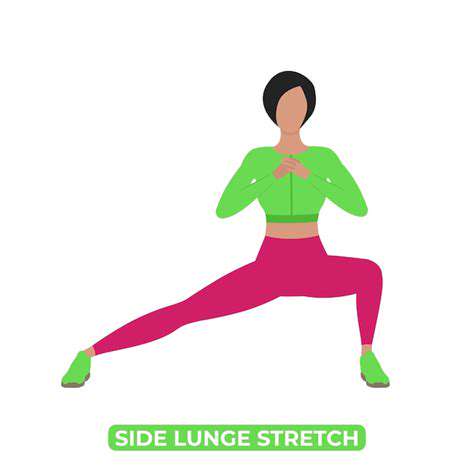
Once your heart rate is up, incorporating dynamic stretches can be immensely beneficial. Movements like leg swings, torso twists, and lunges dynamically engage the lower back and surrounding muscles, improving stability and flexibility. Focus on controlled motions that gradually increase your range of motion without resistance. This kind of warm-up can significantly enhance your performance in static stretches that follow.

When to Stretch Post-Warm-Up

After a proper warm-up, it’s essential to wait until your body is adequately prepared before proceeding to more static stretches. Stretching right after a warm-up can yield substantial benefits, such as increased elasticity in muscle fibers and connective tissues. Aim to hold stretches for at least 15 to 30 seconds to achieve maximum effectiveness, allowing your body ample time to adapt.

Listen to your body during this process. If you experience discomfort while stretching, it may indicate that you need to adjust either your warm-up routine or the intensity of the stretches themselves. Gradually increasing the complexity or depth of stretches can create a safer environment for your back, making the entire routine more efficient and productive.

Don't: Forget to Listen to Your Body

Understand Your Body's Signals

One of the most crucial aspects of managing lower back discomfort during stretching is to be attuned to your body's signals. For example, if you start a stretch and notice immediate sharp pain, it's a clear signal to stop. Ignoring pain can lead to further injury, so always pay attention to how your body feels. Educate yourself on the difference between discomfort caused by stretching and actual pain that could indicate an injury.

Your body communicates through various signals, such as stiffness, soreness, or fatigue. Being able to distinguish between these sensations can help you develop a targeted stretching routine. Take notes on how your body reacts during and after different stretches; this practice helps you better understand what works and what doesn’t, allowing for a more effective stretching plan tailored to your needs.

Know When to Stop

It’s essential to establish a personal threshold for stretching, and this involves being aware of when to call it quits. If you feel a stretching discomfort that persists or worsens, it could mean you’ve pushed your body too far. Listening to these signs can prevent not only immediate discomfort but also long-term injury that might result from overstretching. Research suggests that most injuries occur due to pushing beyond your limits, so self-awareness is key.

Adjust Your Routine Based on Feedback

Your stretching routine should never be static; it needs to evolve based on your experiences and the feedback your body provides. If you notice that a particular stretch consistently causes discomfort, consider replacing it with an alternative that targets the same muscle group but feels more comfortable. This adaptability is crucial for maintaining a safe stretching regimen.

Consult with Professionals

If you find that your body frequently signals pain or discomfort, it might be time to consult a healthcare professional or a physical therapist. These experts can offer tailored advice based on your specific situation. They can teach you proper Stretching Techniques and suggest modifications that can make your routine safer and more effective. Their input can help you avoid common pitfalls that can lead to injury.

Moreover, a professional assessment can also help identify any underlying conditions that may be contributing to your discomfort, such as muscular imbalances or poor posture. This tailored approach not only enhances your stretching effectiveness but also supports your overall well-being.

Stay Mindful of Your Flexibility Levels

Flexibility levels vary from person to person and can change over time. It's essential to reassess where you are regularly, especially if you begin to notice changes in your range of motion. Regularly testing your flexibility can guide your stretching routine, allowing you to adjust the intensity of your exercises based on your current capabilities. Tools like a simple forward bend test can give you insights into your progress.

Do: Incorporate a Variety of Stretches

Understand Different Types of Stretches

Incorporating various stretching techniques is vital for enhancing flexibility and mobility in your lower back. Active stretching, where you move into a stretch without assistance, can increase strength and stability. In contrast, passive stretching utilizes external force, like using your hands or a prop, to hold a position, promoting relaxation and lengthening of the muscles. Both types serve essential roles in a comprehensive stretching routine.

Research published in the Journal of Physical Therapy Science suggests that alternating between dynamic and static stretches can improve overall performance and reduce the risk of injury. Dynamic stretches prepare the muscles for movement, while static stretches help in recovery. Thus, considering these distinctions is critical when planning your lower back stretching regimen.

Implement Stretching Techniques Gradually

When beginning any new stretching program, it’s important to ease into the routine. Start with gentle stretches and gradually increase intensity over weeks. This progressive approach helps your muscles adapt while minimizing the risk of strain or injury. A common recommendation is to hold each stretch for 15 to 30 seconds and repeat it two to three times, ensuring that you listen to your body’s signals throughout the process.

Additionally, incorporating mindful breathing while stretching can enhance the effectiveness of each movement. Deep, controlled breaths promote relaxation, allowing muscles to release tension more effectively. Practicing this alongside a structured stretching program can foster a more holistic approach to Lower Back Care and flexibility improvement.

Don't: Hold Stretches Too Long or Too Short

Understanding the Importance of Stretch Duration

Finding the right duration for stretches is crucial in preventing injuries while maximizing the effectiveness of your routine. Research suggests that holding a stretch for too long, typically beyond 30 seconds, can lead to overstretching and muscle fatigue. Conversely, short stretches can fail to provide adequate flexibility benefits. A balanced approach is necessary to cultivate optimal outcomes in flexibility and muscle relaxation.

Many fitness experts recommend holding stretches between 15 to 30 seconds, particularly for the lower back. This window allows the muscles to relax while also providing sufficient time to signal the brain to facilitate increased flexibility. A study published in the Journal of Sports Science showed that Dynamic Stretching routines improved overall performance without the detriment that overly prolonged static stretches may cause.

How to Identify the Right Stretching Time for You

Your optimal Stretch Duration can vary based on factors like your fitness level, age, and specific muscle tightness. Beginners should start with shorter holds and gradually increase the duration as they become more comfortable with the movement. Pay attention to how your body responds—if you feel pain or excessive discomfort, it might signify that you are holding the stretch too long or pushing yourself beyond a safe limit.

Incorporating feedback mechanisms, such as listening to your body or even consulting a physical therapist, can guide you to determining the right duration. Making adjustments based on personal experience and professional advice is an effective way to create a sustainable stretching routine. Tracking your progress can also help you identify patterns and make informed decisions about your stretching practices.

Tips for Effective Dynamic and Static Stretching

Dynamic stretching, especially before a workout, often requires shorter durations and should focus on controlled movements to prepare the muscles for activity. On the other hand, static stretches are ideal for cooling down and can be extended, but should still remain within the recommended limits. Ensuring that you incorporate both types of stretching into your routine can enhance flexibility and muscle recovery.

For effective static stretching of the lower back, consider employing techniques such as the child's pose or seated forward bend. Aim to hold each position between 20 to 30 seconds, focusing on breathing deeply to enhance relaxation. On the flip side, dynamic stretches like torso twists can be performed in a series of 10 repetitions, each lasting only a couple of seconds, to ensure engagement without excessive strain.

Finally, regularly reassessing your stretching routine and duration is essential as it might evolve over time. Technology like fitness apps can help log your progress, allowing you to make data-driven adjustments. Prioritize your body’s responses and ensure that stretching remains a beneficial and integral part of your fitness regimen.

Do: Focus on Breathing Techniques

Do:FocusonBreathingTechniques

Understanding the Importance of Breathing in Stretching

Breathing Techniques Play a crucial role in enhancing the effectiveness of lower back stretches. By focusing on your breathing, you can maximize the benefits of each stretch, ensuring that your muscles receive adequate oxygen and relaxation. This helps reduce tension and improves flexibility over time.

An increased awareness of your breath can directly influence your bodily response to stretching. Deep, diaphragmatic breathing not only calms your mind but also signals your muscles to relax. Research suggests that proper breathing can increase the range of motion and alleviate discomfort during stretching sessions, resulting in a more pleasant experience overall.

Practical Breathing Techniques to Incorporate

Several breathing techniques can be beneficial during lower back stretching. One effective method is the 4-7-8 technique, where you inhale for four counts, hold for seven counts, and exhale for eight counts. This method not only calms the nervous system but also helps increase lung capacity, making your stretches even more productive.

  • Diaphragmatic breathing enhances muscle relaxation.
  • 4-7-8 technique improves focus during stretching.
  • Slow, deep breathing increases oxygen flow.

Creating a Breathing-Focused Routine

Incorporating breathing techniques into your stretching routine can transform the way you approach exercise. Start by dedicating a few moments to deep breathing before you begin your stretches. This helps center your mind and prepares your body for the physical activity ahead. Moreover, consider timing your breaths with your movements to create a rhythm. For instance, inhale as you extend and exhale as you hold the position, which can effectively anchor your focus.

Establishing a consistent breath-focused routine can make stretching sessions more effective and enjoyable. Regular practice not only builds muscle memory but also fosters a deeper connection between your breath and movement. Ultimately, this can lead to long-term benefits, such as improved posture and reduced back pain.

Read more about Stretching Your Lower Back: Do’s and Don’ts

Best Warm Up Drills for Runners
May 09, 2025
The Ultimate Beginner's Guide to CrossFit Training
May 20, 2025
How to Increase Your Flexibility Safely and Effectively
Jul 16, 2025
Best Exercises for Postpartum Recovery [Beyond Abdominal Work]
Jul 21, 2025
How to Use Resistance Bands for a Full Body Workout
Jul 27, 2025
- Increased Physical Independence: Stronger muscles enhance mobility for daily tasks.- Reduced Fall Risk: Improved balance leads to better stability.- Core Strength and Stability: A robust core supports overall health.Developing a strong lower back not only enhances daily functioning but significantly improves quality of life. Safe Exercise PracticesSafety is imperative when exercising, especially for seniors. Consulting healthcare professionals before starting any exercise program is recommended. Low-impact activities, such as swimming or gentle yoga, are ideal to strengthen the back without causing strain. Starting slowly and gradually increasing intensity is important for preventing injuries. Recommended ExercisesSeniors can adopt specific exercises tailored for lower back strengthening, including:- Bird-Dogs: Enhances spinal alignment and stability.- Pelvic Tilts: Strengthens the core without straining the back.- Modified Planks: Builds core strength using minimal equipment.Incorporating stretches like hamstring and hip flexor exercises promotes flexibility and fortifies strength. Nutrition's Role in Back HealthA well-balanced diet rich in anti-inflammatory foods is vital for maintaining lower back health. Opt for fruits, vegetables, whole grains, and omega-3 fatty acids to enhance muscle function and recovery. Staying hydrated is equally important, as dehydration can lead to muscle cramps and discomfort. Monitoring Progress and Adjusting RoutinesTracking exercise routines helps in recognizing improvements and addressing challenges. Setting realistic goals, such as increasing repetitions or workout durations, fosters motivation. Engaging with personal trainers or group classes can further support progress. Professional GuidanceWorking with physical therapists can provide seniors with personalized exercise plans, ensuring safety and efficacy. Community fitness programs can foster social engagement, enhancing motivation and accountability in maintaining a healthy lifestyle. Safe Guidelines for ExercisingStarting sessions with warm-up exercises prepares the body and reduces injury risks. Consider dynamic stretches to improve flexibility and mobility. Selecting the right type of exercises that focus on lower back strength is crucial; avoiding strain should be a priority.Training at least two to three times weekly is recommended. Progression in workouts should be gradual to reinforce muscle growth while preventing injuries. Hydration and the application of safety measures are essential during workouts.---By prioritizing lower back strength, seniors can enhance their health, regain independence, and improve their overall quality of life. Adopting a balanced approach of exercise, diet, and professional guidance paves the way for a healthier future, allowing for greater ease of movement and a more active lifestyle.
Mar 01, 2026
Causes, Solutions, and Recovery StrategiesLower back pain is a common issue that affects many athletes, impacting performance and overall health. Understanding the causes and implementing effective solutions is crucial for athletes looking to manage or prevent this type of pain. Common Causes of Lower Back Pain Biomechanical FactorsAthletes often experience lower back pain due to biomechanical issues related to their specific sports. Repetitive motions in activities like running, cycling, and weightlifting can lead to muscle imbalances and increased strain on the lumbar region. Poor technique can exacerbate these problems, making proper form essential. Additionally, core strength and flexibility are vital in supporting the lower back. Strengthening core muscles helps to stabilize the spine and reduce injury risk. Training Load and RecoveryTraining load plays a significant role in lower back pain. Overtraining without sufficient recovery leads to cumulative fatigue, heightening injury risk. A balanced approach to training, known as periodization, helps athletes optimize performance while reducing the likelihood of injury. Implementing structured recovery routines, including rest, hydration, and muscle-relaxing techniques, aids in effective recovery. Psychological FactorsMental health also influences pain perception. Anxiety and fear of re-injury can worsen the experience of pain. Addressing these psychological elements through cognitive-behavioral strategies, mindfulness, and relaxation techniques can help athletes manage discomfort more effectively. Targeted Exercises for Prevention and Relief StretchingIntegrating targeted stretching routines can improve flexibility and reduce lower back pain. Stretches that focus on the muscles surrounding the lower back, including hamstrings and hip flexors, enhance muscle elasticity and lower injury risk. StrengtheningCore strengthening exercises, such as planks and bridges, are vital in supporting the spine and alleviating lower back strain. Resistance training focusing on the lower back, like deadlifts while maintaining proper form, also promotes spine resilience. The Role of Physical TherapyPhysical therapy offers a variety of techniques to alleviate lower back pain. Approaches such as manual therapy, targeted exercises, and education on proper biomechanics are effective. A tailored exercise rehabilitation program, complemented by proprioceptive training, can further enhance recovery. Recovery ModalitiesIncorporating recovery modalities into an athletic regimen is essential. Techniques like cryotherapy and compression therapy can accelerate recovery and reduce inflammation. Posture and ErgonomicsImproving posture is vital for athletes to prevent lower back pain. Optimal alignment minimizes strain during physical activities and enhances overall performance. Using ergonomic equipment and conducting regular posture assessments can reinforce good habits and prevent injuries. ConclusionBy understanding the multifactorial nature of lower back pain in athletes and implementing targeted prevention strategies, strength training, recovery modalities, physical therapy, and maintaining proper posture, athletes can significantly enhance their performance and longevity in their sports. Continuous monitoring and adjustments to training and recovery plans will further support their journey to optimal health.
Mar 02, 2026
2 effort ratio to more advanced variations such as hill sprints or fartlek training. Focus on Proper Form and TechniqueMaximize your running efficiency by focusing on correct form. Proper alignment—keeping your head over your shoulders and core engaged—can prevent injuries and improve your pace. Essential techniques include maintaining an upright posture, relaxed arms, and a short stride for better cadence. Build a Solid Base with Endurance TrainingEndurance training is the foundation of successful running. Gradually increasing your long run distance while integrating diverse workouts like tempo runs can enhance stamina and mental resilience. Committing to a steady state of aerobic workouts will improve both your overall speed and mental toughness. Incorporate Strength TrainingStrength training is critical for runners, offering benefits such as improved speed and muscle endurance. Target key muscle groups through exercises like squats, lunges, and planks to build effects that translate into running performance. Regular integration of these exercises into your schedule can lead to significant results. Listen to Your Body and RestRest is a crucial element of any training regiment, playing a vital role in muscle recovery and performance enhancement. Listening to your body is essential; if you’re experiencing fatigue or pain, it may be time to incorporate rest days or lighter activities to ensure long-term health and progress. Tracking Progress and Setting GoalsMonitoring your advancements using running apps or journals can keep you motivated and help identify areas for improvement. Set realistic short-term and long-term objectives to measure your progress in both running and strength training, ensuring constant growth and adaptation in your fitness journey.---Elevate your running game by integrating these methods into your routine. Not only will you improve your speed and endurance, but you will also cultivate a sustainable training practice that emphasizes health and well-being. Start now, and see the difference!
Mar 03, 2026
1. Kneeling Hip Flexor Stretch: Kneel on one knee, placing the opposite foot in front to create a 90-degree angle. Push your hips forward and hold for at least 30 seconds on each side to elongate the iliopsoas muscle group effectively.2. Seated Forward Bend: While sitting with legs extended, reach toward your toes to stretch both the hip flexors and hamstrings. This dynamic stretch promotes flexibility and eases lower back tension.3. Pigeon Pose: A staple in yoga, this pose stretches deep hip flexors and glutes. From a tabletop position, bring one knee forward and extend the opposite leg back. Hold for up to a minute to enhance flexibility and lower back comfort.4. Standing Hip Flexor Stretch: Stand tall, step back with one foot, and bend the front knee while keeping the back leg straight. This stretch builds strength and flexibility simultaneously.5. Lunge Stretch: Take a step forward while keeping one knee on the ground. This classic stretch effectively targets the hip flexors of the extended leg and should be held for at least 30 seconds for optimal results. The Role of ConsistencyRegularly performing hip flexor stretches can boost flexibility, improve posture, and prevent discomfort caused by prolonged sitting. Aim for daily practice by incorporating diverse stretches to keep your routine engaging. Best Practices for Stretching- Maintain proper form: Avoid rushing through stretches; take your time to breathe deeply and relax into each movement.- Consult professionals: For tailored advice, consider working with a physical therapist or qualified trainer. They can provide guidance on proper techniques and assess individual needs. ConclusionUnderstanding the importance of hip flexor health can significantly impact lower back comfort. By integrating effective stretching techniques into your daily routine, you’ll improve flexibility, reduce tension, and enhance overall mobility. Start prioritizing your hip flexors today for a healthier, pain-free back.
Mar 06, 2026
Engage the entire core and improve stability. Aim for longer hold times as you progress.2. Crunch Variations: Reverse and twisting crunches target different abdominal areas effectively.3. Leg Raises: Build lower abdominal strength which is crucial for better posture.4. Pilates: Enhances core strength and flexibility, making it suitable for all fitness levels.Incorporate these exercises into your weekly routine for a balanced approach to core strengthening. Aim for at least three sessions per week, ensuring consistency and progression. ConclusionEmphasizing core strength is vital for enhancing posture, stability, and athletic performance. By integrating targeted core exercises into your daily routine, you can reduce the risk of injury and become more physically adept in various activities. Start focusing on your core today for a healthier and more active lifestyle.
Mar 11, 2026
Aligning Speed Development with GoalsUltimately, speed development is a critical factor in a runner's readiness for competition. Setting clear, achievable goals—rooted in speed training—can create a structured pathway toward success. For serious runners, prioritizing speed work within their training plans will foster overall improvements, making for gratifying race experiences.---For more insights into off-season training and enhancing your performance, explore structured plans tailored to your goals. Dive into key components like interval training and strength building that complement speed development.
Mar 19, 2026
Importance of Lower Back Stability and BalanceLower back stability and balance are crucial elements for maintaining a healthy, active lifestyle. Strong core muscles play a vital role in this, as they provide the necessary support for various bodily movements and reduce the risk of injury. Research highlights that individuals with stronger core muscles are less prone to lower back pain, making core-strengthening exercises essential for both physical performance and overall functional movements. Understanding Core Muscles and Their ImpactThe core encompasses several muscle groups, including the abdominals, obliques, and lower back, each contributing to posture and alignment. Poor lower back stability can lead to diminished balance and hinder daily activities, from lifting and bending to standing. For those in physically demanding jobs, the risk of injury escalates. Therefore, exercises focusing on core activation and stability can significantly improve mobility and decrease anxiety around physical activities. Core Activation ExercisesEngaging in core activation exercises is essential for enhancing lower back stability. Simple movements such as the plank, dead bug, and bridge not only strengthen the core but also improve posture and balance. Dedicating just 10 to 15 minutes daily to these exercises can yield noticeable improvements in overall functional strength and stability. Strengthening the Lower BackLower back strength is vital for overall health and mobility. A robust lower back supports the spine and minimizes the risk of degenerative conditions. Effective exercises like deadlifts, supermans, and bird dogs specifically target the lower back, enhancing strength and contributing to better posture. Integrating these exercises into a strength training regimen can prevent injuries and promote functional movements in daily life. Balance Training and Its ImportanceEngaging in balance training is especially important for all age groups, particularly older adults, as it helps prevent falls linked to low back issues. Exercises such as single-leg stands and tai chi can enhance proprioception and overall stability, making daily activities more manageable and reducing undue stress on the back. Safe Practice and ProgressionTo foster substantial results, a safe exercise environment is crucial. Remove potential hazards and invest in supportive footwear to maximize comfort during workouts. When progressing through exercises, start with fundamental movements and gradually increase difficulty, ensuring proper form throughout to avoid injuries. Consult Professionals for Best ResultsWhile many exercises can be performed independently, collaborating with fitness professionals can help tailor programs for optimal results. Trainers can provide personalized assessments, ensuring safe execution of exercises that enhance lower back stability and balance. ConclusionPrioritizing lower back stability and balance through core activation and strengthening exercises lays the foundation for a healthier lifestyle. With steady practice and professional guidance, individuals can significantly enhance their functional movements, reduce injury risks, and foster a more active way of living.
Mar 21, 2026
View Publications>>