Healthy Bowl Recipes for Simple Weight Loss
For the black beans, consider using canned varieties for convenience—just rinse thoroughly to reduce sodium content. Combine all ingredients in a bowl, ensuring a good mix of protein, veggies, and spices. The layering can enhance presentation; consider placing quinoa at the bottom and veggies on top for a vibrant look.
4. Variations and Customization
- Switch out black beans for kidney beans or chickpeas for a different flavor.
- Add diced avocado or a dollop of Greek yogurt for healthy fats.
- Incorporate seasonal vegetables, such as zucchini or corn, to keep the bowl exciting.
- Experiment with different dressings, from balsamic to spicy sriracha, for diverse tastes.
Customization is key to keeping your Power Bowl enjoyable. If you're looking for a kick, consider adding jalapeños or your favorite hot sauce. For a sweeter touch, roasted sweet potatoes can provide a balanced contrast to the savory elements.
5. Meal Prep and Storage Solutions
If you're someone who enjoys meal planning, the Quinoa and Black Bean Power Bowl is perfect for batch cooking. Prepare a large batch of quinoa and store it in the refrigerator for up to a week. Similarly, black beans can be prepped in advance and refrigerated or frozen for quick access.
Assembling the bowls lasts only a few minutes, making it convenient on busy days. When stored correctly in airtight containers, the components can retain their freshness without becoming soggy. Just keep dressings separate until you're ready to eat!
6. Serving Suggestions
When it comes to serving your Quinoa and Black Bean Power Bowl, presentation can elevate your dining experience. Garnish with fresh cilantro, lime wedges, and a sprinkle of feta cheese for added flavor and a pop of color. Don't be afraid to experiment with plating—using a deep bowl can create an appealing layered effect.
Additionally, consider pairing your bowl with complementary sides like a side salad or whole-grain pita bread to enhance the meal. This can create a more fulfilling dining experience while maintaining the health aspect of your meal.
7. Conclusion: Why You Should Try It
The Quinoa and Black Bean Power Bowl is a fantastic addition to your meal repertoire, especially for those focused on weight loss and healthy living. With its balance of protein, fiber, and nutrients, it supports a well-rounded diet. Moreover, its versatility makes it easy to adapt to your taste preferences and dietary needs.
Incorporating this bowl into your diet not only promotes health but also encourages creativity in the kitchen. So why not give it a try and discover how easy Healthy Eating can be? You'll be pleasantly surprised by the flavors and satisfaction this bowl brings!
2. Colorful Buddha Bowl
Ingredients for a Perfect Buddha Bowl
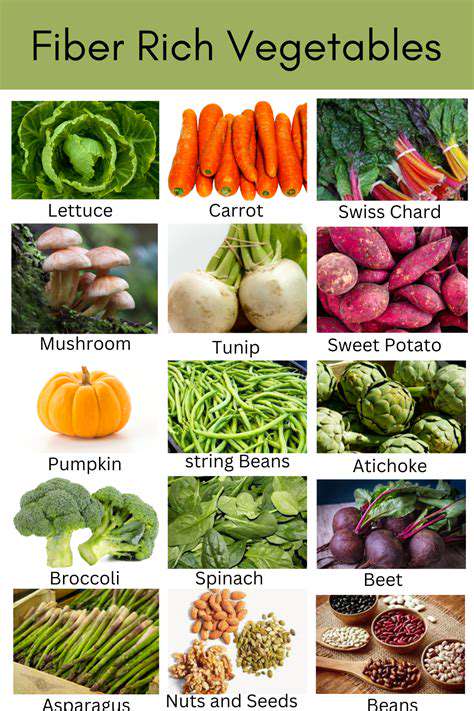
To create a colorful Buddha bowl, you'll want to gather a variety of fresh ingredients. Start with a base of whole grains such as quinoa or brown rice, which provide essential carbohydrates. Then, consider adding a mix of roasted or raw vegetables; for instance, sweet potatoes, carrots, and greens like spinach or kale work wonderfully.
Don't overlook the importance of protein. Incorporating beans, lentils, or even tofu can elevate the nutritional value of your bowl. Remember, balance is key to making a satisfying and healthy bowl. Finally, for added flavor and nutrients, top your bowl with seeds, nuts, or a delicious dressing.
Step-by-Step Preparation
Preparation is straightforward, making it easy for anyone to whip up a Buddha bowl at home. Start by cooking your chosen grain according to package instructions. While that cooks, chop and prepare your vegetables to get them ready for roasting or steaming. The goal is to enhance their natural flavors while preserving their nutrients.
Once your grains and vegetables are ready, it’s simply a matter of layering them in a bowl. Start with the grains as your base, followed by the vegetables and protein options. Finally, drizzle your dressing over the top and sprinkle with seeds or nuts for an extra crunch.
Creative Variations to Try
- Swap grains for cauliflower rice for a low-carb option.
- Add different proteins like grilled chicken or chickpeas for variety.
- Experiment with seasonal vegetables to keep things fresh.
One of the best things about Buddha bowls is their versatility. You can customize your bowl based on personal preferences or what's available in the fridge. For example, in summer, you might opt for lighter veggies like cucumbers and bell peppers, while in winter, heartier options like roasted squash can be more satisfying.
Nutritional Benefits of Buddha Bowls
Buddha bowls can provide a well-rounded meal full of essential nutrients. The combination of whole grains, proteins, healthy fats, and vegetables offers fiber, vitamins, and minerals your body needs. For instance, quinoa is a complete protein, making it an excellent choice for vegetarians and vegans alike.
Research shows that meals high in fiber can help improve digestion and promote feelings of fullness, aiding in weight loss efforts. Including various colors in your bowl not only makes it visually appealing but also ensures a wide range of nutrients. Each color typically represents different essential vitamins and minerals, enhancing your overall health.
Serving Sizes and Portion Control
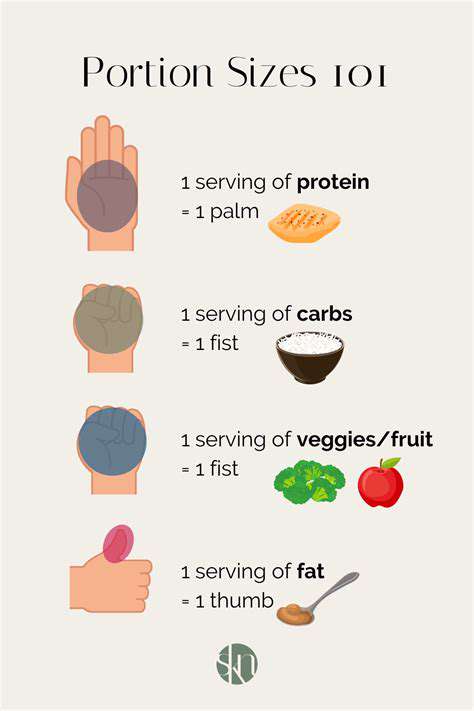
Portion control is vital when it comes to weight management. A Buddha bowl should ideally be packed with a variety of ingredients, but it's essential to keep serving sizes in check. You can use the plate method as a guide; fill half of your bowl with vegetables, one quarter with grains, and one quarter with protein.
Taking the time to measure your ingredients may seem tedious, but it is beneficial for fostering mindful eating habits. This approach allows you to enjoy your meal while staying within your caloric goals. Don’t forget to listen to your body's hunger and fullness signals.
Conclusion: Embrace the Buddha Bowl Trend
The Buddha bowl trend shows that healthy eating can be colorful, tasty, and convenient. As more people seek out nutritious meals that support their weight loss goals, this bowl style offers an adaptable solution. Consider incorporating a Buddha bowl into your weekly meal prep for easy and delicious lunches or dinners.
Ultimately, what makes a Buddha bowl successful is creativity and balance. Experiment with flavors, textures, and colors to find your ideal combination. By doing so, you not only nourish your body but also delight your taste buds.
3. Mediterranean Chickpea Bowl
Ingredients for a Healthy Mediterranean Chickpea Bowl
The Mediterranean Chickpea Bowl primarily features chickpeas, a fantastic source of protein and dietary fiber. This legume not only keeps you full longer but also contributes to heart health by reducing cholesterol levels. Other key ingredients include quinoa, a grain rich in essential amino acids, which serves as a great base and adds texture to your bowl.
Vegetables like cucumbers, tomatoes, and bell peppers provide essential vitamins and minerals, along with a refreshing crunch. Don’t forget the olive oil, a staple of Mediterranean cuisine renowned for its healthy fats. You might also consider adding feta cheese for a tangy flavor, enhancing both the taste and nutritional profile of your meal.
For seasoning, don't overlook fresh herbs like parsley and dill. Fresh ingredients not only highlight flavors but also add an aromatic profile that makes the dish even more appealing. They contribute antioxidants and essential nutrients that support overall health, making your bowl not only delicious but also nutritious.
Preparation Steps for Optimal Taste
Start by cooking the quinoa according to package instructions. Rinse the grains before cooking to remove any bitterness. For added flavor, consider cooking the quinoa in vegetable broth instead of water. This small change can elevate the overall taste of your bowl.
Next, while the quinoa is cooking, prep the vegetables. Dice tomatoes, cucumbers, and bell peppers, ensuring they are uniform in size for even distribution in the bowl. Mix these fresh vegetables to make a vibrant salad, tossing in the fresh herbs and a drizzle of olive oil. It’ll not only look appealing but also taste delightful.
Health Benefits of the Chickpea Bowl
This Mediterranean bowl is packed with several Health Benefits. Chickpeas are an excellent source of plant-based protein, making them a great choice for vegetarians and vegans. Studies show that including legumes in your diet can help regulate blood sugar levels and reduce the risk of chronic diseases such as diabetes and heart disease.
The inclusion of fresh vegetables contributes not just vitamins, but also fiber, which aids digestion and promotes gut health. Research indicates that a diet high in fiber can significantly lower the risk of cardiovascular diseases. Plus, the monounsaturated fats found in olive oil help in reducing inflammation and maintaining healthy cholesterol levels.
Customizing Your Chickpea Bowl
One of the best aspects of the Mediterranean Chickpea Bowl is its versatility. You can customize it according to your preferences or dietary needs. For a kick of spice, consider adding diced jalapeños or a sprinkle of red pepper flakes. Alternatively, to augment your protein intake, grilled chicken or shrimp can be wonderful additions.
Thinking about special diets? If you’re gluten-free, quinoa is a fantastic alternative to grains like couscous or bulgur. For those who prefer lower-carb options, you can substitute quinoa with cauliflower rice, which has gained popularity for its low carb count yet satisfying texture.
Serving Suggestions and Ideal Pairings
The Mediterranean Chickpea Bowl can be enjoyed as a standalone dish or paired with sides for a more extensive meal. Consider serving it alongside a light yogurt-based sauce, which can add a cooling element to the spicy components. This combination works well, especially on warm days when you seek something light and refreshing.
For a fuller experience, pairing the bowl with a slice of whole-grain pita bread enhances the meal. Whole grains will add fiber and nutrients while keeping the dish healthy. An optional dessert could be fresh fruit or a yogurt parfait to round out your dining experience, offering a sweet yet healthy end to your meal.
4. Spinach and Egg Breakfast Bowl
Preparation of Spinach and Eggs
Starting your day with a Protein-rich breakfast can help sustain energy levels throughout the morning. To prepare a spinach and egg breakfast bowl, begin by sautéing a cup of fresh spinach in a non-stick skillet over medium heat. Adding a pinch of salt can enhance its flavor while providing essential nutrients, such as vitamins A and C. Sautéing spinach reduces its volume significantly, making it easier to incorporate into the breakfast bowl while retaining its nutritional value.
Next, crack two eggs into the skillet with the spinach. Eggs are an excellent source of high-quality protein, and they contain vital nutrients like vitamin B12 and choline, crucial for brain health. Cooking the eggs until they reach your desired level of doneness ensures you keep their creamy texture while balancing the flavors of spinach. You can choose to scramble the eggs or cook them sunny-side up for added richness.
Nutritional Benefits of Spinach
Spinach is often touted as a superfood due to its dense nutrient profile. A single serving of cooked spinach provides about 6 grams of protein, which is notably high for a leafy green. Additionally, 100 grams of spinach contains about 23 calories, making it an ideal weight-loss food. The fiber in spinach promotes satiety, keeping you full longer and making it easier to manage your calorie intake throughout the day.
Recent studies suggest that the antioxidants found in spinach, including lutein and zeaxanthin, contribute positively to eye health. By incorporating spinach into your breakfast bowl, you harness the power of these compounds, potentially reducing the risk of age-related macular degeneration. This nutrient density positions spinach as a critical ingredient in maintaining overall health while facilitating weight loss.
Furthermore, spinach contributes to heart health by supporting blood pressure regulation. This is attributed to its high potassium content, which can help combat sodium's effects, ensuring better cardiovascular function.
Assembling the Breakfast Bowl
Once the Spinach and Eggs are cooked, it’s time to assemble your breakfast bowl. Begin by choosing a base, such as quinoa or brown rice, to add complex carbohydrates. One half-cup of cooked quinoa provides about 110 calories, along with essential amino acids. This combination of protein and fiber helps maintain steady energy levels, essential for starting your day on the right foot.
Add the sautéed spinach and eggs to the base, mixing in other healthy toppings to enhance taste and nutrition. Consider adding diced tomatoes, avocados, or a sprinkle of feta cheese for extra flavor. The inclusion of healthy fats from avocado provides additional health benefits, including improved absorption of fat-soluble vitamins from spinach.
Finally, drizzle a light vinaigrette or sprinkle your favorite herbs, such as basil or chives, to tie all the flavors together, ensuring a deliciously satisfying breakfast experience.
Customization Options
The spinach and egg breakfast bowl is versatile, with numerous ways to customize according to personal preferences. If you prefer a different leafy green, consider swapping spinach with kale or Swiss chard. These alternatives also offer similar health benefits, though they have distinct flavors and textures. You could even incorporate other vegetables like bell peppers or mushrooms for additional nutrients.
For those pursuing a plant-based diet, tofu scramble can serve as a suitable substitute for eggs. Tofu is high in protein and can be flavored with spices to mimic the taste of scrambled eggs effectively. Additionally, you could experiment with various spices such as garlic powder, cumin, or turmeric, enhancing both the flavor and nutritional profile of your breakfast bowl, making it an exciting meal option.
Why This Breakfast Supports Weight Loss
Opting for a breakfast bowl composed of spinach and eggs supports weight loss goals primarily due to its high protein and fiber content. Studies indicate that protein stimulates satiety hormones, reducing overall calorie consumption throughout the day. Additionally, the low-calorie density of spinach allows for a larger portion size without excessive calorie intake, facilitating adherence to a weight loss regimen.
Furthermore, a protein-rich breakfast like this one can help stabilize blood sugar levels, preventing energy crashes and cravings that often lead to unhealthy snacking later in the day. A balanced meal fosters better mood stabilization and energy levels, creating a conducive environment for achieving fitness and weight loss objectives.
In summary, incorporating a spinach and egg breakfast bowl into your daily routine can help create a solid foundation for weight management. Consistency, along with mindful ingredient choices, will lead to long-term health benefits as part of a sustainable eating pattern.
5. Stir-Fry Veggie and Tofu Bowl
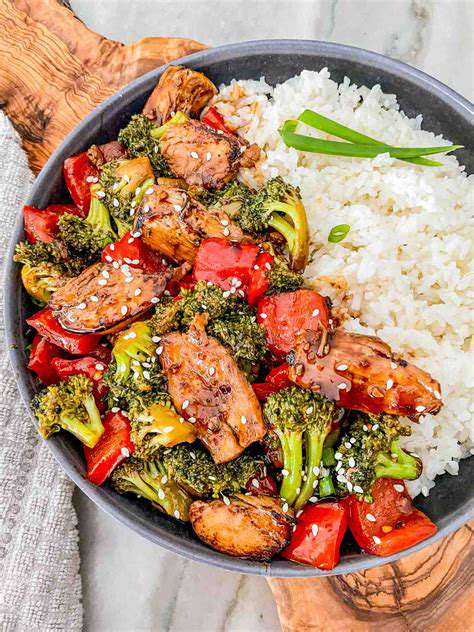
Ingredients That Pack a Nutritional Punch
When preparing a stir-fry veggie and tofu bowl, selecting the right ingredients is crucial for both flavor and health benefits. Tofu is an exceptional source of protein, containing all nine essential amino acids, making it perfect for a balanced meal. Additionally, incorporating a variety of vegetables can enhance the nutritional value significantly. For instance, bell peppers are rich in vitamins A and C, while broccoli offers a good amount of fiber and antioxidants. Together, these components not only make the dish vibrant and appealing but also support an overall healthy lifestyle.
Don’t forget to add some whole grains, like brown rice or quinoa, to your bowl. These grains add sustained energy and additional fiber, helping you feel fuller longer. Including a range of veggies also maximizes the dish’s micronutrients, creating a meal that supports weight loss without sacrificing taste or satisfaction.
Cooking Tips for the Perfect Bowl
Cooking a stir-fry that stands out hinges on a few key techniques. First, preheat your pan before adding oil; this ensures that the tofu gets crispiness on the outside while remaining tender inside. The right oil, such as sesame or coconut, can enhance flavors significantly. When adding vegetables, remember to include them in order from hardest to softest. For example, start with carrots and broccoli before adding zucchini or bell peppers, which cook faster.
Lastly, don’t skimp on the seasoning. A splash of soy sauce, a sprinkle of sesame seeds, or a dash of chili flakes can elevate the dish from plain to restaurant-quality. Experimenting with spices ensures every bite is packed with flavor, proving that healthy eating doesn’t have to be bland!
Read more about Healthy Bowl Recipes for Simple Weight Loss

![Best Snacks for Diabetics [Approved List]](/static/images/26/2025-05/HealthyFatsandComplexCarbohydrates.jpg)