Healthy Snacks for Road Trips That Support Weight Loss
Incorporating healthy fats into your road trip snack strategy is not just about nutrition but also about enhancing your travel experience. This approach can effectively counteract the fatigue associated with long journeys, allowing you to remain alert and satisfied.
Always remember that moderation is key; although healthy fats are beneficial, being mindful of portion sizes is essential for maintaining your desired weight. In essence, equipping yourself with the right snacks can empower you to enjoy your road trip without compromising your health goals.
5. Hydration is Key
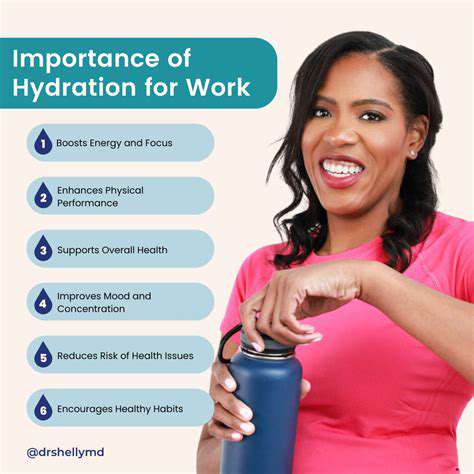
Understanding the Role of Hydration
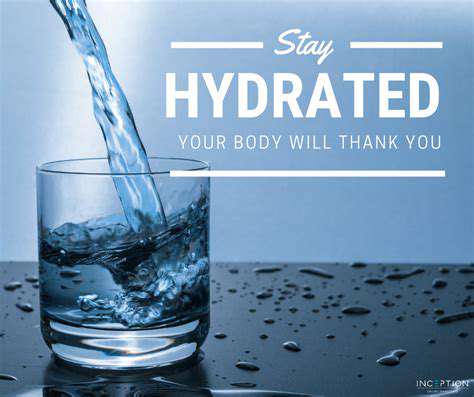
Hydration is an essential aspect of maintaining optimal health, especially during road trips, where the risk of dehydration often increases due to prolonged periods of travel. Staying adequately hydrated can help regulate body temperature, maintain joint lubrication, and ensure efficient nutrient transport throughout the body. For travelers, it’s vital to keep a water bottle close at hand to encourage regular fluid intake.
Research indicates that even mild dehydration can impact cognitive function and mood, which are crucial aspects when driving or navigating during a trip. Furthermore, dehydration might hinder your body's ability to. function effectively, leading to fatigue and diminished performance, which is counterproductive when trying to enjoy a relaxing getaway.
How Much Water Should You Drink?
Experts recommend aiming for at least eight 8-ounce glasses of water daily, but this can vary depending on individual needs and activity levels. When traveling, especially if you're consuming salty snacks or engaging in physical activity, you'll likely require more. A good rule of thumb is to drink around half your body weight in ounces. For example, if you weigh 150 pounds, strive for approximately 75 ounces of water per day.
If you're frequently stopping for snacks, consider filling your water bottle at each stop to track your intake and ensure you're getting enough fluids throughout the duration of your trip. You can also keep an eye on your thirst level as a simple reminder to hydrate.
Healthy Hydration Options
- Infused water with fruits like lemon or berries for added flavor and nutrients.
- Coconut water, which provides electrolytes and natural sweetness.
- Herbal teas, hot or iced, can be a soothing alternative.
While plain water is the best option for hydration, you can explore other flavorful alternatives as well. Infused water made with fresh fruits can make drinking water more appealing and do wonders for your hydration game. Choosing beverages naturally rich in electrolytes, like coconut water, can help replenish lost fluids during hot days on the road.
Avoiding Dehydrating Beverages
It is equally essential to be mindful of what you drink while traveling. Some beverages, such as sugary sodas, caffeinated drinks, and alcohol, can lead to dehydration because they increase urine output. Consuming these drinks can counteract your efforts to stay hydrated, making them less desirable during your trip.
Instead of reaching for the soda or energy drinks, consider alternatives that hydrate without the additional sugar or caffeine. Opting for low-sugar options or simply sticking to water can ensure you stay hydrated and energized throughout the journey.
Signs of Dehydration
Awareness of the early signs of dehydration is critical during a road trip. Common symptoms include increased thirst, dry mouth, fatigue, or darker urine. Recognizing these early signs can help you take timely action, such as increasing your water intake, and ultimately avoiding severe dehydration that can affect your health and travel experience.
If you notice any of these symptoms creeping in, stop and hydrate immediately. Keeping your water supply visible and handy will make it easier to drink more frequently and mitigate any risk of dehydration.
Tips for Staying Hydrated on the Go
To effectively manage hydration during your road trip, plan your hydration strategy ahead of time. Fill your cooler with ice-cold water bottles and pack a portable filter for refill in areas where clean water is scarce. Setting an alarm on your phone to remind you to drink at regular intervals can also be beneficial, especially if you're not used to drinking enough water.
Another great tip is to hydrate while snacking. Pairing your snacks with hydrating foods, such as cucumbers or watermelon, can offer multiple benefits. Not only do these foods provide hydration but they also deliver important vitamins and minerals that aid in overall well-being on the road.
Read more about Healthy Snacks for Road Trips That Support Weight Loss