Low Calorie Comfort Foods for Weight Loss
Table of contents
Soups are nutritious, incorporating vegetables and essential vitamins.
Using low-calorie ingredients enhances the nutritional profile of soups.
Creative flavor combinations can elevate simple soup recipes.
Preparing soups in bulk saves time and promotes healthy eating.
Leftovers can be repurposed into delicious, healthy soups.
Spices provide flavor and health benefits to soups and stews.
Integrating soups into meals can boost vegetable consumption.
Portion control is essential for enjoying pasta dishes guilt-free.
Healthier pasta can be made using whole grain or legume-based alternatives.
Guilt-free sauces minimize calories while enhancing pasta flavor.
Pairing pasta with balanced sides ensures nutritious meal options.
Utilizing natural sweeteners makes desserts decadent yet healthy.
Low-calorie mousse from avocados satisfies cravings without guilt.
Baked apples provide a warm, comforting low-calorie dessert.
Chia seed pudding is versatile and nutrient-rich for desserts.
Lean proteins are crucial for weight loss and muscle maintenance.
Chicken and fish offer delicious lean protein options for meals.
Vegetarian protein sources enhance diet diversity and satisfaction.
Snacks with lean protein help manage hunger effectively.
Meal prepping streamlines healthy eating throughout the week.
Small changes in protein intake contribute significantly to weight loss.
Savory oatmeal variations can transform breakfast into a nutrient-rich option.
Greek yogurt parfaits are a refreshing, protein-packed breakfast choice.
Veggie-packed egg muffins are easy to prepare and nutritious.
Whole grain pancakes provide fiber and heart-healthy nutrients.
Chia seed pudding is nutrient-rich and easily customizable for breakfast.
Quinoa breakfast bowls offer a protein-packed gluten-free option.
Low-calorie smoothies can provide a nutrient-dense breakfast on-the-go.
1. Flavorful Soups and Stews

1. Nutritional Benefits of Soups
Soups are an excellent way to incorporate a variety of vegetables into your diet. They are often rich in vitamins, minerals, and antioxidants that are essential for maintaining a healthy body. Studies have shown that consuming vegetable-rich soups can significantly improve Nutritional intake. A bowl of minestrone, for example, can provide fiber and essential nutrients without the added calories.
2. Low-Calorie Ingredients to Consider
- Broth-based liquids, such as vegetable or chicken broth
- Lean proteins like chicken breast or beans
- A wide variety of vegetables, especially leafy greens
- Herbs and spices to enhance flavor without calories
When crafting low-calorie soups and stews, choose ingredients wisely. Ingredients like broccoli, kale, and spinach can boost the nutritional profile. These additions not only enhance the taste but also contribute to satiety. Meanwhile, utilizing herbs such as basil or thyme can elevate flavor without adding unnecessary calories.
3. Creative Flavor Combinations
A great soup doesn't need to be complicated—experimenting with flavor combinations can elevate even the simplest recipe. For instance, pairing roasted tomatoes with garlic and basil creates a classic Italian flair. On the other hand, a miso broth combined with ginger and scallions imparts an Asian twist, giving you variety in your meals.
Don’t be afraid to mix unexpected flavors, like sweet potatoes with curry spices. These contrasts can turn an ordinary recipe into a standout dish that keeps you coming back for more.
4. Preparing Soups in Bulk
One practical tip is to prepare soups in large batches. Making a big pot allows for meal prep throughout the week, saving you time and energy. You can easily portion out servings to store in the fridge or freezer. This strategy is especially effective when you're following a calorie-conscious diet.
By having homemade soup readily available, you can avoid high-calorie convenience foods. Remember, a cup of soup can fill you up, making it easier to maintain a healthy eating routine.
5. Making Use of Leftovers
Leftover meats or vegetables can be repurposed into delicious soups, minimizing waste and enhancing your meals. For example, if you have leftover roast chicken, adding it to a broth with vegetables can create a comforting chicken soup. This practice encourages creativity in the kitchen while keeping your meals healthy.
6. The Role of Spices in Flavor Enhancement
Spices not only improve flavor but also provide health benefits. Turmeric, known for its anti-inflammatory properties, can be a great addition to a simple vegetable stew. Meanwhile, cumin adds a warm, earthy flavor to soups, making them more appealing without the need for extra calories. Incorporating spices allows for diverse flavors, providing excitement in your weight loss journey.
7. Incorporating Soups into Your Daily Routine
To maximize the benefits of soups in your diet, consider integrating them into your meals regularly. A small bowl as an appetizer can help control overall calorie intake and increase your veggie consumption. You might also enjoy a hearty soup as a light lunch paired with a side salad to create a balanced and fulfilling meal.
Don’t shy away from trying new recipes weekly; this keeps your diet fresh and enjoyable while aiding your weight loss efforts.
2. Lightened-Up Pasta Dishes
Understanding the Importance of Portion Control
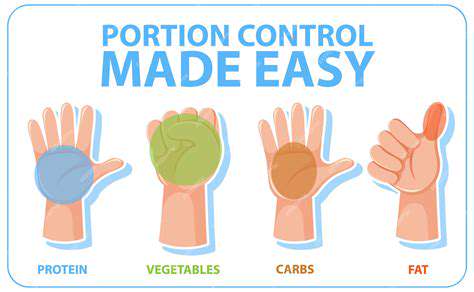
When it comes to enjoying pasta dishes while staying on track with your weight loss goals, Portion Control is crucial. Research indicates that many people underestimate their food intake, which can lead to unintended calorie consumption. By understanding appropriate serving sizes, you can enjoy your favorite dishes with minimal guilt.
One effective strategy for managing portions is using measuring cups or a food scale. For example, a serving of pasta generally should be around two ounces dry, which roughly equals one cup of cooked pasta. Keeping these measurements in mind helps maintain portion awareness and supports your weight loss journey.
Incorporating Healthier Ingredients
To create lightened-up pasta dishes, consider swapping out traditional ingredients for healthier alternatives. Using whole grain or legume-based pasta can increase the fiber content and enhance nutritional value, making your meals more satisfying. Research shows that higher fiber intake can contribute to weight loss by promoting feelings of fullness.
Additionally, adding a variety of vegetables boosts the nutrient profile of your dish without significantly increasing calories. Consider ingredients like zucchini, bell peppers, or spinach, which provide vitamins, minerals, and antioxidants while adding volume to your plate.
Guilt-Free Sauces for Flavor Enhancement
Many commercial pasta sauces are loaded with sugar and unhealthy fats. Crafting your own guilt-free sauce can dramatically reduce calories while enhancing flavor. For example, a simple sauce made from crushed tomatoes, garlic, and herbs can provide robust flavor without the added calories found in many store-bought brands.
You can also consider using Greek yogurt or cauliflower puree as creamy alternatives to heavy cream. These options not only elevate the dish but also add nutritional benefits, such as protein and lower fat content.
Top Lightened-Up Pasta Recipes
One of the standout recipes in the lightened-up pasta category is zucchini noodles with marinara sauce. It's a perfect dish for those seeking a low-calorie alternative while still enjoying the comfort of pasta. Studies indicate that spiralizing vegetables can significantly reduce calorie intake, making it an attractive substitute for traditional pasta.
Another highly recommended dish is a whole grain penne with roasted cherry tomatoes and spinach. The tomatoes offer a burst of flavor, while spinach adds essential nutrients, creating a delicious yet balanced meal. This recipe aligns well with the principles of a healthy diet emphasizing whole foods and minimal processing.
Pairing Your Pasta with Balanced Sides
To maintain a balanced meal, think critically about what you serve alongside your lightened-up pasta dishes. A salad with a variety of greens and a light vinaigrette can complement the meal without piling on excess calories. Research has shown that starting a meal with a salad can reduce overall calorie intake, making it a smart choice for weight loss.
Incorporating proteins such as grilled chicken or chickpeas can also enhance satiety, helping you feel full longer. By focusing on balance and variety, you’ll transform your pasta dishes into nutritious meals that align with weight management goals without compromising on flavor.
3. Decadent Yet Healthy Desserts
Healthy Ingredients for Guilt-Free Indulgence
When crafting decadent yet Healthy Desserts, the choice of ingredients plays a crucial role. Opting for natural sweeteners like honey or maple syrup can significantly reduce calorie intake compared to refined sugars. For instance, using a quarter cup of honey provides about 250 calories, while the same amount of granulated sugar rounds up to around 400 calories. Additionally, substituting regular flour with almond flour or oat flour not only lowers carbohydrates but also boosts protein content, making desserts more satisfying.
Fruits are indispensable allies in the world of healthy desserts. Incorporating fresh fruits such as berries, which are rich in antioxidants, doesn’t just enhance flavor; it also adds fiber and essential vitamins. For example, a cup of strawberries contains around 50 calories and is packed with vitamin C. This approach makes your dessert not just a treat but also a source of nutrients, emphasizing how healthy choices can seamlessly blend with indulgence.
Creative Low-Calorie Dessert Ideas
One fantastic option for a healthy dessert is a low-calorie chocolate mousse made from avocados. Blend ripe avocados with cocoa powder and a natural sweetener for a rich, creamy texture that aligns perfectly with weight-loss goals. With each serving containing under 150 calories, you can enjoy the sweetness without the guilt. This dessert not only tastes indulgent but also provides healthy fats that are essential for overall wellness.
Another great idea is to prepare baked apples sprinkled with cinnamon and a touch of honey. Simply core some apples, fill them with a mixture of oats and spices, and bake until tender. This dish provides a warm, comforting experience with minimal calories—making it perfect for a cozy evening. Moreover, the soluble fiber in apples can aid digestion, providing further health benefits while satisfying your cravings.
Experimenting with chia seed puddings can also be a delightful way to incorporate healthy elements into your dessert repertoire. Combining chia seeds with your choice of plant-based milk creates a pudding that is not only high in omega-3 fatty acids but also provides a creamy and satisfying consistency. Flavor it with vanilla extract or fresh fruit to keep things interesting. It's a versatile dish that allows for endless variations, catering to diverse taste preferences.
4. Satisfying Lean Protein Recipes

Understanding Lean Proteins
Lean proteins are essential for those looking to maintain muscle while losing weight. They provide vital nutrients without excess fat and calories. Incorporating lean protein into your diet can help you feel fuller longer, reducing cravings and promoting weight loss. Common sources include chicken, turkey, fish, beans, and legumes.
Research shows that diets high in protein can boost metabolism, resulting in increased calorie burn. Studies suggest that individuals consuming adequate protein can lose up to 11 pounds more than those on lower-protein diets.
Delicious Chicken Recipes
Chicken is a versatile protein that can be cooked in numerous ways, making it a staple for many households. For a simple yet satisfying dish, try grilling marinated chicken breasts with your choice of herbs and spices.
Incorporating ingredients like lemon juice or Greek yogurt in your marinade can enhance flavor while keeping calories lower. Pairing grilled chicken with steamed vegetables promotes a balanced meal and aids in weight management.
Exploring Fish Options
- Salmon
- Tilapia
- Sardines
Fish is an excellent source of protein that also provides healthy omega-3 fatty acids. Salmon, for instance, not only offers lean protein but is also rich in essential nutrients.
Incorporating different types of fish into your diet can provide variety and help reduce the monotony of meals.
Vegetarian Protein Sources
If you're looking for plant-based options, legumes and beans are great choices. They are high in protein and fiber, which can promote satiety. Chickpeas and lentils can easily be incorporated into salads, soups, or homemade veggie burgers. This not only increases your protein intake but also adds nutritional diversity to your diet.
Simple Healthy Snacks
Snacking can often lead to unwanted weight gain, but choosing the right snacks can keep you on track. Opt for Protein-rich snacks such as Greek yogurt, cottage cheese, or a handful of nuts. These can satisfy hunger without loading up on empty calories.
Making your own protein bars using oats, protein powder, and nut butter is also a great way to control what you consume while enjoying a treat.
Meal Prep Strategies
Meal prepping is a smart way to ensure that you have healthy, lean protein sources ready to go throughout the week. Start by cooking a batch of grilled chicken or fish and portioning it into containers with vegetables.
This not only saves time but also allows you to control portions and nutritional content, making it easier to stick to your weight loss goals. Choosing to prep meals each week can significantly reduce the temptation to choose less healthy convenience foods.
Incorporating Lean Protein into Your Diet
Making small changes to include lean proteins in each meal can have a notable impact on weight loss efforts. Whether it's adding a scoop of protein powder in your smoothies or choosing lean cuts of meat, every little bit counts.
Furthermore, incorporating protein-rich foods in the early part of the day can help kick-start your metabolism, setting a positive tone for the rest of your meals.
5. Creative Breakfast Options
1. Savory Oatmeal Variations
Oatmeal doesn't have to be bland; in fact, it can be a canvas for a variety of savory toppings. Consider adding sautéed spinach, tomatoes, and a poached egg for a nutrient-rich breakfast. This combo not only packs protein but also a host of vitamins to kickstart your day.
For a spicy twist, incorporate jalapeños, black beans, and a sprinkle of cheddar cheese. This hearty option has about 350 calories, making it filling while keeping your overall calorie count in check. Mixing in spices like cumin or smoked paprika can elevate the flavors significantly.
2. Greek Yogurt Parfaits
Greek yogurt is a powerhouse of protein that can be combined with fruits and nuts for a refreshing breakfast. Try layering 1 cup of non-fat Greek yogurt with fresh berries and a handful of granola. This creates a parfait that is not only visually appealing but also nutrition-dense, providing fiber and antioxidants.
3. Veggie-Packed Egg Muffins
Egg muffins are versatile and easy to prepare. Simply whisk together eggs with a multitude of vegetables like bell peppers, zucchini, and spinach, then bake in a muffin tray. Each muffin typically contains around 75 calories and offers a good protein source to help maintain muscle mass while losing weight.
To keep it interesting, vary your ingredient mix weekly with different herbs and cheese. Freezing leftovers makes for a quick grab-and-go breakfast option during busy mornings.
4. Whole Grain Pancakes with Flaxseed
Whole grain pancakes can also be a healthy breakfast choice. Substitute regular flour with whole wheat or oat flour, and add ground flaxseed for additional fiber and omega-3 fatty acids. Flaxseed is known to support heart health and can help you feel fuller longer.
Making a batch and freezing the extras ensures you'll always have a quick breakfast option that’s ready to heat and serve. Top with a small drizzle of pure maple syrup and some freshly cut fruits for an enticing start to your day.
Research indicates that meals high in fiber, like flaxseed pancakes, can help reduce calorie consumption later in the day.
5. Chia Seed Pudding
Chia seeds are not only nutrient-rich but also incredibly versatile. Prepare chia seed pudding by mixing the seeds with almond milk and letting them sit overnight. Each serving can be customized with various toppings such as nuts, coconut flakes, or fresh fruits, providing a substantial meal for about 200 calories per serving.
The high fiber content helps in regulating digestion and keeps you satiated. For best results, try different flavorings like vanilla extract or cocoa powder to match your taste preferences.
6. Quinoa Breakfast Bowls
Quinoa isn’t just for lunch or dinner; it can be a gluten-free grain base for a delicious breakfast bowl. Cook quinoa in almond milk and add some cinnamon and honey for sweetness. A serving typically comes in at about 220 calories, yielding a hearty breakfast choice.
Add toppings such as sliced bananas and walnuts for a nutritious crunch. Quinoa is packed with protein and essential amino acids, keeping you energized throughout the morning.
7. Low-Calorie Smoothie Combos
Crafting a low-calorie smoothie can be an exciting breakfast option as well. By blending leafy greens, like spinach, with fruits like banana and a scoop of protein powder, you'll create a low-sugar and nutrient-dense drink. A well-made smoothie can range around 250 calories, making it a great option for busy mornings.
Experimenting with different base liquids can also keep your smoothie game fresh; using coconut water adds hydration while keeping the calorie count low. Just be cautious with high-calorie add-ins like nut butters, and opt instead for fiber-rich ingredients such as berries or avocado to enhance your smoothies.
Read more about Low Calorie Comfort Foods for Weight Loss









Hot Recommendations
-
*How to Transition from Walking to Running for Speed
-
*Lower Back Pain: When to Use a Brace vs. Strengthening
-
*Strengthening the Spine for Better Daily Function
-
*How to Build Running Endurance During the Winter
-
*Expressing Gratitude for Your Body’s Capabilities
-
*Gratitude and Recovery: Healing Faster with a Positive Mind
-
*The Best Core Exercises for Chronic Back Pain
-
*Healthy Meal Swaps for Common Takeout Cravings
-
*The Link Between Gratitude and Career Longevity
-
*Stretches to Relieve Back Pain After Long Drives