Natural Sweeteners
Health Benefits
Health
Nutrition
Culinary Techniques
Flavor Profiles
Cooking Techniques

Healthy Ways to Sweeten Your Food Without Sugar
A Healthier AlternativeNaturalSweeteners:AHealthierAlternative

Understanding Natural Sweeteners

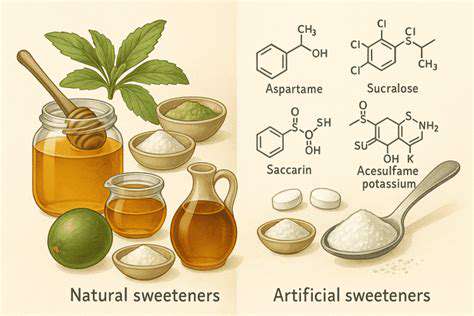
Natural sweeteners encompass a range of substances derived from plants, fruits, and other natural sources. They serve as alternatives to refined sugars, aiming to provide sweetness with fewer health risks. Unlike conventional sugars, these sweeteners often come with added nutrients and lower glycemic impacts. This quality makes them appealing for those seeking healthier dietary options.

Common natural sweeteners include honey, maple syrup, agave nectar, and Stevia. Each has unique characteristics, flavor profiles, and sweetness levels, which can influence cooking and baking. Understanding the differences among these options enables you to choose the sweetener that best suits your culinary needs.

Health Benefits of Natural Sweeteners

Incorporating natural sweeteners into your diet can provide numerous health benefits. For instance, honey is not only sweet but also rich in antioxidants, which can help combat oxidative stress in the body. Studies indicate that honey has antimicrobial properties that assist in wound healing.

  • Natural sweeteners often have lower calorie counts than refined sugars.
  • They may contribute to better blood sugar control.
  • Some, like Agave and Stevia, have minimal impacts on glycemic index.

Using these alternatives may allow people with diabetes to enjoy sweetness without significant blood sugar spikes. It's crucial to note, however, that moderation remains key in all sweeteners, natural or otherwise.

Comparing Sweetness Levels

Not all natural sweeteners are created equal when it comes to sweetness. For example, Stevia can be substantially sweeter than sugar, requiring less to achieve the same level of sweetness. Meanwhile, honey has a sweetness level comparable to sugar but comes with additional flavors.

Choosing the right sweetener depends on the recipe and desired flavor profile. For baking, you may need to adjust the liquid content when using liquid sweeteners to maintain the proper consistency. Therefore, understanding these levels can help you achieve the best results in your cooking.

Potential Drawbacks of Natural Sweeteners

While natural sweeteners offer many advantages, they also have potential drawbacks that should not be overlooked. For instance, some natural sweeteners, such as agave nectar, can be high in fructose, which may be detrimental to liver health when consumed in excess. Another concern is the cost; Natural sweeteners can be more expensive than refined sugar.

Moreover, certain people may experience sensitivities or allergic reactions to specific natural sweeteners. For example, individuals with fructose intolerance may have adverse reactions to honey or agave syrup.

Natural Sweeteners in Baking and Cooking

Using natural sweeteners in baking and cooking can invigorate traditional recipes with new flavors. Honey and maple syrup can add depth to baked goods, while Stevia can provide a no-calorie option suitable for many diets. It's essential to understand how each sweetener impacts texture and moisture: for example, honey can make items denser depending on its concentration.

Experimentation can lead to delicious discoveries, but ensure you consider the unique qualities of each sweetener. Adjustments may be necessary to maintain the integrity of your dish. It can also be useful to combine sweeteners for balanced flavors and better results.

Natural Sweeteners and Weight Management

For those looking to manage their weight, natural sweeteners can be a wise choice. Many natural options, such as Stevia and monk fruit, contain few or no calories, making them suitable for low-calorie diets. Switching to these sweeteners can satisfy a sweet tooth without excessive caloric intake.

Additionally, the lower glycemic index in many natural sweeteners can help maintain stable energy levels and decrease cravings. This balance can play a significant role in weight management strategies. However, individuals should still pay attention to overall dietary habits and lifestyle to achieve optimal results.

Choosing the Right Natural Sweetener for Your Lifestyle

Finding the right natural sweetener requires personal consideration of dietary preferences, health goals, and taste. Individuals seeking to reduce calories might prefer low-calorie options like Stevia or erythritol. In contrast, those looking for added flavor may enjoy honey or maple syrup for their unique tastes.

Remember that moderation is essential. While natural sweeteners can offer healthier sweetness alternatives, excessive consumption can lead to unwanted health effects. Assess your needs, experiment with different options, and find what works best for your lifestyle.

Fruits: Nature’s Candy

Fruits:Nature’sCandy

Health Benefits of Fruits

Fruits are not just delicious; they are packed with Essential vitamins and minerals that can greatly enhance our overall health. For instance, citrus fruits like oranges and grapefruits are rich in Vitamin C, which plays a crucial role in strengthening the immune system. Studies have shown that a regular intake of fruits can help reduce the risk of chronic diseases such as heart disease and obesity.

Additionally, fruits are a Natural source of dietary fiber, which aids in digestion and helps maintain a healthy weight. Research indicates that consuming a high-fiber diet can lower blood cholesterol levels and regulate blood sugar. By incorporating a variety of fruits, you'll also benefit from a broad spectrum of nutrients that support bodily functions.

Varieties of Fruits for Natural Sweetness

  • Bananas: Great for smoothies and baking.
  • Dates: Excellent as a natural sweetener in recipes.
  • Mangoes: Tropical sweetness that also hydrates.

The variety of fruits available allows for creative and appetizing sweetening alternatives. Bananas, for instance, can be mashed into pancakes or smoothies, providing a natural sweetness without added sugars. Dates, on the other hand, are often used in energy bars due to their intense sweetness and chewy texture, making them a perfect option for those looking for a sugar substitute.

Mangoes are another favorite, ideal for enhancing desserts or salads, plus they add a tropical flair. Incorporating different fruits not only keeps your meals diverse but also exposes you to numerous health benefits.

The Role of Fruits in Cooking and Baking

Fruits can be an effective way to add sweetness to both savory and sweet dishes. For example, using applesauce in baking can yield moist cakes while lowering the added sugar content. Substituting sugar with fruit purees not only adds flavor but also enhances the nutritional profile of your dish.

Moreover, fruits can infuse flavors into savory meals. For instance, adding pomegranate seeds to salads provides a sweet, crunchy element that complements greens beautifully. This blend of textures and flavors can excite the palate while keeping meals healthy.

Incorporating Fruits into a Balanced Diet

Integrating fruits into your daily meals doesn’t have to be complicated. Aiming to fill half your plate with fruits and vegetables at each meal can help you achieve a balanced diet. Research from the USDA suggests that adults should consume at least 2 cups of fruits per day, ensuring they receive vital nutrients.

Moreover, the convenience of fruits makes them an ideal choice for snacks. Fresh fruit can be easily packed for work or school, avoiding the temptation of processed sugary snacks. As you explore different fruits, consider seasonal options; they often taste better and are more affordable, making it easier to stick to a nutritious eating plan.

Delicious Recipes Using Fruits as Sweeteners

Experimenting with recipes that utilize fruits as sweeteners can be a great way to enjoy healthier alternatives. For instance, try making a banana-oatmeal cookie using mashed bananas instead of refined sugar. This not only enhances the flavor but also adds moisture to the cookies.

Another idea is to create a fruit compote using berries and a hint of lemon zest. Simply cook the berries down until they’re syrupy; this can serve as a topping for yogurt or pancakes, satisfying sweet cravings without added sugars. Moreover, using fruits in yogurt or smoothies can offer a delicious way to achieve a sweet flavor while remaining nutritious.

Flavor Enhancements Beyond Sweetness

Understanding Flavor Complexity

Flavor is not confined to sweetness alone; it encompasses an array of tastes such as sour, salty, bitter, and umami. Each of these elements contributes to the overall flavor profile of a dish. For instance, incorporating a dash of vinegar can enhance the experience by adding a layer of acidity that often brings out sweet notes in other ingredients. Understanding these fundamentals enables you to create dishes with depth and dimension.

Research has shown that our taste buds can detect five basic tastes, but combining them in varying proportions can lead to an infinite number of flavor experiences. For example, a touch of salt can reduce bitterness, making certain flavors more palatable and appealing. Thus, leveraging these taste interactions rather than relying solely on sweetness opens up a broader range of culinary possibilities.

Herbs and Spices as Natural Flavor Boosters

Integrating herbs and spices into your cooking not only enhances flavor but also uplifts the nutritional value of meals. For instance, rosemary and thyme are known to add freshness and vibrancy to savory dishes without any added calories. Additionally, spices like cinnamon and ginger provide warmth and richness, almost masking the need for any sugars. These natural enhancers can transform your dishes profoundly.

Studies indicate that certain herbs, such as basil and cilantro, possess compounds that contribute to health benefits, such as anti-inflammatory properties. Using fresh herbs liberally can also allow for a more satisfying culinary experience while reducing the need for sweetness. Experimenting with different combinations can lead to delightful surprises in flavor and health benefits.

Bitterness: An Overlooked Flavor Element

This often-unpopular flavor, when used judiciously, can create a unique balance in your food preparations. Ingredients like dark chocolate, coffee, or certain greens offer bitter notes that can counteract the sweetness of other components. Research shows that incorporating bitterness can enhance overall perception of taste and create a more rounded flavor experience.

To effectively utilize bitterness, consider combining it with sweetness in a dish. For example, a dark chocolate sauce can be paired with spicy fruits, creating a complex and satisfying dessert that relies on both taste profiles. Starting small with bitter ingredients can help you gauge how much works for your palate, leading to ultimately richer meals.

The Role of Acidity in Balancing Flavors

Acids, such as lemon juice or vinegar, possess the remarkable ability to brighten flavors in both sweet and savory dishes. While they may not add sweetness themselves, their presence can make other flavors stand out significantly. For example, in a fruit salad, a squeeze of lemon can enhance the natural sweetness of the fruits without adding any sugar.

Research supports the use of acidity in culinary applications, as it can also stimulate saliva production, improving mouthfeel and taste perception. Not only can it balance sweetness, but it can also add a refreshing twist to a dish that might otherwise taste heavy. An understanding of how to balance acidity will refine your cooking skills and help you create more satisfying meals.

For those new to cooking, experimenting with different acidic components is advised. Start with small amounts and gradually adjust until you find the ideal balance. This technique will help avoid overwhelming your dish while providing that necessary punch.

Creating a Diverse Flavorscape with Umami

Umami is often referred to as the “fifth taste” and is crucial in creating a well-rounded flavor profile in dishes. Rich ingredients like tomatoes, mushrooms, and aged cheeses bring this savory depth to your meals, allowing you to enjoy satisfying flavors without added sugar. Understanding how to highlight umami can elevate your dishes significantly without relying solely on sweeteners.

Cooking with fermented foods such as miso or soy sauce introduces umami flavors that can even enhance sweetness perception. Incorporating these ingredients allows for a flavorful yet healthier alternative to traditional sugary condiments. There’s a plethora of resources available that explore the science behind umami, encouraging chefs to explore this flavor further for healthier taste experiences.

To best utilize umami, consider layering ingredients in your cooking. For meals like stews or sauces, add various sources of umami at different stages to create complexity, proving that satisfying flavor doesn’t have to center solely on sweetness.

Creative Culinary Techniques

CreativeCulinaryTechniques

Understanding Natural Sweeteners

Natural sweeteners can be a great alternative to refined sugar. These sweeteners often come with additional nutrients that refined sugar lacks. Popular options include honey, maple syrup, and agave nectar, each offering unique flavors and textures.

Research has shown that some natural sweeteners may even provide health benefits. For example, honey has antioxidant properties and can help with wound healing. However, it's important to note that they still contain calories, so moderation is key.

When selecting a natural sweetener, consider your dietary restrictions and preferences. Some people may need to avoid fructose, which is high in agave nectar, while others may prefer the lower glycemic index of coconut sugar.

Creative Pairings with Fruits

Fruits naturally provide sweetness along with a host of vitamins and minerals. You can boost your dishes by incorporating mashed bananas or pureed dates into recipes, which also add moisture. These ingredients work well in baked goods, smoothies, and even salad dressings.

For a fresh twist, consider using fruit compotes or reductions. By slowly cooking down fruits such as berries or apples, you create a concentrated flavor that enhances desserts and breakfast options alike. This technique elevates the dish while keeping it healthy.

Experimenting with different fruit combinations can lead to exciting flavor profiles. For instance, pairing mango with lime can add a refreshing zing to your dishes.

Using Spices and Flavor Enhancers

  • Cinnamon and nutmeg can enhance sweetness in dishes without adding sugar.
  • Extracts, such as vanilla or almond, provide powerful flavor with minimal calories.
  • Herbs like mint or basil can add a surprising depth to sweet dishes.

Spices and extracts can completely transform the taste of a dish, making it feel sweeter without the need for sugar. Cinnamon, for instance, is known not only for its flavor but also for its ability to balance blood sugar levels. Adding just a pinch can lift the overall experience of a meal.

Many chefs utilize flavor enhancers to create depth in their culinary creations. Ingredients like vanilla extract or almond extract pack a flavorful punch, ensuring that your palate enjoys sweetness without relying solely on sugar.

Incorporating fresh herbs into sweet recipes is another innovative approach. The freshness of herbs like basil or mint can offset the sweetness, making a dish taste more balanced and complex.

Smart Cooking Techniques

Cooking techniques can significantly impact flavor without extra sugar. Roasting vegetables can caramelize their natural sugars and enhance sweetness. For example, roasted carrots or sweet potatoes develop a rich flavor profile that can satisfy sweet cravings.

Another technique is to make your own fruit sauces by cooking down fruits with a touch of water or lemon juice. This method not only preserves the nutrients but also allows you to control the sweetness level. It's a great way to dress up pancakes or yogurts without added sugar.

Finally, don't overlook the power of healthy fats. Incorporating ingredients like avocado or nut butters can create a rich, satisfying flavor that minimizes the need for sweetness while still satisfying your cravings.

Read more about Healthy Ways to Sweeten Your Food Without Sugar

Guide to Exercising Safely with Hypertension
May 07, 2025
Understanding Healthy Fats vs Unhealthy Fats
May 18, 2025
Guide to a Clean Eating Lifestyle
May 24, 2025
Debunking 10 Common Nutrition Myths
Jul 19, 2025
Best Nutrition for Building Muscle in Your 40s+
Aug 05, 2025
Guide to Managing Irritable Bowel Syndrome (IBS) Through Diet
Aug 06, 2025
The Link Between Gratitude and Motivation in Fitness Explore How Gratitude Fuels Your Fitness Journey Understanding Gratitude's Role in FitnessGratitude is more than just a pleasant feeling; it serves as a powerful motivation enhancer in the realm of fitness. Individuals who practice gratitude report higher satisfaction levels and commitment to their fitness goals. By recognizing achievements—big or small—you create a positive feedback loop that alleviates frustration and stimulates further effort. Science Supports the Connection Between Gratitude and MotivationResearch has shown that individuals who express gratitude display increased happiness and resilience. This emotional strength equips them to tackle challenges, essential for long-term commitment to fitness goals. Embracing gratitude fosters a mindset that not only uplifts you emotionally but physically, promoting overall health. Setting Practical Fitness GoalsEstablishing clear, realistic objectives can significantly impact your motivation. Regular reflection on these goals, complemented by a gratitude practice, ensures you appreciate your progress along the journey. Acknowledging milestones, however minor, reinforces your commitment and propels you forward. Utilize Gratitude Journaling for Enhanced FocusKeeping a gratitude journal can transform how you engage with your fitness routine. Documenting daily achievements allows you to shift your focus towards the positives, serving as a motivational reminder in tougher times. It’s about creating a record of progress that celebrates persistence and resilience. Harness Community SupportEngagement with a supportive community amplifies the motivational effects of gratitude. Sharing your feelings with friends or mentors creates networks of accountability, solidifying your commitment to fitness goals. By expressing appreciation within these circles, you nurture a space that fosters collective motivation and perseverance. Transforming Setbacks into OpportunitiesSetbacks are an inherent part of any fitness journey. Embracing gratitude enables you to convert challenges into growth opportunities, reducing frustration and cultivating a resilient attitude. Recognizing the lessons learned from difficulties keeps motivation intact even as hurdles arise. Long-Term Benefits of GratitudePracticing gratitude offers long-lasting advantages that extend beyond mere motivation. It helps establish a sustainable fitness routine, enriching not just physical health but overall well-being. Integrating gratitude into your lifestyle creates a solid foundation that supports health commitment on all levels. Cultivating a Holistic Approach to WellnessUnderstanding holistic wellness fosters a multi-dimensional view of fitness. By integrating physical, mental, and social aspects, individuals can build a balanced lifestyle that supports sustained commitment. Emphasizing gratitude within this framework can lead to greater motivation and improved satisfaction in fitness endeavors. Mindfulness and ConsistencyIncorporating mindfulness allows for deeper engagement with fitness activities. This practice enhances self-awareness, leading to smarter choices during workouts. Tracking progress through journaling or apps provides visual motivation and signifies achievement, encouraging consistency. Building Sustainable Gratitude PracticesEstablishing simple gratitude routines, such as journaling or sharing appreciation before workouts, can create lasting impacts on discipline and commitment. When you express thankfulness for your body and capabilities, you naturally enhance your exercise experience, resulting in more consistent fitness habits.Explore how gratitude can revolutionize your approach to fitness, cultivating a mindset geared towards success and a healthier lifestyle. By adopting these principles, not only can you enhance your motivation but also enrich your overall fitness journey.
Mar 06, 2026
Understanding the Connection Between Lower Back Pain and Bone DensityLower back pain is a common ailment that can significantly affect one's daily life. One critical factor contributing to this discomfort is bone density. In this article, we delve into how bone density impacts lower back pain, the risk factors associated with bone density loss, and effective management strategies. The Importance of Bone DensityBone density refers to the amount of mineral matter in bones, which is crucial for maintaining skeletal strength and integrity. A decline in bone density, often seen in conditions like osteoporosis, can lead to vertebral fractures that significantly increase pain levels. Research shows that individuals with lower bone density frequently report greater discomfort from micro-fractures in the spine. Risk Factors for Bone Density LossSeveral factors can lead to a decline in bone density, particularly among older adults. Hormonal changes, inadequate nutrition, a sedentary lifestyle, and genetic predisposition all play a role. For instance, post-menopausal women are especially vulnerable due to lower estrogen levels, a hormone essential for bone maintenance. Monitoring these risk factors is essential for preventing chronic conditions that lead to lower back pain. Managing Lower Back Pain and Enhancing Bone DensitySuccessfully managing lower back pain often requires a comprehensive approach. Engaging in targeted physical therapy, specific exercises, and lifestyle modifications can help alleviate symptoms and improve mobility. Weight-bearing activities, like walking and resistance training, stimulate bone growth and enhance density over time, offering dual benefits for back pain management.Healthcare professionals may also recommend medications to improve bone density for individuals at higher risk of osteoporosis. Regular screenings and individualized plans can further enhance bone health and pain management strategies. Nutrition for Optimal Bone HealthA balanced diet rich in key nutrients is vital for maintaining bone density. Calcium and vitamin D are particularly crucial, as they work together to strengthen bones and enhance their resilience against fractures. Additionally, incorporating foods high in magnesium, phosphorus, and vitamin K can further support bone health. Dairy products, leafy greens, and fatty fish are excellent dietary sources that should be included in meals to promote optimal bone density. Practicing Good PostureGood posture is essential not only for spinal health but also for preventing lower back pain. Poor ergonomics can place unnecessary strain on the lumbar region and exacerbate discomfort. Simple adjustments to sitting arrangements and engaging in core-strengthening exercises, like yoga or Pilates, can significantly improve posture and relieve pain. When to Consult Healthcare ProfessionalsPersistent lower back pain may signal underlying bone health issues that warrant medical assessment. If your pain persists or worsens with regular activity, it is crucial to consult a healthcare professional. They can conduct evaluations, recommend lifestyle modifications, and provide tailored interventions to enhance bone density and alleviate pain.By understanding the link between lower back pain and bone density, individuals can take proactive steps toward improving their skeletal health, ensuring a more comfortable and mobile lifestyle.--- This article explores essential connections and preventive measures to maintain bone health and effectively manage lower back pain. Ensure you’re informed and equipped to address any concerns regarding these issues.
Mar 12, 2026
A Comprehensive Guide What is Anterior Pelvic Tilt?Anterior pelvic tilt (APT) is a common postural imbalance that occurs when the front of the pelvis tilts forward and the back lifts upward. This displacement can lead to various issues, including chronic lower back pain and discomfort. With approximately 30% of individuals with lower back pain affected by APT, identifying the condition is crucial for effective intervention and improvement of overall body function. Common Symptoms of APTPeople with anterior pelvic tilt often experience:- Excessive curvature of the lower back (lordosis)- Tight hip flexors- Weak abdominal and gluteal musclesThese symptoms can lead to instability and discomfort, making it vital to understand and address the underlying causes. Consequences of Ignoring APTFailing to address APT can result in the worsening of lower back pain, impacting daily activities and long-term health. It can also predispose individuals to other musculoskeletal problems such as knee pain. Early intervention, including physical therapy and targeted exercises, is essential for mitigating these risks and promoting healthier movement patterns. Identifying APTConsulting with a physical therapist who specializes in postural assessments can provide insights into the extent of anterior pelvic tilt. Techniques such as gait analysis and flexibility testing are beneficial in understanding one’s postural dynamics. Addressing APT: Exercise and Muscle StrengtheningTo correct APT, it’s essential to focus on strengthening core and gluteal muscles while stretching tight hip flexors. Incorporating exercises including:- Glute Bridges- Dead Bugs- Hip Flexor Stretches- Pelvic TiltsRegular engagement in these activities can significantly enhance pelvic stability, alleviate discomfort, and rectify muscle imbalances. Stretching for ReliefStretching plays a vital role in relieving tightness associated with APT. Key stretches include:- Hip Flexor Stretch: Kneel on one knee and push your hips forward to lengthen the iliopsoas group.- Hamstring Stretch: Forward bends or seated stretches can increase flexibility and relieve lower back pressure.Aim for 10-15 minutes of stretching twice daily to achieve optimal results. Corrective Posture TechniquesImplementing corrective techniques is crucial for managing APT. This entails:- Stretching tight muscles like the hip flexors- Strengthening weak areas, particularly the glutes and core- Making ergonomic adjustments in your workspace to support better posture Seeking Professional GuidanceEngaging with a qualified physical therapist or chiropractor can provide tailored assessments and treatments to effectively address anterior pelvic tilt. These professionals can offer structured programs incorporating both corrective exercises and lifestyle modifications, leading to improved pelvic alignment and reduced pain. ConclusionUnderstanding and addressing anterior pelvic tilt can significantly enhance comfort and functionality. Through a combination of strength training, stretching, and professional guidance, individuals can regain proper alignment and improve overall well-being. For tailored advice and support, seek the expertise of healthcare professionals specializing in postural health.
Mar 14, 2026
Basil, Parsley, Rosemary, Thyme, and MintWelcome to the ultimate guide to five of the most popular culinary herbs: Basil, Parsley, Rosemary, Thyme, and Mint. These herbs not only enhance the flavors of dishes but also offer impressive health benefits and easy growing tips. Basil: The King of HerbsBasil, known for its aromatic and slightly sweet profile, boasts a rich history dating back over 5,000 years, where it was revered in various cultures for its culinary and symbolic significance. Nutritionally, basil is a powerhouse filled with antioxidants and essential vitamins like A and K, supporting overall health and well-being. Get started on growing basil at home by ensuring it thrives in warm, sunny conditions, perfecting dishes from Italian pasta to fresh salads. Parsley: The Nutrient PowerhouseOften underestimated as mere garnish, parsley shines with its versatile culinary uses and health benefits. Packed with vitamins A, C, and K, parsley not only elevates flavors in Mediterranean dishes but also contributes significantly to daily nutrient intake. Learn about the best practices for cultivating parsley to enjoy a continuous supply in your kitchen year-round. Rosemary: Versatile and ResilientRosemary is celebrated for its robust flavor and numerous health benefits. Rich in antioxidants, this herb aids digestion, enhances memory, and supports immune function. Rosemary's culinary versatility shines through its ability to pair beautifully with various proteins, making it a staple in many kitchens. Discover how to grow rosemary and bring its aromatic qualities into your culinary endeavors. Thyme: The Timeless Culinary HerbThyme stands out with its high antioxidant content and range of essential nutrients, including vitamins A, C, and K. This perennial herb is extremely versatile, enhancing soups, meats, and roasted dishes alike. Explore the ease of growing thyme in your garden, along with recipes to integrate this flavorful herb into your everyday meals. Mint: Refreshing and RevitalizingKnown for its refreshing flavor, mint does more than enhance your dishes—it also supports digestion and boosts immune function. From elevating Middle Eastern salads to sweet desserts, mint's versatility knows no bounds. Understand the best ways to cultivate mint at home, ensuring you can add this vibrant herb to your culinary creations all year round. ConclusionEach of these herbs has its unique history, benefits, and culinary uses. Whether you're an experienced gardener or a curious beginner, incorporating these aromatic wonders into your home garden can significantly enhance your cooking while supporting your health. Embrace the flavors and benefits these herbs bring, and transform your culinary experience today!
Mar 20, 2026
Unlocking Health BenefitsGratitude is more than just a polite acknowledgment; it is a powerful emotion that has a transformative impact on both emotional and physical well-being. Research reveals that practicing gratitude can alter biological and psychological responses in the body, contributing to reduced stress levels and improved blood sugar management. This article dives into the science of gratitude and its practical applications in daily life. Understanding the Biological MechanismsStudies have shown that gratitude can lower cortisol, the stress hormone, and enhance insulin sensitivity, which is vital for individuals managing blood sugar levels. Activating brain regions associated with reward processing, gratitude promotes a sense of well-being, encouraging healthier lifestyle choices like balanced nutrition and regular exercise. By focusing on the positive, individuals are more likely to engage in behaviors that promote long-term health. The Link Between Gratitude and Stress ReductionRegularly expressing gratitude shifts individuals toward a more positive outlook, significantly reducing anxiety and enhancing emotional balance. The sense of community cultivated through gratitude can further reduce stress, promoting better coping strategies in challenging times. As gratitude strengthens social connections, it creates beneficial support networks that can enhance overall health. Gratitude's Role in Eating HabitsPracticing gratitude influences dietary choices, leading individuals to prefer healthier food options. Stress often leads to unhealthy eating patterns, but gratitude can mitigate this response, resulting in better appetite regulation. Simple practices, like maintaining a food-related gratitude journal or sharing appreciations during meals, can foster a healthy relationship with food. Building Supportive CommunitiesCreating a network that emphasizes gratitude not only improves emotional well-being but also enhances accountability in health behaviors. Shared gratitude activities can strengthen bonds and encourage healthier choices, such as regular exercise and mindful eating. Research has indicated that group-based gratitude exercises can lead to lower blood glucose levels, proving the tangible benefits of community support. Practical Ways to Cultivate Gratitude DailyIncorporating gratitude into your routine does not require extensive effort. Starting a gratitude journal or engaging in daily mindfulness practices focused on thankfulness can significantly boost emotional health. By focusing on the positives each day, individuals often experience reduced depressive symptoms and improved overall emotional regulation. Long-Term Benefits of Grateful LivingEmbracing gratitude over the long term produces lasting health benefits. Individuals who incorporate gratitude practices often report better sleep, lower rates of anxiety, and enhanced control over their chronic health conditions, such as diabetes. As gratitude fosters a holistic approach to wellness, it validates the profound connection between emotional states and physical health. ConclusionThe interplay between gratitude, mental health, and physical well-being opens new avenues for personal growth and health management. As research continues to unearth the profound benefits of gratitude, integrating practices of thankfulness into daily life may prove essential for individuals seeking to improve their emotional resilience and health outcomes. Explore how a grateful mindset can enrich your life and enhance your overall well-being today!
Mar 26, 2026
Braces and Strengthening ExercisesLower back pain is a common issue that many individuals encounter. Understanding the use of braces, when to implement them, and incorporating strengthening exercises can be vital for effective pain management. In this guide, we will break down essential strategies to alleviate discomfort and build resilience against future pain episodes. Recognizing the Need for a BraceWhen experiencing lower back pain, recognizing the right time to use a brace is essential. Common types include lumbar braces, sacroiliac belts, and corset-style supports, each serving a unique purpose. Research demonstrates that lumbar braces can stabilize the lower vertebrae, while sacroiliac belts focus on pelvic pain relief. Consult with a healthcare professional to determine the most suitable option for your specific condition.Braces are generally recommended for acute injuries, post-surgical recovery, or chronic pain exacerbated by activities. However, relying too heavily on a brace can lead to muscle weakening, underscoring the importance of transitioning to strengthening exercises as recovery continues. The Role of Strengthening ExercisesStrengthening exercises play a crucial role in managing lower back pain over the long term. These exercises not only target core stability but also enhance muscle endurance. Specific movements like planks, bridges, and pelvic tilts contribute to spinal support, improving posture and reducing discomfort.Incorporating strength training into your routine is vital as it prepares your body for everyday activities and minimizes the risk of reinjury. Consistency is key; regular exercise leads to progressive strength gains, promoting a more functional and pain-free lifestyle. Combining Strategies for Optimal ReliefIntegrating braces with a structured exercise regimen often yields the best results. Research suggests that patients using both methods tend to experience greater pain relief than those employing one alone. Braces can provide initial support, particularly post-injury, while a planned strengthening routine helps stabilize and fortify the back.Understanding the multifactorial nature of lower back pain, including issues such as muscular imbalances and poor posture, can aid in developing comprehensive management strategies. Additionally, seeking personalized advice from a healthcare professional is essential in crafting an effective treatment plan. Professional Guidance for Lasting ResultsConsulting with a healthcare provider is a critical step in managing chronic lower back pain. A professional can conduct a thorough assessment and provide tailored treatment recommendations, including shifts between brace support and strengthening exercises. Long-term relationships with healthcare practitioners not only facilitate appropriate treatments but also aid in preventing potential complications from improper exercise or brace use. With expert guidance, you can work towards not just alleviating pain but enhancing overall spinal health for a more resilient future.By combining the use of braces with targeted strengthening exercises and professional guidance, you can create a comprehensive strategy for managing lower back pain and fostering recovery.
Mar 29, 2026
View Publications>>