Healthy Breakfast Ideas Without Grains or Sugar
Herbs and spices can greatly enhance the flavor of grain-free breakfast bowls without the need for added sugars or unhealthy additives. Incorporating spices like cinnamon or nutmeg can bring warmth and sweetness to a dish without compromising health. Cinnamon, specifically, has shown potential benefits in improving insulin sensitivity.
Fresh herbs such as basil or cilantro can also elevate the taste profile of savory bowls. They’re not just for aesthetics - herbs pack a punch of nutrients and antioxidants that are beneficial for health. Adding a handful of fresh herbs can stimulate flavor and provide a burst of freshness without adding extra calories.
Fruits: Nutrient-Dense Choices
Fruits are naturally sweet and can be the star of a breakfast bowl. Berries such as blueberries, strawberries, and raspberries are excellent choices, as they are both low in sugar and high in antioxidants. Including a variety of fruits contributes unique nutritional benefits, from vitamin C to fiber, essential for a cutting-edge breakfast.
It’s advisable to be mindful of portion sizes as some fruits contain higher sugar levels. Avocados, again, are a fruit that stands out for its nutrient density, offering healthy fats and fiber. Combining fruits with other ingredients in your breakfast bowl creates a balanced meal packed with vitamins and minerals essential for daily functioning.
Increasing Protein Content
Protein is an essential part of any breakfast, especially for those seeking to stay satiated and energized throughout the morning. Incorporating eggs, nut butters, or protein powders into your breakfast bowl can significantly elevate its protein content. Eggs, rich in essential amino acids, are one of the most versatile ingredients for breakfast dishes.
Likewise, adding a scoop of protein powder blends seamlessly with smoothies or yogurt-based bowls and provides a quick protein boost. If you prefer plant-based options, consider adding legumes like chickpeas or lentils for adequate protein while keeping the dish grain-free. Not only do these additions make meals more filling, but they also help in muscle repair and maintenance.
Creating Balanced Breakfast Bowls
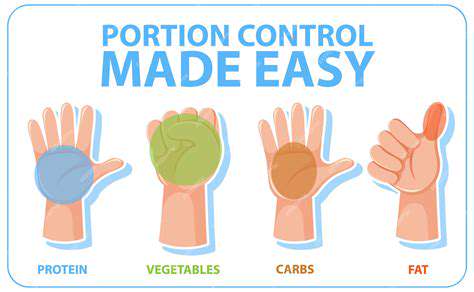
A well-rounded breakfast bowl includes a mix of proteins, healthy fats, and a variety of fruits and vegetables to ensure all macronutrient bases are covered. When preparing a bowl, aim for a balance of at least three food categories. For example, combine greens like spinach, a protein source like eggs, and a healthy fat like avocado for a rich meal that sustains you for hours.
Testing different combinations and discovering what works best for your taste preference is essential. This experimentation not only makes breakfast enjoyable but also customizable to meet dietary needs and preferences. A well-structured breakfast bowl can lay the foundation for a productive day ahead.
Nut and Seed Options for a Wholesome Morning

Varieties of Nuts for Nutritional Boost
When considering nut varieties for breakfast, walnuts, almonds, and pistachios stand out for their unique Health Benefits. Walnuts are particularly rich in omega-3 fatty acids, which are important for heart health and reduce inflammation. Almonds and pistachios, on the other hand, are excellent sources of protein and fiber, helping you feel full longer and stabilizing blood sugar levels.
Incorporating a mix of these nuts can enhance not only your nutrient intake but also the flavors in your meals. For example, adding chopped almonds to your morning smoothie or sprinkling walnuts over a bowl of yogurt can create an appealing texture and taste that satisfies without compromising dietary goals.
Seeds to Consider for Added Health Benefits
- Chia seeds: High in omega-3s and fiber.
- Flaxseeds: Great for digestive health and rich in lignans.
- Sunflower seeds: Packed with vitamin E and magnesium.
Seeds like chia and flax are not only versatile but also provide a concentrated source of nutrients. Chia seeds can absorb up to 12 times their weight in water, making them ideal for hydration and satiety. You can easily add them to smoothies or overnight oats for a nutritional kick.
Sunflower seeds bring a delightful crunch and are perfect as toppings for breakfast bowls or mixed into homemade snacks. They are packed with essential vitamins and minerals, which are vital for a balanced diet. Consider blending these seeds into your morning routines for enhanced flavor and health.
Refreshing Dairy-Free Options

Exploring Plant-Based Dairy Alternatives
In recent years, the demand for plant-based milk alternatives has skyrocketed. Among the most popular options is Almond Milk, which offers a subtly nutty flavor and a lower calorie count compared to traditional dairy. Other noteworthy alternatives include coconut milk, which adds a rich creaminess, and oat milk, known for its smooth texture and natural sweetness. Each variety comes with its own unique nutritional profile.
Many brands now fortify these alternatives with vitamins such as B12 and D, crucial for anyone on a Dairy-Free Diet. Additionally, they often enhance these dairy substitutes with flavors to cater to diverse taste preferences. This wide range means that there’s likely an option out there for everyone.
Benefits of Choosing Dairy-Free Breakfasts
Switching to a dairy-free breakfast can bring multiple health benefits. Research indicates that many individuals experience improved digestion when they reduce or eliminate dairy products from their diets. Lactose intolerance affects a significant portion of the population, making dairy difficult for them to digest. Embracing dairy-free foods allows these individuals to enjoy nutritious meals without discomfort.
Moreover, many dairy-free options are inherently rich in vitamins, minerals, and antioxidants. Foods like chia seeds and nut butters not only provide essential nutrients but also promote satiety, helping you stay full longer. Incorporating these into your breakfast routine can enhance your overall well-being.
Creative Dairy-Free Breakfast Ideas
- Chia seed pudding topped with berries and nuts.
- Green smoothies with spinach, avocado, and almond milk.
- Overnight oats made with coconut yogurt.
- Sweet potato pancakes served with maple syrup.
Consider starting your day with delicious chia seed pudding, which can be prepared in advance for convenience. Combine chia seeds with your choice of plant-based milk, letting them soak overnight. Top this nutrient-dense dish with fresh berries and a sprinkle of nuts for flavor and added texture.
Another great option is to whip up a green smoothie using spinach, avocado, and a splash of almond milk. This combination not only ensures you get your greens in but also provides healthy fats that promote brain health. By using a variety of fruits and vegetables, you can keep your smoothies exciting and nutritious.
How to Incorporate More Fruits and Vegetables
Fruits and vegetables are vital components of a healthy breakfast, especially in a dairy-free context. A simple strategy is to add them to smoothies, as discussed earlier. Additionally, topping your oatmeal or pancakes with sliced bananas, berries, or even grated zucchini can significantly boost your breakfast's nutrition.
Experimenting with different ingredients can lead to delightful breakfast discoveries. For instance, consider adding spinach to your morning omelet or pancakes; it might surprise you how well these flavors blend. Embrace the opportunity to customize recipes to suit your personal taste and dietary needs.
Understanding Nutritional Labeling for Dairy-Free Products
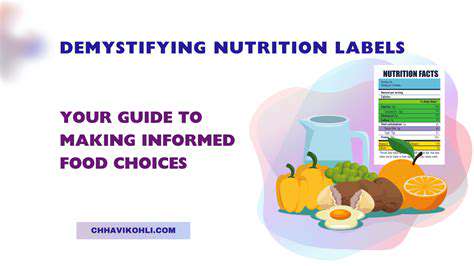
When selecting dairy-free products, it’s crucial to read nutritional labels carefully. Many brands cater to the health-conscious consumer by providing clear nutrient breakdowns. Look for options that are low in added sugars and high in protein, as this will help you feel satisfied longer. Additionally, observing ingredient lists can help you avoid fillers and preservatives that often dilute nutritional value.
For example, choose almond or oat milk that includes added vitamins and minerals if you're seeking to replicate some of the nutrients found in traditional dairy. As the market continues to innovate, staying informed on product offerings can guide you in making healthier choices.
Making Dairy-Free Decisions at Restaurants
Dining out doesn’t have to derail your dairy-free lifestyle. Many restaurants now offer alternative options, reflecting the growing demand for inclusive menus. When ordering, don't hesitate to ask about substitutions for dairy ingredients or request modifications to standard dishes. Being proactive in your food choices can lead to enjoyable dining experiences while adhering to your dietary preferences.
When unsure, explore restaurant menus online or call ahead to ensure they can accommodate your needs. More establishments are recognizing the importance of catering to dietary restrictions, so finding suitable options is becoming easier over time.
Read more about Healthy Breakfast Ideas Without Grains or Sugar