Smoothie Bowl
Protein Recovery
Nutrition
Muscle Recovery
Healthy Eating
Meal Preparation
Workout Recovery
Recovery

Healthy Meal Ideas for Post Workout Weight Loss

Provides a creamy texture and a high protein content.
  • Protein powder: Easily adds a concentrated source of protein.
  • Nuts and seeds: Offer healthy fats and additional protein.
  • To create a smoothie bowl rich in protein, consider blending Greek yogurt with your choice of fruits and a scoop of protein powder. This combination not only enhances the flavor but also packs a nutritional punch that helps replenish lost energy and aids recovery. Nuts and seeds can be sprinkled on top to provide a satisfying crunch, as well as good fats that contribute to long-lasting energy.

    3. How to Craft Your Own Smoothie Bowl Recipe

    Making a personalized smoothie bowl is simple and allows for creativity. Start with a base of your preferred fruits, such as bananas or berries, to enhance the taste. Using a high-speed blender, mix in a protein source, such as Greek yogurt or protein powder, till smooth.

    For customization, consider adding a variety of toppings like sliced almonds, chia seeds, or coconut flakes. This gives your bowl not only a delightful texture but also a layered flavor profile that can make your post-workout meal more enjoyable.

    4. Timing Your Smoothie Bowl for Optimal Recovery

    The timing of your protein-packed smoothie bowl can significantly impact recovery. Consuming it within 30 minutes post-workout allows your body to use the protein to repair muscles effectively. This is often referred to as the anabolic window when the body is most receptive to nutrients.

    Furthermore, studies suggest that this short time frame can enhance protein synthesis and aid in muscle recovery. Therefore, preparing your smoothie bowl ahead of time can be a game-changer, ensuring you have a quick, nutritious option ready to fuel your recovery right after exercising.

    2. Quinoa Salad with Grilled Chicken

    Ingredients for Quinoa Salad with Grilled Chicken

    To create a nutritious Quinoa Salad with Grilled Chicken, start by selecting high-quality ingredients. For the salad base, you will need one cup of quinoa, which is a powerhouse of protein, fiber, and essential amino acids. Pair this with fresh vegetables such as diced cucumbers, cherry tomatoes, and bell peppers, all rich in vitamins and antioxidants that aid recovery after workouts.

    Additionally, don't forget the grilled chicken; it's not just a source of lean protein, but also helps to repair muscle tissues post-exercise. A rough estimate suggests that consuming about 30 grams of protein post-workout can maximize recovery benefits. Season your chicken with olive oil, lemon, and a sprinkle of herbs for added flavor without excessive calories.

    Finally, enhance your salad’s nutritional profile with a dressing made from olive oil and balsamic vinegar. Consuming healthy fats is important for overall health and can aid in absorbing fat-soluble vitamins from the salad. Aiming for a dressing that is roughly one tablespoon per serving is a smart approach to keep calories in check while maintaining taste.

    Preparation and Health Benefits

    Preparing quinoa salad is straightforward, making it a great option for busy post-workout meals. Begin by rinsing your quinoa to remove any bitterness, then cook it in twice the amount of water for about 15 minutes until fluffy. Meanwhile, grill your chicken breast to perfection—this method not only adds a delightful smoky flavor but also helps in retaining the meat's natural juices, keeping it moist and enjoyable.

    The health benefits of this salad extend far beyond its simple ingredients. Quinoa is known as a complete protein source, providing all nine essential amino acids. This makes it an ideal food choice for muscle recovery. Additionally, the combination of vegetables enhances the salad's fiber content, aiding in digestion and promoting a feeling of fullness, which can help in weight management efforts post-exercise.

    3. Sweet Potato and Black Bean Tacos

    Ingredients for Tacos

    To create a delicious Sweet Potato and Black Bean Taco, you’ll need a variety of fresh ingredients. Start with two medium-sized sweet potatoes, which should be peeled and diced into bite-sized cubes. The natural sweetness of these potatoes not only provides energy but also delivers essential vitamins like A and C, important for recovery.

    Next, black beans are a crucial component; aim for one can, drained and rinsed, which contributes both protein and fiber to the meal. This combination is vital for muscle repair post-exercise. To add some zest, include fresh cilantro, lime, and a variety of spices such as cumin and chili powder for that authentic taco flavor.

    Preparation Method

    Begin by preheating your oven to 400°F (200°C), then toss the diced sweet potatoes in olive oil, cumin, and a pinch of salt. Spread them out in a single layer on a baking sheet and roast them for about 25-30 minutes, turning halfway through, until they are tender and slightly caramelized. The oven roasting technique enhances the natural sweetness of the potatoes, making your tacos even more enjoyable.

    While the sweet potatoes cook, heat a skillet over medium heat, adding the black beans, lime juice, and additional spices as desired. Allow these to simmer for about 10 to 15 minutes. This step not only heats the beans but also helps them absorb the flavors from the spices, creating a more robust filling.

    Assembly and Toppings

    Once all the elements are prepared, it's time to assemble your tacos. Start with soft corn tortillas; warm them in a skillet for about 30 seconds on each side to enhance their flavor and texture. Layer the roasted sweet potatoes and seasoned black beans onto the tortillas. Feel free to experiment with the proportions based on your preference and hunger level.

    No taco is complete without toppings! Consider fresh avocado, which adds creaminess and healthy fats, or a dollop of Greek yogurt for protein. For crunch, sprinkle on some shredded cabbage or enjoy a fresh salsa for an extra kick. The variety in textures and flavors will enhance your eating experience significantly.

    Why These Tacos are Beneficial for Post-Workout Recovery

    The combination of complex carbohydrates from sweet potatoes, protein from black beans, and healthy fats from avocado makes these tacos an exemplary post-workout meal. Each component plays a significant role in recovery; for instance, carbohydrates replenish glycogen stores depleted during exercise, while protein aids in muscle repair.

    Incorporating fiber-rich ingredients like black beans also supports digestive health, ensuring your body is processing nutrients effectively. Studies have shown that meals low in glycemic index, such as this taco, can stabilize energy levels. Therefore, not only do they taste good, but they contribute to an overall healthier lifestyle when consumed as part of a balanced diet.

    4. Greek Yogurt Parfait

    Ingredients and Nutritional Benefits

    Greek yogurt is packed with protein, which is essential for muscle recovery after intense workouts. A typical serving contains around 20 grams of protein, contributing to a feeling of satiety and aiding in muscle synthesis. This higher protein content can help replenish the muscle fibers that are often damaged during exercise, ensuring that your body recovers effectively.

    In addition to protein, Greek yogurt is also a great source of probiotics. These beneficial bacteria support gut health, which is crucial for overall wellness, including efficient digestion and nutrient absorption. Research has shown that a healthy gut microbiome can positively impact athletic performance and recovery, making Greek yogurt a smart post-workout choice.

    Layering Techniques for Maximum Flavor

    To create a delicious Greek yogurt parfait, start with a generous layer of yogurt at the bottom of your glass or bowl. This not only forms a solid base but also showcases the vibrant colors of the toppings. Next, alternate layers of fresh fruits like berries, bananas, or mangoes. These fruits not only add natural sweetness but are also rich in vitamins and antioxidants, further enhancing the nutritional profile of your parfait.

    Consider adding a sprinkle of granola or nuts between the layers to introduce a satisfying crunch. These additional ingredients can provide healthy fats and complex carbohydrates that help sustain energy levels during the recovery process, making your parfait not just tasty but also nutritionally balanced.

    Finally, drizzle a bit of honey or maple syrup on top just before serving for a little extra sweetness that can help replenish glycogen stores after your workout, creating a balance of flavors that is both delicious and effective.

    Customizing Your Parfait

    One of the great aspects of Greek yogurt parfaits is their versatility; you can customize them based on personal preferences or dietary needs. For a low-sugar option, consider using unsweetened Greek yogurt and fresh fruits instead of canned or dried fruits, which can be high in added sugars. You can also experiment with different types of yogurt, such as coconut or almond-based, for those with dairy sensitivities.

    If you're looking to boost your omega-3 intake, adding chia seeds or flaxseeds can be beneficial. These tiny seeds are rich in healthy fats and fiber, promoting heart health and aiding digestion. Just a tablespoon can elevate your parfait, making it even more nourishing post-workout.

    Lastly, don’t shy away from adding spices or flavorings to your yogurt. Cinnamon, vanilla, or even a pinch of nutmeg can provide added depth of flavor without extra calories, transforming your simple parfait into a gourmet treat. Tailor your parfait to your taste, and make it a staple in your post-workout routine.

    5. Lentil Soup with Spinach

    5.LentilSoupwithSpinach

    Why Lentils Should Be a Staple in Your Post-Workout Diet

    Lentils are a powerhouse of nutrition, making them an excellent option for recovery after a workout. Rich in protein and fiber, they help repair muscles and maintain energy levels post-exercise. Incorporating lentils into your meals can not only support muscle recovery but also aid digestion, helping to keep you feeling full longer.

    Moreover, studies indicate that lentils have a low glycemic index, which can be beneficial for maintaining stable blood sugar levels. This is particularly important for those aiming for weight loss after strenuous workouts. Other legumes show similar benefits, but lentils stand out due to their easy preparation and versatility.

    Spinach: The Nutrient-Dense Addition

    Spinach is not just a leafy green; it’s packed with vitamins and minerals that complement the health benefits of lentils. This nutrient-dense vegetable offers High levels of iron and calcium, both critical for muscle recovery and overall health. Additionally, spinach contains antioxidants that help combat oxidative stress, aiding in quicker recovery times. With its mild flavor, it's easy to incorporate into various dishes including soups, salads, and smoothies.

    Preparing Lentil Soup with Spinach

    • Start by sautéing onions and garlic for added flavor.
    • Mix in rinsed lentils and chopped spinach.
    • Season with herbs like thyme or bay leaves for an aromatic touch.
    • Simmer with vegetable broth for a hearty texture and finish with a squeeze of lemon.

    To make this dish, first, sauté some onions and garlic until fragrant. Then, add in the lentils along with fresh spinach. Season with your choice of herbs like thyme or bay leaves for flavor enhancement. Let it simmer in vegetable broth for an equally delicious and healthy option that checks all the boxes for a post-workout meal.

    This lentil soup can be stored for several days, making it a convenient meal prep option. It's a dish that not only supports your nutritional goals but also delights your taste buds, proving that healthy food doesn’t need to be bland or boring.

    Read more about Healthy Meal Ideas for Post Workout Weight Loss
    Healthy Snack Ideas for Weight Loss
    May 11, 2025
    Guide to Sustainable Eating Practices
    May 13, 2025
    Guide to a Healthy Pregnancy Diet
    May 14, 2025
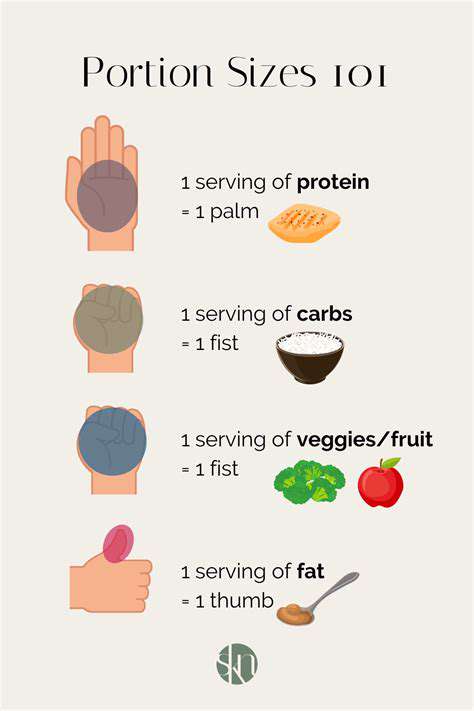
    Understanding Portion Sizes: A Visual Guide
    May 30, 2025
    Best Nutrition for Teen Athletes [Fueling Growth & Performance]
    Jun 07, 2025
    Healthy Soup Recipes for Colds and Flu
    Jul 13, 2025
    Key Strategies for SuccessAre you feeling stuck in your running routine? Whether you aim to improve your speed, build strength, or recover better, our guide offers essential strategies to help elevate your performance and break through training plateaus. 1. Reassess Your Training PlanStart by evaluating your current training regimen. Are you balancing speed work with long runs? Implement varied techniques like tempo runs and intervals weekly to stimulate improvements. Don’t forget to keep a training log to track your progress and recognize patterns. Recovery ProtocolsRecovery is key to enhancing your performance. Implement active recovery practices such as light jogging or yoga, ensure you have rest days, and focus on proper hydration and nutrition. Adequate recovery allows your body to repair and strengthens your resilience. 2. Focus on Strength TrainingIntegrating strength training into your running regimen can lead to significant improvements. Focus on major muscle groups that aid running, such as legs and core. Plan workouts 2-3 times a week to build power and durability, helping you run faster while minimizing injury risks. 3. Prioritize Recovery and NutritionRecovery cannot be overlooked. It's essential for muscle rebuilding and performance enhancement. Make sure to consume the right balance of protein, carbohydrates, and hydration post-workout. Active recovery techniques can further accelerate your recuperation. 4. Set Specific Goals and Track ProgressSetting SMART (Specific, Measurable, Achievable, Relevant, Time-bound) goals is crucial. Instead of vague aspirations, define clear targets that keep you accountable. Regularly reassess your goals, and use training logs to track your performance and make informed adjustments. 5. Engage with the Running CommunityJoining a running community, whether local or online, can boost your motivation and offer invaluable insights. Participate in group runs, workshops, and volunteer at races to deepen your connection to the sport while surrounding yourself with like-minded individuals. ConclusionImplementing these strategies can propel your running journey forward, helping you achieve both personal and performance goals. Remember, progress is a continuous journey, and engaging in community support can enhance your experience along the way. Ready to take your running to the next level? Explore our comprehensive guide for detailed insights and start breaking through those performance barriers today!
    Mar 04, 2026
    A Practical Recovery ToolJournaling serves as a powerful tool in recovery, providing structured routines for reflection. Even beginning with small entries can significantly impact mental health, making it easier to acknowledge and appreciate positive experiences. As individuals explore deeper sentiments, they may find strength and hope essential for their journey. Challenges and Solutions in Practicing GratitudeWhile keeping a gratitude journal offers numerous benefits, it can also pose challenges for those healing from eating disorders. Individuals may struggle with recognizing positive feelings; hence, reframing gratitude in more accessible terms can be beneficial. Exploring guided journal prompts allows for easier engagement, reducing pressure during practice. Future Directions for Gratitude in Recovery ProgramsThe integration of gratitude practices within therapeutic approaches holds great promise for enhancing recovery experiences. Future research can delve into different journaling techniques and their effects on recovery trajectories, paving the way for holistic treatment solutions that combine gratitude with other therapeutic methods. Combatting Negative Thoughts with GratitudeNegative thoughts can be pervasive in recovery, but gratitude acts as a powerful countermeasure. By focusing on the positive, individuals can challenge cognitive distortions that hinder healing. Practical strategies, such as regular journaling and mindfulness meditation centered on gratitude, can help shift perspectives and improve overall mental well-being.---Explore the profound psychological benefits of gratitude today and learn how to integrate these practices into your recovery journey. Embrace positivity and foster a healthy relationship with food and body image through the transformative power of gratitude.
    Mar 12, 2026
    A Comprehensive GuideAre you a long-distance runner looking to optimize your performance and recovery? Understanding the crucial role of macronutrients—carbohydrates, proteins, and fats—can significantly enhance your athletic journey. In this guide, we explore the importance of each macronutrient, hydration strategies, and the timing of nutrition tailored specifically for endurance runners. Carbohydrates: The Foundation of EnergyCarbohydrates are the primary energy source for runners. Aiming for 60-70% of your diet to consist of carbs is essential, especially during intensive training sessions. Complex carbohydrates from whole grains, fruits, and vegetables ensure a steady energy release, essential for prolonged exercise. Pre-race meals should include energy-rich options like brown rice and sweet potatoes to fuel your long runs effectively. Protein: Essential for RecoveryPost-run, protein becomes pivotal for muscle recovery. Consuming around 1.2 to 1.4 grams of protein per kilogram of body weight daily can help heal micro-tears in your muscles. Foods rich in protein such as lean meats, fish, and plant-based options should be included in your post-exercise meals, ideally in combination with carbs for optimal recovery. Healthy Fats: An Overlooked Energy SourceDon’t underestimate the power of healthy fats in your diet. While they serve as a secondary energy source, unsaturated fats play a key role in nutrient absorption and hormone production. Incorporating sources like avocados and nuts helps maintain balanced energy levels, especially during low-intensity exercises or long runs. Hydration: The Unsung HeroHydration is critical for performance and recovery in long-distance running. Aim to drink fluids regularly—before, during, and after your workouts. Electrolyte-rich sports drinks are beneficial during longer runs to replace lost salts and maintain hydration balance. Monitoring urine color can be a simple way to gauge your hydration levels and adjust accordingly. Timing Your NutritionThe timing of your macronutrient intake can influence your performance. Consuming carbohydrates and protein within 30 minutes post-exercise aids in recovery, while a balanced meal before your run can set you up for success. Experimenting with your nutrition strategy and consulting with a sports dietitian can help tailor a plan that suits your unique physiology. Listening to Your BodyRecognizing the signals your body sends is crucial for any athlete. Signs of fatigue, soreness, or even hunger can indicate when adjustments to training or nutrition are necessary. Stay attuned to your body's needs to optimize performance and reduce injury risk. Mindful Mental HealthLastly, don't neglect mental well-being. Techniques like mindfulness, goal setting, and stress management can enhance focus and motivation. Remember to take adequate rest and prioritize sleep, as recovery is as vital as your training itself.---By understanding and effectively managing your macronutrient intake, hydration, and mental health, you can significantly improve your long-distance running performance. Whether you're prepping for your next marathon or simply looking to enhance your overall running experience, this comprehensive guide equips you with the knowledge needed to excel.
    Mar 12, 2026
    Quick and Easy Protein-Packed Snack IdeasEnhance your nutrition with our comprehensive guide to quick and easy protein-packed snacks perfect for busy lifestyles. Discover nutrient-rich options that deliver satisfaction and fuel your day! 1. Greek Yogurt with ToppingsGreek yogurt is a fantastic choice, boasting around 20 grams of protein per cup. Elevate its creamy goodness by adding nutrient-rich toppings such as nuts for healthy fats, fresh berries for antioxidants, or chia seeds for a fiber boost. A quick and versatile option, Greek yogurt can be customized to your taste and dietary needs. 2. Classic Hard-Boiled EggsHard-boiled eggs are a timeless staple, providing about 6 grams of protein each. They can be prepared in bulk and stored in the fridge for an easy grab-and-go snack. Season with spices or sauces for enhanced flavor without extra calories. 3. Convenient Tuna PacksFor a hassle-free protein source, opt for tuna packs. Each 2.6-ounce pack offers approximately 20 grams of protein. Easily portable, combine it with whole-grain crackers or hummus for a satisfying snack, available in various flavors for variety. 4. Cottage Cheese and FruitCottage cheese is a powerhouse snack that delivers around 28 grams of protein per cup. Pair it with fruits like peaches or pineapple for a delicious blend of vitamins and taste. Add honey or cinnamon for extra flavor and health benefits. 5. Smart Protein BarsNot all protein bars are created equal. Choose wisely by looking for bars containing 10-20 grams of protein and low added sugars. A focus on natural ingredients can help with muscle recovery, making them a convenient option for those on the go. Nutritious Trail MixCreate your own trail mix by combining protein-packed nuts and seeds along with a touch of dried fruit or dark chocolate for sweetness. This snack is ideal for sustained energy and satiety throughout busy days. Homemade High-Protein SnacksConsider making high-protein snacks at home, such as Greek yogurt parfaits, chickpea hummus, or protein energy balls. These options allow for control over ingredients and flavors while being easy to prepare in bulk. The Importance of ProteinUnderstanding the role of protein in your diet is crucial. It helps in muscle repair, weight management, and increases feelings of fullness. Incorporate high-protein snacks into your daily regimen for better energy management. ConclusionA diverse array of high-protein snacks can seamlessly fit into any busy lifestyle, helping you stay nourished while managing hunger. With options like Greek yogurt, hard-boiled eggs, and homemade bars, you can maintain a balanced diet without sacrificing convenience. Remember to plan your snacks in advance for optimal nutrition and satisfaction!For more delicious snack ideas and dietary tips, explore our other articles on health and wellness. With these simple strategies, you can effectively incorporate high-protein options into your diet, leading to better health and well-being.
    Mar 14, 2026
    - Prioritizing whole, unprocessed foods- Identifying trigger foods and food sensitivities- Encouraging habits that foster mindful eating Health Advantages of Whole30Many people report notable health improvements within the 30 days, such as weight loss, heightened energy, and improved digestion. Research indicates that a whole foods diet can reduce inflammation and enhance metabolic health, ultimately creating a healthier relationship with food. Additionally, participants often experience enhanced mental clarity and reduced cravings, thanks to the elimination of sugar and processed foods. Sustainable Clean EatingWhole30 is a sustainable choice for clean eating as it encourages gradual reintroduction of foods after the initial 30 days. This flexible approach allows greater control over dietary choices, aiding long-term adherence to healthy eating patterns. Community support is a foundation of the program, offering participants resources like cookbooks and online forums for sharing experiences and recipes.As the trend towards clean eating grows, Whole30 seamlessly integrates with the modern lifestyle, making it more accessible than ever. For anyone looking to redefine their eating habits, Whole30 provides both the structure and flexibility to do so. Delicious Whole30-Friendly Recipes- Smoothie Bowls: Blend fresh fruits and vegetables for a nutrient-dense breakfast, topped with chia seeds and coconut flakes for added health.- Egg-Based Dishes: Eggs provide high-quality protein and can be customized with various vegetables for a satisfying meal.- Chia Pudding: Prepare chia seeds with coconut milk overnight for a refreshing breakfast rich in omega-3s.- Buddha Bowls: Tailor these nutrient-packed meals with your choice of proteins, grains, and an array of colorful veggies. Flavorful Dinner IdeasDinner options include healthy stir-fries packed with lean proteins and vibrant vegetables, zucchini noodles for a low-carb meal, and stuffed bell peppers that provide a hearty and nutritious dish. One-pan meals like lemon herb chicken with asparagus simplify cooking while delivering robust flavors. Decadent Treat IdeasDiscover Whole30-friendly desserts like coconut milk chia seed pudding and chocolate avocado mousse that satisfy your sweet tooth without compromising your dietary goals. Meal Planning for SuccessEffective meal planning is crucial for success on the Whole30 journey. Create a detailed shopping list and batch cook meals to maintain compliance. Preparing versatile meals like Whole30 chili can keep your diet on track while minimizing food waste.Incorporate Whole30 into your lifestyle for a nutritious journey toward better health and well-being. Explore recipes and tips on compliance for an enriching 30-day challenge that could redefine your relationship with food.
    Mar 24, 2026
    How to Choose the Right Foam Roller for Lower Back Pain ReliefFoam rolling has become a popular self-care tool for individuals experiencing lower back pain. Selecting the right foam roller is crucial for achieving the best results in alleviating discomfort and enhancing muscle recovery. This comprehensive guide will walk you through essential factors to consider when choosing a foam roller, ensuring you find the perfect match for your needs. Key Factors to Consider Material and DensityThe material and density of a foam roller can significantly impact its effectiveness. Most foam rollers are made from EVA foam or polyethylene foam, with high-density options suitable for deeper tissue massage. Softer rollers are ideal for beginners or those with sensitivity. For individuals specifically targeting lower back pain, medium-density rollers provide a balance of support and comfort. Size and ShapeChoosing the right size and shape is equally important. Standard foam rollers typically measure 36 inches in length, but shorter options are available for focused areas. Consider your height and body type when selecting a roller. Textured surfaces are excellent for targeted massage, while smooth rollers excel in general relaxation. Variations in shape, such as half-round or angled rollers, offer different intensity levels, allowing for personalized use. Best Foam Rollers for Lower Back Pain1. TriggerPoint GRID Foam Roller This roller features a unique multi-density surface that mimics a massage therapist's hands. It's lightweight and easy to transport, making it a versatile option for on-the-go relief. Regular use can significantly enhance blood flow and reduce muscle soreness, providing vital relief for those with lower back discomfort.2. LuxFit Foam Roller Crafted from high-density foam, the LuxFit model retains its shape and resists deformation, ensuring durability over time. Its smooth surface offers maximum comfort, making it suitable for enjoyable sessions. Many users report substantial improvements in lower back pain and flexibility after incorporating this roller into their routine.3. RumbleRoller Textured Foam Roller With its textured surface designed for targeted relief, this roller is ideal for chronic muscle tension. The RumbleRoller increases blood circulation and enhances flexibility, making it a valuable addition to any stretching or workout regimen. Its durability ensures long-term use without loss of effectiveness.4. ProForm Foam Roller This roller features a dual-density construction that provides diverse rolling techniques suited for various needs. Many users have found significant improvement in mobility and comfort when using the ProForm roller regularly, making it a favorite among back pain sufferers. How to Use a Foam Roller EffectivelyTo maximize the benefits of foam rolling, it's essential to utilize proper techniques. Begin by understanding your back's anatomy and the sources of pain. When rolling, position the foam roller under your lower back and use your legs for support. - Roll slowly back and forth, concentrating on tight spots without applying pressure directly to your spine.- Incorporate stretching movements like the child's pose to enhance the rolling effects. For optimal results, aim to foam roll three to five times a week. ConclusionChoosing the right foam roller can make a significant difference in relieving lower back pain and improving muscle recovery. By considering factors such as material, density, size, and shape, you can find a foam roller that meets your needs for effective pain management. Incorporate foam rolling into your routine to promote better flexibility, blood circulation, and overall well-being.
    Mar 26, 2026
    View Publications>>

    Hot Recommendations