Lower Back Health: The Importance of Dynamic Movement
The Role of Dynamic Movement in Lower Back Health
Dynamic Movement involves motion that engages multiple muscle groups, which is pivotal in maintaining the health of the lower back. For example, exercises like squats, lunges, and rotational movements are effective in strengthening lower back musculature while enhancing flexibility. Incorporating these movements into your routine can dramatically reduce the risk of injury and pain. Recent studies indicate that individuals who regularly perform dynamic exercises have a significantly lower incidence of lower back issues.
Moreover, dynamic movement aids in the circulation of blood and nutrients to the muscles and discs, promoting recovery and performance. Instead of static positions, which can lead to stiffness, incorporating dynamic movement encourages a fluid range of motion. This not only keeps the muscles engaging but also helps to maintain their functionality over time.
Preventative Measures and Ergonomic Considerations
- Maintain an ergonomic workspace
- Limit prolonged sitting
- Engage in regular physical activity
- Focus on core stability exercises
Preventative measures for Lower back health focus largely on ergonomics and movement practices. Arrange your workspace to promote a neutral spine; this includes the correct height for monitors and chairs. Adjusting your desk and adopting the right posture are vital in reducing strain on the lower back during daily activities. Being mindful of ergonomics can be the difference between comfort and chronic pain.
Furthermore, limiting prolonged periods of inactivity can play a crucial role in your overall Lower Back Health. Taking short breaks to stretch or walk around every hour can counteract the stiffness that comes from extended sitting. Developing a consistent routine that incorporates these preventative measures will significantly enhance quality of life.
Benefits of Dynamic Movement for Lower Back Health
Understanding Dynamic Movement
Dynamic movement refers to the active and fluid range of motion that is incorporated into daily activities. Unlike static positions, which can contribute to stiffness, dynamic movements involve the engagement of multiple muscle groups and joints, promoting flexibility and resilience. Regular practice of such movements can encourage better postural alignment and overall mobility.
Research indicates that dynamic stretching and movement can significantly impact functional performance. According to a study published in the *Journal of Sports Science*, participants who engaged in dynamic movements exhibited enhanced range of motion and improved muscle activation compared to those who focused solely on static routines. Thus, incorporating dynamic movement is not only beneficial but essential for maintaining lower back health.
Reduces Risk of Injuries
Incorporating dynamic movement into your routine can dramatically reduce the risk of lower back injuries. Engaging in activities that promote mobility can enhance muscular coordination and stability, necessary for preventing strains and sprains. Moreover, a review by the American Journal of Sports Medicine found that athletes who performed dynamic warm-ups experienced fewer injuries during training and competition.
For those who have sedentary lifestyles, dynamic exercises encourage better blood circulation to the muscles, effectively warming them up and preparing them for more strenuous activity. Transitioning from sitting to movement should not be abrupt; instead, small dynamic movements like leg swings or torso twists can prepare the body for more extensive activity.
Enhancing Core Stability
The core plays a pivotal role in supporting the lower back. It consists of various muscles that stabilize the spine, helping maintain proper posture and alignment during dynamic movements. Research from the National Academy of Sports Medicine emphasizes the importance of activating core muscles through dynamic exercises rather than traditional static holds for better stability.
Exercises such as dynamic planks and rotational movements can engage the deep core muscles effectively. Practicing these motions can lead to improvements in functional strength, helping to alleviate strain on the lower back during routine activities like lifting and bending. This approach enhances overall core stability, leading to long-term benefits.
Improved Flexibility and Range of Motion
Dynamic movement has proven crucial in enhancing flexibility and extending the range of motion in joints. According to a study from *Physical Therapy in Sport*, individuals who engaged regularly in dynamic stretching demonstrated significant improvements in joint flexibility over a span of a few months. Flexibility is an essential component of lower back health, as tight muscles can pull on the spine, leading to back discomfort.
Supports Better Posture
Practicing dynamic movements can significantly contribute to better posture, thereby mitigating lower back pain. When muscles are engaged through movement, they become more aware of their positions and functions, leading to improved alignment of the spine and pelvis. A study by the Journal of Musculoskeletal Science and Practice indicates that individuals who include dynamic postural exercises in their routines reported improved postural alignment and less discomfort related to prolonged sitting.
Dynamic workouts that focus on strengthening the back, hips, and abdominal muscles are particularly beneficial for developing a strong foundation that promotes healthy posture. This in turn can alleviate the strain on the lower back caused by bad habits or prolonged periods of sitting.
Promotes Overall Functional Fitness
Dynamic movement is crucial for overall functional fitness, which encompasses the ability to perform activities of daily living. By integrating dynamic exercises into your routine, you're not just focusing on specific muscle groups; you're enhancing your body's ability to move efficiently and effectively. Functional training, as highlighted in the *Journal of Strength and Conditioning Research*, has demonstrated benefits in improving balance, coordination, and strength, which are all critical for lower back health.
Encouraging a Long-term Healthy Lifestyle
Incorporating dynamic movement into your daily routine sets the foundation for a long-term commitment to lower back health and wellness. When people engage in active lifestyles, they are more likely to maintain healthy body weight and improve cardiovascular health, contributing positively to overall wellness. Joining classes focused on dynamic fitness or participating in group activities can also provide social motivation to stay active.
To develop a lasting habit, consider incorporating dynamic movements into your warm-up or cool-down routines. This might include activities like yoga flows or gentle aerobic exercises, which not only enhance flexibility but also foster a mindful approach to physical health. Ultimately, it's about making movement a joyful and integral part of your life.
Types of Dynamic Movements to Incorporate
Incorporating Mobility Exercises
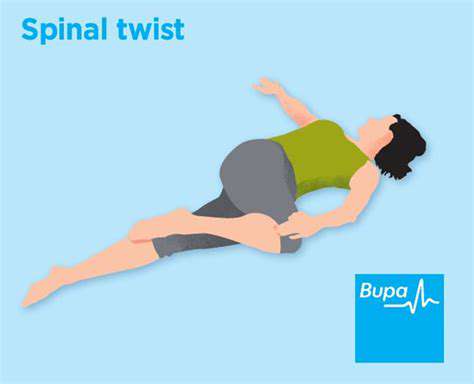
Mobility Exercises are crucial for maintaining the flexibility and range of motion in the lower back. Activities like cat-cow stretches, spine twists, and pelvic tilts target the spinal region effectively. A study published in the Journal of Orthopaedic & Sports Physical Therapy found that regular mobility training can significantly improve spinal function and overall stability.
Adding mobility work to your daily routine could help alleviate stiffness and prevent injuries. Simply spending 10-15 minutes each day performing dynamic stretches may enhance the quality of movement throughout your life. Many individuals experience immediate relief and increased comfort after just a short duration of consistent practice.
Integrating Core Stabilization Movements
Engaging in Core Stabilization Exercises such as planks, dead bugs, and bird-dogs strengthens the muscles that support the lower back. Research indicates that a well-conditioned core stabilizes the lumbar spine, effectively reducing the risk of lower back pain. In fact, the American Council on Exercise highlights that individuals performing core stabilization exercises experience fewer episodes of discomfort and disability.
While executing these exercises, focus on controlled movements rather than speed. Ensuring that each repetition is deliberate allows for better muscle engagement and effectiveness. It is beneficial to incorporate stabilization moves at least three times a week to observe noticeable improvements in strength and stability around your lumbar region.
When beginning these exercises, pay careful attention to your body’s responses and adjust as necessary. Consulting a trained professional can offer guidance to ensure proper form and technique for optimal results.
Dynamic Strength Training Techniques
Dynamic strength training involves resistance exercises performed in a controlled manner, making it particularly effective for improving lower back health. Movements such as kettlebell swings, squats, and lunges engage various muscle groups while targeting the lower back. According to a comprehensive review in the Scandinavian Journal of Medicine & Science in Sports, integrating dynamic strength training can lead to remarkable improvements in core stability and back health.
Consider incorporating circuit training, which combines strength and conditioning within a single workout session. This method not only helps build muscular strength but also enhances endurance and cardiovascular fitness, leading to overall better health. Maintaining a balanced regimen can help ensure that one muscle group does not become disproportionately stronger, thus optimizing lower back support.
It's important to monitor your form and make adjustments based on personal limitations and capabilities. Use lighter weights initially to master the movements, gradually increasing resistance as your strength improves. Engaging a fitness trainer can significantly enhance the safety and effectiveness of your dynamic strength training routine, especially if you're new to it.
Incorporating Dynamic Movement into Daily Life
Understanding Dynamic Movement
Dynamic movement is essentially any physical activity that engages and utilizes various muscle groups continuously. This contrasts with static movement, such as holding a pose or sitting still. Research has shown that dynamic movement can significantly benefit lower back health, helping to enhance flexibility and strengthen supporting muscles. According to a study published in the *Journal of Physical Therapy Science*, incorporating such movements into daily routines can lead to a substantial reduction in lower back pain over time.
One common form of dynamic movement is through activities like walking, cycling, or stretching. Engaging in these activities fosters better circulation and muscle engagement, which can be crucial for maintaining a healthy spine. Additionally, integrating dynamic movements into workspaces, such as using standing desks or stability balls, may help counteract the detrimental effects of prolonged sitting.
Practical Ways to Incorporate Movement
Integrating dynamic movement into your daily life doesn't require extensive time commitments or fancy gym memberships. Simple strategies like taking short walking breaks every hour during your workday can substantially contribute to improving lower back resilience. The key is to establish consistency and create movement habits that seamlessly fit into your schedule—try setting reminders on your phone to prompt movement breaks.
Another effective method includes performing quick stretching exercises, which can be done in just a few minutes. Techniques such as torso twists or hip flexor stretches keep the body engaged and can mitigate the stiffness that often accompanies sitting for too long. The goal is to make movement part of your daily rhythm rather than an isolated event.
The Role of Muscles in Dynamic Movement
Understanding the importance of core and stabilizing muscles is essential when discussing dynamic movement. These muscle groups play a pivotal role in supporting the spine and maintaining proper posture, which is crucial for lower back health. Engaging in exercises that focus on strengthening the core has shown to provide substantial preventative benefits against lower back injuries. Planks, bridges, and back extensions are excellent examples that target these areas while promoting dynamic movement.
Furthermore, engaging the muscles around the hips and pelvis through activities like yoga or Pilates can enhance overall body stability and coordination. Frequent muscle engagement throughout various movements reduces the risk of injury associated with sudden physical activities and helps maintain alignment.
Benefits of Dynamic Movement for Lower Back Health
Dynamic movement offers numerous benefits when it comes to maintaining lower back health. Research from the *American Journal of Lifestyle Medicine* indicates that individuals who actively incorporate movement into their daily routines report lower instances of back discomfort. This is attributed to increased blood flow, which helps deliver nutrients to spinal tissues and promotes recovery.
Moreover, regular dynamic activities can improve muscle strength, flexibility, and overall endurance. This cumulative effect fortifies the lower back, making it better equipped to handle everyday stresses and strains. Regular engagement in dynamic movement also contributes to better mental well-being, as physical activity stimulates endorphin release, which can lead to reduced perception of pain.
Creating a Movement Routine
Establishing a personalized routine that centers around dynamic movement can greatly impact your overall health. Start by assessing your current activity levels and identifying areas for improvement. Choose activities you enjoy, whether that’s dance classes, swimming, or simply taking a stroll in the park. Enjoyment is crucial for adherence; when you like what you do, you’re more likely to keep it up.
Additionally, consider incorporating variety into your routine to prevent stagnation. Change up your movements and explore new forms of exercise to keep things fresh and exciting. It can also be beneficial to track your progress, whether through a journal or an app, to stay motivated and focused on your lower back health journey.
Read more about Lower Back Health: The Importance of Dynamic Movement



![Best Pre Workout Supplements Reviewed [2025]](/static/images/26/2025-07/KeyIngredients26TheirEffects.jpg)