Fitness
Health
Exercise
Pain Relief
Athletic Performance
Injury Prevention
Strength Training
Posture Improvement

Why Strong Glutes Equal a Happy Lower Back

the gluteus maximus, gluteus medius, and gluteus minimus. Each of these plays a specific role in maintaining proper posture and supporting the lower back. Improving the strength of these muscles contributes significantly to spinal alignment and overall posture.

For instance, the gluteus maximus is the largest muscle in the body and is crucial for movements such as standing up, jumping, and running. The gluteus medius and minimus assist in stabilizing the pelvis. Therefore, understanding this anatomy can help highlight the importance of Glute Strength in developing a balanced muscular framework.

The Connection Between Glutes and Posture

  • Weak glutes can lead to poor pelvic alignment.
  • Strong glutes support the spine and prevent hyperlordosis.
  • Balanced glute strength aids in better walking and sitting posture.

When the glutes are weak, they can result in a domino effect that negatively impacts posture. For example, without sufficient glute strength, the pelvis may tilt forward, leading to Lower Back Pain and discomfort. Therefore, enhancing glute strength can be a game-changer for those dealing with back issues.

This connection has been supported by several studies which indicate that individuals with Stronger Glutes Tend to exhibit improved spinal alignment and reduced incidence of back pain. A 2015 study published in the Journal of Orthopedic & Sports Physical Therapy noted strong correlations between glute strength and both pelvic stability and lumbar spine health.

Exercises to Strengthen the Glutes

Incorporating specific exercises into a fitness routine is essential for developing strong glutes. Movements like squats, deadlifts, and lunges target the gluteal muscles effectively. Many fitness professionals recommend starting with bodyweight exercises and gradually incorporating resistance to increase strength.

Furthermore, hip thrusts have gained popularity as one of the most effective exercises for isolating the gluteus maximus. This exercise not only builds strength but also promotes better control over pelvic alignment and stability. As such, a targeted approach to strengthening the glutes can lead to substantial improvements in overall posture and reduced lower back strain.

The Impact of Sedentary Lifestyles on Glute Strength

Modern lifestyles often involve long hours of sitting, which can lead to what is colloquially known as gluteal amnesia. This condition refers to the weakening of the glute muscles due to inactivity, consequently affecting posture. With prolonged periods of sitting, the glutes become inactive, which can lead to muscle imbalances.

In fact, research has shown that inactive glutes can contribute to a variety of postural problems. This has prompted fitness experts to stress the importance of regular movement breaks, including standing or stretching every 30 to 60 minutes. By incorporating varied movements throughout the day, individuals can promote Glute Activation, thereby supporting better posture.

The Role of Glute Activation in Daily Activities

Everyday movements, such as walking, climbing stairs, or even standing up from a chair, engage the gluteal muscles. By maintaining an awareness of how these muscles activate during various activities, individuals can ensure they are using their glutes effectively. Simple cues, like consciously squeezing the glutes while walking, can promote their engagement and improve overall biomechanics.

Additionally, incorporating glute activation exercises into a warm-up routine can prepare the body for daily activities. Exercises like bridging or clamshells activate the glute muscles before engaging in more strenuous tasks, making them invaluable for proper function and posture. These proactive measures can prevent injuries and facilitate better lower back support.

Professional Recommendations for Glute Health

Experts recommend regular assessments of both strength and flexibility in the glutes to ensure they function optimally. This can involve working with a physical therapist or a certified personal trainer who can provide tailored assessments and workout plans. Personalized attention allows for corrections in posture and strengthening of specific muscle groups as needed.

Moreover, maintaining an active lifestyle is crucial for preserving glute strength over time. Participating in activities such as dancing, hiking, or group fitness classes can be both enjoyable and beneficial. Such activities not only promote overall health but also help maintain strong glute muscles, leading to improved posture and reduced lower back discomfort.

Reducing Lower Back Pain Through Glute Activation

ReducingLowerBackPainThroughGluteActivation

Understanding Glute Activation and Its Impact on Lower Back Pain

Glute activation refers to the process of engaging the gluteal muscles, which include the gluteus maximus, medius, and minimus. These muscles play a critical role in stabilizing the pelvis and maintaining proper posture. When we activate our glutes effectively, we can alleviate undue stress on the lower back, which often leads to pain and discomfort. Studies show that individuals with weaker glute muscles are more prone to lower back issues, as the back muscles compensate for the lack of stability from the glutes.

Research suggests that exercises focusing on glute activation, such as bridges, squats, and lunges, can significantly improve Lower Back Health. In fact, a 2017 study published in the Journal of Physical Therapy Science found that participants who incorporated glute-strengthening exercises reported a 50% decrease in lower back pain within eight weeks. This highlights the importance of not only strengthening the glutes but also ensuring they are activated during daily activities.

Practical Tips for Enhancing Glute Activation

  • Incorporate glute-focused exercises into your routine.
  • Focus on form to ensure glutes are engaged.
  • Consider powerlifting or resistance training to strengthen glutes.
  • Consult a physical therapist for personalized guidance.

To enhance glute activation, it is essential to incorporate specific exercises into your workout routine. Exercises like hip thrusts, single-leg deadlifts, and clamshells can provide targeted engagement. Aim for 2-3 sessions per week of dedicated glute training, ensuring that you progressively overload these muscles for optimal strength gains. This not only improves functionality but helps in reducing lower back pain over time.

Additionally, it's crucial to be mindful during daily activities. Simple adjustments, such as squeezing your glutes while walking, sitting, or even standing can contribute to better muscle engagement. Over time, these small changes can accumulate, resulting in significant pain relief and improved lower back health. Remember, consistent effort is key to seeing results in both strength and pain reduction.

Enhancing Athletic Performance and Reducing Injury Risk

EnhancingAthleticPerformanceandReducingInjuryRisk

Understanding the Role of Glutes in Athletic Performance

The gluteal muscles, often referred to as the glutes, are crucial for producing power and stability during physical activity. Research shows that athletes with stronger glutes tend to experience better overall performance in their respective sports. These muscles are involved in running, jumping, lifting, and even in balancing tasks, making them vital for any athlete.

Strong glutes aid in proper hip alignment and movement patterns, directly impacting your ability to generate explosive power. When you're sprinting or jumping, the glutes provide not just strength but also coordination within the lower body.

Impact of Weak Glutes on Sports Performance

  • Weak glutes can lead to improper movement patterns.
  • Increased risk of injury during dynamic sports activities.
  • Compensatory movements that strain other muscle groups.

When the glutes are weak, other muscles must compensate for the inability to generate power and stability. This compensation can result in increased risk of injury, fatigue, and poor athletic performance. For example, runners with underdeveloped glutes often face knee or lower back problems, which can sideline them for lengthy periods.

Injury Prevention Through Strengthening Exercises

Incorporating targeted glute-strengthening exercises into your routine can significantly reduce the risk of injuries. Exercises such as squats, deadlifts, and lunges not only build strength but also enhance the functionality of the glutes.

Additionally, secondary workouts like hip bridges and band walks can specifically target the glute medius, promoting hip stability. With consistent training, you can create a strong foundation that leads to improved movement efficiency.

The Connection Between Glute Strength and Lower Back Health

Weak glutes can lead to poor lumbar support and alignment, often resulting in lower back pain. The glutes play a crucial role in maintaining pelvic stability; thus, strengthening them can alleviate much of the strain on the lower back. Research indicates that athletes with stronger glutes report fewer incidences of back pain, enhancing their ability to train and compete.

Strategies for Assessing Glute Strength

Evaluating your glute strength can be conducted through specific tests such as the single-leg squat or hopping tests. These assessments can reveal weaknesses and help you tailor your training accordingly. Proper form during these tests is crucial to ensure accurate results and to prevent further injuries.

Additionally, working with a coach or physical therapist can provide insight into imbalances that may not be obvious to the untrained eye. Regular assessments can help track progress and ensure that you maintain optimal glute activation.

Implementing a Balanced Training Regimen

A comprehensive training program for athletes should not only incorporate strength training for the glutes but also focus on flexibility and mobility. Adding stretching and foam rolling into your regimen helps ensure that the muscles around the glutes remain functional and healthy.

Moreover, including cross-training activities such as cycling, swimming, or yoga can provide varied stimuli for the glutes, improving overall athletic performance. This approach creates a well-rounded athlete who is less prone to injury.

Monitoring Progress and Making Adjustments

As you advance in your training, it’s essential to regularly monitor your progress and adjust your workouts accordingly. Keeping a journal of your workouts, noting improvements in strength, endurance, or any discomfort, can provide valuable insights into your training effectiveness.

Moreover, staying open to coaching feedback can enhance your technique and ensure that you are achieving maximum results. Ultimately, a focus on continuous improvement can lead to sustained athletic performance and reduced injury risk.

Incorporating Glute Strengthening into Your Routine

Understanding the Anatomy of the Glutes

The gluteal muscles, comprising the gluteus maximus, gluteus medius, and gluteus minimus, play a pivotal role in overall body mechanics. These muscles are not only crucial for movements like walking, running, and climbing but also significantly contribute to the stability of the pelvis and lower back. Scientific research indicates that weak glutes can lead to compensatory movements that place undue stress on the spine, resulting in discomfort and potential injury.

A deeper understanding of how these muscles function can help inform workout selections that specifically target strength building in the glutes, potentially improving posture and alleviating lower back pain. Engaging the glutes properly during various exercises can enhance performance across a range of activities, from sports to daily tasks.

Key Exercises for Glute Strengthening

Incorporating targeted exercises such as squats, deadlifts, and hip thrusts can significantly enhance glute strength. These movements engage all the muscle fibers within the glutes, promoting muscular development and endurance. For example, studies have shown that hip thrusts can activate the gluteus maximus more effectively than squats or traditional weightlifting techniques.

Other effective workouts include lunges, step-ups, and glute bridges, each offering unique benefits. Lunges not only target the glutes but also engage stabilizing muscles in the legs, improving functional strength. When performed regularly, these exercises lead to noticeable improvements in posture and lower back stability, making them essential to any fitness routine.

Integrating Glute Workouts into Your Routine

Integrating glute exercises into your weekly routine doesn't have to be complicated. A simple approach can yield significant results; include two to three sessions each week that focus specifically on glute strength. This can be accomplished by dedicating a full workout or including specific exercises within your existing routine.

Moreover, ensuring variety will keep your workouts engaging. Alternate between high-repetition endurance-focused sessions and lower-rep strength-training days to target both muscle endurance and strength. This strategy can help in building a well-rounded foundation of strength and resilience in the gluteal muscles, aiding in both injury prevention and performance enhancement.

The Link Between Strong Glutes and Lower Back Health

Research has established a direct correlation between strong glute muscles and lower back health. A strong gluteus maximus helps maintain proper pelvic alignment, which is crucial for preventing lower back pain. When the glutes are weak, other muscles, including those in the lower back and hamstrings, may overcompensate, leading to strain and discomfort.

Evidence suggests that individuals with strong glutes experience a lower prevalence of lower back pain. A study published in the Journal of Physical Therapy Science found that participants who engaged in a dedicated glute-strengthening routine reported reduced pain levels and improved functional mobility. Essentially, a stronger posterior chain translates to a more stable and resilient lower back, enhancing overall wellbeing.

Tips for Progressing Your Glute Strengthening Program

To ensure continued improvement in glute strength, it’s important to implement progressive overload in your training. This principle involves gradually increasing the resistance or intensity of your exercises over time. For instance, after mastering bodyweight exercises, you can add resistance bands or weighted equipment to provide additional challenges.

Maintaining proper form throughout your exercises is equally essential. It’s better to perform fewer repetitions correctly than to risk injury through improper technique. Consider working with a fitness professional if you’re unsure about your form, as they can provide tailored feedback and adjustments. Regularly reassessing your goals can also keep you motivated and focused on achieving optimal strength gains.

The Holistic Benefits of Strong Glutes

Understanding Glute Anatomy

The gluteal muscles consist of three primary muscles: the gluteus maximus, gluteus medius, and gluteus minimus. Each of these muscles plays a distinct role in overall lower body movement and stability. The gluteus maximus, the largest muscle in the human body, is crucial for hip extension, which is vital for activities like running and climbing stairs.

Moreover, the gluteus medius and minimus, located on the side of the hip, contribute significantly to hip stabilization. These muscles work synergistically during various movements, ensuring that the pelvis remains level when walking or running. Strengthening these muscles can lead to improved function in other parts of the body, including the lower back.

Impact on Core Stability

Strong glutes are often correlated with improved Core Stability, which is critical for maintaining proper posture. A strong connection between the glutes and core muscles helps to support the lumbar spine and reduce excessive strain on the lower back. Research has shown that individuals with stronger glutes experience a higher incidence of stable pelvic positioning during dynamic activities.

This stability is particularly important for athletes, who need to produce explosive movements while maintaining form. Incorporating targeted glute exercises can significantly enhance core strength, contributing to overall athletic performance and reducing injury risk. Regular engagement in glute-focused training can therefore yield substantial benefits beyond just aesthetics.

Effects on Posture and Movement Pattern

The strength of the glute muscles is intimately connected to overall posture. Weak glutes can lead to a forward-tilting pelvis, commonly referred to as anterior pelvic tilt. This misalignment can result in low back pain and other complications. Studies indicate that individuals with strong glutes tend to exhibit better posture and alignment during both static and dynamic tasks.

Furthermore, engaging the glutes properly during physical activity enhances movement patterns. Activities such as squatting, lunging, and even walking are optimized with a solid foundation from the glutes. When these muscles are activated and engaged, you can carry out movements more efficiently, leading to reduced fatigue and a lower likelihood of injury over time.

To address this, specific exercises such as hip thrusts, squats, or deadlifts can be introduced into your routine. Focusing on proper form ensures the glutes are being utilized effectively, bringing enhanced balance and control to various activities.

Recommendations for Strength Training

Integrating specific glute-strengthening exercises into your fitness regimen is essential for maximizing the holistic benefits of strong glutes. Key exercises include hip thrusts, glute bridges, and resistance-band lateral walks. These movements effectively target the gluteal muscles while promoting better overall body mechanics.

It's crucial to progressively increase load and introduce varied exercises to avoid plateaus. Incorporating resistance bands or doing variations of the classic movements can stimulate muscle growth and endurance. Each session should focus on maintaining correct form, as poor technique can lead to injury or adversely affect the desired strength gain.

Consider consulting a fitness professional to tailor your glute training plan according to personal goals and abilities. Establishing a well-rounded routine that addresses muscle groups supporting the glutes, such as the hamstrings and core, can lead to improved performance, reduced back pain, and enhanced quality of life.

Read more about Why Strong Glutes Equal a Happy Lower Back

HIIT Workout for Fat Loss [20 Minute Routine]
May 03, 2025
Managing Gestational Diabetes: A Guide for Expectant Mothers
May 12, 2025
Health Tips for People Recovering from Surgery
Aug 03, 2025
A Comprehensive GuideDiscover the nutritional wonders of plant-based proteins, perfect for anyone looking to enhance their diet with healthy, sustainable sources of nutrition. This guide delves into five powerhouse categories of plant-based proteins: legumes, quinoa, soy products, nuts and seeds, and plant-based protein powders. 1. Legumes: Nature's Protein PowerhouseLegumes, including beans, lentils, and peas, are rich in protein and fiber, making them a staple for vegans. With about 18 grams of protein per serving, they not only enhance muscle growth but also promote heart health through lower cholesterol levels. Learn to incorporate legumes into your meals with versatile recipes and cooking tips, supporting effective weight loss without sacrificing taste. 2. Quinoa: The Complete Protein GrainDubbed a superfood, quinoa is a complete protein containing all nine essential amino acids. Not only is it a nutrient-dense option rich in minerals like magnesium and iron, but its high fiber content aids in digestion and weight loss. Explore how to prepare quinoa and discover delicious ways to incorporate it into salads, bowls, and more! 3. Tofu and Tempeh: Essential Soy ProductsTofu and tempeh are excellent sources of protein and offer various health benefits. Tofu provides about 8 grams of protein per 100-gram serving and is rich in calcium, while tempeh takes the lead with 19 grams and probiotic benefits. Dive into creative cooking methods and meal-planning ideas to make the most of these versatile soy products. 4. Nuts and Seeds: Nutrient-Dense AdditionsPacked with healthy fats, protein, and essential nutrients, nuts and seeds play a crucial role in a balanced diet. Incorporate varieties like almonds and chia seeds for their health benefits and delicious flavors. This section highlights how to effortlessly add nuts and seeds to your meals for improved satiety and heart health. 5. Plant-Based Protein Powders: Convenient and VersatileFor an easy protein boost, explore the range of plant-based protein powders including pea, brown rice, and hemp proteins. These powders are not just convenient for post-workout recovery; they can also enhance smoothies and baked goods. Understand how to choose the right protein powder that enhances your diet without unnecessary additives. ConclusionWhether you’re vegan, vegetarian, or simply looking to incorporate more plant-based options into your meals, this guide provides essential insights and practical tips. Embrace the benefits of legumes, quinoa, soy, nuts, seeds, and plant-based protein powders to create a delicious and fulfilling diet that supports your health and wellness goals. Start your journey to mindful eating today for a healthier tomorrow!
Mar 04, 2026
A Comprehensive GuideRunning injuries are a common setback for both novice and experienced runners. Understanding how to recognize, treat, and prevent these injuries can make a significant difference in your running journey. This guide explores common running injuries, symptoms to watch for, recovery strategies, and preventive measures to keep you on track. Understanding Common Running InjuriesRunning injuries typically fall into two categories: acute and chronic. Acute injuries, like sprains and fractures, occur suddenly, often due to a specific incident. In contrast, chronic injuries, such as runner's knee and Achilles tendinitis, develop gradually due to repetitive stress. Recognizing these categories helps you identify issues early, preventing long-term consequences. Symptoms to Watch ForBeing vigilant about the signs of injury is essential. Pain that worsens during a run, swelling in the affected area, or decreased range of motion are critical indicators of injury. Ignoring persistent pain can lead to more serious issues, making it important to assess discomfort before it escalates. The Importance of Rest and RecoveryRest is a vital part of injury management. Although you might be tempted to push through discomfort, engaging in active recovery and incorporating rest days into your training can promote healing and prevent further injuries. Studies suggest that many successful runners prioritize recovery in their training regimens. When to Seek Professional HelpIf symptoms continue even after taking a break, consulting a professional is crucial. A sports physician or physical therapist can provide tailored assessments and recommend corrective measures. They may also perform gait analysis to help understand how your running style contributes to injuries. Prevention StrategiesPrevention is often the best treatment. Incorporating strength training into your regimen, investing in quality footwear, and gradually increasing your mileage can significantly reduce the risk of injury. Monitoring your body’s signals and adapting your training can help you be proactive rather than reactive. Guidelines for Returning to RunningAssessing your injury recovery status before resuming running is imperative. A structured return plan that involves low-impact activities and gradual progression will aid recovery. Listening to your body and being flexible with your running plans can help you avoid reinjury. The Role of Mental Health in RecoveryRest isn’t just physical; the psychological benefits of taking breaks are equally important. Engaging in alternative activities and embracing downtime can reenergize your mental focus and motivation when you return to running. Conclusion: A Balanced ApproachRecognizing and addressing running injuries involves understanding the signs, valuing rest, and adopting preventive strategies. By consulting professionals for tailored advice and fostering a balanced training routine, you can enjoy a more fulfilling and injury-free running experience. Always remember: knowledge and preparation are your best allies in staying healthy on the run.---This web page aims to empower runners with the knowledge to prevent and manage injuries effectively. By focusing on symptoms, recovery strategies, and prevention techniques, we hope to enhance your running journey while keeping you safe.
Mar 05, 2026
The Power of Gratitude in Your Health Journey Why Gratitude Matters for Your HealthDiscover the profound impact of gratitude on your health journey, supported by research from prestigious institutions like the University of California. Studies show that practicing gratitude can significantly improve mental well-being, reducing symptoms of anxiety and depression while enhancing overall life satisfaction. Those who embrace gratitude often make healthier lifestyle choices, demonstrating psychological resilience that can transform their health. Simple Practices for Daily GratitudeIntegrating gratitude into your daily routine is easier than you think. Start a gratitude journal and jot down three things you appreciate each day. This straightforward practice can lead to greater emotional well-being over time, setting a positive tone for your day and cultivating a healthy mindset. Physical Health Benefits of GratitudeGratitude isn't just an emotional booster; it has physical health benefits too. Grateful individuals experience improved sleep, lower blood pressure, and enhanced immune function. As you embark on your health transformation, this powerful emotional tool can help you recover better and maintain overall wellness. Uniting Gratitude and MovementCombine gratitude with physical activity to amplify your health journey. By appreciating your body and its capabilities, you are more likely to engage in exercise. Transform workouts from a chore into a celebration of what your body can achieve, whether it's running, dancing, or yoga. Strengthening Relationships through GratitudeExpressing gratitude can significantly enhance your relationships. Simple acts, like sending thank-you notes or verbally acknowledging someone's contribution, strengthen connections, creating a supportive environment vital for mental health. The benefits of shared gratitude extend beyond the individual, promoting social support and belonging. Navigating Gratitude During ChallengesWhile practicing gratitude can be immensely beneficial, it may be challenging during tough times. Acknowledge these difficulties and focus on finding small moments of appreciation. This approach allows you to cultivate a sustainable gratitude practice, fortifying resilience amid life's challenges. Integrating Movement into Daily LifeDaily movement is crucial for maintaining physical health and improving mental well-being. The World Health Organization recommends at least 150 minutes of moderate exercise each week. Discover simple ways to add movement to your routine, like taking the stairs, scheduling quick stretch breaks, and choosing enjoyable activities that keep you motivated. Tracking Progress and Community SupportUtilizing technology can help track your movement and gratitude goals, keeping you accountable and motivated. Engage with communities, both online and offline, to share your journey, celebrate milestones, and gain inspiration. Whether through fitness apps or local groups, connecting with others can enhance your commitment and enjoyment in your health transformation. Embrace the Journey of TransformationUnderstanding your mindset's importance in health transformation is key. Cultivating a growth mindset and practicing gratitude can significantly improve your ability to overcome challenges. Set realistic and attainable goals while celebrating small victories to maintain motivation and commitment. Furthermore, focusing on nutrition and building a strong support network will enhance your path to overall well-being.Embrace gratitude and movement as integral parts of your health journey, and watch as they transform not only your well-being but also your outlook on life.
Mar 13, 2026
- Enhanced Posture: Maintaining proper alignment reduces energy wastage, helping runners move more efficiently.- Reduced Fatigue: Improved core strength prevents early onset of fatigue by ensuring effective muscle use.- Increased Speed: Research shows that core strength plays a significant role in superior energy transfer, allowing runners to maintain speed with less effort. Core Strength TrainingTo develop a robust core, consider incorporating these exercises into your routine:- Basic Exercises: Planks and bridges help establish foundational strength.- Dynamic Movements: Medicine ball throws and rotational exercises engage multiple muscle groups for enhanced coordination.- Resistance Training: Focus on exercises that combine stability with power to amplify core strength.Aim for two to three core workouts weekly, focusing on balance and proper form during running to avoid injuries. Utilizing tools like stability balls can challenge your core further and lead to superior performance results. Improving Running EfficiencyResearch confirms that an improved running posture, supported by a strong core, directly relates to better performance and efficiency. Maintaining proper alignment allows for optimal breathing patterns, further enhancing endurance. Speed and Power DynamicsCore strength directly influences leg power, which is critical for running speed. Studies have shown that athletes with stronger core muscles can produce significantly more force, translating to faster race times. Injury PreventionA strong core acts as a safety mechanism against common running injuries. By stabilizing the pelvis and spine, core strength minimizes the risk of injuries like shin splints and stress fractures. Incorporating Core WorkIntegrate core training into your running regimen by scheduling specific sessions for core workouts alongside running routines. A balanced approach that includes interval training, long-distance runs, and dedicated core sessions will optimize speed and endurance. ConclusionCore strength is not merely an ancillary part of a runner’s training but a fundamental component vital for improved performance. By prioritizing core strength and integrating targeted exercises into your routine, you can significantly boost your running efficiency, speed, and overall athletic capability. Regularly track your progress and adjust your training to continue challenging your core, ensuring lasting improvements in your running ability.
Mar 16, 2026
Start with a solid foundation like bananas, spinach, or acai puree, which are critical for flavor and nutrient content.- Fruits: Include a variety of low-calorie fruits like berries or tropical options like mango and pineapple for natural sweetness and digestive health.- Boosters: Enhance your nutrition with chia seeds, flaxseeds, or protein powder to improve fullness and overall health.- Toppings: Add texture with nuts, seeds, or granola while also upping the meal’s nutritional profile. Simple Smoothie Bowl RecipesCrafting the perfect smoothie bowl is easy. Start by blending your choice of ingredients, keeping a good ratio (one cup of fruit to half a cup of liquid). Top it off with your favorite nuts, seeds, or fresh fruits for added crunch and appeal. Health Benefits of Smoothie BowlsSmoothie bowls can help regulate blood sugar levels, aid digestion, and provide sustained energy throughout the day—all essential factors in a weight loss journey. They also make an excellent post-workout meal due to their balanced nutrient profile. Tips for Perfecting Your Smoothie BowlTo achieve your weight loss goals with smoothie bowls, focus on nutrient-dense ingredients like leafy greens and berries. Enhance flavor with natural spices, and be mindful of portion sizes to avoid calorie overload. By creatively adjusting your ingredients and toppings, you can keep your meals satisfying and enjoyable.Smoothie bowls are not just a beautiful addition to your diet—they're a nourishing and effective strategy for weight loss and health. Embrace the versatility and vibrant flavors of smoothie bowls, and discover how delightful healthy eating can be!
Mar 24, 2026
The Comprehensive Guide to Strength Training and Running BenefitsStrength training and running offer a dynamic duo for boosting physical health, enhancing mental well-being, and achieving fitness goals. In this detailed exploration, we discuss the various benefits of both strength training and running, while also emphasizing the importance of finding the right balance between them. The Benefits of Strength Training Enhanced Muscle Strength and EnduranceStrength training enhances muscle strength and endurance, making daily tasks easier and improving athletic performance. Consistent resistance training increases lean muscle mass and energy efficiency, leading to better endurance. Moreover, it raises resting metabolic rates, promoting calorie burning even post-exercise, an effect known as excess post-exercise oxygen consumption (EPOC). Improved Bone Density and Joint HealthResistance exercises are vital for bone health, significantly improving bone density and reducing osteoporosis risk. They enhance joint stability and flexibility, which can help prevent injuries, particularly beneficial for older adults. Psychological Benefits and Mental Health ImprovementsStrength training does wonders for mental health. Regular strength workouts reduce symptoms of anxiety and depression, thanks to the endorphins released during exercise. Achieving strength milestones can also boost self-esteem and motivate healthier lifestyle choices. The Advantages of Running Physical Health BenefitsRunning is a superb cardiovascular exercise that enhances heart health, reduces the risk of heart disease, and improves lung capacity. The American Heart Association suggests that merely 150 minutes of moderate aerobic activities weekly can offer substantial health benefits. Mental Health ImprovementsEngaging in running significantly improves mental health, reducing anxiety and elevating mood due to the endorphin boost. This endorphin release contributes to the so-called runner's high, leading to emotional uplift and improved cognitive functions. Weight Management and MetabolismRunning is incredibly efficient for burning calories, aiding in fat loss and overall weight management. It effectively elevates metabolic rates, promoting consistent calorie burning throughout the day. Improved Bone DensitySimilar to strength training, running encourages better bone mineral density, essential for maintaining bone health as we age. Social Engagement OpportunitiesRunning fosters community, offering social engagement through clubs and group events, enhancing motivation and commitment to fitness goals. Accessibility and FlexibilityOne of running's greatest advantages is its accessibility. It requires minimal equipment and can be done almost anywhere. This flexibility allows individuals of all fitness levels to incorporate running into their routines. Finding the Right BalanceIntegrating strength training with running leads to comprehensive fitness benefits. Alternating between strength and cardio workouts ensures muscle recovery while prioritizing cardiovascular fitness. Individual goals should guide the balance; runners should incorporate strength training to prevent injury, whereas those focusing on strength must include some cardio for overall health. Tracking progress can help identify the optimal routine, allowing for adjustments that meet specific fitness needs.By understanding and applying the benefits of both strength training and running, individuals can cultivate a well-rounded fitness journey that addresses physical and mental health effectively. Whether aiming for weight loss, improved endurance, or overall well-being, finding the right balance is essential for long-term success and enjoyment in your fitness endeavors.
Mar 25, 2026
A Guide for Office WorkersLower back health is crucial, especially for office workers who often spend hours sitting. Understanding the lumbar region's anatomy—comprising five vertebrae (L1 to L5)—is vital for recognizing what can lead to discomfort, such as poor ergonomics or prolonged sitting. The intervertebral discs in the lower back serve as shock absorbers and can become herniated if subjected to excessive pressure. The Causes of Lower Back PainSedentary behavior and poor posture are primary contributors to lower back pain among office workers, with studies indicating that up to 60% of employees experience this discomfort. To counteract muscle stiffness, it's essential to incorporate short movement breaks throughout the day. This helps alleviate pain and enhance overall comfort. Ergonomics: Essential for Every WorkplaceImplementing ergonomic principles at work can significantly reduce the risk of lower back issues. A well-designed ergonomic workstation promotes proper posture and spinal alignment. Regular breaks to stretch and change positions can further enhance comfort and prevent long-term health problems. According to OSHA, investing in ergonomic setups can reduce musculoskeletal disorders by up to 20%. Exercise: A Preventative MeasureRegular exercise plays a critical role in maintaining lower back health. Strengthening core muscles can provide support for the spine, and activities like yoga and pilates are particularly beneficial for flexibility and core strength. Structured exercise programs can lead to significant reductions in lower back pain, reaffirming the importance of physical activity. Mindfulness and Stress ManagementMental health can adversely affect physical health, particularly with muscle tension leading to lower back pain. Techniques such as mindfulness, deep breathing, and meditation can effectively combat stress, offering pain relief and improving overall well-being. Recognizing Serious IssuesWhile lower back pain is common, it’s crucial to recognize when it may signal more severe conditions. Symptoms like persistent pain, numbness, or weakness in the legs should not be ignored. Early intervention through consultations with healthcare professionals can lead to tailored treatment plans and prevent complications. Fostering a Healthy Office CultureCreating a supportive office culture that prioritizes health can significantly enhance workers' well-being. Implementing wellness programs that focus on physical activity, ergonomic assessments, and health workshops can lead to improved productivity and reduced absenteeism. Encouraging open discussions about health fosters a supportive work environment. Daily Practices for Lower Back HealthMaintaining lower back health requires continuous effort, implemented through daily practices. Understanding your body's needs, adhering to ergonomic principles, integrating stretching routines, and focusing on core strength are all vital strategies. For office workers, simple practices—like setting reminders to stretch or incorporating easy exercises throughout the day—can significantly contribute to lower back health. Nutrition and HydrationA balanced diet rich in essential nutrients, such as vitamins D and K, calcium, and magnesium, strengthens bone health and may reduce back discomfort. Staying well-hydrated is equally important, as hydration aids in maintaining spinal disc elasticity. Meal prepping and carrying a reusable water bottle can make it easier for busy office workers to maintain healthy habits.In summary, prioritizing lower back health is crucial for office workers. By understanding anatomy, recognizing risks, making ergonomic adjustments, exercising regularly, managing stress, and focusing on nutrition, you can significantly improve your back health and overall well-being.
Mar 25, 2026
Understanding Foot Mechanics and Its Influence on Posture IntroductionThe human foot is an intricate structure essential for supporting body weight and facilitating movement. Comprising 26 bones, 33 joints, and over 100 muscles, tendons, and ligaments, the foot plays a critical role in biomechanics and overall posture. Irregularities in foot structure, such as flat feet or high arches, can lead to misalignments that may contribute to conditions like lower back pain. The Role of Foot Structure in BiomechanicsFoot mechanics are vital in maintaining stability and mobility. Misalignments in foot structure can lead to compensatory movements in other body parts, particularly affecting the lumbar spine. Engaging with a healthcare professional such as a podiatrist can help identify issues and improve overall alignment, which can reduce pain. Impact of Footwear on PostureFootwear significantly affects foot mechanics and subsequently posture. For instance, high heels can alter the center of gravity, leading to strain on the lower back. Shoes lacking appropriate arch support can exacerbate existing foot conditions, negatively impacting overall body alignment. Selecting proper footwear tailored to individual needs is crucial for maintaining foot and back health. Muscle Activation and PostureMuscle activation is essential for maintaining postural integrity. Proper mechanics during foot strikes initiate muscular responses that keep the body aligned. Weak foot muscles often lead to poor postural control, increasing the risk of injuries. Regular exercises targeting intrinsic foot muscles can enhance stability and relieve lower back discomfort. Common Foot-Related Posture ProblemsFoot conditions like overpronation and supination often lead to posture-related issues. Overpronation causes the foot to roll excessively inward, affecting the knees and lower back, while supination results in insufficient shock absorption. Custom orthotics can help correct these misalignments, improving posture and alleviating pain. Preventative Strategies for Foot and Postural HealthPreventative measures such as regular stretching, balance training, and exercises targeting foot stability can significantly improve posture and reduce the risk of pain. Activities like yoga and Pilates enhance core stability, which supports the spine and promotes better alignment during daily activities. ConclusionEffective management of lower back pain often starts with understanding foot mechanics and making informed choices about footwear and exercise. Implementing preventative strategies and seeking professional assessments can greatly reduce the risk of chronic pain. Maintaining a holistic approach to foot health is integral for achieving optimal posture and overall wellness. Explore how your foot health connects to your well-being and discover personalized solutions for a healthier, pain-free life.
Mar 27, 2026
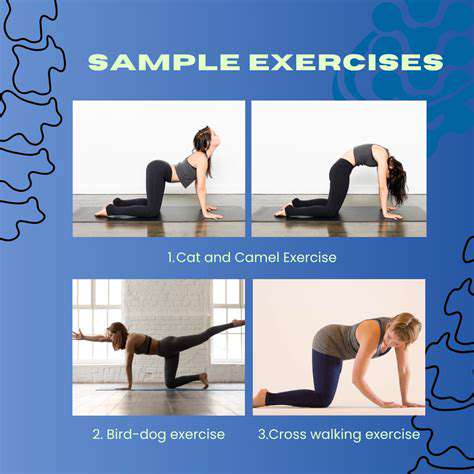
- Planks: This foundational exercise engages the core, glutes, and back, promoting stability. Maintaining proper alignment is critical, especially for those with back pain. Variations like side planks and planks with leg lifts can further enhance strength and balance. - Bridges: Essential for activating both glutes and lower back muscles, bridges support spinal alignment and help alleviate discomfort. This exercise can be easily modified to suit different fitness levels.- Bird-Dog: This exercise enhances core stability and promotes coordination. The Bird-Dog primarily focuses on the abdomen, lower back, and glutes, making it a valuable addition for back pain management.- Cat-Cow Stretch: A dynamic stretch that enhances spinal flexibility, the Cat-Cow movement helps release tension in the back and encourages proper posture alignment, which is vital in preventing pain. Tips for Integrating Core Exercises SafelyWhen beginning a new exercise program, especially with chronic back pain, it’s important to start gradually. Short sessions of 10-15 minutes focusing on quality movements will aid in building strength without exacerbating discomfort. Consistency is key—aim for three sessions per week and diversify your regimen to keep it engaging.Professional Guidance: Consulting with a healthcare professional or physical therapist can provide tailored exercise recommendations, ensuring safe execution and personalized adjustments based on individual needs and pain tolerance. This professional involvement not only enhances accountability but also improves long-term outcomes for those managing chronic back pain. ConclusionChronic back pain can be daunting, but understanding the importance of core strength and incorporating effective exercises into your routine can lead to significant relief. Exercises like planks, bridges, and the Bird-Dog, combined with proper guidance and consistency, can foster a strong core, improve posture, and ultimately alleviate pain. Always consider seeking professional advice before initiating any new exercise plan, ensuring a safe, tailored approach to recovery and well-being.
Mar 29, 2026
View Publications>>

Hot Recommendations