Health
Office Ergonomics
Ergonomics
Exercises
Nutrition
Wellness

Lower Back Health for Office Workers: A Daily Guide

When to Seek Help

Finally, it's vital to listen to your body. If you experience chronic pain or discomfort in your lower back that does not subside with self-care measures, consulting a healthcare professional is advisable. Persistent pain can signify underlying conditions that may require specialized treatment.

Healthcare providers, such as physical therapists, can offer personalized strategies tailored to your specific needs, including exercises and postural assessments. Early intervention is crucial in preventing more serious issues that could arise from neglecting lower back pain.

In summary, caring for your lower back should be an ongoing practice, combining self-awareness, ergonomic principles, stretching, and strength training. With the right proactive measures, you can optimize your daily life while safeguarding your spine against preventable injuries.

Exercises to Strengthen and Stretch the Lower Back

ExercisestoStrengthenandStretchtheLowerBack

Essential Exercises for Lower Back Strength

Incorporating specific exercises into your daily routine can significantly enhance Lower Back Strength. For instance, exercises like bridges, pelvic tilts, and bird-dogs are particularly effective at engaging the core and stabilizing the spine. Research shows that these movements not only bolster muscle strength but also improve overall body mechanics, reducing the risk of injury.

To perform a bridge, lie on your back with knees bent and feet flat on the floor. Gradually lift your hips until your body forms a straight line from shoulders to knees. Hold this position for a few seconds before lowering. This simple yet effective exercise targets the glutes and lower back directly. Ensuring your feet are about shoulder-width apart can help maintain balance while performing this exercise.

Another highly recommended exercise is the bird-dog. This motion involves extending one arm forward while extending the opposite leg back, effectively encouraging core stability. A review in the Journal of Physical Therapy Science indicated that consistent bird-dog practice contributed to decreased pain levels in individuals suffering from chronic lower back issues.

Stretching Techniques for Lower Back Relief

  • Cat-Cow Stretch: Improves flexibility and can alleviate tension.
  • Child’s Pose: Offers a gentle stretch, promoting relaxation.
  • Seated Forward Bend: Targets hamstrings, indirectly benefiting the lower back.

Stretching is just as crucial as strengthening exercises when it comes to lower back health. The Cat-Cow stretch, for example, helps to gently mobilize the spine and increase flexibility. It involves alternating between arching and rounding your back while on all fours. This simple motion can help to ease tension and improve posture, which is often compromised in office workers.

Moreover, the Child’s Pose is a great way to take a break during long periods of sitting. It allows the back to unload and encourages deep breathing. Practicing this stretch can enhance blood circulation, which is essential for recovery. If you find it difficult to maintain the stretch, consider using a yoga block or cushion for support.

Nutrition and Hydration: Supporting Lower Back Health

Understanding Essential Nutrients for Spine Health

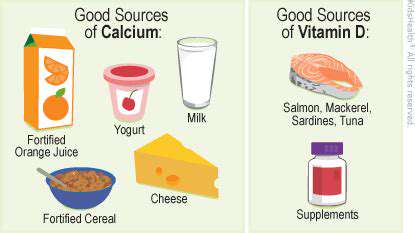
To maintain optimal lower back health, it's crucial to consume a diet rich in essential nutrients. Key vitamins and minerals such as vitamins D and K, calcium, and magnesium are vital for bone health. Studies suggest that inadequate intake of these nutrients can lead to weakened bones, eventually increasing the risk of back pain and discomfort.

Additionally, incorporating anti-inflammatory foods into your diet can play a pivotal role in spine health. Foods rich in omega-3 fatty acids, like salmon and walnuts, along with plenty of fruits and vegetables can help reduce inflammation. A significant amount of research supports the link between a nutritious diet and a reduction in spinal issues, making dietary choices a foundational element in maintaining back health.

The Role of Hydration in Preventing Discomfort

Staying well-hydrated is often overlooked when considering lower back health, yet it's a critical factor. Proper hydration helps maintain the elasticity of the discs in the spinal column, which absorb shocks during movement. A study conducted by the American College of Sports Medicine reveals that even mild dehydration can lead to decreased spinal disc function, contributing to discomfort and pain.

Moreover, sufficient water intake can aid in nutrient transport and waste removal, both of which are essential for overall bodily functions. For office workers, setting regular reminders to drink water can establish a routine, promoting spinal and overall health.

Practical Tips for Incorporating Nutrition and Hydration into Your Daily Routine

One effective strategy for busy office workers is meal prepping. Planning and preparing balanced meals ahead of time can ensure a consistent intake of the necessary nutrients to support spine health. Aim for meals that include a mix of lean proteins, whole grains, and colorful vegetables. This strategy not only enhances nutritional intake but also saves time during hectic workdays.

In addition, carry a reusable water bottle to keep hydration accessible throughout your day. Aim to fill it up several times, ensuring you meet your daily water requirements. An interesting tip is to track fluid intake using a mobile app, which can encourage consistency and accountability.

Lastly, consider investing in a standing desk or incorporating short breaks for simple stretching. These actions promote better posture and encourage fluid movement, which naturally enhances both hydration status and nutrient circulation in your body. This holistic approach can make a substantial difference in your lower back health over time.

Read more about Lower Back Health for Office Workers: A Daily Guide
Best Nutrition for Pregnant Vegetarians
May 28, 2025
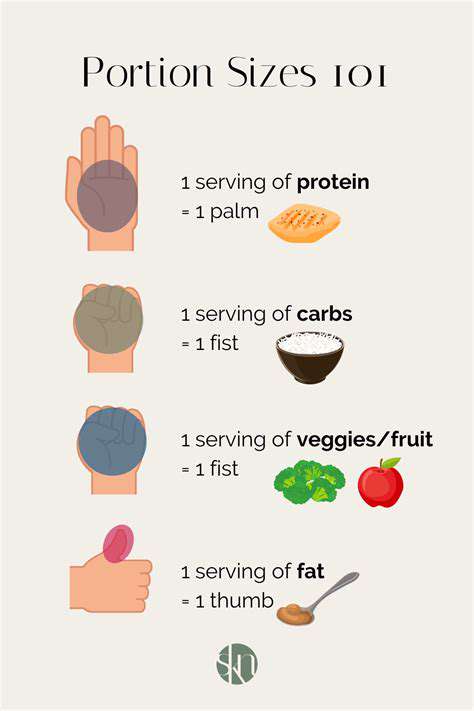
Understanding Portion Sizes: A Visual Guide
May 30, 2025
How to Create a Healthy Environment for Sleep
Jun 30, 2025
The Importance of Hydration in Running Key Insights on Hydration for RunnersHydration is a crucial aspect of running that significantly impacts performance and recovery. Water plays a vital role in maintaining body temperature and supporting metabolic functions, such as nutrient transport and recovery after exercise. Under-hydration can lead to fatigue, decreased coordination, and even serious heat-related illnesses, making it essential for runners to understand and prioritize their hydration needs. Recognizing the Signs of DehydrationBeing aware of the signs of dehydration is vital for any runner. Symptoms can include dry mouth, fatigue, dizziness, and muscle cramps. Studies indicate that losing just 2% of your body weight due to fluid loss can adversely affect performance. Hydration strategies should be proactive—make it a habit to drink water consistently throughout the day, not just before your runs. Effective Hydration StrategiesTo maintain optimal hydration, establish a pre-run routine that includes drinking 16-20 ounces of water or sports drinks two hours before running. If your runs exceed an hour, be sure to drink 7-10 ounces of fluids every 10-20 minutes. After your run, aim to drink 16-24 ounces for every pound lost during the activity, and don’t underestimate the importance of combining hydration with nutritional strategies for enhanced performance. Understanding Electrolyte BalanceElectrolytes like sodium, potassium, and magnesium are essential for muscle function and hydration. A proper balance helps prevent cramps and fatigue during prolonged exercise. To avoid electrolyte imbalances, consider including foods rich in potassium (e.g., bananas and oranges) and sodium (e.g., sports drinks) in your diet. Optimizing Your Hydration PlanDeveloping a comprehensive hydration strategy is essential. Start by gauging your sweat rate to determine how much fluid you need during activities. Adjust your strategy according to weather conditions and exercise intensity, incorporating electrolyte-rich fluids every 30 minutes for longer runs. Nutritional Strategies for Injury PreventionProper nutrition, paired with hydration, is key to preventing injuries during running. Micronutrients like vitamins and minerals are crucial for muscle recovery, while macronutrients provide the fuel needed for lengthier runs. Consider incorporating a balanced meal plan rich in carbohydrates, proteins, and healthy fats to meet your nutritional needs and reduce injury risks. The Crucial Role of TimingWhat you consume before and after your runs can significantly enhance your performance. Aim for a high-carb meal two to three hours prior to running and a combination of carbohydrates and proteins within 30 minutes post-exercise for optimal recovery. Personalizing your nutrition plan based on your individual needs is essential for success. Listening to Your BodyUnderstanding your body's signals—such as fatigue and thirst—is critical for runners. Regular self-assessments can guide you in adapting your hydration and nutrition strategies to improve your running experience. If you consistently experience cramps or fatigue, it may be beneficial to consult with a sports nutritionist for tailored advice.---For more insights on hydration, nutrition, and running strategies, delve deeper into our comprehensive resources tailored for runners of all levels. Your journey to optimal performance and well-being starts here!
Mar 03, 2026
Key Strategies for SuccessAre you feeling stuck in your running routine? Whether you aim to improve your speed, build strength, or recover better, our guide offers essential strategies to help elevate your performance and break through training plateaus. 1. Reassess Your Training PlanStart by evaluating your current training regimen. Are you balancing speed work with long runs? Implement varied techniques like tempo runs and intervals weekly to stimulate improvements. Don’t forget to keep a training log to track your progress and recognize patterns. Recovery ProtocolsRecovery is key to enhancing your performance. Implement active recovery practices such as light jogging or yoga, ensure you have rest days, and focus on proper hydration and nutrition. Adequate recovery allows your body to repair and strengthens your resilience. 2. Focus on Strength TrainingIntegrating strength training into your running regimen can lead to significant improvements. Focus on major muscle groups that aid running, such as legs and core. Plan workouts 2-3 times a week to build power and durability, helping you run faster while minimizing injury risks. 3. Prioritize Recovery and NutritionRecovery cannot be overlooked. It's essential for muscle rebuilding and performance enhancement. Make sure to consume the right balance of protein, carbohydrates, and hydration post-workout. Active recovery techniques can further accelerate your recuperation. 4. Set Specific Goals and Track ProgressSetting SMART (Specific, Measurable, Achievable, Relevant, Time-bound) goals is crucial. Instead of vague aspirations, define clear targets that keep you accountable. Regularly reassess your goals, and use training logs to track your performance and make informed adjustments. 5. Engage with the Running CommunityJoining a running community, whether local or online, can boost your motivation and offer invaluable insights. Participate in group runs, workshops, and volunteer at races to deepen your connection to the sport while surrounding yourself with like-minded individuals. ConclusionImplementing these strategies can propel your running journey forward, helping you achieve both personal and performance goals. Remember, progress is a continuous journey, and engaging in community support can enhance your experience along the way. Ready to take your running to the next level? Explore our comprehensive guide for detailed insights and start breaking through those performance barriers today!
Mar 04, 2026
Wholesome Recipes for a Vibrant and Healthy DietDiscover a world of flavor with our selection of easy, healthy recipes that fit perfectly into busy lifestyles. Whether you're looking for a colorful Veggie Stir-Fry, a Quick Chickpea Salad, Zucchini Noodles with Pesto, an Egg and Spinach Breakfast Wrap, or Shrimp Tacos with Mango Salsa, this page has the delicious options you need to nourish your body without consuming precious time. 1. Colorful Veggie Stir-FryBrighten up your dinner plate with a vibrant mix of bell peppers, broccoli, carrots, and snap peas. This dish is not only a feast for the eyes but also packed with essential nutrients. Learn how to create a flavorful base using quality oils and seasonings while mastering cooking techniques to preserve the crunch of your vegetables. Adding plant-based protein sources like tofu or tempeh makes it a complete meal. 2. Quick Chickpea SaladPerfect for a quick lunch or light dinner, this salad mixes canned chickpeas, fresh tomatoes, cucumbers, and herbs for a nutritious powerhouse. Made in just 10 minutes, it's rich in protein and fiber, helping you feel full and satisfied. The zing of olive oil and lemon dressing ties all the flavors together, creating a harmonious experience. 3. Zucchini Noodles with PestoSatisfy your pasta cravings with zucchini noodles, a low-calorie alternative that doesn't skimp on taste. This recipe for homemade pesto combines fresh basil, garlic, nuts, and parmesan cheese for a nutty and fragrant complement. With easy preparation and cooking tips, you can create a delightful dish that supports healthy living. 4. Egg and Spinach Breakfast WrapStart your day right with a nutritious Egg and Spinach Breakfast Wrap that's ready in just 10 minutes! Use whole wheat wraps for added fiber and load them with sautéed spinach and scrambled eggs. Customize with add-ins like feta or diced tomatoes for an explosion of flavor that fuels your morning. 5. Shrimp Tacos with Mango SalsaBring the fiesta to your table with our Shrimp Tacos topped with a refreshing mango salsa. Both low in calories and high in protein, this dish is quick to make and customizable to suit your taste. Pair with black beans for a complete meal and enjoy the vibrant mix of flavors and textures. Health BenefitsEach recipe emphasizes fresh, whole ingredients that help maintain a balanced diet. Incorporating a variety of vegetables, legumes, and proteins supports overall health and well-being. Moreover, meal prepping tips included for each recipe help you save time during busy weeknights without compromising your nutrition. ConclusionEating healthy doesn’t need to be complicated. With these simple yet delicious recipes, you can whip up meals that are as nourishing as they are satisfying. Embrace the flavors of fresh produce and wholesome ingredients, and elevate your culinary creations today!
Mar 05, 2026
The Nutritional Power of Soups and StewsDiscover the transformative benefits of soups and stews, the ultimate comfort food that can aid in your weight loss journey while keeping you nourished and satisfied through the colder months. Packed with essential vitamins, minerals, and fiber, each bowl can be a powerhouse of nutrition, promoting better health. Understanding the IngredientsSoups and stews are composed of a variety of ingredients, each contributing unique benefits. Leafy greens, such as kale and spinach, are not only rich in vitamins A, C, and K but also provide vital dietary fiber essential for digestive health. By incorporating low-calorie proteins like lentils and beans, you can enjoy hearty meals that foster feelings of fullness, which can be particularly helpful for weight management during the winter months. Calories and Health BenefitsRenowned for their versatility, both soups and stews can easily be modified to lower calorie counts while retaining their delightful flavors. Swapping cream for broth not only enhances taste but also significantly reduces calories, making them an excellent choice for weight loss. Research suggests that starting a meal with a broth-based soup can lead to reduced overall calorie consumption, which is especially beneficial as we gravitate toward heavier foods in the colder season. Simple Recipes to Get StartedCreating nutritious soups and stews at home can be a breeze. A basic vegetable soup can come to life with just onions, garlic, and a medley of your favorite vegetables cooked in vegetable broth. For a heartier option, try a chili overflowing with beans, tomatoes, and lean ground turkey or tofu—both rich in protein and fiber. The possibilities are endless, making it easy to explore various flavors and textures that cater to your personal palate. Low-Calorie Ingredients for Healthy Soups and Stews Vegetables That Pack a Nutritional PunchStart with vegetables, the foundation of any low-calorie dish. Greens, cruciferous veggies, and seasonal produce offer a wealth of vitamins with minimal calories, helping you maintain a healthy diet without sacrificing satisfaction. Lean Proteins for SatietyIncorporating lean proteins like chicken, beans, or seafood not only enhances flavor but also ensures you're getting the required nutrients for satiety. Herbs and Spices for Flavor EnhancementUtilizing herbs and spices can dramatically elevate your meals without adding calories. Simple ingredients like garlic and thyme can transform your dish while also providing health benefits. Seasonal Ingredients to Maximize FreshnessUsing seasonal produce ensures maximum freshness and nutrients in your soups and stews. Winter root vegetables like carrots and parsnips are not just low in calories but are also bursting with flavor. Ingredients like butternut squash add natural sweetness without extra calories. Tips for Maximizing Weight Loss with Soups and StewsUnderstanding the nutritional value of your ingredients is key. Focus on low-calorie vegetables and lean proteins while controlling portion sizes to manage your weight effectively. Enhance the flavors without added calories by experimenting with different herbs and spices. Elevate your winter cooking with these delicious soups and stews, designed to nourish, satisfy, and support your wellness journey. Embrace the comforting warmth and enjoy the myriad health benefits that come with every bowl.
Mar 05, 2026
- Meal prep ingredients where possible for quick cooking.- Introduce variations to keep meals interesting and suit diverse dietary needs.- Enjoy exploring new flavors and cooking techniques in your kitchen!
Mar 15, 2026
- Swap butter for olive oil when cooking.- Replace white rice with whole grains like quinoa or farro.- Increase your intake of leafy greens and seasonal vegetables.- Choose fish as your primary protein source at least twice a week.These adjustments can seamlessly integrate Mediterranean principles into your daily meals. Cooking Methods to Enhance Meal QualityUtilizing techniques common in Mediterranean cuisine, such as grilling or roasting, helps bring out flavors while minimizing added fats. Meals are centered on sharing and conversation, promoting a mindful and communal dining experience. Embracing the Mediterranean LifestyleAdopting the Mediterranean diet is about more than just the food; it encourages a lifestyle of health, activity, and appreciation for naturally vibrant ingredients. With these principles, one can enjoy significant improvements in heart health, weight management, and overall joy in culinary experiences. Delicious Mediterranean Recipes- Breakfast: Start your day with a Mediterranean omelette packed with vegetables and feta or a refreshing Greek yogurt parfait layered with fruits and granola.- Lunch: Whip up grain bowls or wraps filled with whole grains, fresh veggies, and lean proteins for fulfilling and heart-healthy meals.- Dinner: Flavorful options like grilled salmon paired with a quinoa salad provide essential nutrients and support weight loss while keeping meals exciting and satisfying. Healthy Snack IdeasSmart snacking is key in this diet. Incorporate Greek yogurt, fresh fruits, nuts, and whole grains to maintain energy and support health goals. These snacks not only contribute essential vitamins but also keep cravings at bay.---Discover how the Mediterranean diet can enhance your life, offering a delicious path to improved health and happiness through nutrient-rich foods and a community-oriented eating experience.
Mar 16, 2026
Unlocking the Benefits of Whole Grains for Weight LossWhole grains such as brown rice, quinoa, and oats are essential allies in your weight loss journey. Packed with vital nutrients, these grains provide the perfect balance of fiber, vitamins, and minerals. This in turn promotes overall health and facilitates effective weight management. Discover the multifaceted advantages of incorporating whole grains into your diet to enhance your weight loss efforts and improve your overall well-being. Nutritional Profile and SatietyWhole grains distinguish themselves from refined grains by their higher dietary fiber content, leading to increased feelings of fullness. This improvement in satiety can help individuals maintain a calorie deficit necessary for weight loss. Consuming whole grains supports a balanced diet, packed with nutrients that foster better health. Steady Energy and MetabolismUnlike refined grains, whole grains are digested slowly, providing a steady release of energy that minimizes those pesky energy dips. Regular consumption can enhance physical performance during workouts and may even increase calorie burning due to the energy required for digestion. This sustained energy can help keep you active and engaged, essential elements in any weight loss plan. Digestive Health and Prebiotic BenefitsWhole grains are superb for digestive health. Their fiber content aids bowel movements and helps prevent constipation, promoting a healthy gut microbiome—an essential component for effective weight management. Additionally, whole grains act as prebiotics, nurturing beneficial gut bacteria vital for digestion and weight loss. Heart Health MattersIncorporating whole grains into your meals is linked to better cardiovascular health. They contain antioxidants and anti-inflammatory properties that can reduce cholesterol levels and lower the risk of heart disease, enabling a healthier body ready for workouts and daily activities. This is particularly crucial for those on a weight loss journey, as heart health directly influences exercise capacity. Whole Grains vs. Refined GrainsResearch supports that individuals who prioritize whole grains over refined grains often enjoy healthier body weights. With their fiber content enhancing feelings of fullness, whole grains can significantly contribute to your weight loss goals. By simply substituting white bread and rice with whole-grain varieties, you can step up your nutritional game and help manage your weight effectively. Simple Ways to Enjoy Whole GrainsIncorporating whole grains into your meals is easier than you might think! Consider swapping white rice for brown rice, and add quinoa to your salads or snacks. Kickstart your mornings with fiber-rich oatmeal or whole-grain toast, and watch how these small changes lead to substantial long-term benefits. Embrace Whole Grains for Sustainable Weight LossUltimately, embracing whole grains is a sustainable path to weight loss. Beyond simply shedding pounds, they offer an array of health benefits that enrich your diet. Learn to make informed food choices to achieve and maintain a healthy weight, allowing you to lead a life full of energy and longevity. Whole grains are not just a meal component; they are a lifestyle enhancement that can lead to lasting changes in your health and well-being.---Explore delicious recipes and learn practical tips for cooking with whole grains! From breakfast options to hearty lunches and nutritious snacks, discover how to easily nourish your body while pursuing your weight loss goals.
Mar 16, 2026
Transform Your Diet and Lifestyle What is a 30-Day Healthy Eating Challenge?The 30-Day Healthy Eating Challenge is a structured program designed to help individuals improve their diets by promoting healthier food choices over a month. This challenge is more than just a temporary diet; it focuses on creating sustainable long-term habits for weight loss and overall wellness. Participants set clear goals, such as increasing vegetable intake or reducing sugar consumption, with the aim of fostering gradual lifestyle changes. Core Principles of Healthy EatingCentral to this challenge is a balanced nutritional approach, prioritizing whole foods—like fruits, vegetables, lean proteins, and whole grains. Research underscores the efficacy of diets rich in fiber and low in refined carbohydrates, demonstrating their role in weight loss and improved satiety. Mindful eating, portion control, and proper hydration are fundamental components that help participants avoid common barriers to weight loss. Daily Structure and HabitsThe challenge unfolds day-by-day, with achievable targets, such as consuming five servings of vegetables or cutting out sugary drinks. By maintaining a food diary or using mobile apps for tracking, participants hold themselves accountable, making the journey manageable and engaging. Educational resources, such as quick nutritional facts and recipes, further enhance the experience. Evidence of EffectivenessScientific research suggests that short-term focused interventions can lead to meaningful improvements in eating behaviors and metabolic markers. The concept of habit formation indicates that repeating positive behaviors over approximately 30 days can lead to lasting behavioral change, making this challenge a powerful tool for integrating healthier eating patterns into daily life. Tips for SuccessTo maximize success in the challenge, flexibility is essential. Participants are encouraged to plan meals ahead, incorporate physical activity, and engage with supportive communities. Progress should focus on overall improvement, allowing occasional indulgences to prevent burnout and foster a healthier relationship with food. Goal Setting and Meal PlanningSetting long-term objectives before starting the challenge is crucial. Goals should be specific and measurable, such as incorporating a variety of food groups into daily meals. Meal planning plays a significant role in maintaining a balanced diet and reducing food waste, leading to better health outcomes. Utilizing meal prep strategies can save time and manage stress during a busy week. Integrating Physical ActivityPhysical activity significantly enhances the results of a healthy eating challenge. Combining exercise with dietary changes can improve metabolic rates and preserve lean muscle mass, fostering a more effective weight loss journey. Choosing the right type of exercise—such as high-intensity interval training or strength training—will aid participants in achieving their goals. Tracking ProgressMonitoring progress through quantitative metrics, like body weight and waist circumference, alongside maintaining a detailed food diary, allows participants to see tangible results. Adjusting goals based on physical and psychological feedback enables continuous improvement and prevents plateaus during the journey.--- Start Your Journey Today!Ready to take on the 30-Day Healthy Eating Challenge? With proper planning, support, and a focus on sustainable habits, you can transform your diet and embrace a healthier lifestyle for years to come!
Mar 21, 2026
Start with a solid foundation like bananas, spinach, or acai puree, which are critical for flavor and nutrient content.- Fruits: Include a variety of low-calorie fruits like berries or tropical options like mango and pineapple for natural sweetness and digestive health.- Boosters: Enhance your nutrition with chia seeds, flaxseeds, or protein powder to improve fullness and overall health.- Toppings: Add texture with nuts, seeds, or granola while also upping the meal’s nutritional profile. Simple Smoothie Bowl RecipesCrafting the perfect smoothie bowl is easy. Start by blending your choice of ingredients, keeping a good ratio (one cup of fruit to half a cup of liquid). Top it off with your favorite nuts, seeds, or fresh fruits for added crunch and appeal. Health Benefits of Smoothie BowlsSmoothie bowls can help regulate blood sugar levels, aid digestion, and provide sustained energy throughout the day—all essential factors in a weight loss journey. They also make an excellent post-workout meal due to their balanced nutrient profile. Tips for Perfecting Your Smoothie BowlTo achieve your weight loss goals with smoothie bowls, focus on nutrient-dense ingredients like leafy greens and berries. Enhance flavor with natural spices, and be mindful of portion sizes to avoid calorie overload. By creatively adjusting your ingredients and toppings, you can keep your meals satisfying and enjoyable.Smoothie bowls are not just a beautiful addition to your diet—they're a nourishing and effective strategy for weight loss and health. Embrace the versatility and vibrant flavors of smoothie bowls, and discover how delightful healthy eating can be!
Mar 24, 2026
View Publications>>

Hot Recommendations