Nutrition
Cooking Techniques
Cooking Tips
Chickpea Salad
Weight Loss
Recipe
Healthy Eating
Nutritional Benefits

Healthy Bean and Lentil Recipes for Weight Loss

A Comforting ClassicNourishingLentilSoup:AComfortingClassic

Ingredients for a Nutritious Lentil Soup

To prepare a Nourishing Lentil Soup, it's essential to gather the right ingredients that pack a nutritional punch. Key components include whole lentils, vegetables, and herbs, which contribute both flavor and health benefits. Typically, you might consider using ingredients like carrots, celery, onions, and garlic, all of which are well-known for their rich vitamin and mineral content.

Beyond the standard fare, experimenting with spices such as cumin and coriander can enhance the flavor profile significantly. These spices not only complement the lentils but also deliver anti-inflammatory properties. Additionally, don’t forget your choice of broth; opting for low-sodium vegetable broth helps keep the dish lighter and healthier.

The Health Benefits of Lentils

Lentils are often lauded as a superfood, especially when it comes to supporting weight loss goals. Their high fiber content makes them exceptionally filling, which can help to stave off hunger and reduce overall calorie intake throughout the day. In fact, a one-cup serving of cooked lentils contains about 18 grams of dietary fiber!

Moreover, they are an excellent source of plant-based protein, making them an ideal option for vegetarians and vegans alike. Incorporating lentils into your diet can also help in managing blood sugar levels, which is beneficial for those concerned about diabetes or insulin resistance.

Cooking Techniques for Perfectly Cooked Lentils

When cooking lentils, it’s crucial to understand the different types and their respective cooking times. For instance, brown lentils generally take about 20-30 minutes to cook, while red lentils may cook in as little as 15 minutes. This variation can influence your meal prep significantly. Pre-soaking lentils is not necessary, but it can reduce cooking time.

  • Use a pot with a tight-fitting lid to cook lentils efficiently.
  • Add aromatic ingredients during cooking to enhance the flavor.
  • Monitor the water levels to prevent the lentils from burning.

Lastly, don’t be afraid to customize your cooking method. Whether you prefer using a slow cooker or an Instant Pot, both techniques can yield delicious results if executed properly.

Variations of Lentil Soup

Lentil soup recipes are incredibly versatile, allowing you to tailor each batch to your unique preferences. You might try Mediterranean-inspired soups with tomatoes and feta or a spicy Indian version with coconut milk and curry spices. Each variation can provide a different taste experience while still maintaining the soup’s foundational health benefits.

For those who appreciate a creamier texture, consider blending a portion of the soup after cooking. This technique adds an appealing richness without the need for cream, keeping it healthy and satisfying. Experimentation is encouraged—adding seasonal vegetables or beans can lead to delicious discoveries.

Serving Suggestions and Pairings

When it comes to serving lentil soup, creativity can elevate your meal. Pairing it with a leafy green salad or whole-grain bread not only complements the soup but also adds a balanced assortment of nutrients to your plate. A drizzle of olive oil can add a delightful richness as well.

You might also consider serving your lentil soup with a splash of lemon juice or a dollop of yogurt. These toppings bring a fresh layer of flavor and can enhance the overall dining experience. Don't overlook the importance of garnishes like fresh herbs or a sprinkle of paprika to make your dish visually appealing.

Storing and Freezing Leftover Soup

Leftover soup can be a lifesaver during a busy week. Proper storage is essential to maintain the quality of your lentil soup. For best results, let it cool completely before transferring it to airtight containers; this helps to prevent moisture buildup, which can lead to spoilage.

Lentil soup generally retains its flavor and texture well in the freezer for up to three months. When reheating, remember to add a bit of water or broth to restore the consistency, as it can thicken during storage. Don't forget to give it a taste check; often, it will benefit from a splash of fresh herbs or spices upon reheating.

Why Include Lentil Soup in a Weight Loss Diet?

Lentil soup can be an invaluable addition to a weight loss diet, primarily due to its low calorie count coupled with high protein and fiber levels. This combination not only promotes satiety but may also help manage weight over the long term. Studies have shown that meals high in fiber and protein can significantly reduce hunger and calorie intake.

Incorporating lentil soup as part of a balanced meal plan can also contribute to a reduced risk of chronic diseases, such as heart disease or diabetes. Moreover, adopting a high-fiber diet is often linked with improved digestive health, further enhancing your overall well-being.

Spicy Black Bean Tacos: Flavorful and Filling

Ingredients That Pack a Punch

To create delicious Spicy Black Bean Tacos, it's crucial to use high-quality ingredients. Black beans are rich in protein and fiber, promoting satiety while keeping your calorie intake low. Specifically, a cup of cooked black beans has about 15 grams of protein and 30 grams of carbohydrates, making them an ideal base for a nutritious meal. Additionally, spices like cumin and chili powder enhance the flavor profile without adding excessive calories or sodium.

Further elevating the dish, incorporating fresh ingredients such as bell peppers, onions, and avocado not only adds vibrant colors but also boosts the nutritional value. For instance, avocados provide healthy fats that can keep you feeling full, whilst bell peppers are high in vitamin C. This taco recipe embodies the balance of taste and health, making it a wonderful addition to a weight loss-friendly diet.

Preparation and Cooking Tips

When preparing Spicy Black Bean Tacos, there are certain techniques that can optimize both flavor and nutrition. Start by sautéing onions and garlic to create a flavor base before adding the spices and black beans. This step not only develops depth in the dish but also enhances the absorption of dietary nutrients. Cooking beans with spices allows the flavors to meld together, resulting in a more cohesive taste.

Another essential tip is to opt for whole-grain or corn tortillas rather than processed varieties. Whole grains offer more fiber and nutrients essential for digestive health. A quick bake or toast of the tortillas before layering the ingredients can add a delightful crunch that contrasts beautifully with the creamy avocado. Overall, these preparation techniques can elevate your taco experience while adhering to healthful eating principles.

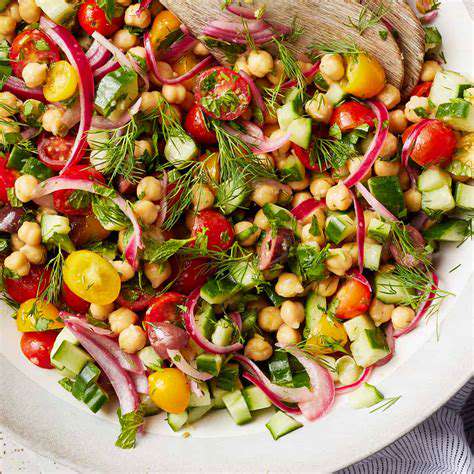
Chickpea Salad: A Refreshing Plate
ChickpeaSalad:ARefreshingPlate

Ingredients for a Perfect Chickpea Salad

To create a satisfying chickpea salad, focus on selecting High-quality, fresh ingredients. Commonly used ingredients include canned or cooked chickpeas, bell peppers, cucumbers, red onions, and a variety of herbs like parsley or cilantro. You can also enhance flavor by adding ingredients such as avocado or feta cheese.

Dressing options can vary significantly. A simple mixture of olive oil, lemon juice, salt, and pepper often suffices, but experimenting with tahini or yogurt can elevate the dish's taste profile. Furthermore, including spices like cumin or paprika can add a unique twist that complements the salad.

Nutritional Benefits of Chickpeas

Chickpeas, or garbanzo beans, are incredibly nutritious. They are an excellent source of protein, making them ideal for anyone looking to increase their protein intake without consuming meat. Just one cup of cooked chickpeas provides approximately 15 grams of protein, which is beneficial for weight loss as protein helps increase satiety.

Additionally, chickpeas are high in dietary fiber. This is significant because dietary fiber can help regulate digestion and promote a feeling of fullness, thus potentially reducing overall caloric intake. This is essential for anyone aiming to lose weight while maintaining a balanced diet.

How to Prepare Chickpeas

  • Start with either dried or canned chickpeas, depending on your preference.
  • If using dried chickpeas, soak them overnight and then cook them until they're tender.
  • Canned chickpeas should be rinsed well to remove excess sodium.

Preparation is straightforward, and it's a key step in ensuring the chickpeas retain their texture and flavor. If using dried chickpeas, it's essential to allow enough soaking and cooking time to achieve the right consistency. For canned chickpeas, the rinsing process helps in maintaining a fresher taste by eliminating the canned flavor.

Flavor Combinations to Consider

Creating a chickpea salad allows for endless flavor combinations. You can consider adding seasonal fruits like diced apples or pears to introduce a sweet contrast to the salad's savory elements. Including contrasting flavors enhances the overall experience, making each bite exciting.

Another excellent addition could be roasted vegetables such as sweet potatoes or zucchini, which can add robustness to the dish. Experimenting with different herbs and spices will also give your salad unique notes, inviting your taste buds to explore various culinary experiences.

Serving Suggestions

Chickpea salad is versatile and can be served in multiple ways. One popular option is to serve it on a bed of fresh greens, which turns it into a complete meal. Incorporating other salads like quinoa can also add variety and nutritional density.

You can even use chickpea salad as a filling for pita bread or wraps. This not only transforms the dining experience but also provides an easy, on-the-go meal option for busy individuals. Pairing your chickpea salad with a light soup can also create a wholesome, satisfying dining occasion.

Storing Chickpea Salad

Proper storage is crucial for maintaining the freshness of your chickpea salad. If you have leftovers, ensure they are stored in an airtight container to prolong their shelf life. Typically, chickpea salad can last in the refrigerator for about 3 to 5 days, depending on the ingredients used.

When planning to have leftovers, it's advisable to keep the dressing separate until ready to serve, ensuring that each serving maintains its distinct flavor and texture. This approach will prevent the salad from becoming soggy while stored.

Tips for Weight Loss

Incorporating chickpeas into your diet can be an effective strategy for weight loss. Their high protein and fiber content can help you feel satisfied longer, which may lead to fewer snacks and reduced caloric intake. Pairing chickpeas with other low-calorie ingredients, such as leafy greens and colorful vegetables, can further enhance this effect. This combination creates a nutrient-dense meal that supports weight management.

Moreover, being mindful of portion sizes is essential. Even healthy foods can contribute to weight gain if consumed excessively. Balancing your meals with chickpeas while incorporating various food groups will help create a well-rounded diet that promotes weight loss effectively.

Curried Lentil and Sweet Potato Bowl

Ingredients Overview

The main ingredients of the Curried Lentil and Sweet Potato Bowl include red lentils, sweet potatoes, and an array of spices. Red lentils are a fantastic source of plant-based protein and fiber, making them a great choice for weight loss. One cup of cooked red lentils provides approximately 18 grams of protein and 16 grams of fiber, which can help keep you feeling full.

Sweet potatoes add a natural sweetness and are rich in vitamins A and C, as well as potassium. This combination not only complements the spices but also balances the dish nutritionally. Plus, the orange color indicates high levels of beta-carotene, which is beneficial for eye health.

Cooking Techniques

The preparation for this bowl merges various cooking methods, from boiling and sautéing to simmering. Start by rinsing the lentils thoroughly; this helps remove any impurities and reduces cooking time. Sweet potatoes could be diced and either roasted for a crispy texture or boiled for a softer consistency, depending on your preference.

Once you have your base ingredients ready, it's essential to sauté onions and garlic in a bit of olive oil. This enhances the flavor profile of the dish, adding depth that pairs well with curry powder.

When simmering the lentils, don’t forget to include coconut milk for creaminess and a touch of sweetness—an underrated technique that elevates the entire bowl's taste.

Flavor Profile and Variations

The flavor of the Curried Lentil and Sweet Potato Bowl can range from mildly spicy to robustly flavored, depending on the curry powder you choose. For those who prefer a bit more heat, adding chili peppers or cayenne can bring the dish to life. Trying out different spice blends can also lead to exciting variations—from Thai red curry paste to Indian garam masala, the possibilities are vast!

To customize this recipe even further, consider incorporating other vegetables like spinach or kale, which would enhance the nutritional value while also adding color and texture to the dish. Nuts or seeds can also be sprinkled on top for added crunch.

Nutritional Benefits

This meal is not just flavorful; it's also incredibly nutritious. Rich in antioxidants, the ingredients work synergistically to combat oxidative stress in the body. Additionally, the high fiber content from both lentils and sweet potatoes helps regulate blood sugar levels and promotes digestive health.

Research has shown that diets high in plant-based foods, such as legumes and vegetables, are associated with a lower risk of chronic diseases. Integrating meals like the Curried Lentil and Sweet Potato Bowl into your diet can aid not only in weight management but also in overall health improvement.

Moreover, with a well-rounded macronutrient profile, this recipe supports sustained energy levels, making it an excellent option for lunch or dinner. Eating a balanced meal can improve focus and productivity throughout the day.

Serving Suggestions and Accompaniments

For an optimal dining experience, consider serving the Curried Lentil and Sweet Potato Bowl on a bed of quinoa or brown rice. These grains provide additional fiber and plant-based protein, complementing the dish's nutritional profile effectively.

A dash of lime juice or a sprinkle of fresh cilantro can also add a refreshing zing to the dish. If you'd like to incorporate a side, a simple salad with a vinaigrette dressing might provide a light and crisp contrast to the warm bowl. For a heartier option, pairing it with whole-grain pita bread makes for an enjoyable, filling meal.

Lastly, if you’re preparing for meal prep, this dish stores wonderfully in the fridge and can be easily reheated, making it a perfect candidate for your weekly meal plan.

Closing Thoughts on Legumes for Weight Loss

ClosingThoughtsonLegumesforWeightLoss

Understanding the Nutritional Profile of Legumes

  • Legumes provide essential nutrients like protein, fiber, and vitamins.
  • They are low in fat and can promote satiety, aiding in weight loss.
  • Different varieties offer unique health benefits and flavors.

Legumes, including beans and lentils, are among the most nutrient-dense foods available. They are rich in protein, complex carbohydrates, and dietary fiber, making them an ideal choice for those aiming for weight loss. A 2016 study published in the journal *Nutrients* highlighted that a diet high in legumes can improve overall nutrition while aiding in weight management.

Additionally, legumes are quite low in fat, which is another key aspect that benefits those watching their caloric intake. This nutritional profile not only helps in maintaining a balanced diet but also promotes long-lasting satiety, reducing the chances of snacking between meals.

How Legumes Promote Weight Loss

The soluble fiber found in legumes significantly contributes to weight loss efforts. It helps regulate blood sugar levels and reduces hunger, thereby preventing overeating. An increase in dietary fiber intake has been associated with a lower body mass index (BMI) in various studies.

Moreover, legumes have a low glycemic index, meaning they digest slowly and keep blood sugar levels stable. This can help you avoid energy crashes and cravings that lead to poor food choices later in the day.

Incorporating Legumes into Your Diet

Incorporating legumes into your daily meals can be simpler than you might think. Start with small additions, like tossing chickpeas into salads or using lentils in soups.

Planning meals around legumes not only provides variety but also maximizes their health benefits. For example, a weekly meal prep that includes various legume-based dishes can ensure you’re meeting your nutritional goals while enjoying delicious flavors.

Creative Healthy Bean and Lentil Recipes

There are countless recipes that utilize beans and lentils creatively, making it easy to enjoy their benefits. Consider trying a black bean quinoa salad with chopped vegetables, which packs a nutrient punch and is both satisfying and flavorful.

You can also whip up a comforting lentil stew with spices and vegetables, which can be both filling and energizing. Remember, experimenting with different herbs and spices can add diversity and interest to your meals, keeping mealtime exciting.

The Role of Legumes in Sustainable Eating

Choosing legumes over animal protein can also be a step toward a more sustainable diet. Legumes have a significantly lower carbon footprint compared to meat and can contribute to a more eco-friendly food system.

Incorporating plant-based proteins may not only enhance personal health but can also lead to broader environmental benefits, including reduced greenhouse gas emissions and less water consumption.

Final Tips for Success with Legumes

When adding legumes to your diet, it's essential to pace yourself. Introducing large amounts all at once might lead to digestive discomfort. Start with small servings and gradually increase as your body adjusts.

For the best results in weight loss, combine legumes with whole grains or vegetables for balanced meals. This not only enhances the taste but also creates meals that are nutritionally comprehensive and satisfying to eat.

Read more about Healthy Bean and Lentil Recipes for Weight Loss

Guide to Sustainable Eating Practices
May 13, 2025
How to Improve Your Pull Up Strength [Beginner to Advanced]
Jun 10, 2025
Guide to Understanding Processed Foods and Their Risks
Jul 29, 2025
Health Tips for Teens Maintaining Mental Health
Jul 29, 2025
Discover Delicious and Healthy Mexican RecipesWelcome to a collection of mouthwatering Mexican recipes that are not only delicious but also packed with nutritional benefits. Whether you're looking to maintain a healthy lifestyle, explore new flavors, or simply enjoy comforting meals, our recipes have something for everyone. Below, you'll find a delightful variety of dishes, including burrito bowls, soups, tacos, stuffed peppers, and refreshing salads. 1. Black Bean and Quinoa Burrito BowlsKick off your culinary journey with our Black Bean and Quinoa Burrito Bowls. This wholesome dish features protein-packed quinoa and rich black beans, complemented by vibrant vegetables like bell peppers and corn. Perfect for meal prep, the burrito bowls are easy to customize. Add roasted sweet potatoes or spicy jalapeños to suit your taste! 2. Chicken Tortilla SoupWarm your soul with a bowl of our Chicken Tortilla Soup. Made with lean, boneless chicken breast and a medley of vegetables, this soup is as nourishing as it is flavorful. Rich in vitamins and antioxidants, it’s the perfect way to enjoy a budget-friendly meal while keeping your health in check. Garnish with fresh cilantro and avocado for added creaminess! 3. Grilled Fish Tacos with Cabbage SlawSavor the coastal flavors of our Grilled Fish Tacos. Using fresh, lean fish and corn tortillas, these tacos feature a crunchy cabbage slaw to balance the meal. The omega-3 fatty acids present in fish not only support heart health but can also assist in weight management. Top with lime juice for a bright finish! 4. Stuffed Bell Peppers with Turkey and Brown RiceOur Stuffed Bell Peppers present a hearty option filled with lean ground turkey and nutritious brown rice. Bell peppers offer an array of vitamins, while the turkey provides a great protein source. Customize your stuffing with black beans or quinoa for a vegetarian twist, making it a versatile dish for any dietary preference. 5. Avocado Salad with Lime VinaigretteFor a refreshing side, try our Avocado Salad with Lime Vinaigrette. Featuring creamy avocados and crisp bell peppers, this salad is low in calories yet high in flavor. The healthy fats from avocados will keep you satisfied, making it a great companion to any main dish. Enhance it further with grilled proteins or a kick of chili for added zest! ConclusionIntegrating these healthy Mexican recipes into your meal plan can lead to a more balanced diet while enjoying delightful flavor profiles. Whether you're preparing dinner for the family or meal prepping for a busy week ahead, these dishes are designed to nourish your body and tantalize your taste buds. Don't miss out on experiencing the joy of cooking and the benefits of healthy eating!---Explore these dishes today and transform your meals into vibrant, nutritious experiences!
Feb 27, 2026
A Comprehensive GuideDiscover the nutritional wonders of plant-based proteins, perfect for anyone looking to enhance their diet with healthy, sustainable sources of nutrition. This guide delves into five powerhouse categories of plant-based proteins: legumes, quinoa, soy products, nuts and seeds, and plant-based protein powders. 1. Legumes: Nature's Protein PowerhouseLegumes, including beans, lentils, and peas, are rich in protein and fiber, making them a staple for vegans. With about 18 grams of protein per serving, they not only enhance muscle growth but also promote heart health through lower cholesterol levels. Learn to incorporate legumes into your meals with versatile recipes and cooking tips, supporting effective weight loss without sacrificing taste. 2. Quinoa: The Complete Protein GrainDubbed a superfood, quinoa is a complete protein containing all nine essential amino acids. Not only is it a nutrient-dense option rich in minerals like magnesium and iron, but its high fiber content aids in digestion and weight loss. Explore how to prepare quinoa and discover delicious ways to incorporate it into salads, bowls, and more! 3. Tofu and Tempeh: Essential Soy ProductsTofu and tempeh are excellent sources of protein and offer various health benefits. Tofu provides about 8 grams of protein per 100-gram serving and is rich in calcium, while tempeh takes the lead with 19 grams and probiotic benefits. Dive into creative cooking methods and meal-planning ideas to make the most of these versatile soy products. 4. Nuts and Seeds: Nutrient-Dense AdditionsPacked with healthy fats, protein, and essential nutrients, nuts and seeds play a crucial role in a balanced diet. Incorporate varieties like almonds and chia seeds for their health benefits and delicious flavors. This section highlights how to effortlessly add nuts and seeds to your meals for improved satiety and heart health. 5. Plant-Based Protein Powders: Convenient and VersatileFor an easy protein boost, explore the range of plant-based protein powders including pea, brown rice, and hemp proteins. These powders are not just convenient for post-workout recovery; they can also enhance smoothies and baked goods. Understand how to choose the right protein powder that enhances your diet without unnecessary additives. ConclusionWhether you’re vegan, vegetarian, or simply looking to incorporate more plant-based options into your meals, this guide provides essential insights and practical tips. Embrace the benefits of legumes, quinoa, soy, nuts, seeds, and plant-based protein powders to create a delicious and fulfilling diet that supports your health and wellness goals. Start your journey to mindful eating today for a healthier tomorrow!
Mar 04, 2026
The Ultimate Guide to a High-Protein, Low-Carb DietIn recent years, the high-protein, low-carb diet has gained significant popularity among those seeking effective weight loss strategies and improved overall health. This approach is designed to provide numerous benefits, including enhanced satiety, muscle preservation during weight loss, better blood sugar regulation, improved body composition, and increased energy levels. Benefits of a High-Protein, Low-Carb Diet Enhanced Satiety and Appetite ControlResearch shows that protein is highly effective at curbing hunger compared to carbohydrates and fats, leading to reduced cravings and enhanced feelings of fullness. This mechanism is particularly beneficial for those trying to lose weight, as incorporating protein-rich foods — such as lean meats, eggs, and legumes — can help control snacking and reduce caloric intake. Muscle Preservation During Weight LossMaintaining lean muscle mass is crucial when shedding pounds. Studies indicate that higher protein intake can aid in muscle preservation during caloric deficits, which is essential for all individuals, especially older adults engaging in physical activities. Blood Sugar RegulationA high-protein, low-carb diet can help stabilize blood sugar levels. By limiting carbohydrates, many individuals experience improved insulin sensitivity, which is particularly advantageous for those with type 2 diabetes. Improved Body CompositionResearch suggests that this dietary approach leads to significant fat loss while preserving muscle mass. Enhanced body composition not only aids in weight loss but also boosts self-esteem and adherence to a healthy lifestyle. Increased Energy LevelsMany adherents of high-protein, low-carb diets report higher energy levels due to stable blood sugar levels and improved metabolic efficiency. With protein-rich foods providing sustained energy, individuals are better equipped for daily activities and exercise. Essential Ingredients and Cooking Tips Key Protein SourcesFocus on lean meats like chicken, turkey, and fish, as well as plant-based proteins such as tofu and legumes. These foods are nutrient-dense, low in carbs, and help meet daily protein requirements without compromising dietary goals. Healthy Fats MatterIncorporating healthy fats from foods like avocados and nuts is essential for overall nutrition. These fats enhance flavor and promote satiety, making them a crucial part of your meals. Low-Carb VegetablesUtilize low-carb, nutrient-dense vegetables such as spinach and zucchini to add volume and essential nutrients to your dishes without adding excessive calories. Flavoring Your DishesMake your meals enjoyable by using herbs and spices. Natural flavor enhancers, like lemon juice and vinegar, can elevate your dishes without the addition of carbs. Meal Planning for SuccessCreating a structured meal plan is vital for adhering to a high-protein, low-carb diet. Focus on incorporating diverse protein sources, various cooking methods, and prepped snacks to keep cravings at bay. Monitoring ProgressTrack your food intake and adjust protein and carb ratios based on your body’s responses to ensure ongoing success and motivation. Avoiding Common PitfallsStay hydrated, read labels carefully, and ensure your approach is balanced to prevent cravings and sustain long-term adherence to your goals.By understanding the benefits of a high-protein, low-carb diet and adopting practical strategies, individuals can embark on a path to better health and successful weight loss. Explore delicious recipes and engage in meal planning to unlock the full potential of this dietary approach.
Mar 09, 2026
Discover Nutritious and Delicious Vegetarian RecipesExplore an array of flavorful vegetarian dishes designed to nourish both body and soul while supporting your health goals. Here’s a delightful guide, featuring a variety of nutrient-packed meals that are as satisfying as they are wholesome. 1. Wholesome Quinoa and Black Bean SaladThis vibrant salad is rich in protein and fiber, making it a perfect choice for anyone looking to enjoy a nutritious meal that also aids in weight management. Packed with ingredients like quinoa, black beans, and fresh vegetables, it not only bursts with flavor but boosts your energy levels too. Tips for customization allow you to add seasonal veggies, enhance flavors with spices, and adapt the recipe to fit your individual taste. Ideal for meal prep, this salad stays fresh for up to three days! 2. Zucchini Noodles with Pesto and Cherry TomatoesSay goodbye to traditional pasta with these delightful zucchini noodles, also known as zoodles. Quick to prepare and naturally low in calories, they serve as a fantastic base for a homemade pesto sauce—rich in flavors while keeping it healthy. This dish is further elevated with juicy cherry tomatoes, creating a satisfying meal that’s perfect for lunch or dinner. Experience versatility by adding proteins like grilled chicken or chickpeas, making this dish suitable for various dietary preferences. 3. Spicy Chickpea and Spinach StewFor a warm and comforting option, this Spicy Chickpea and Spinach Stew strikes the perfect balance between flavors and health benefits. Rich in protein and fiber, chickpeas paired with nutrient-laden spinach and aromatic spices result in a hearty meal that not only satisfies your hunger but also supports your health goals. Easy to customize, you can incorporate your favorite vegetables to keep each bowl fresh and exciting. 4. Lentil and Vegetable Stir-FryEnjoy a rainbow of vegetables with a hearty base of lentils in this delicious stir-fry. Quick to prepare, this dish delivers essential nutrients and a variety of flavors thanks to its diverse ingredient list. The inclusion of garlic and ginger adds an extra layer of health benefits while maintaining vibrant textures. Feel free to personalize it with seasonal vegetables to make it a go-to recipe for busy weeks. 5. Avocado and Tomato ToastThis simple yet flavorful avocado and tomato toast makes for a perfect snack or light meal. Avocados provide healthy fats known for promoting heart health, while tomatoes add an explosion of taste and essential vitamins. Easy to prepare, this dish allows room for creativity—experiment with different breads and toppings such as feta cheese or a poached egg to cater to your taste.---Each recipe featured not only highlights tastiness but also a commitment to health. From salads and stir-fries to zoodles and toast, these dishes prove that vegetarian meals can be both delicious and satisfying. Perfect for anyone seeking to enhance their culinary skills while maintaining a focus on nutrition, these recipes are sure to become staples in your kitchen.
Mar 10, 2026
Enhance Your Cooking with Fresh Herbs, Whole Grains, and Healthy Fats Embrace Fresh Herbs and SpicesIncorporating fresh herbs into your cooking not only uplifts flavors but also boosts nutritional value. Fresh herbs, like parsley and basil, pack vitamins and antioxidants, offering health benefits while reducing salt and sugar intake. Discover the right herbs for your dishes, from basil in Italian cuisine to cilantro in Mexican dishes. This article also shares techniques for using herbs effectively, from muddling in cocktails to infusing oils and vinegars. Choose Whole Grains Over Refined OptionsWhole grains are a powerhouse of nutrition, rich in dietary fiber, vitamins, and minerals. Unlike refined grains, whole grains retain their essential nutrients, promoting digestive health and potentially lowering the risk of chronic diseases. Learn how to integrate whole grains into your meals—from substituting white rice with quinoa to exploring new grain-based recipes. Each step towards including whole grains can make your meals more filling and nutritious. Incorporate Healthy FatsHealthy fats are vital for bodily functions and can improve heart health and cognitive function. Explore different kinds of healthy fats, such as monounsaturated fats in olive oil and polyunsaturated fats in fish. This section discusses cooking techniques that preserve the health benefits of fats, and how to gradually replace unhealthy fats with healthier options. Discover recipes that highlight the deliciousness of healthy fats without sacrificing taste. Opt for Cooking Techniques that Enhance FlavorCooking techniques play a crucial role in flavor enhancement. Use herbs and spices effectively to amplify taste without unnecessary calories. Experiment with marination to tenderize proteins and vegetables while reducing harmful compounds. Master cooking methods like grilling and roasting, which caramelize natural sugars and enhance flavors. Incorporate acidity and umami-rich ingredients for balance, and pair flavors mindfully for extraordinary dishes. Make Use of Marinades and DressingsUnlock the potential of marinades and dressings to elevate your meals. Understanding the role of acidic, enzymatic, and oil-based marinades can help you enhance flavors and improve food safety. Creating your own dressings allows control over sodium and additives, leading to healthier options. Discover flavor-balancing strategies to harmonize dishes, and learn application techniques for maximum flavor absorption. ConclusionTransform your cooking by embracing fresh herbs, whole grains, healthy fats, and the right cooking techniques. This guide provides insights on flavor enhancement through marinades and dressings. Elevate your meals and maintain a healthy diet without compromising on taste. Discover how each cooking choice can contribute to a flavorful, nutritious lifestyle that you and your family will love.
Mar 15, 2026
soluble and insoluble, each serving unique purposes for gut health. The Impact of Fiber on Satiety and Caloric IntakeFiber-rich foods contribute significantly to feelings of fullness, known as satiety. Foods high in fiber take longer to chew and digest, which helps to send fullness signals to the brain, ultimately leading to reduced caloric intake—an important factor for successful weight loss. Furthermore, these foods often have lower energy density, allowing you to eat larger portions without exceeding calorie limits. To leverage these benefits, incorporate a variety of soluble and insoluble fiber-rich options such as fruits, vegetables, and whole grains into your diet. Top High-Fiber Recipes to Try Delicious High-Fiber Breakfast IdeasStart your day with fiber-rich breakfasts like chia seed pudding, overnight oats, or smoothie bowls packed with fruits and veggies. These meals not only enhance satiety but also provide essential nutrients to kickstart your day. Nutritious High-Fiber Lunch OptionsFor lunch, consider quinoa salads loaded with black beans, corn, and vegetables or whole-grain wraps filled with fresh veggies and lean proteins. These dishes not only keep your energy steady but also help in managing hunger throughout the day. Must-Try High-Fiber Dishes1. Quinoa and Black Bean Salad: Quinoa and black beans form a fiber-rich combination that supports digestive health while being satisfying and nutritious.2. Chia Seed Pudding: This delicious dish is not only high in fiber but also rich in omega-3 fatty acids, making it a powerful ally for weight loss.3. Lentil Soup: Packed with 16 grams of fiber and 18 grams of protein per serving, lentil soup is not only comforting but also helps in maintaining fullness and stabilizing blood sugar levels.4. Oatmeal with Nuts and Berries: Enhance your oatmeal with nuts and berries for a nutrient-dense breakfast that supports weight management by promoting satiety. Conclusion: Embrace Fiber for Effective Weight LossIncorporating fiber-rich foods into your diet is a strategic approach to weight loss, promoting feelings of fullness while improving gut health. By focusing on high-fiber recipes and meals, you can make healthier choices that align with your weight loss goals. Explore these delicious options and discover how easy it is to enhance your meals while supporting your health objectives!
Mar 15, 2026
Discover the Benefits of Plant-Based Diets for Weight ManagementAdopting a plant-based diet can transform your approach to weight management while enhancing your overall health. Emphasizing the consumption of fruits, vegetables, whole grains, nuts, and seeds, this dietary lifestyle offers numerous advantages that contribute to effective weight control and long-term wellness. Enhanced Nutrient IntakeA plant-based diet is rich in essential vitamins, minerals, and antioxidants. With a higher intake of fiber and key nutrients like vitamins C and E, followers often exceed daily nutritional recommendations. This not only supports weight management but also bolsters overall health by promoting satiety and reducing the urge to snack. Lower Caloric DensityOne remarkable benefit of plant-based foods is their lower caloric density. Consuming larger portions of vegetables, for instance, allows for greater satisfaction without excessive calorie intake. Research shows that diets focused on low-calorie-density foods contribute to sustainable weight loss, making them a balanced choice for those aiming to maintain fitness goals. Reduction in Processed FoodsTransitioning to a plant-focused lifestyle usually leads to decreased consumption of processed foods, which are linked to obesity and other health issues. By prioritizing whole foods, individuals can improve health outcomes and regulate appetite, paving the way for healthier habits and weight management. Improved Digestive HealthThe fiber-rich nature of plant-based diets promotes gut health, enhances metabolic function, and can reduce inflammation. A balanced microbiome is essential for effective weight management and can significantly lower the risk of weight-related diseases, contributing to an overall healthier lifestyle. Environmental SustainabilityA plant-based diet not only benefits personal health but also promotes environmental wellness. Research indicates that shifting towards plant-based eating can reduce greenhouse gas emissions significantly. Individuals adopting this diet contribute to a more sustainable future while managing their weight effectively. Community Support and ResourcesAs plant-based eating grows in popularity, resources, communities, and support groups continue to emerge. Engaging with these platforms offers accountability and a sense of belonging, helping individuals sustain their dietary choices for the long haul. Long-Term Health BenefitsNumerous studies link plant-based diets with lower risks of chronic diseases such as heart disease and certain cancers. Following a vegetarian or vegan diet is associated with a lower body mass index (BMI) and can lead to improved energy levels, enhancing overall well-being. Designing Balanced Plant-Based MealsTo succeed in maintaining a plant-based diet, it’s essential to incorporate a variety of whole foods to achieve balanced nutrition. Understanding macronutrients like carbohydrates, proteins, and healthy fats is crucial for meal planning, ensuring sustained energy and overall health. Sample Plant-Based Meal PlanConsider starting your day with a nutrient-rich oatmeal topped with berries. For lunch, enjoy a hearty salad filled with colorful vegetables and a protein source like chickpeas. Healthy snacks such as sliced cucumbers with bean dip are excellent options, ensuring satiety between meals. Dinner could include a flavorful lentil stew or a stir-fry packed with veggies. Hydration and Monitoring ProgressHydration remains essential within a plant-based diet, assisting in digestion and appetite control. Regularly tracking food intake and weight changes can provide valuable insights, helping you stay motivated and committed.In conclusion, embracing a plant-based diet for weight management not only promotes a healthier lifestyle but also aligns with environmental sustainability and community wellness. Explore the benefits today and begin crafting balanced meals that support your goals.
Mar 21, 2026
A Guide to Healthy EatingExplore the world of nourishing grain bowls, hearty soups, and mindful snacking to enhance your lunchtime experience while promoting a healthier lifestyle. Grain bowls, packed with wholesome ingredients like quinoa and farro, serve as a versatile base for proteins, healthy fats, and colorful vegetables. These nutrient-dense meals are not only satisfying but also provide essential vitamins and minerals that fuel your body throughout the day. The Power of Grain BowlsA well-assembled grain bowl combines whole grains with various toppings, delivering high fiber content that supports digestion and keeps you feeling full longer. Incorporate elements such as cooked legumes and grilled chicken alongside fresh veggies, like leafy greens and roasted bell peppers, for a mix of flavors and nutrients. Season your bowl with zesty dressings or herbs to elevate the dining experience.Research indicates that choosing whole grains may lower the risk of chronic diseases, aiding in weight management and enhancing focus and productivity. Batch cooking grains and proteins over the weekend can simplify weekday meal prep, making it easy to enjoy nutritious lunches in minutes. Hearty & Wholesome SoupsHearty soups are another excellent choice, offering rich flavors and satisfying textures while being low in calories. Packed with vegetables, legumes, and lean proteins, soups can help control appetite and provide necessary hydration. A classic minestrone or tomato and white bean soup, infused with aromatic spices, can be tailored to your taste preferences.By preparing large batches, you can freeze portions for convenient access on busy days. Soups not only deliver sustenance but enhance digestive health, ensuring you stay nourished and energized. Creative & Nutrient-Dense SnacksMindful snacking plays a crucial role in maintaining energy throughout the day. Focus on nutrient-dense options that combine protein, healthy fats, and fiber. Items like Greek yogurt, almonds, or hummus with veggie sticks effectively curb cravings and provide sustained energy without sugar crashes.Being strategic with portion sizes and timing can further improve your snacking habits. Use small containers for pre-portioned snacks and consume them every 3-4 hours to maintain stable blood sugar levels. Additionally, including hydrating options like cucumber slices or watermelon can help improve concentration and cognitive performance during work hours.Embrace mindful eating by tuning into your body’s hunger signals and engaging with your meals away from screens. This approach not only enhances enjoyment but also helps prevent overindulgence. ConclusionTransform your lunch routine with nourishing grain bowls, hearty soups, and mindful snacks. By incorporating a variety of ingredients and prioritizing nutrition, you can create satisfying meals that support overall health and well-being. Experiment with flavors and textures to keep your meals exciting and empowering. Making these dietary changes will pave the way for a balanced lifestyle and long-term health benefits.
Mar 22, 2026
View Publications>>