Healthy Pasta Dishes That Won't Stall Weight Loss
Outline
Whole wheat pasta is nutrient-rich, high in fiber, and supports weight management.
Choosing seasonal vegetables enhances flavor and nutritional value in pasta primavera.
Steaming vegetables retains nutrients and flavor in whole wheat pasta dishes.
Pair pasta primavera with salads and proteins for a balanced, nutritious meal.
Customize whole wheat pasta with various vegetables for unique flavor profiles.
Zucchini noodles are low-carb, high in nutrients, and ideal for weight loss.
Fresh pesto for zoodles requires basil, garlic, and olive oil for flavor balance.
Lentil pasta is high in plant protein and aids in muscle maintenance and satiety.
Mixing tomatoes and spinach with lentil pasta boosts flavor and nutritional content.
Shrimp and asparagus spaghetti offers low calories and high protein for weight control.
Chickpea pasta salad provides high protein and fiber, promoting digestive health.
A tangy dressing enhances chickpea pasta salad without excess calories.
Customize chickpea salad with seasonal ingredients and proteins for variety and nourishment.
Chickpea pasta salad stays fresh for days; serve with whole grain crackers.
1. Whole Wheat Pasta Primavera
1. The Nutritional Benefits of Whole Wheat Pasta
Whole wheat pasta is significantly richer in nutrients compared to its refined counterparts. It provides higher levels of fiber, which aids digestion and promotes satiety. This can be particularly helpful for individuals looking to manage their weight, as high fiber foods are known to keep you feeling fuller for longer.
Furthermore, whole wheat pasta boasts more vitamins and minerals, such as B vitamins, iron, magnesium, and zinc. Incorporating these nutrients into your diet can enhance overall health, improve energy levels, and support metabolic functions, making it a superior choice for health-conscious eaters.
2. Choosing Fresh Vegetables for Primavera
The key to a vibrant and nutritious Pasta Primavera lies in the selection of Fresh Vegetables. Opt for seasonal produce, such as bell peppers, zucchini, and asparagus, as they not only taste better but are also packed with nutrients. The colorful array of vegetables provides essential vitamins, minerals, and antioxidants that contribute to overall health.
Research indicates that eating a variety of vegetables helps reduce the risk of chronic diseases. This principle is especially pertinent when creating a dish that emphasizes the freshness and Health Benefits of the ingredients. It’s always a good idea to visit local farmers' markets to find the freshest and most flavorful produce available.
Additionally, consider trying bold flavor profiles by incorporating ingredients like cherry tomatoes or fresh basil, which can enhance the dish's taste without adding extra calories. Don't shy away from experimenting to find your favorite vegetable combinations.
3. Cooking Techniques for Light Preparation
When preparing Whole Wheat Pasta Primavera, cooking techniques can significantly impact the healthiness of the dish. For instance, steaming or sautéing vegetables instead of frying them can minimize added fats while retaining nutrients. This technique allows the vegetables to maintain their natural flavors and crunch.
Another helpful tip is to use minimal oil or opt for healthier alternatives like olive oil or vegetable broth for cooking. This can help reduce overall calorie content while ensuring that the dish remains flavorful. Remember, less is often more when it comes to highlighting the natural tastes of fresh produce.
Using herbs and spices instead of heavy sauces can further enhance your dish without overwhelming it with calories. This approach not only makes the dish lighter but also adds various health benefits from the herbs used, giving it an extra nutritional edge.
4. Pairing Dishes and Making it a Complete Meal
When serving Whole Wheat Pasta Primavera, consider pairing it with complementary dishes to create a well-rounded meal. For example, a light salad with leafy greens and a simple vinaigrette can balance out the pasta dish and add even more nutrients, providing further weight management benefits.
Protein is another essential component to consider. Adding grilled chicken, shrimp, or even chickpeas can boost the protein content, making the meal more filling and satisfying. This combination not only enhances the taste but also provides a balanced macronutrient profile essential for those on a weight loss journey.
5. Creating Your Own Variations
One of the greatest aspects of Whole Wheat Pasta Primavera is its versatility. Feel free to get creative with the ingredients you use. Trying out different vegetables or even adding legumes can create unique flavor profiles while maintaining a health-oriented focus.
For those who enjoy experimenting with cuisines, consider incorporating Asian vegetables like bok choy or using a spicy chili oil for an Asian-inspired twist. Mediterranean fans might opt for olives and feta cheese, adding a salty contrast to the dish while reaping the Nutritional Benefits. Each variation offers the potential for new taste experiences without straying from the healthy aspects of the dish.
2. Zucchini Noodles with Pesto
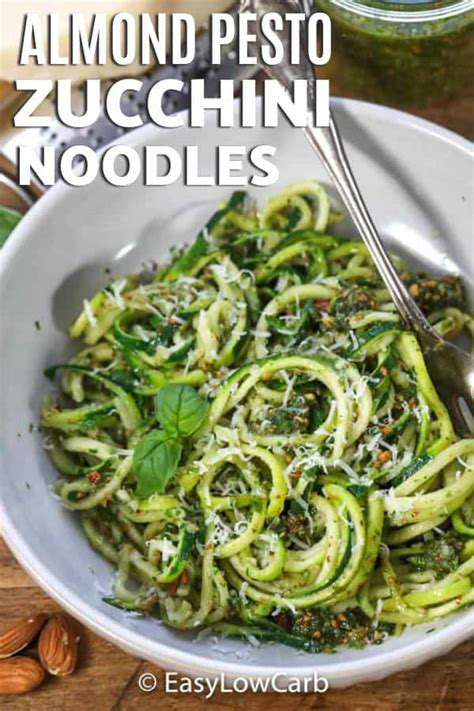
Overview of Zucchini Noodles
Zucchini noodles, often referred to as zoodles, serve as an excellent low-carb alternative to traditional pasta. This substitution can help reduce calorie intake while increasing vegetable consumption, making it a favorite among those on weight loss journeys. In one serving of zucchini noodles, there are only about 20 calories, compared to approximately 200 calories in an equivalent serving of traditional pasta. This makes zoodles a popular choice for maintaining a nutritious diet.
Furthermore, zucchini is high in vitamins A and C and provides essential minerals like potassium. These nutrients contribute to overall health, supporting immune function and maintaining healthy skin. Incorporating zucchini noodles into your meals not only enhances nutrition but also increases the volume of your plate without significantly increasing calories, helping to satisfy hunger.
Tips for Making the Perfect Pesto
Creating the perfect pesto to complement your zucchini noodles is easier than you might think. Start with fresh basil, garlic, and quality olive oil. The right balance of these ingredients is essential to achieving that vibrant flavor profile unique to authentic pesto. You can customize your pesto by adding nuts, such as pine nuts or walnuts, which provide healthy fats and proteins.
- Use fresh ingredients for the best flavor.
- Experiment with different nuts for varied taste.
- Add nutritional yeast as a vegan-friendly cheese substitute.
When preparing your pesto, consider blending it to a creamy consistency. This way, it coats the zucchini noodles evenly, enhancing the overall dish texture. Always taste your pesto before serving and adjust seasonings as needed to suit your palate.
3. Lentil Pasta with Tomato and Spinach

Ingredients and Nutritional Benefits
When preparing lentil pasta with tomato and spinach, the choice of ingredients significantly affects the final dish's health benefits and taste. First and foremost, lentil pasta is a fantastic source of Plant-based protein, offering around 13 grams of protein per serving, which aids in muscle maintenance and satiety. Adding tomatoes brings a rich source of vitamins A and C, along with antioxidants like lycopene, which support heart health.
Spinach, often considered a superfood, adds essential nutrients such as iron, magnesium, and folate. These nutrients are crucial for energy production and overall wellness. Combining these ingredients results not only in a meal that is light on calories but also dense in vitamins and minerals, making it ideal for those focused on weight loss.
Preparation Steps for Optimal Flavor
To make this dish, start by cooking the lentil pasta according to package instructions, taking care to avoid overcooking. Meanwhile, in a separate skillet, sauté fresh garlic and diced onions until translucent. This will enhance the flavor profile of your dish. Once done, add chopped tomatoes and spinaches, cooking until the spinach wilts, which usually takes about two to three minutes.
Mix the tomato-spinach sauce with the pasta, ensuring every piece is well-coated. You can also sprinkle with nutritional yeast or a dash of olive oil for additional flavor and healthy fats. Keep experimenting with herbs like basil or oregano to elevate the dish further. It’s all about finding the perfect blend that suits your palate!
Serving Suggestions and Variations
- Serve with a sprinkle of feta or goat cheese for added creaminess.
- Complement with a side salad rich in greens to enhance nutrition.
- Add crushed red pepper for a spicy kick, catering to diverse tastes.
If you're looking to customize the recipe, consider incorporating seasonal vegetables or lean proteins like grilled chicken or shrimp. This flexibility allows you to keep the dish interesting and tailored to individual dietary needs. Additionally, for those on a gluten-free diet, lentil pasta presents a suitable alternative to traditional wheat-based options.
As you explore this recipe, remember that healthy eating should be a pleasurable experience. Use flavors you enjoy, and don't hesitate to make it your own. Emphasizing variety can prevent meal fatigue and keep you motivated on your weight loss journey.
4. Shrimp and Asparagus Whole Grain Spaghetti

Ingredients for a Wholesome Meal
The primary components of Shrimp and Asparagus Whole Grain Spaghetti are shrimp, whole grain spaghetti, and fresh asparagus. These ingredients not only provide essential nutrients but also offer vibrant flavors. Whole grain spaghetti is rich in dietary fiber, which aids in digestion and helps maintain a feeling of fullness. Shrimp, being a lean protein source, can assist in muscle repair and growth without unnecessary calories.
Other notable ingredients include garlic, olive oil, and lemon juice. Garlic is known for its medicinal properties, including anti-inflammatory effects, while olive oil offers healthy fats that are beneficial for heart health. The addition of lemon juice enhances the dish's flavor profile and boosts vitamin C intake.
Nutritional Benefits of Shrimp and Asparagus
This dish is loaded with low-calorie nutrients. Shrimp contains about 24 grams of protein per 3-ounce serving, making it an excellent choice for those aiming to gain muscle or control weight. Asparagus, on the other hand, is low in calories but high in vitamins A, C, E, and K, contributing to overall well-being. Including this meal in your diet may also help reduce the risk of chronic diseases due to its antioxidant properties.
Preparation and Cooking Tips
- Start by cooking the whole grain spaghetti according to package instructions.
- In a separate pan, sauté garlic and asparagus in olive oil for added flavor.
- Finally, add the shrimp and cook until they turn pink, indicating they are done.
When preparing Shrimp and Asparagus Whole Grain Spaghetti, pay attention to cooking times. Overcooking shrimp can make it rubbery, so aim for about 3 to 4 minutes on high heat. To maximize the dish's Nutritional Value, consider steaming asparagus rather than boiling, as this method retains more nutrients.
Serving Suggestions and Pairings
For a complete meal, serve the Shrimp and Asparagus Whole Grain Spaghetti with a side salad or grilled vegetables. These additions can enhance nutritional value without adding excess calories. Pair it with a light white wine or sparkling water with lemon for a refreshing drink option. This combination not only complements the dish's flavors but also creates a satisfying dining experience.
Experimenting with different herbs like parsley or basil can also elevate the taste profile of your meal. A sprinkle of grated Parmesan cheese adds a delightful creaminess while keeping the dish healthy. Feel free to adjust ingredients based on dietary preferences, as flexibility is key to enjoyment.
5. Chickpea Pasta Salad
Ingredients for Chickpea Pasta Salad
To create a vibrant and nutritious Chickpea Pasta Salad, start with high-quality chickpea pasta. This gluten-free alternative is packed with protein and fiber, offering a solid base for your salad. Look for brands that maximize taste without compromising on health; they can generally be found in health food stores or online.
Additionally, consider adding a variety of fresh vegetables such as cherry tomatoes, cucumbers, and bell peppers. These not only enhance flavor but also provide essential vitamins and antioxidants. A sprinkling of fresh herbs like parsley or basil can elevate the dish further, offering both freshness and aromatic qualities.
Health Benefits of Chickpea Pasta
Chickpea pasta is a nutritional powerhouse, significantly higher in protein compared to traditional wheat pasta. It typically contains around 13-15 grams of protein per serving, making it ideal for those looking to build muscle or lose weight. Moreover, chickpeas are rich in soluble fiber, which helps regulate blood sugar levels and contributes to a feeling of fullness, aiding in weight management.
Incorporating chickpea pasta into your meal plan can also support digestive health. Research indicates that diets high in fiber can improve gut health by promoting the growth of healthy bacteria in the digestive tract, which is essential for overall wellness.
Preparing the Perfect Dressing
The dressing is a crucial component of chickpea pasta salad. A simple yet effective combination of olive oil, lemon juice, and Dijon mustard creates a tangy flavor while providing heart-healthy fats. For optimal health benefits, always opt for extra virgin olive oil which is rich in antioxidants and anti-inflammatory properties.
You can also experiment with additional seasonings, such as garlic powder or nutritional yeast, to enhance the dressing's complexity without adding unnecessary calories. Remember, a dressing that's too oily can dampen the enjoyment of your salad, so aim for a balanced ratio.
Another recommendation is to allow the salad to marinate for at least 30 minutes before serving. This not only helps the flavors meld together but can also improve the texture, making each bite more enjoyable.
Customizing Your Salad
One of the best aspects of chickpea pasta salad is its versatility. You can customize it based on your dietary preferences and seasonal availability of ingredients. For a Mediterranean twist, add feta cheese, olives, and artichoke hearts. If you prefer something more Asian-inspired, try incorporating edamame, sesame oil, and shredded carrots.
Adding proteins like grilled chicken or tofu can provide a more complete meal, especially if you're looking for post-workout nourishment. Feel free to play around with different combinations; it keeps the dish fresh and inviting.
Storing and Serving Suggestions
To maintain the freshness and crunch of your chickpea pasta salad, store it in an airtight container in the refrigerator. This salad is perfect for meal prep, as it can last up to three days without losing its quality. When it's time to serve, give the salad a quick toss to redistribute the dressing that may have settled.
For a casual gathering or potluck, consider serving it in a large bowl with a side of whole grain crackers or pita for added texture. Completing the meal with a light soup or grilled vegetables can create a well-rounded and satisfying dining experience.
Read more about Healthy Pasta Dishes That Won't Stall Weight Loss



![How to Make Healthy Eating a Habit [Tips & Tricks]](/static/images/26/2025-07/SustainingYourMomentum3ALong-TermStrategies.jpg)
![How to Eat Healthy on a Budget [Tips & Meal Ideas]](/static/images/26/2025-07/SmartShoppingStrategiesforSavingMoney.jpg)





Hot Recommendations
-
*Healthy Grilling Recipes for Summer Weight Loss
-
*Lower Back Health for New Parents: Preventing "Baby Back"
-
*How Gratitude Improves Performance in Competitive Sports
-
*How to Tell if Back Pain is Kidney Related
-
*Lower Back Pain and Weightlifting: Safe Techniques
-
*Gratitude and Its Effect on Blood Sugar Control
-
*Using Gratitude to Manage Symptoms of Anxiety
-
*Healthy Recipes for Weight Loss During the Holidays
-
*Why Running Intervals are Essential for Speed
-
*Lower Back Health for Office Workers: A Daily Guide