Spinal Health
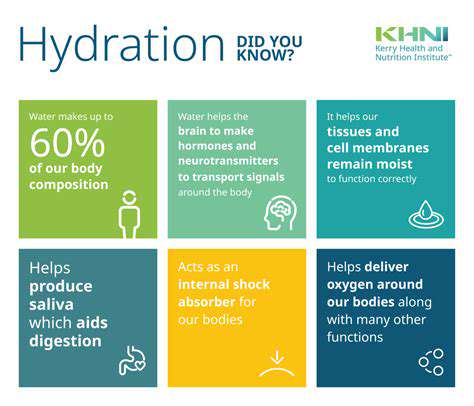
Hydration
Muscle Performance
Dehydration

Lower Back Pain and Hydration: Why Water Matters

Prioritizing Hydration for Muscle Health

The relationship between hydration and muscle function is undeniable, underscoring its importance for anyone looking to maintain an active lifestyle or engage in sports. By prioritizing adequate fluid intake, athletes and fitness enthusiasts can greatly enhance their performance, bolster recovery, and mitigate the risk of injuries.

Whether you're training for a competition or simply engaging in routine exercise, understanding your hydration needs is essential. Digital applications that track water intake can offer effective ways to ensure that you’re meeting your hydration goals. Consistent awareness and proactive hydration can lead to noticeable improvements in muscle function and overall well-being.

Hydration's Influence on Joint Lubrication

Understanding Joint Lubrication Mechanisms

Joint lubrication primarily occurs through the Synovial fluid, a viscous liquid that fills the cavities of synovial joints. This fluid is essential for reducing friction between the cartilages of the joints during movement. The composition of synovial fluid is largely affected by hydration levels, as water is a crucial component. When the body is dehydrated, the viscosity of this fluid can increase, leading to decreased effectiveness in lubricating joints.

Research indicates that a well-hydrated body can significantly enhance the production of synovial fluid. As studies suggest, optimal hydration not only ensures a sufficient supply of nutrients to cartilage but also aids in the removal of waste products. This dynamic exchange is vital for Joint health and function, especially for those who engage in physical activities that put stress on the lower back.

Impact of Dehydration on Joint Health

Dehydration can have an array of adverse effects on joint health. One major consequence is the increased risk of joint pain and stiffness, which can lead to chronic conditions such as osteoarthritis. A study published in the Journal of Athletic Training found a correlation between low hydration levels and musculoskeletal pain among athletes, emphasizing the importance of maintaining proper fluid intake, particularly for those with active lifestyles.

When dehydration occurs, the lower back and other joints may not receive adequate lubrication, which can trigger inflammation and discomfort. It's crucial to listen to one's body signals; if you notice increased joint stiffness, particularly after periods of activity, it may be a sign to hydrate more effectively.

Hydration Strategies for Optimal Joint Function

Staying hydrated is not just about drinking water; it's about understanding your body's needs. One practical strategy is to set daily hydration goals based on body weight and activity level. Experts often recommend drinking at least half of your body weight in ounces of water daily, increasing this amount with exercise or higher temperature conditions. Additionally, incorporating hydrating foods, such as fruits and vegetables, can also contribute to overall fluid intake.

Another effective method is to monitor your urine color. A light yellow color generally indicates proper hydration, while darker shades may suggest a need for more fluids. Keeping a water bottle handy during the day can serve as a constant reminder to drink up, making hydration a habit rather than an afterthought.

Lastly, consider electrolyte balance, especially if you engage in prolonged exercise. Replenishing lost electrolytes through sports drinks or supplements can help maintain fluid balance and joint lubrication.

Conclusion: Making Hydration a Priority

In summary, the importance of hydration extends beyond quenching thirst; it plays a critical role in maintaining joint health and function. Dehydration not only compromises the body’s ability to produce synovial fluid but also increases the likelihood of experiencing joint pain and stiffness. With simple strategies like setting hydration goals and being mindful of your fluid intake, you can significantly enhance your joint lubrication and overall comfort.

Prioritizing hydration is particularly essential for individuals suffering from chronic lower back pain, as it can aid in reducing discomfort and promoting smoother movement. Establishing a routine that focuses on adequate fluid intake can contribute considerably to long-term joint health.

Tips for Staying Hydrated

TipsforStayingHydrated

Understanding Hydration Needs

Hydration needs can greatly fluctuate based on various factors such as climate, physical activity, and individual health conditions. On average, adults require about 2 to 3 liters of water daily to maintain Optimal Hydration. Understanding your specific needs is critical to prevent dehydration, which can lead to various health issues, including lower back pain.

It's essential to recognize that during extended periods of exertion or in hot environments, these requirements may double or triple. Research indicates that even a drop of 2% in body weight due to dehydration can result in diminished cognitive function and impaired physical performance.

Signs of Dehydration

  • Thirst and dry mouth
  • Fatigue and dizziness
  • Dark urine color
  • Headaches and muscle cramps

Recognizing early signs of dehydration can be crucial for maintaining your overall health. Common symptoms include a dry mouth and dark urine, indicating that your body is signaling for more water. If you experience fatigue or dizziness, these can also be red flags that highlight the need for immediate hydration.

It's worth noting that some individuals might not feel thirsty until they are already somewhat dehydrated. Therefore, it's advisable to proactively consume water throughout the day, rather than waiting for cues from your body.

Hydration and Lower Back Pain

Research has shown a significant connection between hydration levels and musculoskeletal health, particularly concerning lower back pain. Intervertebral discs, which serve as shock absorbers for the spine, are primarily composed of water; therefore, inadequate hydration can lead to decreased disc height and increased stress on spinal structures.

Additionally, dehydration can limit the body's ability to transport nutrients to muscles and tissues effectively, which may cause muscle cramps and spasms in the lower back. It’s crucial to maintain adequate hydration to support spinal health and overall physical performance, especially if you suffer from chronic back issues.

Practical Tips for Hydration

Staying hydrated doesn't need to be complicated. One effective, yet simple tip is to carry a reusable water bottle. Keeping water accessible encourages frequent sipping throughout the day. Setting reminders on your phone can also be beneficial; a notification every hour to drink a glass can help establish a routine.

Another suggestion is to incorporate hydration-rich foods into your diet. Fruits and vegetables such as cucumbers, watermelon, and oranges contain high water content, contributing to overall hydration. Combining solid and liquid sources of hydration offers an enjoyable way to meet daily needs.

Long-Term Hydration Strategies

Building a long-term hydration strategy involves planning your water intake as part of your everyday routine. Start each day with a glass of water; this sets the tone and encourages consistent hydration throughout the day. Aim to drink a specific amount before meals or during exercise to integrate hydration seamlessly into your daily activities.

Moreover, adjusting your fluid intake based on activity level or weather conditions is important. On hot days, or when engaged in strenuous activities, consider consuming sports drinks or electrolyte-rich fluids. These not only hydrate but also replenish lost minerals. Such strategies promote better health outcomes and reduce the risk of complications associated with dehydration.

Read more about Lower Back Pain and Hydration: Why Water Matters

Implementing a Structured Training Plan for RunnersEmbarking on a journey to enhance your running performance requires a well-structured training plan. From setting precise goals to optimizing nutrition, this guide elucidates key strategies for runners aiming to boost speed, endurance, and overall effectiveness. Define Clear Goals and ObjectivesEstablishing clear and measurable objectives is paramount. Use the SMART criteria—Specific, Measurable, Achievable, Relevant, and Time-bound—to set goals that can drive your training. Consider keeping a running journal or utilizing apps like Strava or Runkeeper for motivation and progress tracking. Incorporate Varied Training SessionsAvoid monotony by mixing different types of runs in your training. Blend endurance runs with speed workouts, interval training, and hill sprints, ensuring adequate recovery days. This variety not only prevents plateaus but also enhances muscle performance, essential for achieving that next personal best. Optimize Your Running FormUnderstanding running biomechanics is vital. Focus on your posture, stride, and foot strike pattern, as these directly impact efficiency. Striving for a midfoot strike can minimize injury risks while fostering a successful running style. Enhancing your cadence and incorporating strength training, particularly for core and hip muscles, will further refine your performance. Incorporate Strength TrainingStrength training plays a crucial role in improving muscle power and endurance. Studies indicate that it can reduce injury risks by up to 50%, making it essential for any serious runner. Include fundamental exercises like squats and deadlifts while integrating core routines for stability. Designing a balanced schedule that includes strength workouts alongside your running plan ensures your progress stays on track. Focus on Nutrition and RecoveryProper nutrition fuels your runs. Carbohydrates are your primary energy source; aim for 6-10 grams per kilogram of body weight. Proteins assist with recovery, the importance of hydration cannot be overlooked. Maintaining a hydration strategy before, during, and after runs helps in sustaining energy levels and promotes recovery. Monitor Your ProgressEstablish specific and incremental goals to effectively track your improvements. Utilize technology with GPS devices or running apps to capture performance metrics like pace and heart rate. Regularly evaluate these statistics to tailor your training plan to align with your evolving fitness. ConclusionBy implementing a well-rounded training plan that includes goal setting, varied sessions, strength training, optimal nutrition, and consistent progress monitoring, you position yourself for significant improvements in speed and endurance. Adjust your strategies as needed, and enlist assistance from coaches or running groups to stay motivated. With dedication and the right approach, optimal running performance is within your grasp.
Apr 21, 2025
Guide to Training for a Half Marathon
May 15, 2025
Best Post Workout Nutrition Strategies for Recovery
May 27, 2025
Best Nutrition for Boosting Fertility
Jun 23, 2025
How to Recover Faster After Workouts [Tips & Techniques]
Jul 05, 2025
Best Tips for Staying Hydrated Daily
Jul 08, 2025
Understanding High-Impact Activities and Their Effect on Lower Back HealthHigh-impact activities often amplify lower back pain, making it essential for individuals, especially those with existing conditions, to understand the potential risks. Engaging in dynamic sports like running, basketball, or heavy weightlifting can strain your back significantly. What are High-Impact Activities?High-impact exercises typically involve rapid movements that place stress on the body, particularly the lumbar region. While many individuals can safely participate in these activities, caution is warranted for those suffering from lower back pain. Injuries and exacerbation of existing conditions are common outcomes, necessitating moderation and professional guidance. Exercises to AvoidCertain high-impact exercises are more problematic for individuals with lower back pain. Activities such as running on hard surfaces or high-intensity aerobics can lead to painful outcomes. Sports involving sudden twisting or bending motions, like football or basketball, can exacerbate existing back issues. Safer AlternativesFor those with lower back pain, low-impact exercises serve as viable alternatives. Swimming, walking, and stationary biking enhance cardiovascular health without undue stress on the back. Modifying traditional exercises—like using resistance bands—can also prove beneficial, maintaining an active lifestyle while reducing the risk of injury. Importance of Professional GuidanceBefore making changes to your exercise routine, consulting a healthcare professional is vital. Physical therapists can tailor a program to your specific condition, ensuring that you engage in activities that enhance your well-being without risking injury. A personalized approach significantly impacts recovery and overall health. Adding Strengthening ExercisesIncorporating core-strengthening exercises, which promote spinal stability, is crucial for reducing lower back pain. Movements like planks and pelvic tilts strengthen the essential muscle groups that support the back. Regular practice, under professional supervision, can greatly alleviate pain episodes. Listening to Your BodyPaying attention to your body's signals during exercise is crucial. If a movement elicits pain, stop immediately and consult a professional. Maintaining an open dialogue with your healthcare provider about your symptoms can lead to better pain management strategies. The Impact of Heavy WeightliftingWhile heavy weightlifting is popular, it can also present risks to lower back health. The importance of maintaining proper form cannot be overstated. Incorporating proper lifting techniques and allowing recovery time between sessions can mitigate injury risk significantly. Navigating High-Intensity Interval Training (HIIT)HIIT workouts can further exacerbate back pain due to their explosive nature. Those suffering from lower back issues should consider low-impact alternatives that maintain fitness without overloading the back. Flexibility and recovery play essential roles in preventing injury during these high-intensity sessions. Managing Twisting Motions in SportsSports with frequent twisting motions—like tennis and golf—can put additional stress on the lower back. Athletes should prioritize core conditioning to stabilize the spine during such movements, mitigating the risk of injury. ConclusionHigh-impact activities can be beneficial, but individuals with lower back pain must exercise caution. Engaging in safe alternatives, emphasizing proper techniques, and collaborating with health professionals are fundamental for maintaining an active lifestyle while protecting spinal health. Listen to your body to ensure you’re moving towards recovery and achieving your fitness goals without risking back injuries.
Feb 28, 2026
Importance, Sources, and Balance for RunnersElectrolytes are essential minerals that play a critical role in maintaining various bodily functions, especially for athletes and runners. Key electrolytes such as sodium, potassium, calcium, and magnesium carry an electric charge and are vital for muscle contractions, nerve function, and fluid balance. Without adequate levels of these minerals, runners risk performance decline, dehydration, and muscle cramps. The Role of Electrolytes in Athletic PerformanceElectrolyte balance can significantly influence athletic performance. Factors such as exercise intensity, sweating, and dietary intake affect electrolyte levels. For instance, prolonged exercise, especially in hot weather, can lead to substantial losses of sodium and potassium through sweat, potentially resulting in conditions like hyponatremia, where sodium levels drop dangerously low. Symptoms of Electrolyte ImbalanceRunners should be cognizant of common symptoms that may indicate an electrolyte imbalance, including muscle cramps, fatigue, dizziness, and nausea. In severe cases, more alarming symptoms like confusion or fainting may arise. Recognizing these signs early can help athletes take prompt actions to restore balance and improve their performance. Maintaining Electrolyte BalanceTo ensure sufficient electrolyte intake, a well-balanced diet rich in fruits and vegetables is crucial. Foods such as bananas, spinach, and dairy products provide essential nutrients that support electrolyte levels. Additionally, proper hydration is key. While sports drinks can replenish lost minerals, opting for drinks with lower sugar content can be a healthier choice. Coconut water can also serve as a natural alternative. Strategies for RunnersPracticing effective hydration strategies is vital for runners, especially during long training sessions or competitions. Consuming electrolyte-rich fluids before, during, and after workouts, as well as incorporating high-potassium foods into your diet, can help in managing electrolyte levels. Tracking fluid intake can further enhance awareness of hydration and nutrient needs, ensuring optimal performance. The Role of SupplementsFor runners who struggle to meet their electrolyte needs through food alone, supplementation can be beneficial. However, it’s essential to choose high-quality supplements that lack added sugars and artificial ingredients. Monitoring the dosage based on individual sweat rates and training conditions helps tailor supplementation for peak performance. Long-Term ImplicationsNeglecting to address electrolyte imbalances can lead to long-term health issues, including kidney dysfunction and cardiovascular problems. Therefore, regular assessments of hydration and electrolyte levels should be integrated into a runner's training routine to mitigate risks and enhance overall endurance.In summary, understanding and managing electrolyte levels is crucial for athletes. By maintaining a balanced diet, staying hydrated, and recognizing symptoms of imbalance, runners can maximize their performance and safeguard their health during training and competitions.
Mar 01, 2026
The Importance of Hydration for Spinal and Muscle Healthmeta-description: Discover the vital role hydration plays in maintaining spinal health and muscle function. Learn about the signs of dehydration, its effects on back pain, and practical tips for optimal hydration.--- The Role of Hydration in Spinal HealthProper hydration is essential for your overall health, particularly when it comes to spinal and muscle function. The gel-like substance within intervertebral discs absorbs water, allowing them to cushion your spine during movement. However, dehydration can lead to problems, as losing this vital moisture may cause disc degeneration and increased back pain over time. Understanding Hydration's ImpactWhen tissues are well-hydrated, they maintain their elasticity and flexibility, which supports a full range of motion. Research shows that even slight dehydration can negatively affect your body's function, potentially leading to injury. As you age, your spinal discs lose hydration naturally; however, inadequate water intake can speed up this process. Signs of Dehydration and Their Connection to Back PainIt's crucial to recognize the signs of dehydration, which include dry mouth, fatigue, reduced urine output, and headaches. A lack of hydration doesn't just make you feel thirsty; it can also exacerbate chronic back pain. Pay attention to your water intake, especially if you experience ongoing discomfort, as adequate hydration can be a simple yet effective strategy for pain relief. Benefits of Staying HydratedThe benefits of proper hydration extend beyond just pain management. Adequate water intake improves the transportation of nutrients to your spinal structures and helps prevent muscle cramps and strains. Staying hydrated supports overall metabolic function, leading to better tissue health and improved physical performance. Practical Tips for HydrationTo ensure you maintain proper hydration, consider carrying a reusable water bottle and setting reminders on your phone. Incorporate hydration-rich foods like cucumbers, oranges, and watermelon into your diet. Develop routines, such as drinking water before meals, to reinforce good habits. Individual Hydration NeedsRemember that hydration needs vary based on factors such as age, weight, and activity level. Athletes or individuals engaging in intense workouts will require more fluids. Consulting healthcare professionals can help you determine your specific hydration requirements. The Bigger Picture: Overall WellbeingHydration is linked to more than just spinal health; it affects cognitive function and mood. Taking steps to increase your water intake can improve your quality of life and physical performance. Prioritizing hydration not only helps manage back pain but also enhances overall well-being.---Incorporate these principles into your daily routine to improve your hydration levels and subsequently protect your spine and muscles. By understanding hydration's role in your health, you can take proactive measures to foster a stronger and more resilient body.
Mar 01, 2026
The Importance of Hydration in Running Key Insights on Hydration for RunnersHydration is a crucial aspect of running that significantly impacts performance and recovery. Water plays a vital role in maintaining body temperature and supporting metabolic functions, such as nutrient transport and recovery after exercise. Under-hydration can lead to fatigue, decreased coordination, and even serious heat-related illnesses, making it essential for runners to understand and prioritize their hydration needs. Recognizing the Signs of DehydrationBeing aware of the signs of dehydration is vital for any runner. Symptoms can include dry mouth, fatigue, dizziness, and muscle cramps. Studies indicate that losing just 2% of your body weight due to fluid loss can adversely affect performance. Hydration strategies should be proactive—make it a habit to drink water consistently throughout the day, not just before your runs. Effective Hydration StrategiesTo maintain optimal hydration, establish a pre-run routine that includes drinking 16-20 ounces of water or sports drinks two hours before running. If your runs exceed an hour, be sure to drink 7-10 ounces of fluids every 10-20 minutes. After your run, aim to drink 16-24 ounces for every pound lost during the activity, and don’t underestimate the importance of combining hydration with nutritional strategies for enhanced performance. Understanding Electrolyte BalanceElectrolytes like sodium, potassium, and magnesium are essential for muscle function and hydration. A proper balance helps prevent cramps and fatigue during prolonged exercise. To avoid electrolyte imbalances, consider including foods rich in potassium (e.g., bananas and oranges) and sodium (e.g., sports drinks) in your diet. Optimizing Your Hydration PlanDeveloping a comprehensive hydration strategy is essential. Start by gauging your sweat rate to determine how much fluid you need during activities. Adjust your strategy according to weather conditions and exercise intensity, incorporating electrolyte-rich fluids every 30 minutes for longer runs. Nutritional Strategies for Injury PreventionProper nutrition, paired with hydration, is key to preventing injuries during running. Micronutrients like vitamins and minerals are crucial for muscle recovery, while macronutrients provide the fuel needed for lengthier runs. Consider incorporating a balanced meal plan rich in carbohydrates, proteins, and healthy fats to meet your nutritional needs and reduce injury risks. The Crucial Role of TimingWhat you consume before and after your runs can significantly enhance your performance. Aim for a high-carb meal two to three hours prior to running and a combination of carbohydrates and proteins within 30 minutes post-exercise for optimal recovery. Personalizing your nutrition plan based on your individual needs is essential for success. Listening to Your BodyUnderstanding your body's signals—such as fatigue and thirst—is critical for runners. Regular self-assessments can guide you in adapting your hydration and nutrition strategies to improve your running experience. If you consistently experience cramps or fatigue, it may be beneficial to consult with a sports nutritionist for tailored advice.---For more insights on hydration, nutrition, and running strategies, delve deeper into our comprehensive resources tailored for runners of all levels. Your journey to optimal performance and well-being starts here!
Mar 03, 2026
Understanding the Physiology of Heat and Humidity for RunnersAs runners, understanding how heat and humidity affect our bodies is crucial to maintaining peak performance (and staying safe) during workouts. The interplay between heat, humidity, and physiological responses can significantly impact endurance, hydration needs, and overall training strategies. The Effects of Heat on PerformanceHeat generated during exercise is essential for energy but can become detrimental when excessive. Factors such as fitness level, age, and acclimatization influence how individuals manage heat stress. It's vital to recognize that acclimatized athletes can perform effectively even in extreme heat, while others may struggle. Humidity's RoleHumidity exacerbates heat stress by preventing sweat from evaporating, hindering the body’s cooling mechanisms. Research indicates that running in high humidity can reduce endurance by over 30%. Dehydration, which often accompanies hot, humid conditions, further impacts performance and, if unaddressed, can lead to serious health issues. Acclimatization and TrainingFor runners, acclimatization involves gradually exposing the body to higher temperatures, enhancing physiological responses such as improved sweat response and cardiovascular efficiency. A structured acclimatization plan might span 10–14 days, aiding in performance optimization. Monitoring Heat StressUtilizing wearable technology such as heart rate monitors can help track hydration status and core temperature. Keeping an eye on these metrics assists athletes in managing workout intensity and duration. The Importance of HydrationProper hydration is integral for performance enhancement, especially in hot and humid conditions. Research from the American College of Sports Medicine stresses that a mere 2% loss in body weight due to dehydration can significantly impair running performance. Techniques such as drinking water regularly and replenishing electrolytes are necessary to stay hydrated. Recognizing DehydrationKey signs of dehydration include thirst, reduced urine output, and fatigue. Runners must heed these signals and take immediate action to rehydrate, ideally with electrolyte beverages that replenish lost minerals. Tailoring Hydration StrategiesEvery runner’s hydration needs are unique, influenced by factors such as weight, sweat rates, and workout intensity. Keeping a hydration diary can reveal patterns that inform personalized approaches to fluid intake. Gear OptimizationSelecting appropriate gear that employs heat-resistant fabrics can also enhance performance. Fabrics with moisture-wicking properties help manage sweat and keep skin dry, while breathable clothing facilitates air circulation around the body. Adjusting Training TimesTo minimize heat exposure, consider adjusting your training schedule to early mornings or late evenings. Such strategies allow for maintaining workout intensity without compromising safety. Listening to Your BodyUnderstanding your body’s signals is vital for avoiding heat-related illnesses. Symptoms like dizziness and cramps are warnings to slow down or take a break. Pre-cooling techniques and effective hydration strategies prepare you for challenging conditions. ConclusionIn conclusion, understanding the effects of heat and humidity is essential for any serious runner. By employing effective acclimatization techniques, hydration strategies, and optimal gear selection, athletes can stay safe, enhance performance, and enjoy their running experience, even under strenuous conditions. Always listen to your body and adjust your training plans accordingly to combat heat stress effectively.
Mar 15, 2026
The Science Behind Muscle RecoveryDiscover the vital role of muscle recovery in enhancing performance and preventing injuries, especially for runners. Muscle recovery is a complex biological process that involves repairing microtears in muscle fibers caused by intense workouts, leading to increased strength and endurance over time. This article delves into the necessary strategies for optimizing recovery through rest, nutrition, hydration, sleep, and psychological techniques. Understanding Muscle RecoveryDuring intense physical activity like running, muscle fibers experience stress, resulting in microtears that are crucial for muscle adaptation. Recovery periods allow the body to repair these tears, making muscles stronger. Both passive and active recovery strategies are essential; while passive recovery focuses on complete rest, active recovery incorporates low-intensity activities to maintain circulation and support healing. Factors Affecting RecoveryHydration and nutrition significantly influence recovery rates. Research shows that dehydration can hinder the recuperation process. Adequate fluid intake and a diet rich in carbohydrates and proteins are imperative for post-exercise recovery. For example, consuming a protein-rich snack within 30 minutes after running can substantially enhance muscle repair. The Importance of SleepSleep plays a critical role in muscle recovery, as hormonal regulation and tissue repair primarily occur during deep sleep. Athletes should aim for 7–9 hours of quality sleep per night to optimize recovery processes and improve performance. Establishing a consistent sleep routine is vital for support in endurance development and overall well-being. Addressing Mental Aspects of RecoveryRecovery isn't just physical; it encompasses psychological elements as well. Mental fatigue can affect physical performance, making it essential for athletes to adopt mental recovery techniques. Practices like meditation and mindfulness can alleviate stress, enhance focus, and sustain motivation during training periods. Strategic Rest Days and Overtraining PreventionIntegrating regular rest days into a training regimen is fundamental for recovery. The concept of adapting one’s training schedule to accommodate for necessary downtime can prevent overtraining syndrome—a state characterized by fatigue, decreased performance, and heightened injury risk. Nutritional and Hydration StrategiesMaintaining a balanced diet and proper hydration is essential for effective recovery. Consuming nutrients like lean proteins, healthy fats, and carbohydrates, especially on rest days, aids in replenishing energy stores and promoting muscle repair. Hydration is equally crucial to support various body functions. Creating an Effective Rest Day StrategyImplementing a well-planned strategy for rest days involves active recovery techniques, optimal hydration and nutrition, and mindful adjustments to training schedules. Athletes who listen to their bodies and recognize when they need recovery tend to experience fewer injuries and better performance outcomes.In summary, prioritizing muscle recovery through strategic planning and mindful practices is crucial for runners. Understanding the science behind recovery can enhance your performance and enjoyment of the sport. Embrace rest as a key component of your training to unlock your full potential as an athlete.
Mar 17, 2026
View Publications>>

Hot Recommendations