Stride Frequency
Running Performance
Running
Performance
Exercise
Strength Training
Running Drills
Running Efficiency
Plyometrics
Training

Running Form Drills for Increased Stride Frequency

a study published in the Journal of Sports Science found that dynamic exercises like high knees significantly enhanced running economy in trained athletes. This means that incorporating high knees can help you run faster while expending less energy.

Common Mistakes to Avoid When Performing High Knees

Executing high knees incorrectly can lead to suboptimal results or even injury. One common mistake is to lean too far forward. This compromises your body mechanics and can strain the lower back. Instead, focus on keeping the chest lifted and shoulders relaxed, allowing for a more effective motion that mirrors natural running.

Another frequent error is not lifting the knees high enough. Many individuals perform the drill at a low intensity, missing the key benefits. Aim to lift your knees to at least hip height; this maximizes the exercise's impact on improving stride frequency and engaging the core muscles.

How to Progress High Knees for Enhanced Performance

To maximize the efficacy of high knees, consider progressing the exercise as your fitness improves. Start with short bursts of 20 to 30 seconds, and gradually increase the duration or the intensity by incorporating speed variations. You can mix in explosive high knees, focusing on maximum height with each knee lift.

Additionally, adding resistance through tools like ankle weights can effectively challenge your muscles further. However, it's essential to ensure that maintaining proper form remains a priority, as excessive weight can lead to form degradation and increase the risk of injury.

High Knees in Relation to Overall Training Plans

While high knees are beneficial for potential performance enhancement, they should be integrated smartly within a broader training plan. They complement other drills like butt kicks and leg swings, each targeting specific aspects of running form. Balancing different drills can prevent overuse injuries and promote well-rounded muscle development.

Many experienced runners recommend incorporating high knees at least two to three times per week, mixing them into regular sprint sessions or as part of a warm-up routine. Periodization strategies can also help incorporate high knees based on your training season, focusing more on speed when preparing for races while allowing for recovery periods in off-seasons. This structured approach allows for better adaptation, leading to improved performance and stride frequency.

2. Butt Kicks

Understanding the Mechanics of Butt Kicks

Butt kicks primarily focus on the posterior chain, which includes muscles like the glutes, hamstrings, and calves. By driving the heel towards the glute during running, these muscles are activated, enhancing their strength and flexibility. Studies indicate that engaging in drills like butt kicks can lead to improvements in running efficiency and reduced risk of injury, owing to the increased range of motion in the hip joint.

Additionally, executing butt kicks properly requires a specific technique: the knees lift up to hip height while alternating legs, creating a rhythmic motion. This mimics the natural running gait and prepares the body for higher intensity efforts. Runners should aim for a high knee lift between 90 to 120 degrees for optimal performance. Customizing this drill for your personal running style can enhance the benefits derived from it.

Integrating Butt Kicks into Your Workout Routine

When Incorporating Butt Kicks into your training, timing and volume matter significantly. For beginners, starting with a few repetitions of 10 to 15 while maintaining proper form is ideal. As you become more comfortable, you can increase the duration to 30 seconds or more, conducting the drill every other training session. High-frequency practice can imprint the neuromuscular patterns necessary for effective running.

To further enhance the effectiveness of butt kicks, you can combine them with other drills, such as high knees and lunges. This comprehensive approach trains multiple muscle groups and improves both coordination and speed. Furthermore, consider including butt kicks in your warm-up routine to elevate your heart rate and prepare your muscles for the demands of running, ensuring an effective transition into more intensive workouts.

3. Strides

3.Strides

Understanding Stride Mechanics

To enhance your stride frequency, it's crucial to comprehend the mechanics behind effective running. The relationship between Cadence and stride length plays a pivotal role in overall running efficiency. When aiming for a higher stride frequency, athletes should focus on maintaining a quick turnover while ensuring their stride length doesn't decrease significantly.

  • Cadence and stride length are interrelated concepts.
  • Quick turnover is vital to achieving a higher stride frequency.
  • Maintaining an optimal stride length is essential for efficiency.

Studies suggest that elite runners often demonstrate a cadence of around 180 steps per minute. If you're currently running at a lower cadence, attempt to gradually increase it. A Systematic approach to incrementing your steps per minute can lead to improved running efficiency and endurance over time. Consider using a metronome or a running app that tracks cadence to help reach your target frequency.

Practical Drills for Increasing Stride Frequency

Integrating specific drills into your training regimen can significantly boost your stride frequency. High knees, quick feet drills, and bounding exercises are excellent ways to get started. These drills not only enhance muscle strength but also improve coordination and neuromuscular efficiency, all essential elements for faster, more efficient running.

Another effective method is to incorporate strides into your routine. These are short bursts of running at faster paces over a distance of 50 to 100 meters. They can be weaved into your workout following a warm-up session. This practice allows your body to adapt to faster paces without excessive strain.

4. Plyometric Drills

Plyometric Drills Overview

Plyometric drills are high-intensity exercises designed to produce fast, powerful movements. They involve explosive actions like jumping and bounding, crucial for increasing an athlete's power and speed. Research indicates that these drills can significantly improve stride frequency and overall running efficiency, making them essential for competitive runners.

The physical demands of plyometric drills place the body through rapid stretching and contracting of muscles. This process, known as the stretch-shortening cycle, optimally enhances the musculature involved in running, particularly the calves, quadriceps, and hamstrings. Incorporating these drills into a training routine can lead to measurable improvements in running economy.

Effective Plyometric Exercises

Some of the most Effective plyometric exercises for runners include box jumps, depth jumps, and bounding drills. Box jumps specifically enhance explosive leg strength; while depth jumps not only improve explosive strength but also help with reactive strength through controlled descents. Each of these exercises can be modified for different skill levels, ensuring they are both accessible and challenging for athletes at various stages in their training.

Bounding drills, which mimic the running motion but with a focus on maximal horizontal distance, are also particularly beneficial. They encourage a longer stride, which can lead to faster speeds over front-end gaps. Runners should focus on maintaining a rhythmic and fluid motion to maximize the benefits and minimize injury risk.

Incorporating Plyometric Drills into Training

When integrating plyometric drills into a training regimen, it’s essential to start with proper warm-ups to prepare the muscles for intensive work. Strengthening the lower body through resistance training sessions in the weeks leading up to plyometric training is also advisable, as it establishes a solid strength base and reduces the risk of injury.

A structured approach allows for optimal recovery between sessions. Most experts suggest including plyometrics 1-2 times per week in your routine, with adequate rest days to allow muscle recovery. Monitoring your body's response to these drills is equally important, as fatigue accumulation could lead to injuries or performance regressions over time.

Read more about Running Form Drills for Increased Stride Frequency
Strength Training for Seniors: Safe and Effective Exercises
May 02, 2025
Best Exercises for Building Strong Glutes
May 04, 2025
How to Improve Your Push Up Strength
May 19, 2025
How to Increase Your Flexibility Safely and Effectively
Jul 16, 2025
- Interval Training: High-intensity bursts followed by recovery periods, ideal for enhancing aerobic capacity.- Tempo Runs: Sustained efforts at a challenging pace aimed at improving a runner's lactate threshold.- Hill Repeats: Builds strength and running form while enhancing power through varied gradients. When to Start Speed WorkIntroducing speed work into your training should typically occur after establishing a strong aerobic base, around 8 to 12 weeks before race day. This timing allows the body ample opportunity to adjust to increased intensities. Assessing your current fitness level is vital for determining your readiness to start; beginners may begin with shorter strides, while experienced runners can undertake more challenging workouts. Physiological Benefits of Speed WorkEngaging in speed training leads to beneficial physiological adaptations. It increases muscle glycogen storage and enhances cardiovascular efficiency, enabling you to run at higher intensities without fatigue. Lower resting heart rates often indicate improved cardiovascular fitness, showcasing the effectiveness of integrated speed sessions. Common Mistakes in Speed TrainingTo maximize the benefits of speed work, avoid common mistakes such as neglecting recovery and improper pacing during workouts. Ensuring recovery days and maintaining proper form throughout each session is crucial to prevent injuries and burnout. Tips for Effective Speed Work- Create a balanced training plan: Incorporate long runs, two speed workouts, and easy recovery sessions each week.- Track your progress: Use training logs to monitor improvements and adjust workouts as needed.- Seek guidance: Consulting with a coach or experienced runners can help refine your techniques and strategies. Final Thoughts: Tailoring Speed Work to Your NeedsBefore starting speed work, assess your current fitness level using time trials and recent race performances. Set realistic goals, and ensure you include adequate recovery and cross-training in your regimen. By prioritizing rest, nutrition, and smart training, you can enhance your speed and build a solid foundation for marathon success.---This overview emphasizes the pivotal role speed work plays in marathon training. By incorporating various types of speed sessions and adhering to proper training protocols, marathon runners can achieve impressive performance improvements, enabling them to reach their race-day goals.
Mar 04, 2026
Essential Techniques for Speed and Endurance Discover Powerful Drills for RunnersUnlock your running potential with effective techniques designed to boost your power, speed, and overall performance. This comprehensive guide explores the benefits of high knees, A-skip drills, strides, hill sprints, and tempo runs, ensuring you develop the essential skills needed to excel on the track or trail. High Knees: A Power BoosterHigh knees are a vital exercise for runners, focusing on explosive strength and speed enhancement. By engaging the hip flexors and quadriceps, high knees can significantly improve sprinting speed and cardiovascular fitness. Incorporate high knees into your training by practicing the proper form—standing tall, driving your knees to hip height, and coordinating arm movements for stability. Implement high knees in your warm-up, interval routines, or as a cooldown to elevate your running efficiency. A-Skip Drills: Coordination and CadenceA-skip drills are crucial for improving runners’ coordination and cadence. This exercise reinforces a natural running motion and helps develop muscle memory, essential for efficient running. Aim to practice A-skips several times a week, focusing on posture, rhythm, and intentional movements. By maintaining straight posture and incorporating arm techniques, you'll see improved speed and agility in long-distance runs. Strides for Speed DevelopmentStrides are key to enhancing both stride length and frequency—two vital components of speed. Elevate your running performance with specific drills like bounding and flying 30s. Mixing high-knees and butt-kicks into your warm-up routine will prepare your muscles for explosive movements, reinforcing proper form. Regularly incorporating these drills into your training regimen can lead to substantial improvements in your speed and overall efficiency. Hill Sprints: Strength and EnduranceHill sprints provide a unique challenge, engaging different muscle groups compared to flat ground running. This intense workout builds strength, enhances endurance, and promotes better running form. Start by gradually introducing hill sprints into your training plan, focusing on maintaining high knees and short ground contact time. Pairing these workouts with lower body strength training will further amplify your results. Remember to prioritize recovery for optimal performance improvement. Tempo Runs: Consistency in SpeedTempo runs are essential for developing speed and endurance. By maintaining a comfortably hard pace for extended periods, athletes can enhance their aerobic capacity and lactate threshold. Incorporate one tempo run per week into your training routine, gradually increasing intensity and duration as you progress. Proper warm-ups and cooldowns are critical to prevent injuries and maximize benefits, allowing you to achieve better race performance over time. Common Mistakes to AvoidUnderstanding common pitfalls can enhance your training effectiveness. In high knees, avoid inadequate knee height and lack of arm coordination. During tempo runs, resist the urge to start too fast, and ensure you allow for adequate recovery. Listening to your body and adjusting your workouts accordingly will prevent burnout and help maintain your performance levels.---By integrating these targeted techniques into your running routine, you’ll not only improve your speed and endurance but also achieve your athletic goals with more efficiency. Start implementing these drills today and experience the transformative benefits they offer!
Mar 06, 2026
Key Features for Optimal PerformanceAre you on the hunt for the perfect speed running shoes that can elevate your performance? Look no further. This guide highlights the essential features that make speed running shoes exceptional, ensuring you select the best footwear for your running goals. Lightweight Construction for Enhanced PerformanceOne of the primary factors to consider when choosing speed running shoes is their weight. Lightweight shoes are crafted using advanced materials such as mesh uppers and specialized foams, which contribute to their featherlight feel without compromising durability. Research from the Journal of Sports Science supports that every ounce counts, and lighter shoes can lead to improved running economy and energy conservation—vital for long distances. Responsive Cushioning for a Dynamic RideCushioning technology plays an instrumental role in speed running shoes. Brands like Adidas and Hoka incorporate responsive cushioning systems, providing optimal energy return with each stride. Effective cushioning can enhance your turnover rate while absorbing shock, as indicated by a study in the Journal of Biomechanics. Investing in shoes with advanced cushioning technology is critical for runners aiming for speed. Superior Traction and GripThe outsole design of speed running shoes is crucial for performance. Look for shoes featuring rubber outsoles designed for excellent traction, which can prevent slips and enhance stability on varying surfaces. According to the International Sports Engineering Association, optimized tread patterns elevate grip, particularly during technical races. Shoes that offer reliable traction can significantly improve your speed during sharp turns and descents. Fit and Comfort MatterAchieving the right fit is vital for optimal running performance. A snug fit minimizes unnecessary movement, reducing the risk of blisters and inefficiencies. Many brands now offer options catering to diverse foot shapes, ensuring that you can find the perfect match. Breathability and moisture-wicking properties in the shoe materials further enhance your comfort during longer runs. Understanding Cushioning TypesSpeed running shoes feature various cushioning systems tailored to meet runner needs. Knowing the difference between maximum cushioning for shock absorption and responsive cushioning that boosts energy return can help you make an informed choice. Studies have shown that responsive shoes can measurably improve performance, highlighting the importance of selecting the right type of cushioning for your running style. Real-World Testing and FeedbackExperience plays an essential role in choosing the right running shoes. Many runners share their perspectives through online forums, providing insights on comfort and performance. Trying on shoes and going for a quick run can help you assess how they fit and perform relative to your unique running dynamics. Make Informed Choices for SpeedWhen selecting your speed running shoes, considering the shoe's lightweight construction, responsive cushioning, superior traction, and proper fit can enhance your overall running experience. By prioritizing these features, you set yourself on the path to achieving your best performances yet.Invest in your running journey by choosing shoes that cater to your specific needs—unlocking your potential and speeding towards your goals!
Mar 11, 2026
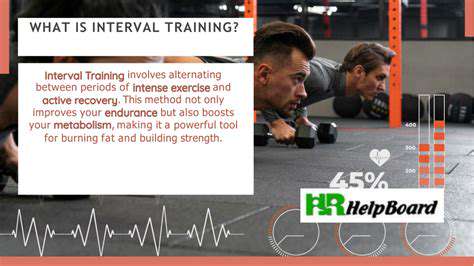
The Ultimate Guide for Runners What is Interval Training?Interval training is a highly effective workout method that alternates between high-intensity exertion and low-intensity recovery, tailored to enhance both speed and endurance. This scientifically proven approach not only elevates VO2 max—boosting cardiovascular fitness—but also promotes faster race times. Benefits of Interval Training for Runners1. Speed Enhancement: Short, intense bursts followed by active recovery improve running speed and efficiency. Studies indicate that integrating sprints into training routines can lead to 3-5% better race times compared to traditional methods.2. Increased Endurance: Structured intervals train your body to utilize energy efficiently, pushing your lactate threshold higher for prolonged performance during long races, like marathons.3. Time Efficiency: With sessions lasting just 20-30 minutes, interval training is perfect for busy schedules, delivering substantial fitness gains in less time than traditional running.4. Mental Fortitude: Engaging in varied workouts not only combats workout monotony but also fosters motivation through achievable goals and community support during training.5. Nutritional Boost: Proper fueling strategies enhance the benefits of interval training. A balanced diet rich in carbohydrates and protein supports recovery and performance. Types of Interval Training- High-Intensity Interval Training (HIIT): Short, extreme efforts followed by rest, consistently enhancing aerobic capacity. - Fartlek Training: An unstructured method allowing for spontaneous speeding up and slowing down, ideal for improving pacing without rigid planning. - Tempo Runs: Sustained efforts at a challenging pace perfect for boosting lactate threshold and endurance. - Long Intervals: Running at high speeds for extended distances, promoting VO2 max enhancements.- Hill Repeats: Strength-building exercises focusing on incline running to boost leg power and efficiency. Incorporating Interval Training into Your RoutineDeveloping an effective interval training plan starts by assessing your current fitness levels and establishing clear goals. Beginners should initiate with lighter intervals, gradually increasing intensity and duration. Experienced runners can explore advanced methods like pyramid intervals or hill sprints.To fit interval training into your weekly schedule, aim for two to three specific days dedicated to high-intensity workouts, complemented by longer, steady-state runs on alternate days. Always ensure proper warm-ups and cool-downs for optimal recovery. ConclusionIncorporating interval training into your running routine can significantly elevate your athletic performance. With numerous methods available tailored to individual fitness levels, this training style not only enhances speed and endurance but also supports longevity and reduces the risk of injuries. Start today to take your running to the next level!For more information and actionable tips, explore our related links on effective training strategies and nutritional guidance!
Mar 14, 2026
carbohydrates, proteins, and fats. Carbohydrates should dominate your intake, providing the quick energy needed for endurance activities. Aim for 7-10 grams per kilogram of body weight in the days leading up to your run. Proteins play a crucial role in muscle repair, with a recommended intake of 1.2 to 1.4 grams per kilogram for those engaging in high-volume running. Healthy fats contribute to long-term energy and should make up 20-35% of your daily calories. Hydration GuidelinesHydration is vital for performance and recovery. Drink 17-20 ounces of water a few hours before running and stay consistently hydrated throughout your run—aim for 7-10 ounces every 10-20 minutes, using electrolyte drinks for runs longer than an hour. This helps combat fatigue and sustains stamina. Foods to Fuel Your RunsPre- and post-run nutrition can't be overlooked. Focus on complex carbohydrates such as whole grains, fruits, and vegetables for consistent energy. A meal rich in carbohydrates 3-4 hours before your run can make all the difference. After exercising, consume a recovery meal with a 3:1 ratio of carbohydrates to protein to promote muscle recovery effectively. The Role of ElectrolytesElectrolytes like sodium, potassium, calcium, and magnesium are crucial for maintaining fluid balance and preventing cramps during intense running. Incorporate foods or sports drinks that replenish these essential nutrients to maintain performance levels. Pacing Yourself WiselyUnderstanding energy zones can significantly enhance your pacing strategy. Most runners should start in Zone 1 to warm up gradually. Creating a strategic pace plan that incorporates negative splits helps manage energy efficiently. Mental Strategies for SuccessVisualization techniques and positive self-talk can enhance focus and resilience when the going gets tough. Practicing mindfulness and breathing techniques during your runs helps maintain clarity and a relaxed posture. Incorporating Interval TrainingImplementing interval training can improve both speed and endurance by alternating high-intensity bursts with resting periods. Craft a personalized plan based on your goals for speed or stamina, and track your progress to make necessary adjustments. Recovery StrategiesPost-run recovery is essential in preventing injuries and ensuring long-term performance. Embrace active recovery techniques like low-intensity activities and foam rolling, and maintain a balanced diet rich in carbohydrates and protein for optimal muscle repair. ConclusionEvery runner's nutritional and recovery needs vary. Pay close attention to what works best for you—consider consulting with a registered dietitian specializing in sports nutrition to tailor a personalized dietary plan. Follow these guidelines to maximize your running performance, ensuring you're prepared for every challenge on the road ahead.
Mar 17, 2026
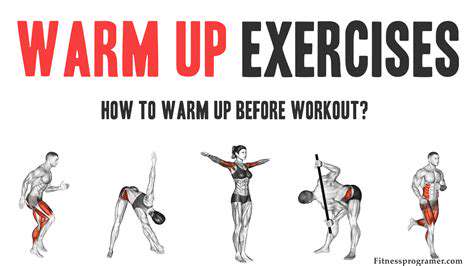
- Leg Swings: Improve hip flexibility and mobility.- Torso Twists: Enhance spinal mobility and prepare the core.- Knee Hugs: Stretch the lower back while improving balance.Integrating these movements into your routine not only increases core temperature but also prepares necessary muscle stabilizers against injury. Timing and Frequency for Maximum BenefitPerform your dynamic warm-up 15 to 30 minutes before your primary workout. This timing allows your heart rate to elevate adequately, activating muscle groups without inducing fatigue. Incorporating these warm-ups into every workout session is especially critical for activities involving significant physical exertion. Conclusion and RecommendationsIn conclusion, dynamic warm-ups are indispensable for anyone looking to enhance their performance while minimizing the risk of injuries, particularly back pain. Tailoring your warm-up routine to match the specific demands of your workout leads to better results and a safer exercise experience. Make dynamic warm-ups a non-negotiable part of your workout regimen. Not only will you improve your athletic performance, but you will also invest in your long-term health and well-being. Commit to this crucial aspect of your fitness journey today, and experience the benefits of a thorough warm-up routine.
Mar 18, 2026
Optimize Your Running Performance Understanding Cadence in RunningCadence, defined as the number of steps a runner takes per minute, is a crucial element in enhancing running efficiency. Research suggests that an optimal cadence—typically around 180 steps per minute (SPM) for elite runners—can boost performance while minimizing injury risks. For recreational runners, it’s advisable to start monitoring your current cadence and aim for incremental increases of about 5%. This gradual approach ensures improved performance without overexertion. The Importance of Stride LengthStride length—the distance covered in each stride—is another key factor affecting running performance. While longer strides can help cover more ground, they may lead to inefficiencies and increased injury risks if not managed correctly. The balance between stride length and cadence is essential as adjusting both can significantly enhance running speed and efficiency. The Cadence-Stride Length RelationshipThe interplay between cadence and stride length is fundamental to maximizing speed and minimizing fatigue. Runners are encouraged to find the right balance, often shortening stride length to maintain speed when increasing cadence. Incorporating drills that focus on maintaining a consistent cadence while adjusting stride length can help athletes discover their optimal running rhythm. Injury Prevention Through Proper TechniqueAdopting an ideal cadence and stride length is vital for reducing injury risks. Studies indicate that runners with lower cadences may overstride, which can lead to impact-related injuries. Maintaining proper running technique—through drills focused on foot placement, body alignment, and cadence—can significantly improve running economy and reduce strain on the knees, hips, and lower back. Utilizing Technology for Monitoring ProgressAdvancements in wearable technology have made tracking cadence and stride length easier than ever. Devices like smartwatches offer real-time metrics, enabling runners to make timely adjustments during training. By regularly assessing performance through data analytics, runners can customize their training plans for optimal performance and motivation. Personalized Training ProgramsEvery runner has unique biomechanics affecting their cadence and stride length. Customized training plans that integrate strength training, mobility exercises, and specific running drills often yield the best results. Consulting with a running coach can help tailor a program that harmonizes with individual fitness levels and running styles. Finding Your Optimal BalanceBalancing cadence and stride length is essential for achieving peak performance while maintaining comfort. Each runner's ideal combination is influenced by individual biomechanical factors. Regular assessment of running form and performance metrics, along with gradual adjustments, can lead to significant improvements over time. ConclusionMastering cadence and stride length is a skill that takes time and patience. Focus on gradual adjustments to improve running technique, making the journey of becoming a better runner more enjoyable. By intertwining the principles of cadence and stride length with focused training, runners can enhance their performance, reduce the risk of injury, and ultimately enjoy the rewarding experience of running.
Mar 21, 2026
Understanding the Importance of Speed Training for Older RunnersAs runners age, particularly those over 40, the importance of speed training becomes increasingly evident. Not only does it enhance overall running efficiency and cardiovascular health, but it also significantly lowers the risk of injuries that are often associated with aging. Benefits of Speed TrainingOlder runners can greatly benefit from incorporating speed training into their routine. Enhanced heart and lung function leads to better stamina and improved performance in longer distances. Additionally, implementing speed drills is crucial for maintaining injury-free workouts as muscle elasticity decreases with age, making joints more vulnerable. Types of Speed Training TechniquesVarious techniques like intervals and hill sprints cater to different fitness levels and goals. Intervals involve alternating high and low intensity, effectively boosting both speed and anaerobic capacity. Hill sprints engage multiple muscle groups, optimizing stride mechanics and overall running versatility. Effects of Aging on SpeedWith age, muscle mass and strength decline, affecting running speed and performance. Acknowledging these biological changes allows older runners to tailor training strategies that focus on maintaining speed and strength. With the right training and nutrition, many age-related declines can be mitigated, making a personalized fitness regimen essential. Setting Realistic Speed GoalsEstablishing achievable goals is vital. Instead of mirroring younger athletes, older runners should focus on gradual improvements, such as a 5% speed increase over several months. Documenting progress can keep motivation high and foster a commitment to ongoing training. Nutrition's Role in Speed DevelopmentNutrition plays a crucial role in supporting speed enhancement. A balanced diet rich in protein and carbohydrates is essential in preserving muscle mass and fueling workouts. Proper hydration must not be overlooked, as it significantly impacts performance and recovery. Incorporating Recovery DaysRecovery days are critical for effective training, especially for older runners. They help prevent burnout and injuries by allowing the body to repair and recuperate. Including active recovery techniques like yoga or cycling can enhance flexibility and promote better blood flow. The Psychological Aspect of Speed TrainingMental resilience and a positive mindset are just as important as physical preparation. Techniques such as visualizing successful runs and engaging with training groups can foster a supportive environment and heightened motivation. Interval Training for Enhanced SpeedUnderstanding the principles of interval training can significantly boost running performance. This method alternates between high-intensity sprints and recovery, improving speed, stamina, and cardiovascular fitness, especially for older athletes. Strength Training and RecoveryIntegrating strength training, particularly exercises like squats and lunges, can boost speed by enhancing muscle dynamics. Regular recovery protocols, including proper nutrition and hydration, ensure optimal performance gains. ConclusionSpeed training is not just for younger runners; it is essential for older athletes looking to enhance their performance and reduce injury risks. With the right techniques, goals, nutrition, and recovery strategies, older runners can defy age-related decline and achieve their personal bests.Explore these strategies further and take your running to new heights with our comprehensive guides!
Mar 30, 2026
View Publications>>

Hot Recommendations